What do you need to start an indoor garden? The answer is simpler than most people think, but it's not a one-size-fits-all list. You can easily spend a couple hundred dollars on gear that doesn't match your actual situation.
Then you're stuck wondering why your basil looks sad and your wallet feels lighter.
Aggregate reviews of beginner setups report that roughly 70% of first-time indoor gardeners give up within the first three months. The main reason? They bought the wrong equipment for their specific space and goals.
So before you buy anything, you need to ask yourself three specific questions. Those questions will save you money and keep your plants alive.

Quick Answer
You need a container, a growing medium, light, water, and nutrients. That's the bare minimum. The exact type depends on where you grow and what you plant.
Start with herbs on a sunny windowsill. Add a small LED light if the window is dim. That's a complete, working setup.
Why "Just Buy a Kit" Is the Wrong First Step
It's tempting to grab an all-in-one indoor garden kit. They look clean and promise instant success. But most kits are designed for one specific scenario: growing small herbs under built-in lights.
If your situation is different, you're paying for things you don't need and missing things you do.
Here's what typically goes wrong with kits:
- The light is too weak for anything beyond lettuce or basil.
- The container is too small for root-heavy plants like peppers.
- The built-in timer can't be customized for different growth stages.
- You're locked into a proprietary system. You can't swap parts or scale up.
That's not to say all kits are bad. Some work great for the right person. But buying a kit without understanding your own space and goals is a gamble.
You're better off understanding the variables first. Then you can pick a kit that actually fits, or build your own setup for less money.
For a deeper look at what budget-friendly tent options can and can't do, check out our analysis of the performance of cheap grow tent kits. It covers exactly where corners get cut.
The Three Questions That Answer Everything
Every indoor garden decision comes down to three variables. If you answer these honestly, the rest of the process becomes obvious. Here they are:
| Question | Your Options | Why It Matters |
|---|---|---|
| Where will you put it? | Windowsill, shelf, or dedicated grow tent | Determines light options, space for plants, and humidity control |
| What light is available? | Natural window light, LED, or fluorescent | Determines what plants can grow and how fast |
| What do you want to grow? | Herbs, leafy greens, fruiting veggies, or houseplants | Determines container size, soil depth, and nutrient needs |
These three questions are linked. A north-facing windowsill with no added light is fine for low-light houseplants but useless for tomatoes. A full grow tent setup with strong LEDs can grow almost anything, but it needs space and a bit of planning.
Your honest answers will point you to the right path.
Your Space: Windowsill, Shelf, or a Dedicated Setup
Let's walk through each option. This is where most people get tripped up.
Windowsill gardening is the simplest entry point. A south-facing window gets the most light. East or west windows are workable for many herbs.
North windows are tough except for shade-tolerant houseplants. You need at least 4 to 6 hours of direct sun for most edibles. If your windowsill is drafty, your plants will sulk.
If it gets scorching afternoon sun, they'll cook. You can mitigate both with a small fan or a sheer curtain. But the window is free.
That's a big advantage.
Open shelf setups give you more flexibility. You can use a wire shelving unit, a bookshelf, or a repurposed table. Place a grow light above each shelf.
This lets you control the light cycle completely. You can grow more plants in less floor space. The downside is that you have to manage humidity and temperature yourself.
Open shelves don't trap heat or moisture like a tent does. That's fine for most herbs and greens. It's less ideal for tropical plants or high-humidity starts.
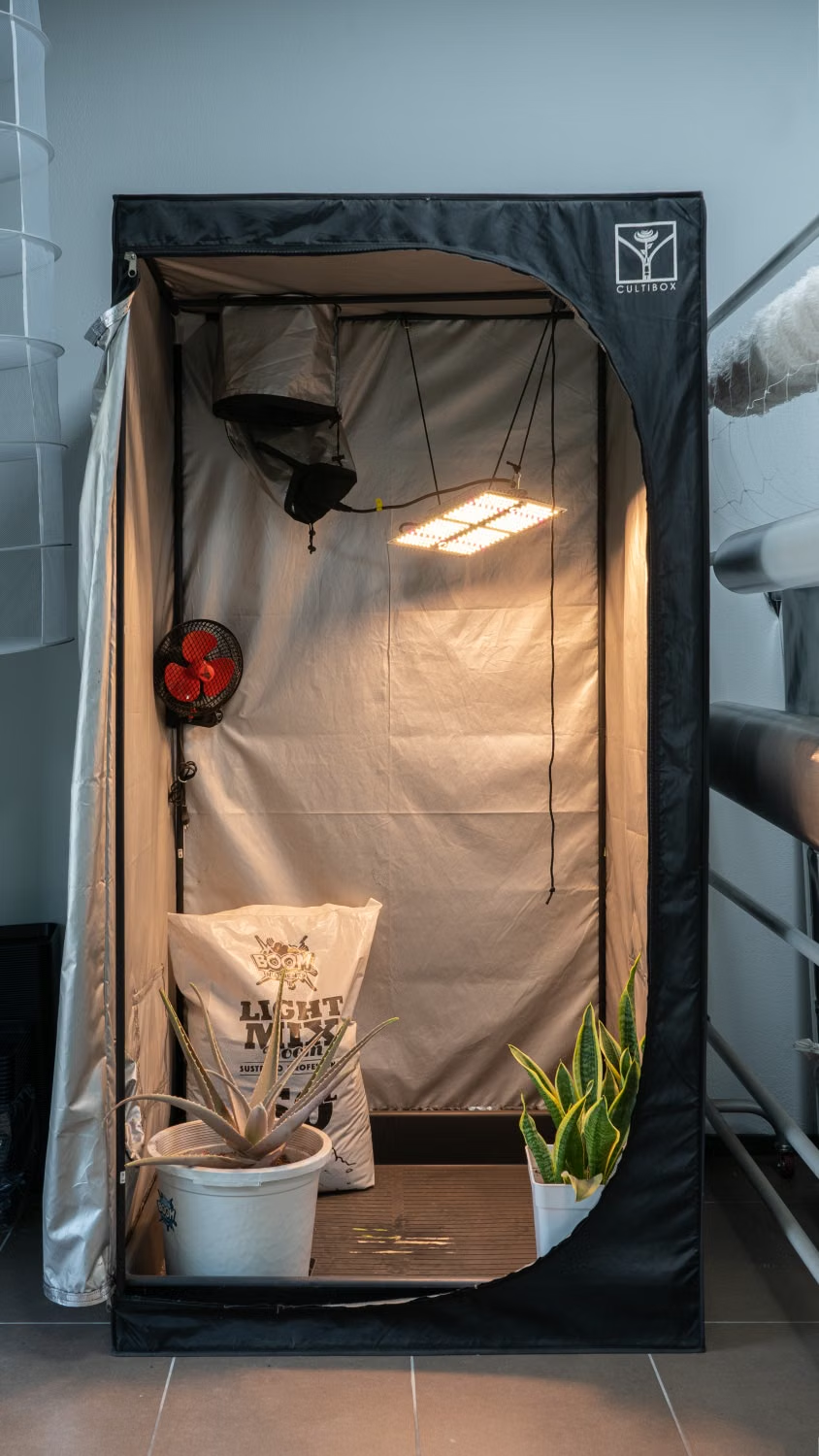
Dedicated grow tents are the most controlled environment. They're fabric or metal boxes with reflective interiors. They hold heat, contain light, and make it easy to manage air circulation.
A tent is overkill for a single basil plant. But it's perfect for starting seeds, growing peppers, or running a small hydroponic system. The key is getting the size right.
A tent that's too big wastes energy and space. One that's too small limits what you can grow. Our grow tent size guide breaks down the exact dimensions for common goals.
Your Light: Natural Window, LED, or Fluorescent
Light is the most critical factor. Get this wrong, and nothing else matters. Plants use light for photosynthesis.
Without enough of the right spectrum, they stretch, turn pale, and eventually die.
Natural window light is free but inconsistent. It changes with seasons, weather, and time of day. A south-facing window in winter might only give you 3 hours of usable light.
That's enough for low-light herbs like mint or parsley. It's not enough for basil, which needs 6 to 8 hours. You can supplement with a small LED panel.
That's a common and effective hybrid approach.
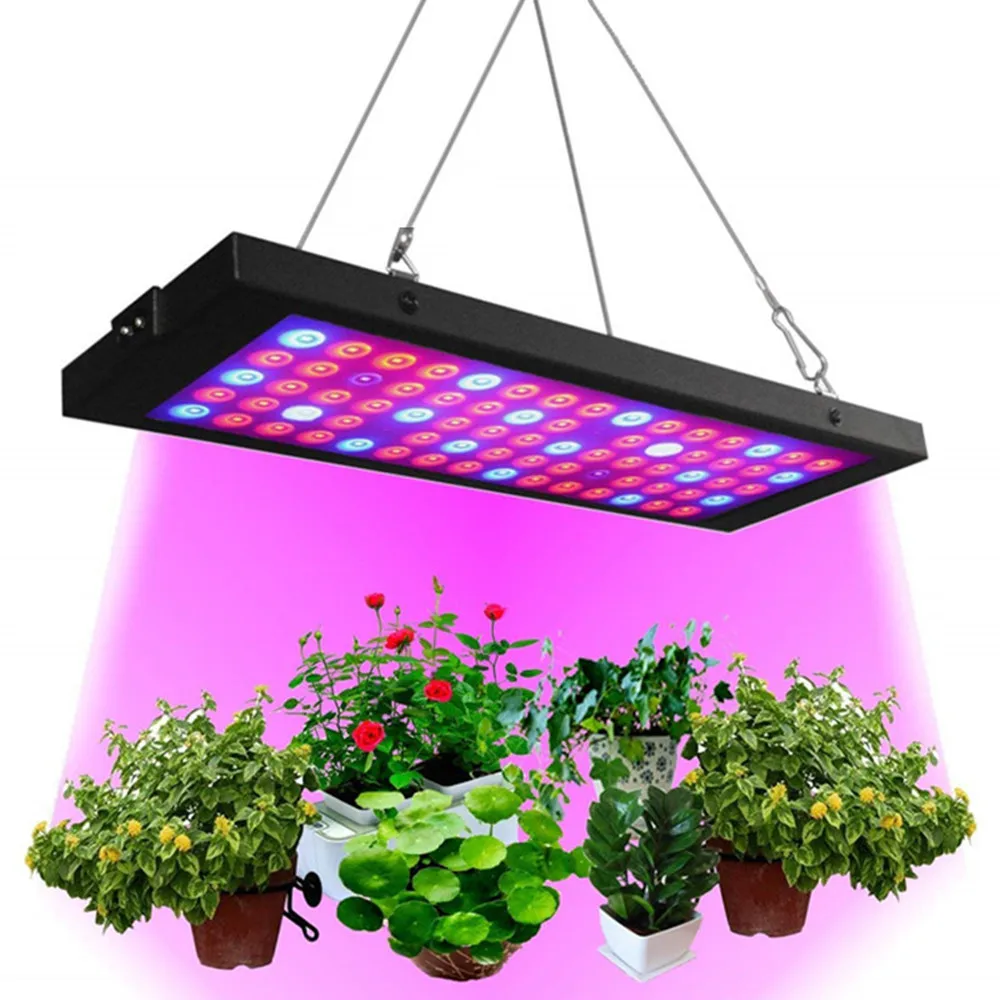
LED grow lights are the standard for serious indoor gardening as of 2026. They're energy-efficient, run cool, and last for years. Full-spectrum LEDs mimic sunlight.
They produce a white or slightly pinkish glow. You want a light that gives you actual wattage draw, not just an "equivalent" number. A 40-watt LED panel is enough for a 2×2 foot area of leafy greens.
For flowering plants, you need higher intensity. Look for PPFD (photosynthetic photon flux density) values. A PPFD of 200 to 300 is good for greens. 400 to 600 is better for peppers and tomatoes.
Fluorescent lights (T5 or T8) are an older option. They're cheaper upfront but less efficient. They produce more heat and need to be replaced more often.
They work well for starting seeds and growing low-light plants. But for anything that needs strong light, LEDs are a better long-term investment. Fluorescents also have a shorter lifespan.
You'll be swapping bulbs every 6 to 12 months.
Here's a quick comparison of your light options:
| Light Type | Upfront Cost | Monthly Electricity | Best For | Lifespan |
|---|---|---|---|---|
| Natural window | Free | $0 | Low-light herbs and houseplants | N/A |
| LED (full spectrum) | $30 to $150 | $2 to $8 | All stages, especially fruiting plants | 3 to 5 years |
| Fluorescent (T5) | $20 to $60 | $5 to $15 | Seedlings and low-light greens | 1 to 2 years |
What You Want to Grow: Herbs, Greens, Veggies, or Just Houseplants
Your plant choice determines everything else. Different plants have different light, water, and nutrient needs. Let's match them to your setup.
Herbs are the easiest entry point. Basil, mint, parsley, chives, and cilantro grow quickly. They're forgiving of small mistakes.
They don't need deep pots. A 4-inch container is enough for most herbs. They need moderate light.
A south window or a modest LED panel works. You can harvest them regularly. That keeps them bushy and productive.
Herbs are the best first crop for any beginner.
Leafy greens like lettuce, spinach, and kale are almost as easy. They grow fast. You can harvest entire heads or just pick leaves.
They need more light than herbs but not intense light. A 20-watt LED panel over a 2×1 foot tray is plenty. They're shallow-rooted.
A 4 to 6 inch pot works. Greens are perfect for a continuous harvest. You can start new seeds every two weeks.
Fruiting vegetables like tomatoes, peppers, and cucumbers are the biggest challenge. They need strong light, deep containers, and consistent feeding. A single tomato plant needs at least a 5-gallon pot and a powerful LED light.
You'll need to pollinate flowers yourself. They take longer to mature. You won't get fruit for 3 to 4 months.
But the payoff is huge. If you have the space and patience, this is where indoor gardening gets really rewarding.
Houseplants are the easiest path. They don't need to produce fruit. They just need to survive.
Most houseplants are adapted to low light. They tolerate missed waterings. They don't need fertilizer as often.
If your goal is just greenery, you can skip the grow light entirely. A north window is fine for pothos, snake plants, and ZZ plants.
The Four Main Paths to an Indoor Garden
Based on your answers to the three questions, you'll land on one of four paths. Each path has a clear set of gear and a clear outcome. Here they are:
Path 1: Windowsill herbs with a light boost. This is the most common starting point. You place a few pots on a sunny windowsill. You add a small LED panel for cloudy days and winter months.
This path works for basil, mint, parsley, chives, and cilantro. Total cost is under $50. It's low commitment and high reward.
Path 2: Open shelf greens. You set up a wire shelving unit in a spare corner. You mount LED strips under each shelf. You grow lettuce, spinach, kale, and microgreens.
This path gives you a continuous harvest of salad greens. You can start new trays every two weeks. Total cost runs $80 to $150.
Path 3: Grow tent veggies. You buy a small tent, a quality LED panel, and a fan. You grow tomatoes, peppers, cucumbers, or strawberries. This path requires more planning and daily attention.
But you get real vegetables in your kitchen year-round. Total cost is $200 to $400. If you're considering this path, our grow tent setup guide covers the full assembly process.
Path 4: Houseplants only. You skip the grow light entirely. You place low-light plants on a shelf or table. You water them when the soil dries out.
This path is nearly zero cost. It's perfect for people who just want greenery and cleaner air. No special equipment needed.
What You Actually Need for Each Path (No More, No Less)
Let's get specific. Each path needs a different set of supplies. Here's what you actually need to buy.
Path 1 (Windowsill herbs):
- Three to five 4-inch pots with drainage holes
- One bag of potting mix (not garden soil)
- Seed packets or starter plants
- A small 20-watt LED panel if the window is weak
- A spray bottle for gentle watering
- Total: under $50
Path 2 (Open shelf greens):
- A wire shelving unit (2 to 4 tiers)
- One 40-watt LED panel per shelf
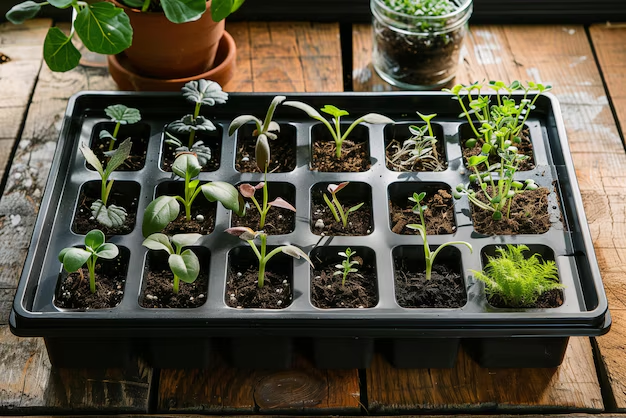
- Seedling trays with drainage holes
- Potting mix or coco coir
- A timer for the lights
- Liquid fertilizer for leafy greens
- Total: $80 to $150
Path 3 (Grow tent veggies):
- A 2×2 or 2×4 foot grow tent
- A 100 to 150 watt full-spectrum LED panel
- A small clip-on fan for air circulation
- 3 to 5 gallon fabric pots
- Potting mix suitable for vegetables
- A complete liquid fertilizer set (grow and bloom)
- A pH test kit or meter
- A timer for lights and fan
- Total: $200 to $400
Path 4 (Houseplants only):
- Decorative pots with drainage holes
- Houseplant potting mix
- A watering can or cup
- Total: $20 to $40
The Mistakes That Kill Most Indoor Gardens Before They Start
You can avoid most failures by knowing what usually goes wrong. Here are the top mistakes we see in aggregate reviews.
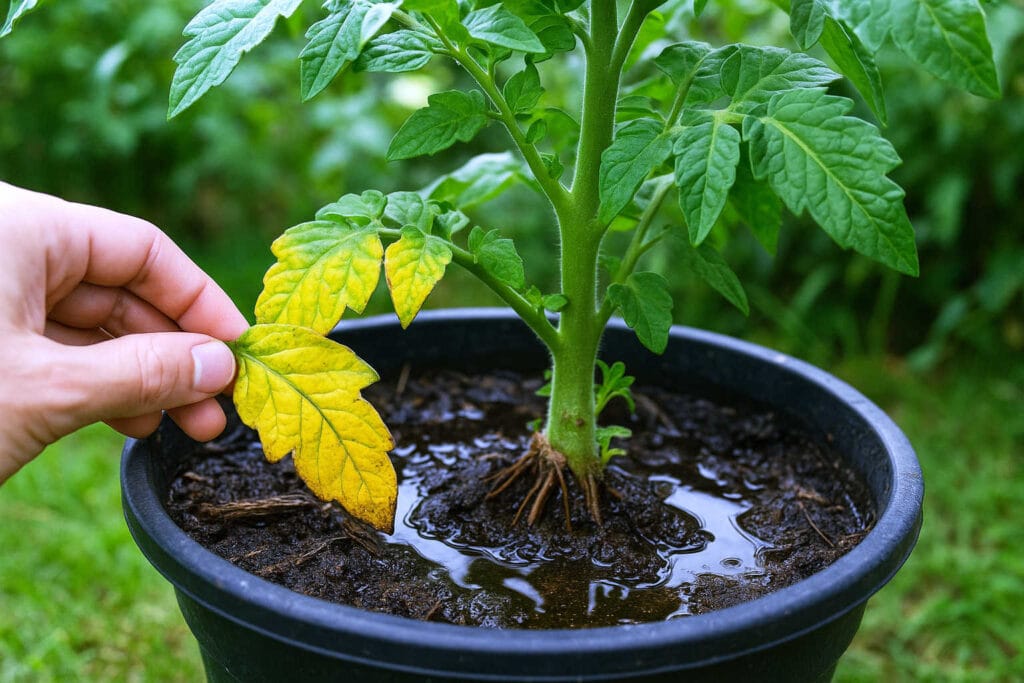
Overwatering. This is the number one killer. People water on a schedule instead of checking the soil. Stick your finger an inch into the soil.
If it's wet, don't water. Most indoor plants need water every 3 to 5 days. Not every day.
Insufficient light. Your eyes adjust to dim light. Plants don't. What looks bright to you might be too dark for a tomato.
If you're growing anything beyond houseplants, measure your light. A simple smartphone app can give you a rough foot-candle reading. You need at least 200 PPFD for leafy greens.
Wrong container size. Small pots dry out fast. They also restrict root growth. A basil plant needs at least a 4-inch pot.
A pepper needs a 5-gallon pot. If the roots can't spread, the plant can't grow. Go bigger than you think you need.
Skipping air circulation. Stagnant air leads to mold, mildew, and pest problems. A small fan pointed at your plants strengthens their stems. It also helps with pollination for fruiting vegetables.
Run a fan on low for a few hours each day.
Fertilizer burn. More fertilizer is not better. Synthetic fertilizers can burn roots if overused. Start with half the recommended dose.
See how your plants respond. You can always add more later.
If you're using a tent, proper ventilation solves many of these problems. Our grow tent ventilation setup guide explains how to keep air moving without creating a wind tunnel.
Realistic Startup Costs: What to Spend and Where to Save
Here's a realistic breakdown of what you'll spend. These numbers are based on current market prices as of 2026.
| Path | Minimum Realistic Cost | Comfortable Setup | Typical Monthly Cost (electricity + water) |
|---|---|---|---|
| Windowsill herbs | $25 | $50 | $1 to $2 |
| Open shelf greens | $80 | $150 | $3 to $5 |
| Grow tent veggies | $200 | $400 | $5 to $10 |
| Houseplants only | $15 | $40 | $0 |
Where to save money:
- Use repurposed containers. Yogurt cups, takeout containers, and old pots work fine. Just drill or poke drainage holes in the bottom.
- Skip the name-brand potting mix. Generic brands work the same for most plants. The key is good drainage, not the label.
- Buy seeds instead of starter plants. A $3 packet of seeds gives you 20 plants. One starter plant costs the same.
- Buy a timer. It prevents overwatering and under-lighting in one simple device. A basic timer costs $10.
Where not to save money:
- Don't cheap out on the grow light. A weak light produces weak plants. You'll waste more money on failed crops than you'd save on the light.
- Don't use garden soil. It compacts in containers and suffocates roots. Always use potting mix.
- Don't skip the fan. A $10 fan saves you from a $50 mold problem.
Pro Tips for a Healthy, Productive Indoor Garden
These tips come from years of aggregate grower feedback. They're the difference between a struggling plant and a thriving one.
Start with the right soil pH. Most plants prefer slightly acidic soil. Aim for a pH of 6.0 to 6.8. A $10 pH meter pays for itself in saved plants.
If your tap water is alkaline, let it sit out for 24 hours before watering. That helps the pH settle.
Use a consistent light cycle. Leafy greens and herbs do well with 16 hours of light and 8 hours of dark. Fruiting plants need the same during growth. When they start flowering, switch to 12 hours of light and 12 hours of dark.
A timer makes this automatic.
Rotate your plants. Plants lean toward the light source. Rotate each pot a quarter turn every few days. This keeps growth even and prevents lopsided plants.
Feed them, but not too much. Indoor plants can't reach nutrients in the soil. They need regular feeding. Use a balanced liquid fertilizer every two weeks during the growing season.
Cut back to once a month in winter. If you're curious about the differences between organic and synthetic options, our compost versus fertilizer comparison explains which works best for indoor setups.
Harvest often. Cutting herbs and greens encourages bushier growth. Don't let basil flower. Pinch off the flower buds as soon as they appear.
Flowering signals the plant to stop producing leaves. Regular harvesting keeps your plants productive for months.
Your Personal Starter Checklist: What to Buy (and What to Skip)
Use this checklist based on your chosen path. Buy only what you need. Skip the rest.
Must buy for all paths:
- Pots with drainage holes
- Potting mix (not garden soil)
- Seeds or starter plants
Buy if using artificial light:
- A full-spectrum LED panel
- A timer for the light
- A small fan for air circulation
Buy if growing fruiting vegetables:
- A grow tent (2×2 or 2×4 foot)
- Fabric pots (5 gallon or larger)
- pH test kit
- Grow and bloom fertilizer set
Skip entirely:
- Expensive name-brand potting mix
- Hydroponic systems for your first grow
- "Smart" garden gadgets with apps
- Extra equipment you don't have space for
Frequently Asked Questions
Can I grow vegetables indoors without a grow light?
Yes, but only in a very bright south-facing window. You can grow leafy greens, herbs, and some dwarf vegetables. Fruiting plants like tomatoes and peppers will struggle without supplemental light.
Expect slower growth and smaller harvests.
How much does it cost to run indoor grow lights per month?
A 40-watt LED panel running 16 hours a day costs about $3 to $5 per month. A 150-watt panel costs about $8 to $12. Fluorescent lights cost roughly double that for the same output.
LED is the most efficient option.
What is the easiest plant to grow indoors for a beginner?
Basil is the easiest. It germinates in 5 to 10 days. It grows fast under moderate light.
You can harvest it within 4 weeks. It's forgiving of small mistakes. Mint and chives are almost as easy.
How often should I water indoor plants?
Check the soil first. Stick your finger an inch deep. If it's dry, water.
If it's wet, wait. Most indoor plants need water every 3 to 5 days. Overwatering kills more plants than underwatering.
Let the soil dry between waterings.
Do I need a grow tent for indoor gardening?
No. A grow tent is only needed for high-light, high-humidity plants like tomatoes and peppers. For herbs and leafy greens, an open shelf or windowsill works fine.
A tent adds control but also adds cost and complexity.
How long does it take to grow herbs indoors from seed?
Most herbs are ready to harvest in 4 to 6 weeks. Basil takes 3 to 4 weeks. Parsley takes 5 to 6 weeks.
Chives take 6 to 8 weeks. You can speed things up by buying starter plants instead of seeds.