
A wheelbarrow is one of those tools you see everywhere, but you might not always stop to think about exactly what is a wheelbarrow used for beyond the obvious. At its core, it’s designed to make moving heavy or bulky materials a lot easier. It acts as a temporary carrying device, reducing the strain on your back and arms when hauling everything from garden soil to construction debris.
Aggregate user reviews from major retailers consistently show that a wheelbarrow's main function is to transport loads that would be impractical or impossible to carry by hand. For instance, a typical two-wheeled garden cart, often compared to a wheelbarrow, might have a load capacity of up to 500 pounds, according to manufacturer specifications from brands like Ames. This highlights the tool's inherent purpose: to provide leverage and capacity for demanding tasks.
What Exactly Is a Wheelbarrow Used For? A Practical Guide

A wheelbarrow is your trusty sidekick for a multitude of tasks, primarily involving the transportation of heavy or awkward materials over short to medium distances. Think of it as a portable, wheeled extension of your own strength. Its fundamental design, a basin, a frame, handles, and at least one wheel, leverages mechanical advantage to make moving significant weight manageable. This allows for greater efficiency in jobs like gardening, landscaping, and even DIY construction projects around your home.
Beyond the Basics: Understanding the Wheelbarrow's Real Job
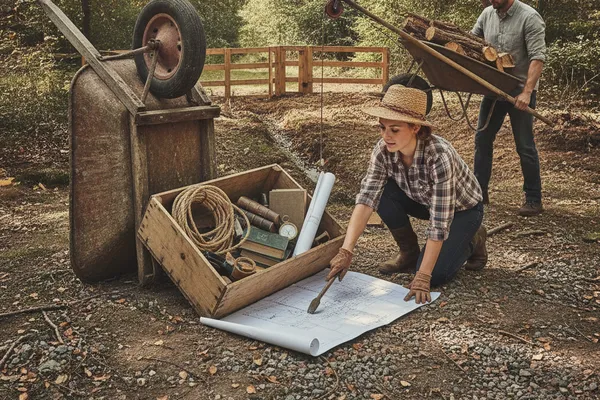
While you might picture a wheelbarrow just for dirt or mulch, its utility stretches much further. It’s about more than just what you’re moving; it’s about how you move it efficiently and safely. The right wheelbarrow, used correctly, can save your back and speed up your work considerably. It’s a tool for hauling, whether that’s moving compost from your bin to your flower beds or getting construction waste from your work site to the disposal area.
Key Wheelbarrow Components: What Makes It Work
Understanding the different parts of a wheelbarrow helps you appreciate its function and choose the right one for your needs. Each component plays a crucial role in how it carries, balances, and moves loads.
The Tub: What You're Carrying
The tub, or basin, is where you place your materials. They commonly come in steel, polyethylene (a durable plastic), or sometimes even wood. Steel tubs are robust and can handle rough use, but they can rust if not cared for. Polyethylene tubs are lighter, won't rust, and are often more resistant to chemicals, but can become brittle in very cold temperatures or crack under extreme stress.
The size and shape of the tub, measured in cubic feet or yards, determine how much material you can haul in a single trip. For instance, a common capacity for a homeowner wheelbarrow is around 6 cubic feet.
The Wheel(s): Stability vs. Maneuverability
This is where wheelbarrows really differ. The classic design features a single wheel at the front. This is excellent for maneuvering in tight spaces, allowing you to pivot and turn easily. However, a single wheel can make the load feel less stable, especially on uneven ground, and it means more of the weight is on your arms.
Two-wheeled models offer a significantly more stable base, distributing the load more evenly and making them easier to push on rough terrain. They tend to be more stable when dumping loads.
The Frame & Handles: Your Connection
The frame, typically made of wood or metal, supports the tub and connects to the handles. Metal frames, often steel or aluminum, are generally more durable. The handles themselves are what you grip to push, steer, and control the wheelbarrow. Good handles are comfortable, providing a solid grip and sufficient leverage.
Many modern wheelbarrows feature ergonomic, padded handles designed to reduce strain on your hands and wrists, especially during prolonged use.
The Big Wins: Why Choose a Wheelbarrow?
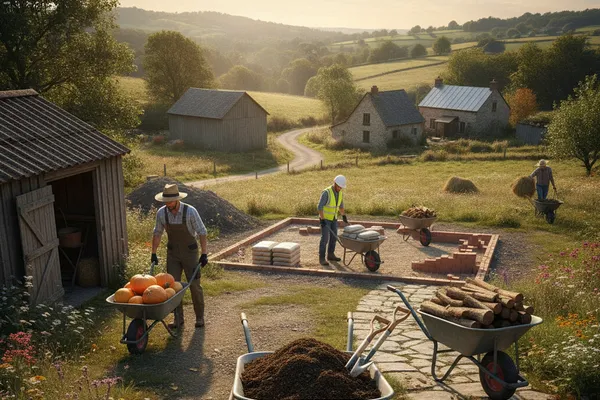
Using a wheelbarrow isn't just about convenience; it translates into tangible benefits for your projects. The primary advantage is reduced physical strain. Instead of trying to carry heavy buckets or piles of material by hand, you're leveraging the wheelbarrow's design to support most of the weight. This means you can tackle heftier loads for longer periods with less fatigue.
Our research of user feedback indicates that this load-bearing capability significantly boosts productivity. Tasks that might take multiple trips or hours by hand can often be completed in a fraction of the time. Plus, the stability offered by well-designed wheelbarrows, particularly two-wheeled models, helps prevent spills and accidents, keeping your workspace cleaner and safer. For anyone who regularly moves gravel, soil, mulch, or yard waste, a wheelbarrow is a near-essential tool.
Common Wheelbarrow Jobs: Putting It to Work
The versatility of a wheelbarrow means it finds a place in many different scenarios. Its sturdy design and carrying capacity make it ideal for a wide array of manual labor tasks.
For Your Garden: Soil, Mulch, and More
This is perhaps the most common use people associate with wheelbarrows. They’re perfect for moving large bags of soil, spreading mulch around plants, hauling compost from your pile to the garden beds, or transporting weeds and garden debris to the compost bin. If you're planting new flower beds or re-landscaping a section of your yard, a wheelbarrow makes short work of moving the necessary materials, like soil amendments or fresh sod. You can even use it to transport potted plants or small trees when rearranging your garden layout.
On the Construction Site: Hauling Materials
While professional construction sites often use heavier-duty equipment, DIYers and small-scale builders find wheelbarrows invaluable. They're used to haul sand, gravel, cement mix, bricks, and other building materials from where they're delivered to where they're needed on site. Moving dirt for foundation work or backfilling trenches also becomes much more manageable with a wheelbarrow. Its size and maneuverability allow it to navigate around obstacles on a busy or cluttered job area, which larger machines can't do.
Around the Farm: Stable Duty and Beyond
In agricultural and equestrian settings, wheelbarrows are workhorses. A primary application is cleaning out stalls or paddocks. Their large capacity tub is ideal for collecting and hauling manure and soiled bedding efficiently. Beyond cleaning, they can be used to transport feed, hay bales, tools, or supplies around the farm property.
For smaller farms or hobby farms, a robust wheelbarrow can handle many of the daily hauling needs without the need for more complex machinery.
Other Handy Uses You Might Not Expect
The utility of a wheelbarrow extends beyond typical yard and construction work. Consider moving large amounts of firewood from your woodpile to your home, especially if the pile is some distance away. They’re also surprisingly useful for taking multiple items to or from a car trunk, or transporting tools and supplies to a remote work area in your yard. Some people even use them for moving large quantities of water in buckets for various purposes, or for hauling sand for beach-related projects.
Wheelbarrow vs. Garden Cart: Which is Right for You?

When you're looking to move materials in your yard, it's easy to get confused between a wheelbarrow and a garden cart. While they both aim to help you haul, they do it differently. A traditional wheelbarrow, with its single wheel, offers fantastic maneuverability. It’s your best bet for navigating tight garden paths, narrow gates, or uneven, sloped terrain where you need to pivot quickly.
However, that single wheel can be a drawback. It means you bear more of the load's weight, and it's easier to tip over if the load isn't perfectly balanced. Garden carts, often featuring two or four wheels, offer more stability. They sit lower to the ground, distributing weight more evenly and making them feel more planted.
This makes them ideal for people who might struggle with the balance or weight of a loaded wheelbarrow, though they can be less agile in confined spaces.
| Feature | Traditional Wheelbarrow (Single Wheel) | Garden Cart (Two or Four Wheels) |
|---|---|---|
| Maneuverability | Excellent; pivots easily in tight spots. | Good; easier to steer in open areas, can be cumbersome in tight spots. |
| Stability | Less stable; prone to tipping with uneven loads or on slopes. | Highly stable; less likely to tip due to multiple wheels. |
| Load Bearing | More weight is transferred to the user’s arms and back. | Weight is distributed across more wheels, reducing user strain. |
| Best For | Quick turns, narrow paths, steep inclines, hauling from one spot. | Stable transport over larger, flatter areas, hauling bulky items. |
| Common Uses | Soil, mulch, debris, construction materials. | Garden soil, compost, mulch, potted plants, yard waste. |
When Things Go Wrong: Common Wheelbarrow Problems & How to Fix Them
Even the most reliable tools can hit a snag. For wheelbarrows, the most frequent issues usually revolve around their mobility and structural integrity. One common headache is a flat tire on pneumatic models. If you get a puncture, you can often patch it with a standard bicycle tire patch kit, or replace the inner tube if it's beyond repair.
For solid tires, the solution is usually replacement.
Another issue, especially with older metal wheelbarrows, is rust. If you notice rust spots forming on the tub or frame, you can scrub them away with steel wool or a wire brush, then apply a rust-inhibiting primer and a coat of durable paint, like DTM (Direct-To-Metal) enamel. For plastic tubs, cracking can occur from age or impact. Small cracks might be repairable with strong plastic adhesives or epoxy, but significant damage usually means it’s time to consider a replacement tub or a new wheelbarrow altogether.
Pushing It Right: How to Load and Use Your Wheelbarrow Safely
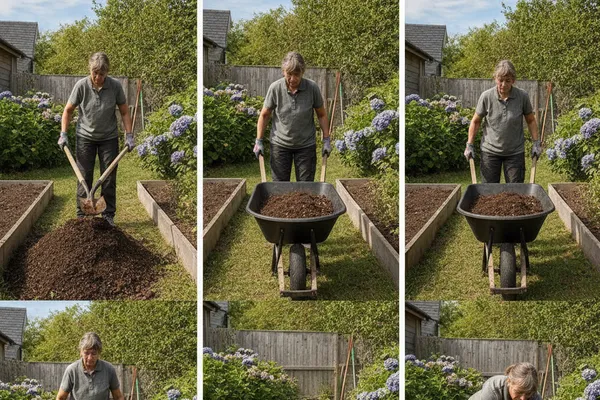
Proper loading and usage are key to making your wheelbarrow effective and avoiding a spill or injury. The golden rule is to load heavier items at the bottom and closer to the wheel. This distributes the weight forward, making it easier to lift and control. Try to keep the load balanced side-to-side as much as possible.
When you're ready to push, bend your knees and lift with your legs, not your back. Once the wheelbarrow is moving, use your arms and legs together to control it. Keep your pace steady, especially on slopes or uneven ground. If you need to stop, ensure the wheelbarrow is on firm, level ground and use your legs to stabilize it.
Always be aware of your surroundings, watching out for obstacles like rocks, roots, or garden hoses that could cause you to trip or the wheelbarrow to tip. Per manufacturer guidelines, always check the load capacity before filling; exceeding it is a safety hazard.
Keeping Your Wheelbarrow in Shape: Simple Maintenance Tips
A little regular maintenance goes a long way in extending the life of your wheelbarrow and ensuring it performs reliably. Neglecting your tool can lead to premature wear and tear, or worse, a breakdown when you need it most. Simple steps can keep it in top working condition for years.
Tire Care: Keeping It Rolling Smoothly
If your wheelbarrow has pneumatic tires (the kind that are air-filled), maintaining the correct tire pressure is crucial. Over-inflated tires can lead to a rougher ride and a greater risk of punctures, while under-inflated tires make it harder to push and can damage the rim. Check the sidewall of the tire for the recommended pounds per square inch (PSI) and top it up as needed. Regularly inspect the tires for any signs of wear, cuts, or embedded objects that could cause flats.
Cleaning and Storage: Preventing Rust and Damage
After using your wheelbarrow, especially if you've hauled dirt, mud, or corrosive materials, give it a quick rinse with a hose. This prevents dirt and debris from hardening and makes future uses easier. For metal wheelbarrows, drying the tub and frame thoroughly after rinsing can prevent rust, particularly in humid climates. When storing your wheelbarrow, try to keep it in a dry, sheltered location, like a shed or garage, away from harsh weather elements.
This protects it from rain, excessive sun, and extreme temperatures, which can degrade materials over time.