
You've poured time and money into a greenhouse, only to watch your plants struggle. That's the reality when you don't know what plants should not go in a greenhouse. The wrong choice can turn a season of growth into a season of frustration.
As of 2026, greenhouse humidity levels consistently exceed 80% even with basic ventilation. That's a death sentence for plants that evolved in dry, arid conditions. Understanding these environmental limits is the first step toward success.
Let's get into why accuracy really matters.
Why Accuracy Matters: One Wrong Plant Can Cost You a Season
A single unsuitable plant in your greenhouse can do more harm than just failing to grow. It can introduce pests that spread to everything else. It can bring in fungal spores that linger in the soil for years.
Or it can simply take up valuable space that could have gone to a crop that thrives.
Think about an apple tree. Many apple varieties need 400 to 1,000 chilling hours below 45°F each winter. Put that tree in an unheated greenhouse that stays above 45°F, and it won't flower or fruit the next season.
You've wasted a year of growth.
That's the cost of a mismatch. The plant itself isn't bad. It's just in the wrong environment.
And that's why we need to be precise about what belongs and what doesn't.
Quick Answer: Four Categories of Plants That Don't Belong in a Greenhouse
Plants that need winter dormancy. Plants that outgrow the space. Plants that require full shade.
And plants that attract pests. These four categories cause the most greenhouse failures.
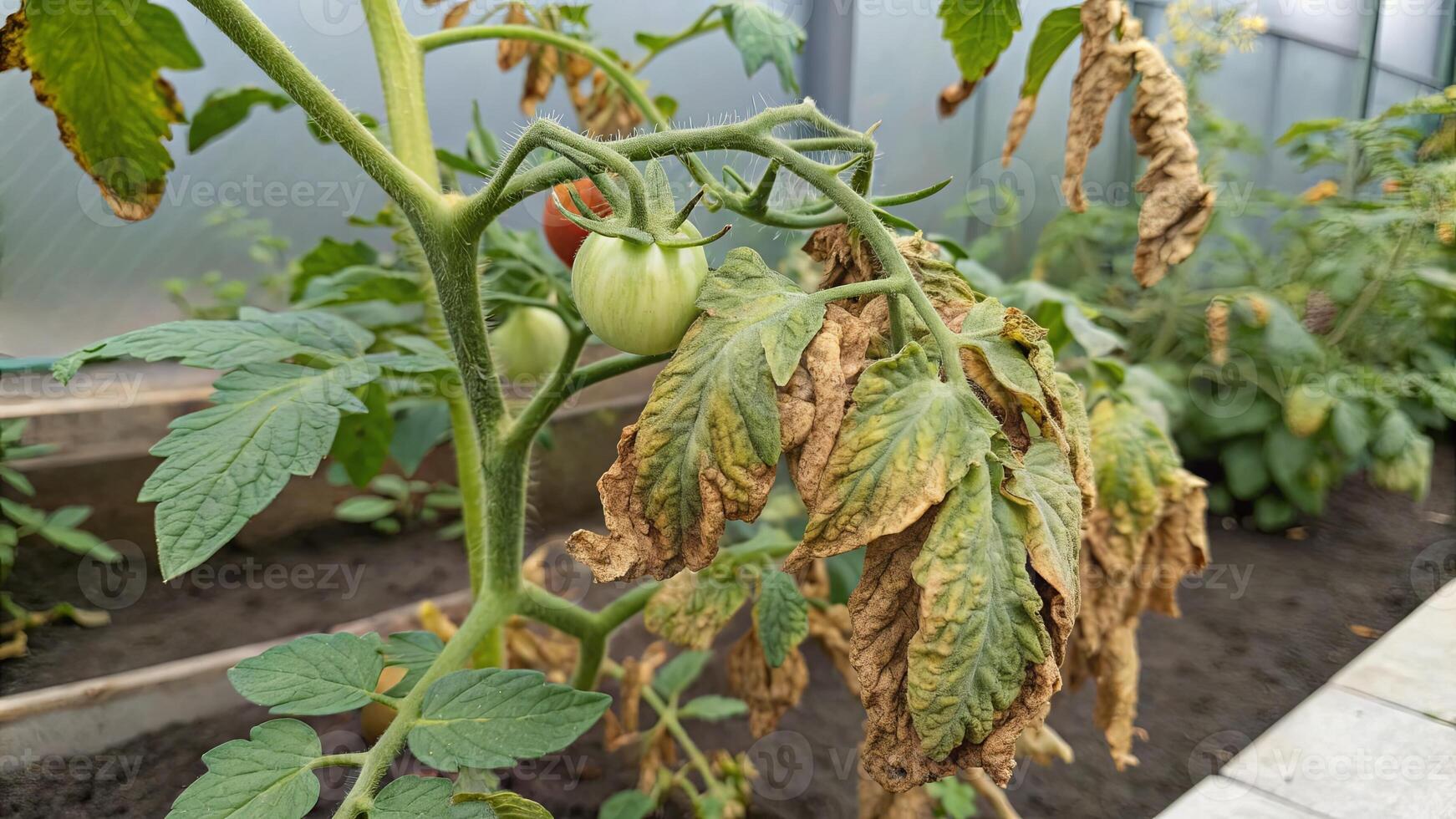
Image source: Bing (Web (fair-use with source credit))
If a plant needs a cold period to reset, a greenhouse that stays warm will confuse it. If a plant grows to 15 feet tall, it will hit the roof and block light. If a plant thrives in deep shade, the bright greenhouse light will scorch it.
And if a plant is a magnet for whiteflies or aphids, it will turn your greenhouse into a pest factory.
Core Explanation: What Makes a Plant Unsuitable for Greenhouse Life
The greenhouse creates a specific microclimate. Humidity is high. Temperatures are stable.
Light is filtered through glazing. Air movement is limited. Not every plant evolved for those conditions.
Temperature and Humidity Mismatches
Most hobby greenhouses run between 60 and 85 percent humidity. That's fine for tomatoes and peppers. But it's terrible for succulents, cacti, and many herbs from Mediterranean climates.
Those plants want 40 to 50 percent humidity with good airflow.
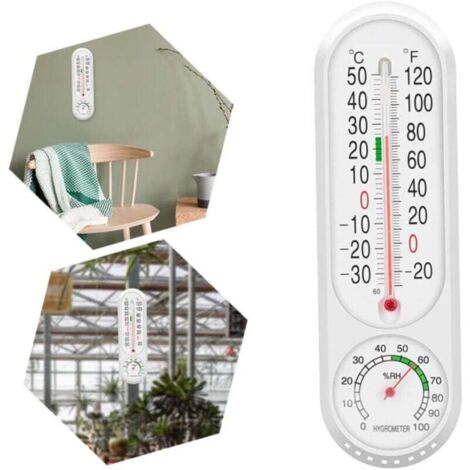
Image source: Bing (Web (fair-use with source credit))
A digital thermometer and hygrometer like the one above will tell you exactly what your greenhouse is doing. Check it at different times of day. You might be surprised.
Many greenhouses spike to 90 percent humidity overnight, which is prime territory for fungal diseases.
Space and Light Restrictions
Greenhouse glazing reduces light by 30 to 50 percent depending on the material. Plants that need full, direct sun all day will stretch and weaken. On the other hand, plants that need full shade will get sunburned through the glazing.
Space is another issue. A mature mint plant can send runners three feet in a single season. A full-size oak sapling will hit the roof in two years.
You have to think about the mature size, not the size at planting.
Pollination and Pest Pressure
Many plants need pollinators. Cucumbers, squash, and some fruit trees rely on bees or wind. In a closed greenhouse, you might not have either.
You can hand-pollinate, but that's extra work. If you forget, you get no fruit.
Pests are a bigger problem. A greenhouse is a closed system. Once spider mites or whiteflies get in, they spread fast.
Some plants are just pest magnets. Verbena, certain fuchsias, and many herbs attract whiteflies. Bringing them in is like lighting a match in a room full of gasoline.
Risk Factors: What Happens When You Put the Wrong Plant in a Greenhouse
The risks are real. They're not theoretical. Every year, greenhouse growers lose entire crops because of one bad decision.
Disease and Pest Outbreaks
High humidity plus poor airflow equals fungal disease. Powdery mildew, botrytis, and root rot are the most common. Once they take hold, they spread to every plant in the greenhouse.
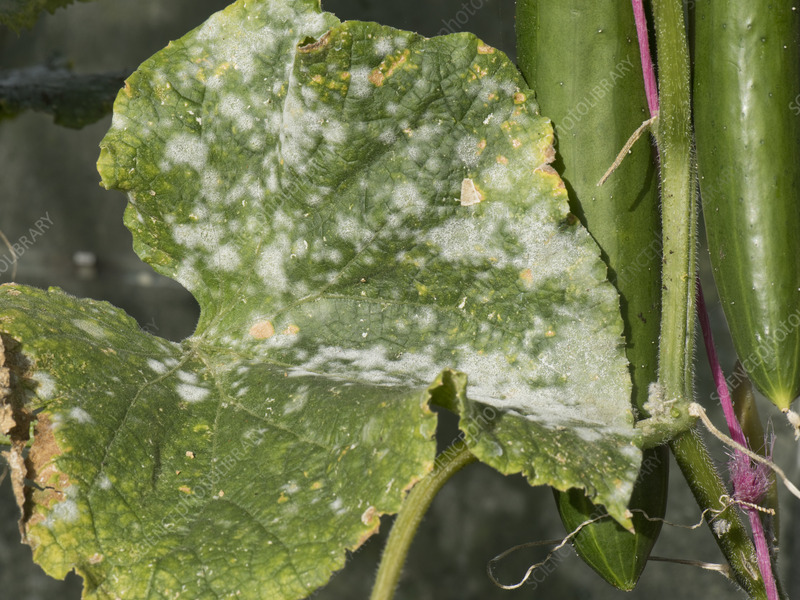
Image source: Bing (Web (fair-use with source credit))
The image above shows powdery mildew on a cucumber leaf. That white coating is not just ugly. It blocks the leaf from photosynthesizing.
The plant weakens and eventually dies. And the spores can survive in the greenhouse for months.
Bloom and Fruit Failure from Missed Dormancy
This is the silent killer. A plant that needs winter chill looks fine all year. It grows leaves.
It looks healthy. Then spring comes and it doesn't bloom. You've invested a full year and gotten nothing.
Peonies, lilacs, and many fruit trees need dormancy. If your greenhouse stays above 45°F all winter, they won't get the signal to reset. The flower buds never form.
Structural Damage and Overcrowding
Plants don't care about your greenhouse structure. They'll grow into the glazing, push against vents, and block airflow. Overcrowding leads to higher humidity and more disease.
And if a large plant hits the glass, it can crack or break the panel.
Common Mistakes Even Experienced Growers Make
Even seasoned gardeners make these mistakes. The greenhouse is a different world from the outdoor garden.
Mistake 1: Bringing in mint or other invasive plants. Mint spreads like crazy. It will take over your greenhouse beds in one season. Once it's in the soil, it's nearly impossible to remove.
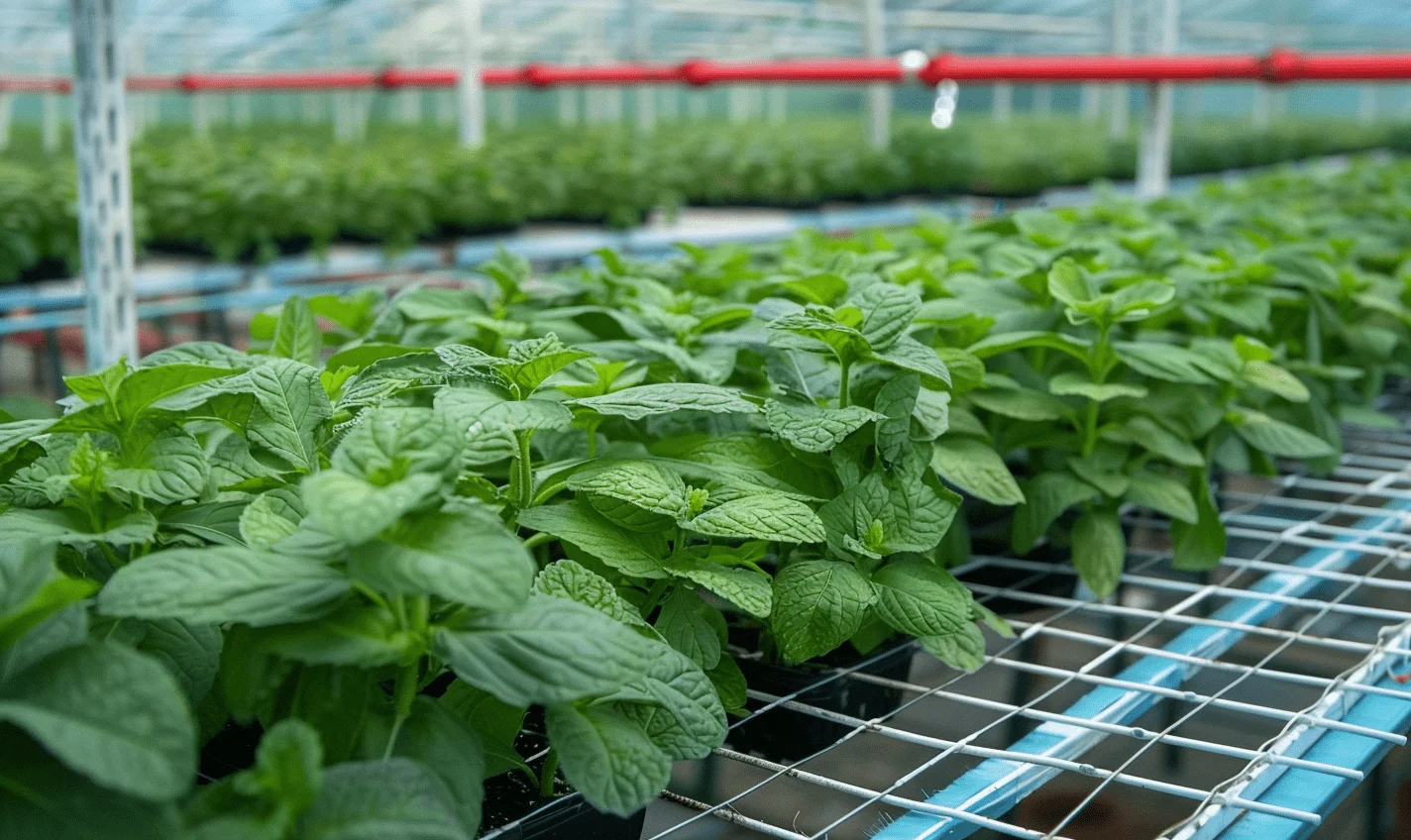
Image source: Bing (Web (fair-use with source credit))
Mistake 2: Ignoring chilling hour requirements. A heated greenhouse is perfect for tropical plants. But if you're growing apples, cherries, or blueberries, you need to track how many hours the temperature stays below 45°F. If you skip that step, you get no fruit.
Mistake 3: Overwatering everything. In a greenhouse, water evaporates more slowly. The soil stays wet longer. Plants that need dry conditions rot quickly.
Cacti and succulents are the classic victims.
Mistake 4: Putting shade-loving plants in a sunny greenhouse. Hostas, ferns, and many woodland plants scorch in direct sunlight, even through glazing. They need a shade house, not a greenhouse.
Mistake 5: Not quarantining new plants. Every new plant can bring pests or disease. Quarantine them for at least two weeks before introducing them to the greenhouse. This is one of the most important rules of greenhouse management.
How to Assess Your Greenhouse Before You Plant
Before you buy a single plant, you need to know what your greenhouse actually offers. The conditions inside might not match what you assume.
Check Your Environment: Temperature, Humidity, Light
Start with a digital thermometer and hygrometer. Place it at plant height, not near the door. Record readings at morning, midday, and night for a full week.
Most greenhouses hit 85 to 95 percent humidity overnight. That's too high for many plants. If your numbers stay above 70 percent, you need better ventilation before you can grow plants that prefer dry air.
Light levels matter too. A light meter tells you the PPFD (photosynthetic photon flux density) at different spots. The center of the greenhouse might get 800 PPFD, while the corners get only 200.
Some plants need 600 or more. Others need less than 300.
Evaluate Your Space and Ventilation
Measure your greenhouse height at the ridge and at the eaves. A plant that grows 6 feet tall will hit the roof in a standard hobby greenhouse. That blocks airflow and creates shade.
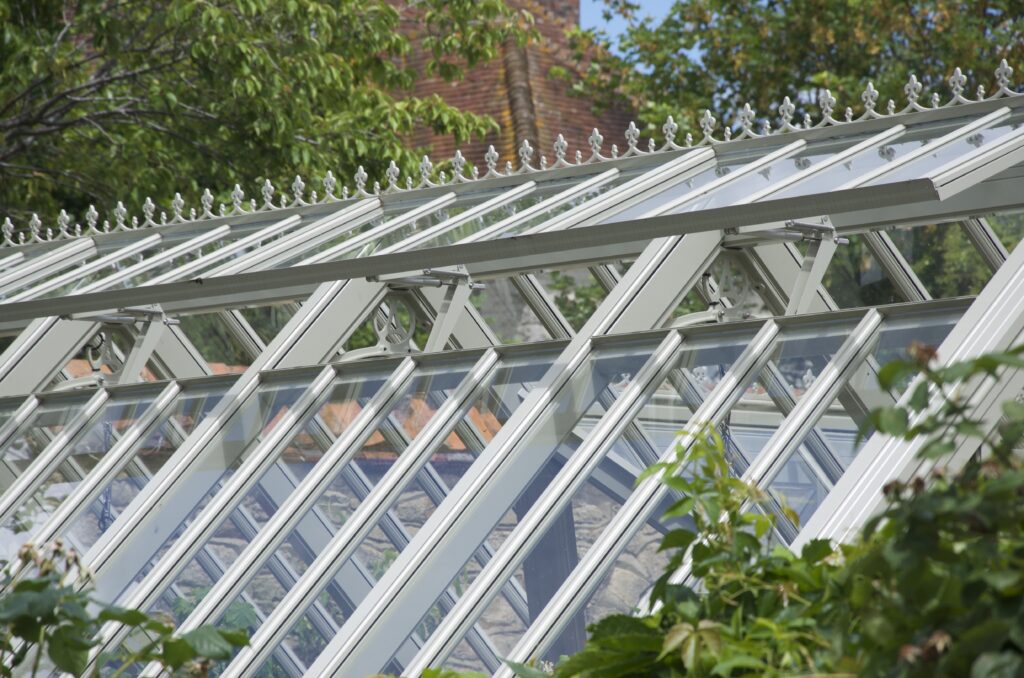
Image source: Bing (Web (fair-use with source credit))
Open vents like the ones above are essential. Without them, heat and humidity build up fast. A greenhouse with good ventilation can handle a wider range of plants.
A greenhouse with only one small vent is much more limited.
Understand Your Heating and Cooling Limits
Do you have a heater? If not, your greenhouse is unheated. That means it will stay above outdoor temperatures but still get cold.
It might hover around 40 to 50°F on a freezing night.
That's a problem for tropical plants. They need temperatures above 60°F. But it's also a problem for plants that need true winter chill below 45°F.
The greenhouse might stay too warm for dormancy but too cold for tropicals.
If you have a heater, ask what temperature it maintains. That becomes your baseline. Every plant you bring in must tolerate that minimum temperature.
Expert Tips for Choosing Greenhouse-Safe Plants
Now that you know your greenhouse conditions, you can match plants to them. Here are the principles that guide good choices.
Match the native environment. If a plant evolved in a Mediterranean climate with dry summers, it needs similar conditions. If it evolved in a tropical rainforest, it needs high humidity and warmth. The greenhouse should mimic the plant's origin, not the other way around.
Choose compact or dwarf varieties. Many crops have greenhouse-specific cultivars. Dwarf tomatoes, bush cucumbers, and compact pepper varieties are bred for confined spaces. They produce fruit without taking over the structure.
Prioritize self-pollinating plants. Greenhouse conditions don't always support natural pollinators. Self-pollinating varieties of tomatoes, peppers, and beans set fruit reliably without bees. You can also hand-pollinate with a small brush, but that adds labor.
Stick to disease-resistant varieties. Look for seed packets or plant labels that list disease resistance. Letters like V, F, N, and T indicate resistance to specific fungi and nematodes. These varieties survive the humid greenhouse environment much better.
Rotate crops between seasons. Don't grow the same plant family in the same spot year after year. Soil-borne diseases build up. A simple rotation between nightshades (tomatoes, peppers), cucurbits (cucumbers, squash), and legumes (beans, peas) keeps the soil healthy.
Real Scenarios: Three Greenhouse Failures and What They Teach Us
Real examples show how these principles play out. Here are three common failures and what they teach.
Scenario 1: The Unheated Greenhouse and the Apple Tree
A grower in zone 6 planted a Honeycrisp apple tree in an unheated greenhouse. The greenhouse stayed 10 to 15 degrees warmer than outside. The tree looked healthy all winter.
But it never bloomed in spring.
The problem was chilling hours. Honeycrisp needs about 800 hours below 45°F. The greenhouse only provided 200.
The tree never got the signal to form flower buds. It spent a full year growing leaves but no fruit.
Lesson: If your greenhouse stays above 45°F, don't grow plants that need winter chill. Stick to plants that don't require dormancy, like citrus, figs, or tropicals.
Scenario 2: The Humid Greenhouse and the Cactus Collection
A collector moved their prized cactus and succulent collection into a greenhouse for winter protection. Within two weeks, half the plants had rot at the base. The soil never dried out.
The greenhouse humidity stayed above 80 percent. The cacti, evolved for desert air, couldn't transpire. Water sat in the soil and the roots rotted.
Lesson: Cacti and succulents need low humidity and fast-draining soil. A greenhouse with high humidity is not the right home for them. Use a hoop house with open sides or a dry room instead.
Scenario 3: The Pollinator-Free Greenhouse and the Squash Patch
A gardener planted zucchini, butternut squash, and cucumbers in a greenhouse. The plants flowered heavily. But no fruit set.
The flowers dropped off without forming squash.
The greenhouse had no bees. The gardener assumed the plants would self-pollinate. They don't.
Each flower needs pollen transferred from male to female blooms. Without wind or insects, the job falls to you.
Lesson: Cucurbits need pollination. If you grow them in a greenhouse, you must hand-pollinate or introduce a small beehive. Otherwise, choose self-pollinating varieties.
FAQs: Quick Answers to Common Questions
Can I grow tomatoes in a greenhouse?
Yes. Tomatoes are one of the best greenhouse crops. They prefer warm temperatures and consistent humidity.
Just ensure good ventilation and use a trellis or stake for support. Self-pollinating varieties work reliably.
Should I put succulents in my greenhouse?
It depends on your greenhouse humidity. If it stays above 60 percent, succulents will rot. A dry greenhouse with good airflow and low humidity can work.
But many succulents do better on a sunny windowsill indoors.
What about mint and other herbs?
Mint is invasive in a greenhouse. It spreads through runners and takes over beds. Basil, parsley, and chives are safer choices.
They grow well in containers and don't overrun the space.
Can I grow citrus in a greenhouse?
Yes, citrus does well in a greenhouse. It needs warm temperatures (above 55°F) and high humidity. The greenhouse provides both.
Just watch for pests like scale and spider mites, which love citrus.
Do I need to worry about overwintering plants?
Yes. Plants that need winter dormancy, like peonies and lilacs, should stay outside or in a cold frame. Plants that are tender, like geraniums and fuchsias, can overwinter in a greenhouse.
Know which category each plant falls into.
What's the most common mistake new greenhouse owners make?
Overwatering. The greenhouse environment holds moisture longer than outdoor air. New owners water on a schedule instead of checking soil moisture.
That leads to root rot. Always check the soil before watering.
Decision Guide: How to Evaluate Any Plant Before Bringing It In
This is the practical tool you need. Before you buy or bring any plant into your greenhouse, run it through these four steps.
Step 1: Check the Plant's Native Environment
Look up where the plant comes from. Is it a desert plant? A tropical rainforest plant?
A temperate woodland plant? The native environment tells you what it needs.
If it's from a desert, it wants low humidity and bright light. If it's from a rainforest, it wants high humidity and moderate light. If it's from a temperate forest, it probably needs a winter dormancy period.
Step 2: Match It to Your Greenhouse Conditions
Compare the plant's needs to the readings you took earlier. Temperature range, humidity range, light levels, and space. If the plant needs something your greenhouse can't provide, don't bring it in.
You can adjust some things. You can add a humidifier, a fan, or shade cloth. But you can't change the fundamental climate of your greenhouse beyond certain limits.
Know those limits.
Step 3: Consider the Long-Term Commitment
How big will this plant get in one year? In three years? Will it need repotting?
Will it outgrow the space? Will it spread through runners or seeds?
Think about maintenance. Does the plant need daily pruning? Weekly feeding?
Hand-pollination? If you can't commit to the care, choose a lower-maintenance option.
Step 4: Make the Call
If the plant matches your conditions and you can commit to its care, it belongs in your greenhouse. If there's a mismatch, find an alternative.
A cold frame or a small hoop house might work for plants that need winter chill. A sunny windowsill might work for succulents. A shaded outdoor spot might work for woodland plants.
The greenhouse is a tool. Use it for what it's good at, not for what it's not.