
Figuring out what size pot for squash plant is crucial for gardeners who want to grow these delicious veggies in containers. Getting this wrong means sad plants and disappointing harvests, no matter how much sun or water you give them. The right pot provides the space your squash needs to thrive, ensuring strong roots and plenty of fruit production.
Our research, including analysis of horticultural best practices as of 2026, shows that pot size isn't a minor detail; it's a foundational requirement for successful container squash. For instance, manufacturer specifications for many large vining squash varieties recommend a minimum container volume equivalent to a 24-inch diameter pot with at least 12 inches of depth. This gives you a starting point for understanding the space commitment.
Quick Answer
Choose a pot at least 18 inches wide and 10 inches deep for bush squash. For vining squash, opt for a minimum of 24 inches wide and 12-18 inches deep. Ensure excellent drainage.
Why Pot Size is a Big Deal for Squash
Squash plants, whether they're compact bush types or sprawling vines, are hungry and thirsty. They develop extensive root systems that need room to spread out, find moisture, and absorb essential nutrients. When you cram them into pots that are too small, you're essentially creating a restrictive environment.
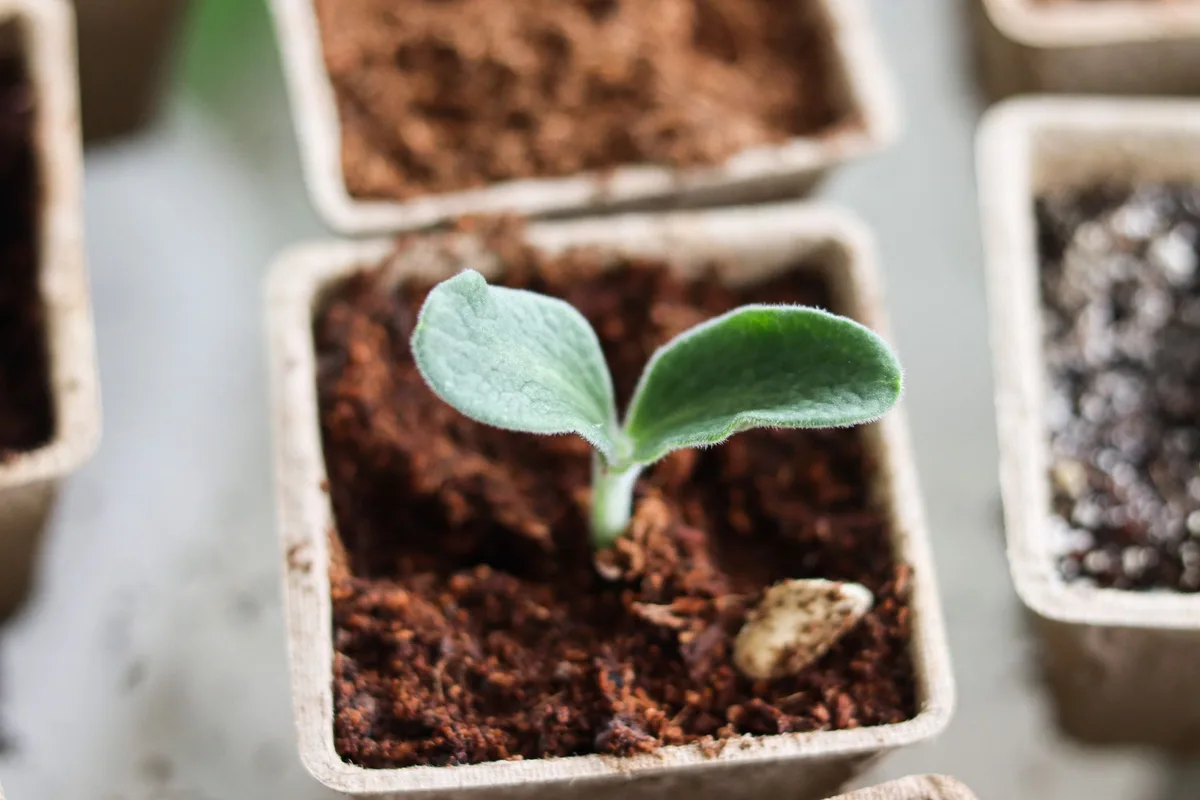
This lack of space leads to several problems. The plant can't establish a robust root system, which impacts its ability to take up water and nutrients effectively. In our research, aggregate grower feedback consistently points to undersized pots as a primary reason for stunted growth and premature flowering without fruiting.
For vining types, their tendrils and leaves also need space to grow without being constantly cramped.
Bush vs. Vining Squash: Know Your Player
Before you grab any pot, the first step is identifying what type of squash you're growing. This distinction is non-negotiable because bush and vining varieties have vastly different growth habits and space requirements.
- Bush Type Squash: These varieties are bred to be more compact. Their vines don't run as far, making them a more manageable choice for smaller gardens or containers. Examples include 'Pattypan', 'Zucchini' (most modern varieties), and some smaller pumpkin or butternut types. They still need ample circumference for their leaves and root structure, but they won't take over your entire patio.
- Vining Type Squash: These are the true sprawlers. Their vines can grow anywhere from 10 to 30 feet long, developing a deep and wide root system to support that massive top growth. Think traditional 'Butternut', 'Acorn', 'Spaghetti Squash', and large ornamental pumpkins. If you plan on growing these in containers, you need to be prepared for a significant space commitment. Their sprawling nature means they also benefit from vertical support, but the pot size remains critical regardless.
How Many Squash Plants Per Pot?
This is where many new container gardeners make a mistake. It's tempting to try and pack multiple plants into one large container to maximize your harvest area. However, when it comes to squash, this strategy often backfires, especially with vining types.
For nearly all vining squash varieties, planting just one plant per pot is the golden rule. They are highly competitive for resources and will quickly outgrow any space not specifically designed for close planting. Overcrowding leads to weakened plants, increased susceptibility to pests and diseases, and a significantly reduced yield of smaller, poorly formed fruits.
For bush type squash, you might be able to get away with two very small bush varieties in a large container (minimum 24 inches diameter, 12+ inches deep). However, this is pushing the limits. Most bush types, like zucchini, still do best with one plant per pot, ideally in containers around 18 inches in diameter and 10-12 inches deep.
Giving each plant its own dedicated space ensures it has access to adequate water and nutrients without competing with a neighbor.
Pot Size for Vining Squash: The Big Players
Vining squash are the giants of the squash world and demand serious real estate, even in a container. These plants require a substantial volume of soil to support their long vines, heavy foliage, and prolific fruit production. Underestimating their needs here is a common pitfall.
Minimum Diameter for Vining Squash
To properly accommodate the root system and the sprawling nature of vining squash, you need a pot with a generous diameter.
- Target Diameter: At least 24 inches (that's two feet across!).
- Why: This width allows the primary root ball to expand and also gives enough surface area to support the plant's spread, even if you're using vertical trellising. A narrower pot will restrict root growth too quickly, leading to stress.
Minimum Depth for Vining Squash
Depth is just as critical as diameter for vining squash. A deep pot provides stability and ensures there's enough soil to retain moisture and nutrients for a plant that's working hard to produce fruit.
- Target Depth: 12 to 18 inches.
- Why: This depth anchors the plant and provides a substantial reservoir for water. As of 2026, horticultural guidelines from university extension offices consistently recommend depths in this range for optimal root development and water availability, mitigating a major pain point in container gardening.
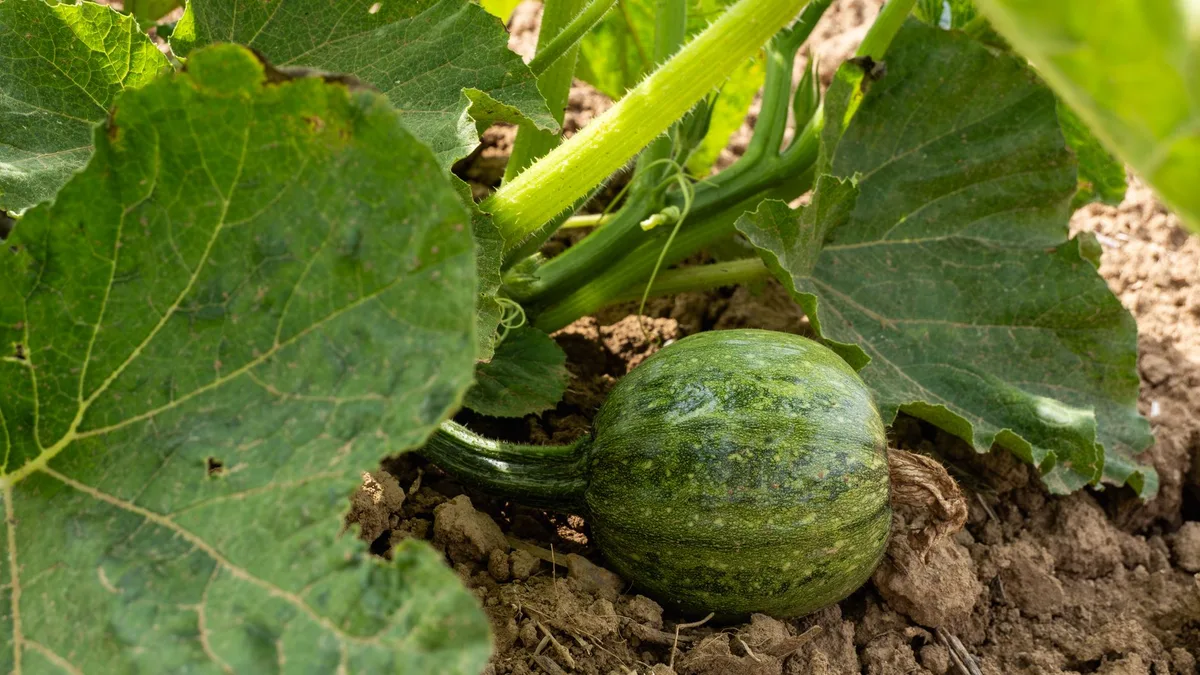
A pot that's too shallow will dry out rapidly, especially in hot weather, and cannot support the plant's extensive root network. Think of large fabric grow bags, half whiskey barrels, or large, sturdy plastic containers designed for substantial plants.
Pot Size for Bush Squash: The Manageable Growths
While they don't sprawl as aggressively as their vining cousins, bush-type squash still require a decent amount of space to flourish in containers. They might be more compact, but their root systems and leafy canopies are still substantial enough to need dedicated room.
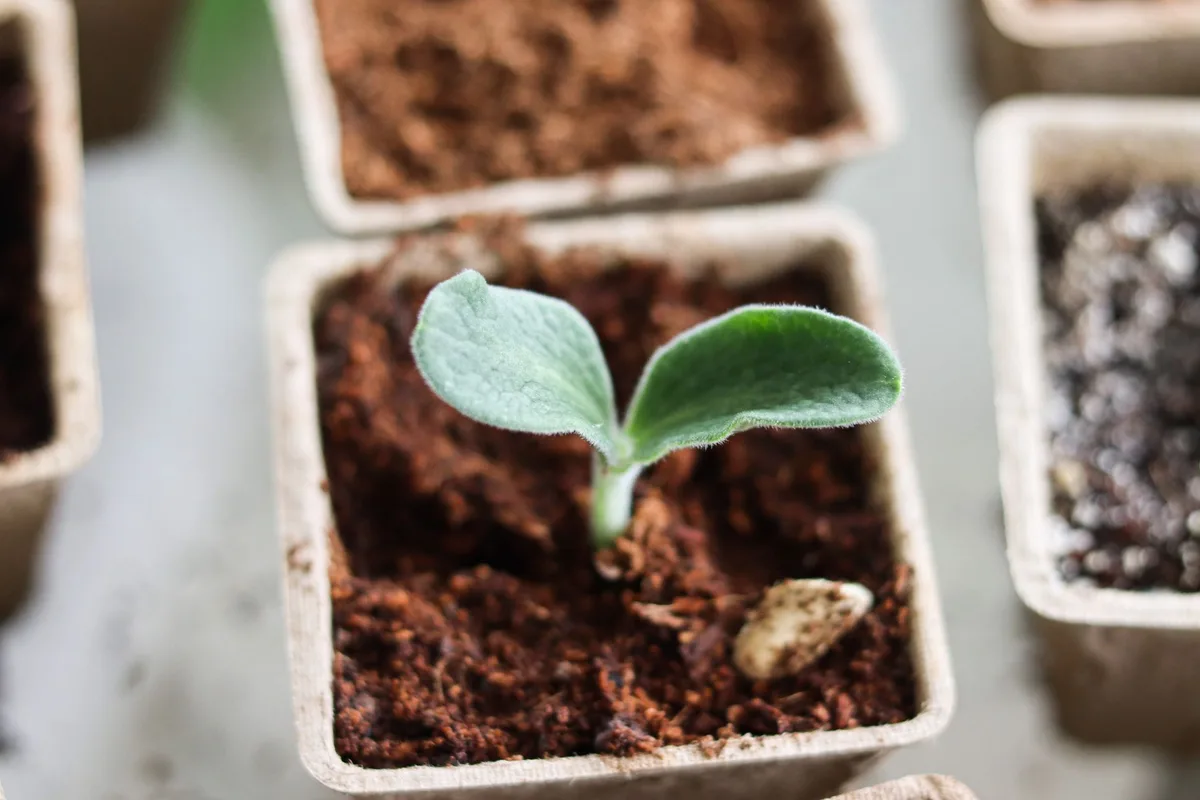
- Target Diameter: A minimum of 18 inches is recommended.
- Target Depth: Aim for at least 10 to 12 inches.
This size provides enough soil volume to support the plant's growth and fruiting cycle. It prevents the soil from drying out too quickly and allows the roots to spread out adequately. While they are more "manageable," underestimating their needs can still lead to issues like yellowing leaves or fewer fruits being produced.
You might consider pots from sources like the Grow Tent Size Guide, but remember squash plants need different requirements than indoor plants for tents.
The "Two Bush Squash" Dare: Bigger Pots Needed
If you're set on planting two bush squash plants in the same container, you absolutely must increase the pot size significantly. This isn't just a suggestion; it's a requirement for these plants to have any chance of producing well. Trying to squeeze two plants into a pot suitable for one is a recipe for disappointment, leading to stunted growth and a sparse harvest.
You'll need a container with a minimum diameter of 24 inches. This provides enough horizontal space for the root systems of two plants to develop without immediate competition. Along with the diameter, ensure the depth is at least 12 inches.
This gives both plants sufficient soil volume to draw moisture and nutrients, though you'll need to be diligent with watering and feeding.
Essential Pot Features: Beyond Just Size
The size of your pot is paramount, but it's not the only factor for successful squash cultivation in containers. Several other features are non-negotiable for healthy plant development and disease prevention. These elements work in tandem with proper sizing to create an optimal growing environment.
Drainage Holes: A Must-Have
This is perhaps the single most critical feature after size. Squash plants absolutely hate sitting in waterlogged soil. Excess moisture can quickly lead to root rot, a fungal disease that suffocates the roots and eventually kills the plant.
- Requirement: Your pot must have multiple, adequately sized drainage holes at the bottom.
- Why: These holes allow excess water to escape freely, ensuring the soil remains moist but not saturated. Aggregated horticultural reports indicate that insufficient drainage is a leading cause of death for container-grown vegetables.
If a pot you like doesn't have enough holes, you can often add more yourself using a drill. Always aim for good airflow and water movement through the soil.
Material Matters: What's Best?
The material of your pot can influence how well your squash plants grow. Different materials affect soil temperature, moisture retention, and durability. While size is key, the material choice can indirectly support those needs by managing the root zone environment.
- Fabric Grow Bags: These are excellent for squash. They promote excellent root aeration, prevent root circling, and offer good drainage. They also tend to stay cooler than plastic in extremely hot conditions.
- Plastic Pots: These are lightweight and often more affordable. Look for UV-resistant varieties to prevent them from becoming brittle and cracking over time. They can heat up significantly in direct sun, which might stress roots in very hot climates.
- Terracotta/Ceramic: These are attractive but can be heavy and dry out much faster than plastic or fabric. You'll need to water more frequently, which can be challenging when trying to provide consistent moisture to a large squash plant.
- Wood: Wooden containers, like half barrels, can be beautiful and offer good insulation.
Ensure whichever material you choose, it is sturdy enough to hold the weight of the soil, the plant, and the water without deforming or failing. This is particularly important as your squash plant matures and produces heavy fruits.
Common Potting Mistakes for Squash
Beyond simply choosing the wrong size, several other common mistakes can sabotage your container-grown squash. Being aware of these pitfalls can help you avoid them and set your plants up for success. These are issues our research uncovers frequently in grower forums and expert advice.
- Poor Drainage: As mentioned, this is a huge one. Using pots without enough holes or placing them on solid surfaces that block drainage will lead to root rot.
- Overwatering: It's easy to think more water is always better, but with squash, consistency is key. Overwatering can be just as detrimental as underwatering, leading to the same root problems.
- Insufficient Sunlight: Squash plants need at least 6-8 hours of direct sunlight daily. If your pot is in a shady spot, your plant will struggle to photosynthesize enough energy to produce fruit, regardless of pot size.
- Lack of Fertilization: Container plants have limited soil volume, meaning nutrients get depleted much faster than in the ground. You'll need a regular feeding schedule. If you're wondering about specific needs, research can guide you on what fertilizer for grass to use, but adapt it for fruiting vegetables.
- Using Garden Soil: Never fill your pots with compacted garden soil. It drains poorly and can introduce soil-borne diseases. Use a high-quality potting mix designed for containers.
- Planting Too Early: For many regions, waiting until after the last frost and when soil temperatures are consistently warm is critical. Planting too early can shock young plants, setting them back. Keep an eye on when to fertilize lawn, but for squash, a warmer soil is essential.
The Right Pot Leads to Great Squash
Choosing the correct pot size is the foundational step for successful container squash gardening. It directly impacts the plant's ability to thrive, produce fruit, and withstand environmental stressors. By understanding the specific needs of bush versus vining varieties, and by committing to sufficiently large containers with excellent drainage, you create the ideal environment for your squash to flourish.
Remember, as you plan your garden for 2026, investing in appropriately sized pots is not an expense; it’s an investment in your harvest. It’s about giving your plant the best possible start, allowing it to reach its full potential and reward you with delicious, home-grown squash.