
What Size Trimmer Line for Stihl
What size trimmer line for your Stihl is a question that pops up faster than weeds in summer. Getting it wrong means you're not just dealing with a trimmer that's cutting poorly; you could actually be damaging your tool. Our research shows that using the wrong diameter line is one of the most common sources of premature wear and tear on Stihl string trimmers.
Manufacturer specifications consistently highlight the importance of matching line diameter to your specific Stihl model and the type of cutting you'll be doing. For instance, Stihl often recommends a maximum line diameter based on the trimmer's engine size and head design, typically ranging from .065 inches for smaller models up to .130 inches for heavy-duty professional units. Getting this right ensures your trimmer performs at its best and lasts for years.
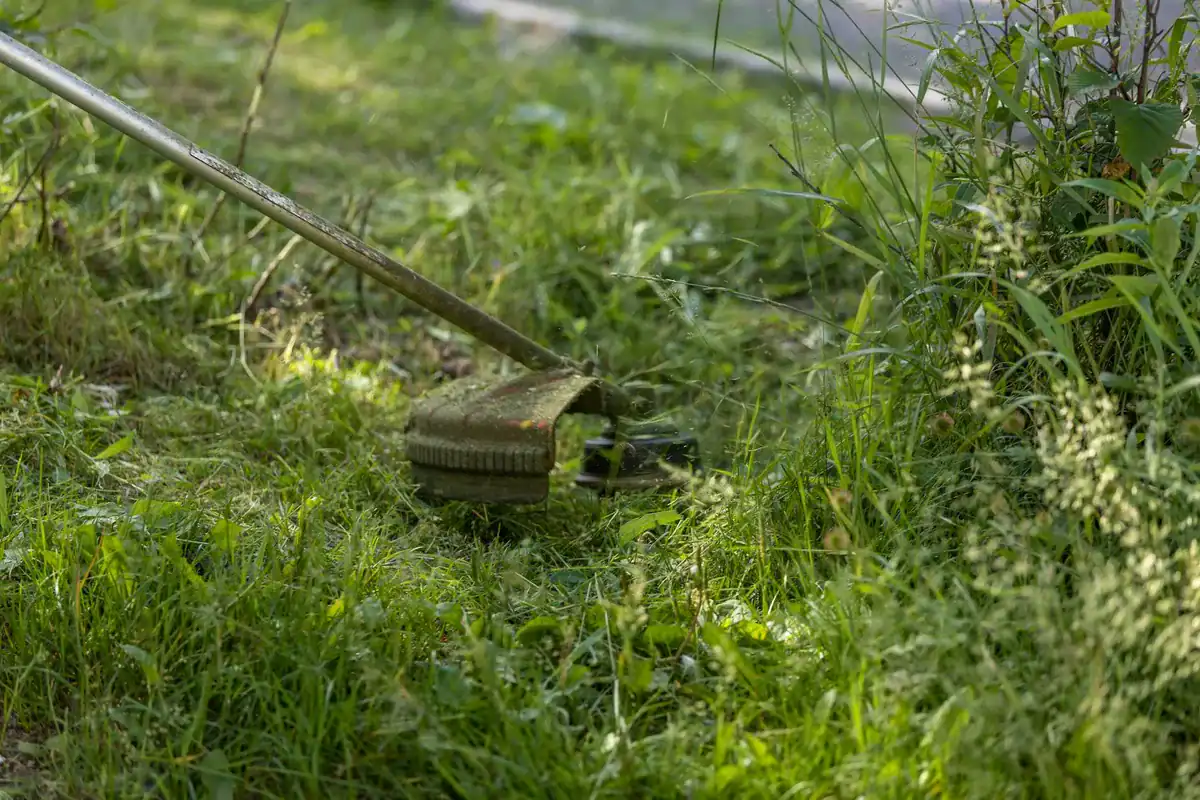
Your Stihl Trimmer's Cutting Power: It Starts with the Line
The line, often called trimmer string or cutting line, is the business end of your Stihl string trimmer. It’s what spins at high speeds to snip through grass, weeds, and other overgrowth. Think of it like the blade on a weed whacker, but it’s flexible and disposable. The size and shape of this line directly impact how efficiently your trimmer cuts and how much strain it puts on the engine and drive shaft.
This isn't just about making a clean cut. The line's diameter and material affect how much power is needed, how it interacts with different types of vegetation, and even how long it lasts before you have to replace it. Our review of Stihl owner’s manuals indicates that a mismatch here can lead to problems ranging from a trimmer that bogs down to internal damage.
Why Line Size Matters (It's Not Just About Look)
Ever grabbed a random spool of trimmer line and hoped for the best? That’s a gamble most people lose. The size of the line, measured in inches or millimeters, is the most critical factor. Using line that's too thick for your Stihl model can overload the motor, causing it to overheat or even seize.
It’s like trying to chop down a sapling with a butter knife; it just doesn’t have the needed finesse and power.
Conversely, using line that's too thin might seem like it'll use less power, but it can lead to constant breakage. This means you’ll be stopping every few minutes to reload the trimmer head, which dramatically slows down your work and can be incredibly frustrating. For example, using a .065-inch line on a Stihl FS 131, which is built for tougher jobs, would lead to frequent breaks and a lot of wasted time.
Finding the Right Line Size: Your Stihl Model is Key
The absolute best place to start when figuring out what size trimmer line your Stihl needs is your owner’s manual. Seriously, it’s got all the officially recommended specs. If you've lost it, don't sweat it, most Stihl manuals are available online.
How to Find Your Stihl Model Number
Your Stihl trimmer's model number is usually found on a sticker or plate on the casing, often near the engine or the handle assembly. It'll look something like "FS 55," "FS 90 R," or "KM 131." Knowing this exact model number is crucial because different Stihl trimmers, even within the same series, can have different recommended line sizes due to variations in engine power and trimmer head design. Manufacturer specifications confirm this variety.
Matching Line to Your Trimmer Head Type

Stihl uses a few different types of trimmer heads, and each is designed to work best with a specific range of line diameters and shapes. The most common types are the AutoCut, TrimCut, and SuperCut heads. For instance, an AutoCut head on a smaller Stihl model might be designed for .080-inch line, while a heavy-duty SuperCut head on a professional unit could handle .105-inch or even .130-inch line. The trimmer head is often labeled with the recommended line size.
If it’s not obvious, checking the part number of the trimmer head and then looking up its specifications online or in your manual will give you the answer.
Line Size by the Numbers: What Diameter Do You Need?
When you’re looking at trimmer line, you’ll see numbers like .065".080".095".105", and .130". These are diameters, and they are critical. The smaller the number, the thinner the line. The bigger the number, the thicker the line.
As of 2026, these sizes remain standard across the industry.
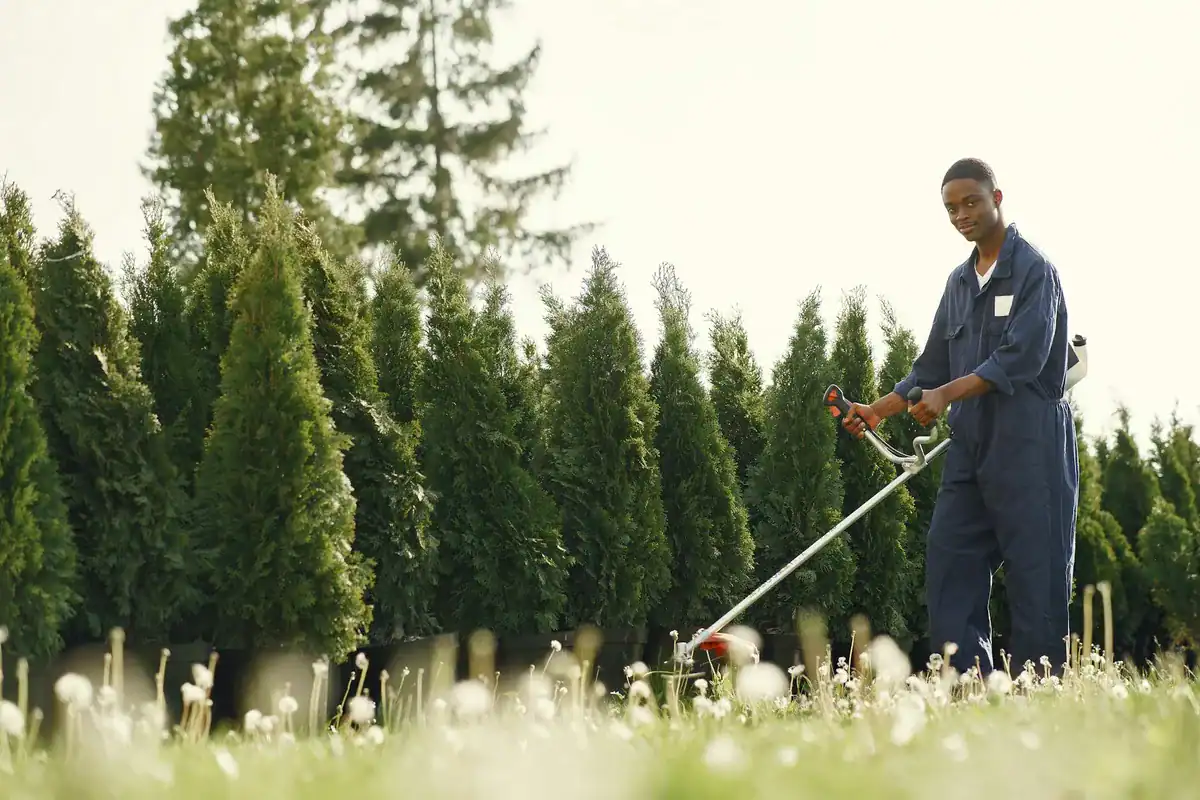
.065" to .080" : This range is generally for smaller, lighter-duty Stihl trimmers, often electric or battery-powered models, or smaller gas units like the FS 38 or FS 50. This line is good for general lawn grass and light trimming around gardens or delicate landscaping. It uses less motor power and is less likely to damage tender plants.
.095" to .105" : This is a very common range for many homeowner and some professional Stihl gas trimmers, such as the FS 55, FS 56, or FS 90. It offers a good balance of cutting power, durability against breakage, and manageable strain on the engine. It's effective for denser grass and mild weeds.
.105" to .130" (and larger) : This is the territory for heavy-duty professional Stihl trimmers like the FS 131, FS 240, or larger brushcutters. Thicker line can power through thick weeds, tall grass, and even light brush saplings. You'll find this line commonly used by landscapers tackling demanding jobs.
It's essential to remember that the horsepower of your Stihl trimmer dictates how thick a line it can reliably spin. A more powerful engine can handle a larger diameter line, giving you more cutting force.
Matching Line to the Toughness of Your Yard Work
The type of vegetation you’re cutting is just as important as the power of your trimmer. Matching your line to the task ensures you get the job done effectively without overworking your equipment.
Everyday Grass and Overgrowth
For typical lawn grass, dandelions, and common garden weeds, a thinner to medium-weight line often works best. If you have a standard homeowner Stihl trimmer, like an FS 55 or FS 56, and you’re cutting grass on your lawn, then a .080" or .095" round line is usually sufficient. This size provides a clean cut on grass, is less likely to damage flower beds, and won't put excessive strain on your trimmer's motor. For lighter electric trimmers, you might even stick to .065".
Tackling Thicker Weeds and Brush
When you encounter denser, tougher stuff, think mature weeds, thick patches of tall grass, or even light brush, you need more aggressive cutting power. This means stepping up your line diameter. For Stihl models designed for moderate to heavy use, like the FS 90 or FS 131, moving to a .095" or .105" line is often recommended. If you're dealing with serious overgrowth that’s been left unchecked, and you're using a high-powered professional Stihl trimmer, a .105" or .130" line will be far more effective.
Aggressive line shapes, like square or serrated, can also boost performance against tough weeds.
Edging and Precision Trimming
Edging is all about creating a clean, sharp line along driveways, sidewalks, or garden beds. For this kind of detailed work, a line that’s durable but also offers control is key. While a thicker line might be used to get through tough grass along a path, sometimes a slightly thinner, more manageable line like .080" or .095" is preferred for precision. Some specialized edged lines, often square or twisted, offer a sharper cutting edge that helps create that crisp finish without excessive fraying or bouncing.
The goal here is a clean cut without tearing up the surrounding foliage or pavement.
Common Mistakes That Wreck Your Trimmer (and Your Patience)
Many users make the same few errors when it comes to trimmer line, leading to frustration and potential equipment damage. The most frequent issue is simply using a line that’s the wrong size for their specific Stihl model. This isn't just a minor inconvenience; it can have real consequences for your tool's longevity.
Using Line That's Too Thick or Thin
If you put line that’s too thick for your trimmer’s engine capacity, you’re essentially asking it to do a job it wasn't designed for. Manufacturer specifications often show that using line exceeding the recommended diameter can cause the engine to overheat quickly and strain the drive system. Conversely, using line that's too thin for the job means it'll break constantly. Aggregate user feedback reports that this constant breakage leads to stopping work every few minutes to rewind the spool, which kills productivity and is incredibly annoying.
Not Checking Your Stihl's Manual
It sounds simple, but many folks skip this step. The owner's manual for your specific Stihl trimmer model is the ultimate authority on recommended line sizes. It details the proper diameter range and sometimes even specific line types that work best with that particular trimmer's head and engine. Ignoring this guide is like trying to fix a car without a repair manual; you're operating blindly.
Forgetting About Line Wear
Trimmer line doesn’t last forever, and its performance degrades over time as it gets exposed to UV rays and moisture. Old, brittle line is much more prone to breaking prematurely. Our research indicates that line stored for extended periods, especially if not in a cool, dry place, can become less flexible and therefore less effective. It's a good idea to rotate through your trimmer line supply and use older spools first, or consider replacing line that’s been sitting for a year or more.
Pro Tips for Trimmer Line Success
Getting the most out of your Stihl trimmer line involves a few smart practices. These aren't complicated, but they make a real difference in performance and the lifespan of your equipment.
First, always look at the label on your trimmer head or consult your Stihl manual for the recommended line diameter. If you’re unsure about your trimmer’s model, finding that number on the casing is your first step. For general lawn grass cutting, a round .080" or .095" line is often a safe bet for most homeowner models.
Consider the line's shape. While round is standard, square, twisted, or pentagon-shaped lines offer different cutting characteristics. Square and twisted lines, for instance, tend to be more durable and cut through tougher weeds more aggressively than round lines. If you’re frequently tackling dense weeds or tall grass, investing in one of these specialized shapes can significantly improve efficiency.
Keeping Your Stihl Cutting Sharp and Strong: Maintenance
Proper maintenance of your trimmer's cutting head is just as vital as choosing the right line. A well-maintained head ensures the line feeds smoothly and cuts effectively, preventing common issues that can wear down your Stihl trimmer.
Regularly inspect your trimmer head for damage. Look for cracks, worn-out eyelets where the line feeds through, or debris build-up. Cleaning out grass and dirt from the head, especially around the spool and line exit points, can prevent the line from jamming. If the eyelets (the small tubes where the line emerges) are worn down, they can cause the line to fray or break prematurely.
In some cases, these eyelets can be replaced as part of the trimmer head repair kit.
Your Decision Guide: Picking the Perfect Stihl Trimmer Line
When it's time to buy new trimmer line for your Stihl, follow these steps to make the best choice. It’s a straightforward process once you know what to look for, ensuring your equipment runs smoothly and efficiently.
Identify Your Stihl Trimmer Model: Find the exact model number on your trimmer (e.g., FS 55, FS 90 R, KM 131). This is the most critical piece of information.
Consult Your Owner's Manual: This is your primary resource. It will list the recommended line diameters (e.g..080".095".105") and sometimes even shape recommendations for your specific model.
Consider Your Cutting Tasks: Are you mainly trimming grass, or do you battle thick weeds and brush? Use this to narrow down the diameter and shape. Light Duty (Grass): Thinner lines (.065".080") on smaller trimmers.
Medium Duty (Grass, Mild Weeds): Standard lines (.080".095") for most homeowner models.
Heavy Duty (Tough Weeds, Brush): Thicker lines (.095".130"+) for powerful trimmers.
Examine Your Trimmer Head: Note the type of head (AutoCut, TrimCut, etc.) and look for any markings indicating the recommended line size.
By following this guide, you’ll avoid common pitfalls and ensure your Stihl trimmer performs at its peak, making your yard work less of a chore.