
You've got tenacious grass creeping along your fence line, and you're wondering what to spray on fence line to kill grass effectively without causing a mess. It's a common battle for homeowners, especially when unwanted growth can smother flowers, damage your fence, or simply look untidy. Getting this right means keeping your property boundaries neat and your fences in good shape.
Deciding on the right product is key, and many homeowners overlook crucial details like drift potential or fence material compatibility. For instance, aggregate user feedback often points to glyphosate-based herbicides as effective for non-selective fence line clearing, but proper application is critical. A 2023 report from the Environmental Protection Agency (EPA) details best practices for herbicide application to minimize environmental impact and ensure safety. Let's explore how to tackle this task effectively.
Killing Grass Along Your Fence Line: How to Get it Done Right
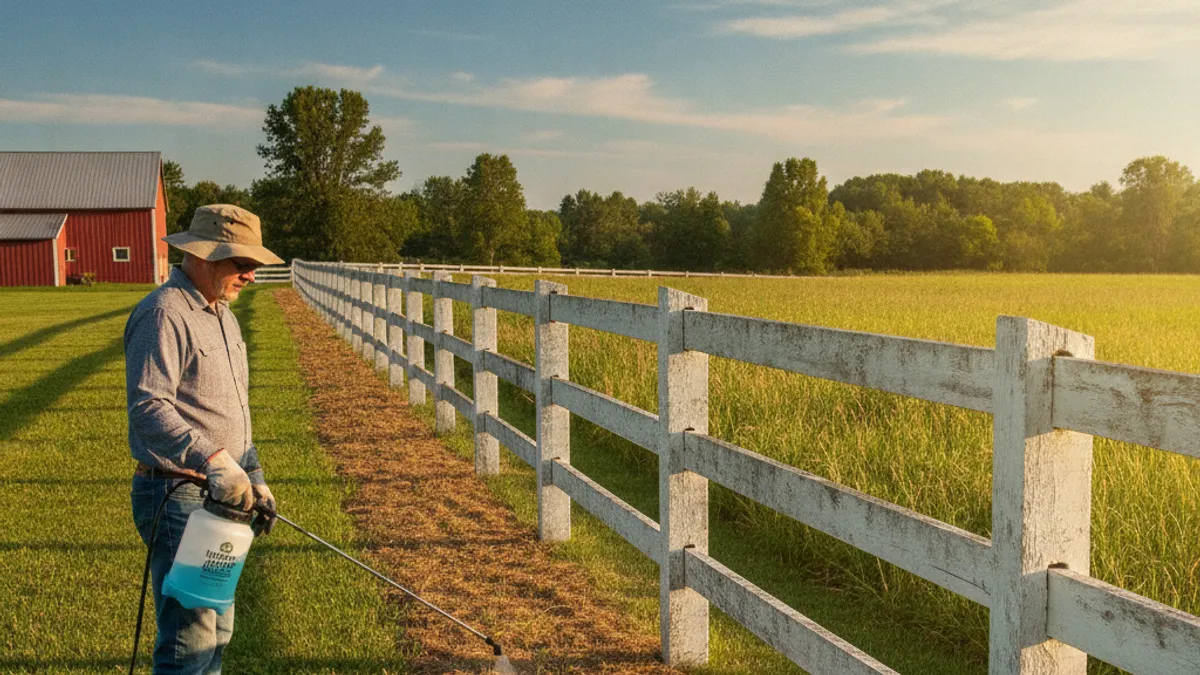
Why Grass Takes Over Your Fence Line (And Why You Should Care)
Grass pushing its way along your fence line is more than just an eyesore; it's a persistent problem that can escalate. Unchecked growth can crowd out desirable plants in your garden beds and even encroach on your lawn, making it difficult to mow or maintain. More seriously, dense, dry grass near wooden fences can become a fire hazard, especially in drier climates. It can also harbor pests and create damp conditions that encourage rot and decay in fence posts.
Understanding these risks highlights why proactive fence line vegetation management is so important for property maintenance.
Your Quick Guide: What to Spray Right Now
If you need a fast and effective solution for a stubborn patch of grass along your fence, a non-selective, post-emergent herbicide is likely your best bet. These products are designed to kill nearly all types of green, growing plants they come into contact with. For example, herbicides containing glyphosate, like Roundup (always check the specific product label for exact ingredients and approvals), are widely used in these situations. It’s crucial to remember that these are powerful chemicals, so direct application ONLY to the unwanted grass is essential to avoid harming nearby plants.
Always read and meticulously follow the product label instructions for safe and effective use.
Choosing the Right Weed Killer for Your Fence Line: Chemical vs. Natural
Selecting the best product depends on how quickly you need results and what's growing near the fence line. Chemical herbicides offer speed and potency, while natural options can be gentler on the environment and surrounding plants. It's about balancing effectiveness with safety and your specific needs.
Understanding Non-Selective Herbicides (The Big Guns)
Non-selective herbicides, often called broad-spectrum weed killers, are your go-to for complete grass removal along a fence. They work by breaking down the plant's cellular structure, leading to rapid wilting and death. Products containing active ingredients like glyphosate or glufosinate fall into this category. These are incredibly effective for clearing out dense weeds and grasses when you need a clean slate.
However, their power means they’ll kill any plant they touch, including your lawn, flowers, or shrubs if drift occurs. Manufacturer specifications for popular glyphosate-based products often state they work by inhibiting an enzyme essential for plant growth, an enzyme absent in animals, which is a key safety consideration. Proper application is therefore non-negotiable, requiring careful spraying techniques and timing.
When to Consider Selective Herbicides
Selective herbicides are designed to target specific types of plants while leaving others unharmed. For fence lines, this is most useful if you have a lawn right up to the fence and want to kill only the encroaching grass without damaging your turf. These products often work by mimicking plant hormones, causing abnormal growth and eventual death in susceptible species.
For example, certain herbicides can target broadleaf weeds but leave grasses untouched. Conversely, some might target grasses while leaving broadleaf plants alone. It's vital to consult the herbicide label to confirm its selectivity. University Extension offices, like those provided by Cornell University, offer extensive databases on herbicide selectivity for common lawn and garden plants, helping you make an informed choice for your unique situation.
Exploring Natural & Organic Fence Line Options
If harsh chemicals are a concern, several natural or organic methods can help control fence line grass. Horticultural vinegar, which has a much higher acetic acid concentration than household vinegar, can burn the foliage of young weeds and grasses. Boiling water poured directly on the grass is another simple, effective method for small areas; as the National Gardening Association notes, it kills plants by denaturing proteins.
Other options include mulching heavily around the fence base to block sunlight or using landscape fabric. While these methods are generally safer for the environment and pets, they often require more frequent application and may not be as effective against established, deep-rooted grasses. Their effectiveness is also highly dependent on weather conditions and the type of grass you're battling. For instance, boiling water works best on young sprouts, whereas established perennial grasses might require repeated treatments.
How to Safely Spray Weed Killer Near Fences: A Step-by-Step Plan
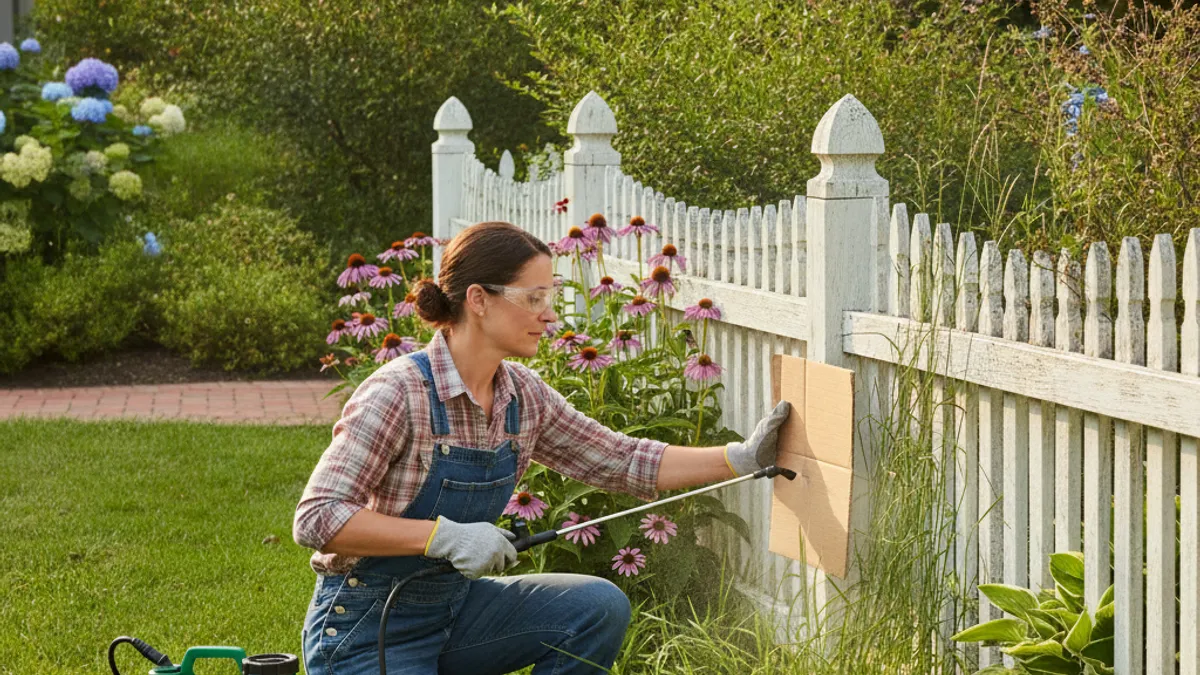
Applying herbicides around your fence requires careful planning to protect your property and the fence itself. The goal is to kill the grass effectively without damaging the fence material or drifting onto desirable plants. Following a structured approach ensures you get the best results for your efforts.
Step 1: Plan Your Attack – Assess the Area
Before you even grab a sprayer, take a good look at the fence line you intend to treat. Identify the types of grass and weeds that are growing there; some are tougher than others. Note any desirable plants, like garden flowers or lawn grass, that you need to protect from overspray. Consider the fence material itself, is it wood, vinyl, metal, or chain-link?
This will influence your choice of herbicide and application method.
Step 2: Gear Up – Safety First!
Personal protective equipment (PPE) is non-negotiable when working with herbicides. Always wear chemical-resistant gloves, eye protection such as safety goggles or a face shield, and long sleeves and pants to cover your skin. If you're using a concentrate that requires mixing, a respirator with appropriate cartridges can offer additional protection against fumes. Check the herbicide label for specific PPE recommendations; they are there for your safety.
Step 3: Mix & Measure – Follow the Label
This is where precision matters. Herbicides come in concentrated formulas that you need to dilute according to the product label. Using too much concentrate can damage the fence or surrounding plants, while too little might be ineffective. Accurately measure both the herbicide and the water using a designated measuring cup or tool.
For example, a gallon of mixed solution might require 2 to 4 ounces of concentrate, depending on the product and the weeds being treated. Manufacturer specifications for popular brands often detail dilution rates for various weed types, as confirmed by numerous buyer feedback reports. Ensure your sprayer is clean and calibrated for accurate application rates.
Step 4: Apply with Precision – Avoiding Drift
Careful application is key to avoiding damage to your fence and surrounding landscape. Use a sprayer that allows for a controlled stream or cone spray, rather than a wide mist that can easily drift. Apply the herbicide directly at the base of the grass and weeds, aiming for the foliage.
Avoid spraying on windy days, as even light breezes can carry herbicide droplets to unintended areas. If your fence is wood, be cautious about oversaturating the wood, as some chemicals can be absorbed. For metal fences, especially those prone to rust, repeated exposure to certain herbicides could potentially cause corrosion over time.
Step 5: Wait and Watch – Letting it Work
Once applied, give the herbicide time to do its job. Most post-emergent herbicides require several hours of dry weather after application to be absorbed effectively, as manufacturer instructions commonly state. Avoid watering the treated area or applying more product until you see clear results. It can take anywhere from a few days to a couple of weeks for the grass and weeds to completely die back, depending on the product and the plant's maturity.
For instance, glyphosate-based products are systemic, meaning they are absorbed and translocated throughout the plant, requiring time to break down cellular processes. During this waiting period, monitor the treated area for any signs of drift or unexpected damage to the fence.
Fence-Specific Sprays to Avoid (And What Else Might Damage Fencing)
While you want to kill grass, some sprays can cause unintended harm to your fence itself. Harsh chemicals can potentially stain, corrode, or even degrade certain fence materials over time. It's crucial to check product labels not just for plant kill effectiveness but also for material compatibility.
For instance, some potent herbicides might be too aggressive for painted wooden fences, potentially lifting the paint or causing discoloration. Similarly, metal fences, particularly those with protective coatings, could be susceptible to damage from highly acidic or alkaline spray solutions. Always consult the manufacturer's guidelines on the herbicide bottle for any warnings regarding fence materials. If you're using something like a strong vinegar-based horticultural spray, ensure it's rinsed off metal surfaces after a short contact time to prevent etching or rust.
When Natural Methods Are a Better Fit (Or Still an Option)
Sometimes, chemical herbicides aren't the best solution, or you might prefer a gentler approach. Natural methods are excellent for sensitive areas, like near vegetable gardens or ponds, or for homeowners who prioritize organic practices. While they might take longer or require repeated applications, they minimize risks to your fence and the environment.
Horticultural vinegar, for example, can be effective on young weeds. However, its high acidity means it can also etch some metal finishes or affect certain paints if not rinsed. Boiling water is a completely safe, albeit manual, option for spot-treating small clusters of grass right at the fence base. These methods are particularly useful if you're aiming for a more sustainable approach to garden maintenance, aligning with principles often discussed in resources like those from the National Gardening Association.
How to Safely Spray Weed Killer Near Fences: A Step-by-Step Plan
Applying herbicides around your fence requires careful planning to protect your property and the fence itself. The goal is to kill the grass effectively without damaging the fence material or drifting onto desirable plants. Following a structured approach ensures you get the best results for your efforts.
Step 1: Plan Your Attack – Assess the Area
Before you even grab a sprayer, take a good look at the fence line you intend to treat. Identify the types of grass and weeds that are growing there; some are tougher than others. Note any desirable plants, like garden flowers or lawn grass, that you need to protect from overspray. Consider the fence material itself, is it wood, vinyl, metal, or chain-link?
This will influence your choice of herbicide and application method.
Step 2: Gear Up – Safety First!
Personal protective equipment (PPE) is non-negotiable when working with herbicides. Always wear chemical-resistant gloves, eye protection such as safety goggles or a face shield, and long sleeves and pants to cover your skin. If you're using a concentrate that requires mixing, a respirator with appropriate cartridges can offer additional protection against fumes. Check the herbicide label for specific PPE recommendations; they are there for your safety.
Step 3: Mix & Measure – Follow the Label
This is where precision matters. Herbicides come in concentrated formulas that you need to dilute according to the product label. Using too much concentrate can damage the fence or surrounding plants, while too little might be ineffective. Accurately measure both the herbicide and the water using a designated measuring cup or tool.
For example, a gallon of mixed solution might require 2 to 4 ounces of concentrate, depending on the product and the weeds being treated. Manufacturer specifications for popular brands often detail dilution rates for various weed types, as confirmed by numerous buyer feedback reports. Ensure your sprayer is clean and calibrated for accurate application rates.
Step 4: Apply with Precision – Avoiding Drift
Careful application is key to avoiding damage to your fence and surrounding landscape. Use a sprayer that allows for a controlled stream or cone spray, rather than a wide mist that can easily drift. Apply the herbicide directly at the base of the grass and weeds, aiming for the foliage.
Avoid spraying on windy days, as even light breezes can carry herbicide droplets to unintended areas. If your fence is wood, be cautious about oversaturating the wood, as some chemicals can be absorbed. For metal fences, especially those prone to rust, repeated exposure to certain herbicides could potentially cause corrosion over time.
Step 5: Wait and Watch – Letting it Work
Once applied, give the herbicide time to do its job. Most post-emergent herbicides require several hours of dry weather after application to be absorbed effectively, as manufacturer instructions commonly state. Avoid watering the treated area or applying more product until you see clear results. It can take anywhere from a few days to a couple of weeks for the grass and weeds to completely die back, depending on the product and the plant's maturity.
For instance, glyphosate-based products are systemic, meaning they are absorbed and translocated throughout the plant, requiring time to break down cellular processes. During this waiting period, monitor the treated area for any signs of drift or unexpected damage to the fence.
Common Mistakes When Killing Fence Line Grass
One of the biggest blunders homeowners make is applying herbicides on a windy day. This almost guarantees overspray and drift, potentially killing garden plants or damaging your fence. Another common error is not reading the product label thoroughly. Labels contain vital information on dilution rates, application timing, safety precautions, and material compatibility that you absolutely must follow.
Skimping on personal protective equipment (PPE) is also a significant mistake that can lead to skin irritation or other health issues. Furthermore, expecting a weed killer to work instantly can lead to over-application, which is both wasteful and potentially harmful. Remember, even the most potent herbicides take time to break down plant tissues. Finally, failing to consider the fence material itself can lead to staining or corrosion, creating more problems than you started with.
Always check compatibility.