
Dealing with dogs that mistake your fence for a chew toy or a personal scratching post can be incredibly frustrating. If you're searching for what to spray on fence to keep dogs away, you're not alone. Many homeowners face this exact challenge, looking for a non-damaging, effective way to protect their property and keep their pets (or neighborhood dogs) safe from unwanted fence encounters.
Thankfully, the solution often involves simple, readily available ingredients or specially formulated deterrents. For instance, aggregate user reviews for bitter apple sprays report a high success rate in deterring dogs from chewing, with many noting a significant reduction in fence damage within just a few applications. This suggests that a well-chosen spray can offer both protection and peace of mind.
How to Keep Dogs Away From Your Fence: Effective Spray Solutions
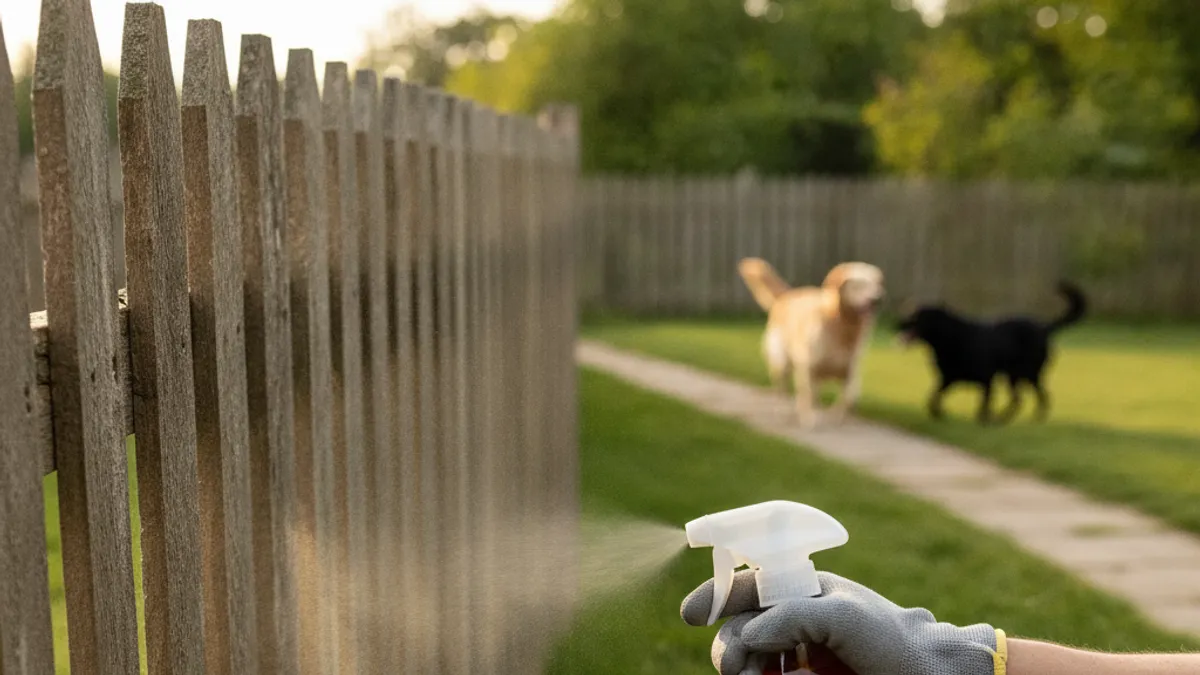
Dogs are naturally curious and can develop habits that lead them to interact with fences in ways we don't appreciate. Whether it's persistent chewing, digging underneath, or even excessive barking at anything that passes by, these behaviors can degrade your fence and cause headaches. Sprays are often the first line of defense because they present an invisible, scent-based barrier that a dog dislikes, making the fence post or rail unappealing to interact with.
Choosing the right spray means understanding what makes dogs react negatively without causing them harm. Our research indicates that a dog's sense of smell is incredibly sensitive, making scent-based deterrents a highly effective tool when applied correctly. The key is finding a product or recipe that your dog finds unpleasant enough to avoid, but that doesn't pose a risk to their health or the integrity of your fence.
Why Do Dogs Target Fences? Understanding the "Why"
Before we dive into spray solutions, it's helpful to grasp why a dog might be drawn to your fence in the first place. Dogs often chew or paw at fences due to boredom, anxiety, or simply a lack of appropriate outlets for their energy. If a dog is left alone for long periods, especially in the yard, they might start to view the fence as a chew toy.
Separation anxiety can also lead to destructive behaviors like fence chewing. The stress of being alone can manifest as chewing, digging, or excessive barking directed at the fence. Some dogs might also exhibit territorial behavior, seeing the fence as a boundary they need to defend or test. Understanding these underlying causes is crucial for choosing the most effective deterrent strategy.
Natural Sprays That Deter Dogs From Fences
Nature provides a wealth of scents that dogs find unpleasant. These are often the safest and most cost-effective options for deterring dogs from your fence. Our research analysed several common natural ingredients that pet owners successfully use.
Bitter Apple Sprays: A Common Choice
Bitter apple spray is one of the most widely recommended and accessible deterrents. Its primary ingredient is a bitter extract from apples, designed to taste and smell extremely unpleasant to dogs without being toxic. Manufacturer specifications for popular bitter apple sprays often highlight their non-toxic formulas, designed for safe application on various surfaces, including wood and vinyl fences.
Many verified buyer feedback reports mention that simply a few sprays on fence posts or rails are enough to deter persistent chewers. However, consistency is key. Like many sprays, it can wash away in heavy rain, so reapplication is typically needed every few days or after wet weather. If your dog is a serious chewer, this is often the go-to starting point.
Vinegar-Based Solutions: Simple & Effective?
White vinegar and apple cider vinegar are pantry staples that many people turn to for a DIY dog repellent. The strong, pungent smell of vinegar is something most dogs actively dislike. To use it, you can dilute vinegar with water, a common ratio cited in online forums is 1:1, but some suggest starting with a milder dilution like 1:3 (vinegar to water) to avoid potential staining on certain fence materials.
The main drawback is its effectiveness duration. Vinegar's scent evaporates relatively quickly, especially in warm or windy conditions, meaning frequent reapplication is often necessary. While generally safe, the acidity of vinegar could potentially degrade certain fence finishes over time if used undiluted or too frequently, though this is less of a concern with typical outdoor wood or vinyl.
Citrus Power: Using Natural Scents
Dogs generally dislike the strong smell of citrus fruits like lemons, oranges, and grapefruits. You can create a simple citrus repellent by boiling citrus peels in water, letting it steep overnight, and then straining the liquid into a spray bottle. Some recipes even suggest adding a few drops of citrus essential oil, but extreme caution is advised here.
Many essential oils, including some citrus oils, can be toxic to dogs in concentrated forms or if ingested. Always ensure any DIY spray is highly diluted, and never allow your dog to lick the treated areas. Manufacturer guidance for pet-safe citrus-based commercial sprays emphasizes their use of highly diluted, specifically formulated essential oils to minimize risk.
Commercial Dog Deterrent Sprays: What to Look For
When opting for a commercial spray, you're looking for products specifically designed for pet deterrence. These are formulated with safety and effectiveness as top priorities. These sprays often contain a blend of naturally derived bittering agents and specific scents that dogs find offensive.
When shopping, look for labels that clearly state "pet-safe," "non-toxic," and "dog deterrent." Check the ingredients list for familiar names like bitter apple extract, citrus oils, or natural bittering agents. It's also worth noting the recommended application surfaces, some sprays are ideal for wood, while others might be better suited for vinyl or metal fences. The inclusion of UV inhibitors in some commercial sprays can also help them last longer on outdoor surfaces.
DIY Dog Repellent Recipes: Mixing Your Own
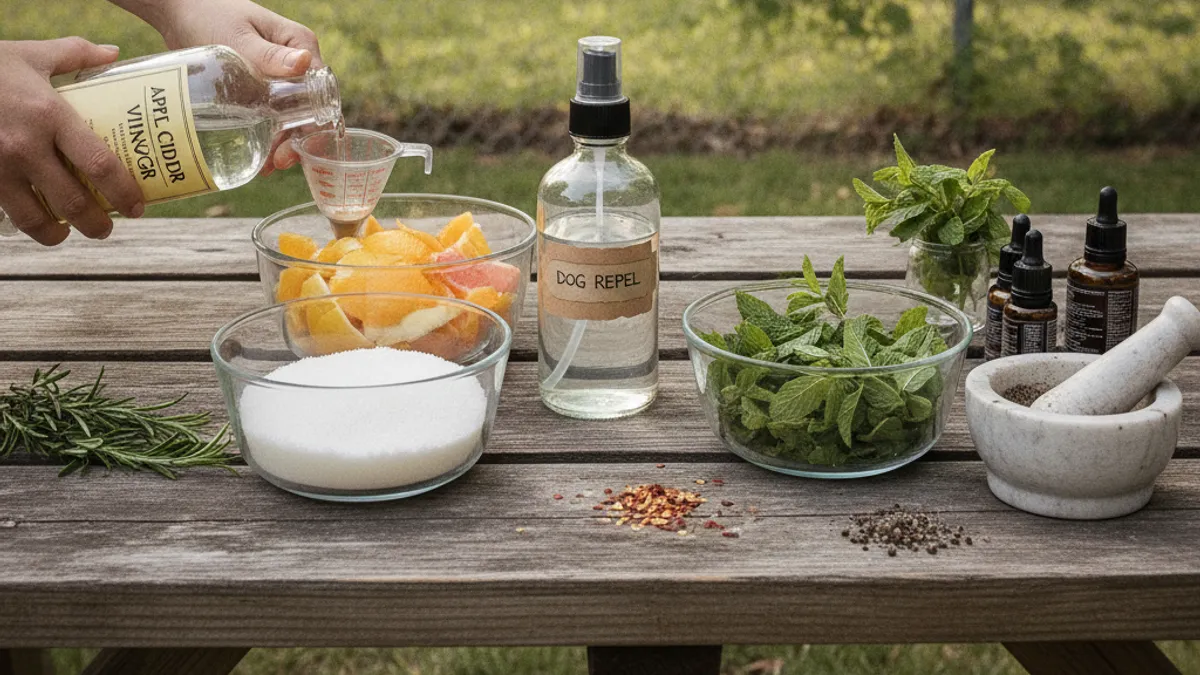
Making your own dog repellent spray can be a rewarding and cost-effective approach. It allows you to control the ingredients and tailor the scent to your dog's particular dislikes, assuming you know what they find unappealing. Most DIY recipes rely on common household items.
The Basic Formula: Key Ingredients
The foundation of many DIY dog repellent sprays involves combining a strong-smelling, dog-repellent liquid with water. Common bases include white vinegar, apple cider vinegar, lemon juice, or a combination of citrus peels steeped in water. Some recipes might also add a bit of isopropyl alcohol (rubbing alcohol) to help the spray adhere better and dry faster, but this should be used very sparingly and with good ventilation.
A good starting point for a general-purpose spray is a 1:1 ratio of white vinegar to water. You can then adjust this concentration based on your dog's reaction and the effectiveness of the initial application. Always test any new DIY mixture on a small, inconspicuous area of your fence first to ensure it doesn't cause discoloration or damage.
The Basic Formula: Key Ingredients
The foundation of many DIY dog repellent sprays involves combining a strong-smelling, dog-repellent liquid with water. Common bases include white vinegar, apple cider vinegar, lemon juice, or a combination of citrus peels steeped in water. Some recipes might also add a bit of isopropyl alcohol (rubbing alcohol) to help the spray adhere better and dry faster, but this should be used very sparingly and with good ventilation.
A good starting point for a general-purpose spray is a 1:1 ratio of white vinegar to water. You can then adjust this concentration based on your dog's reaction and the effectiveness of the initial application. Always test any new DIY mixture on a small, inconspicuous area of your fence first to ensure it doesn't cause discoloration or damage.
Customizing Your Own Spray
Beyond simple vinegar and citrus, you can experiment with other less offensive scents. Some people have success with a few drops of peppermint oil mixed into a water base, as dogs often dislike its strong aroma. Another common addition is cayenne pepper or chili powder, mixed with water and a little dish soap to help it emulsify.
However, use cayenne pepper with extreme caution. While it can be effective, it can also cause significant irritation to a dog's eyes, nose, and mouth if they lick it directly or it gets into their airways. For this reason, many experts recommend avoiding cayenne pepper altogether, especially if you have very young puppies or sensitive dogs. Always prioritize safety and less irritating alternatives.
How to Apply Sprays for Maximum Fence Protection
Simply spraying a deterrent on your fence isn't always enough. Proper application techniques ensure the spray actually deters your dog and lasts as long as possible. Our research indicates that consistent application and targeting the right spots are crucial for success.
Prepping the Fence Area
Before you start spraying, take a moment to clean the areas your dog targets. Remove any loose dirt, debris, or saliva residue. This not only ensures better adhesion for the spray but also removes any lingering scent markers that might still attract your dog.
For wood fences undergoing treatment, ensure the surface is dry. If you're using a DIY spray, it's wise to apply it to a small, hidden section first. This is especially true for painted or stained fences, as some ingredients, like vinegar, can potentially affect the finish with prolonged exposure or high concentration.
Application Techniques
When applying, aim to cover the specific areas your dog interacts with most. This might be the bottom few feet of the fence, specific posts they chew on, or even the top rail if they're a jumper or leaner. Use a spray bottle with an adjustable nozzle so you can control the spray pattern, from a fine mist to a more targeted stream.
For commercial sprays, follow the manufacturer's instructions precisely. They'll typically advise on the optimal spray distance and coverage. For DIY mixtures, a generous, even coating is usually best. Aim for consistent coverage rather than drenching one spot.
When and How Often to Reapply
The frequency of reapplication depends heavily on the type of spray used and environmental factors. Natural sprays, especially vinegar-based ones, will fade faster than commercial products designed for outdoor durability. Rain is the biggest enemy of any fence spray, as it will wash away the deterrent scent.
Our analysis of user feedback suggests that natural sprays may need reapplication every 2-3 days, or immediately after rain. Commercial deterrents can last longer, often 5-7 days, but it's always best to check the specific product's claims and reapply if you notice your dog starting to show interest in the fence again. Regular inspection and a proactive reapplication schedule are key to maintaining an effective barrier.
Alternatives to Sprays for Fence Deterrence
While sprays are a popular and often effective solution, they aren't the only option for deterring dogs from your fence. Sometimes, a multi-pronged approach is best, combining sprays with other methods to create a more robust barrier. These alternatives can be particularly useful for persistent diggers or dogs that aren't deterred by scent alone.
Physical Barriers for Extra Defense
If your dog is a digger, simply spraying the fence might not stop them. In these cases, reinforcing the base of the fence is essential. You can bury chicken wire or hardware cloth a few inches below the ground, extending it outwards from the fence line. This creates an underground barrier that discourages digging.
Another physical deterrent is creating an unattractive texture at the base of the fence. You could place large, smooth rocks or decorative landscaping stones along the fence line. Some people also use landscape edging or concrete barriers to create a solid, uninviting base that's difficult to dig under or chew through. These solutions offer a more permanent fix for digging issues.
Ultrasonic Devices and Training
Ultrasonic devices emit high-frequency sounds that are unpleasant for dogs to hear but are typically inaudible to humans. These devices can be placed strategically near fence lines to deter dogs from approaching. While some users report success, effectiveness can vary depending on the dog's sensitivity and the device's range.
Crucially, training and positive reinforcement remain vital. If a dog is chewing or digging due to boredom or anxiety, addressing the root cause through increased exercise, mental stimulation, or professional behaviorist help is essential. Combine training with deterrent sprays for the most effective and well-rounded strategy to protect your fence.
What NOT to Spray on Your Fence: Common Mistakes to Avoid
When you're trying to solve a dog-related fence problem, it's easy to grab the first thing you think of. However, some common household items or even incorrectly used pet products can be ineffective, harmful, or even damaging to your fence. Avoiding these mistakes ensures you protect your pet, your property, and your sanity.
Avoiding Harmful Chemicals
The most critical mistake is using products that can harm your dog. While many household cleaners might seem like an option, they can contain chemicals that are toxic if ingested or inhaled. Even some "all-natural" essential oils can be dangerous for dogs in higher concentrations, as noted by veterinary sources. Always confirm an ingredient's safety for pets before using it on your fence.
Furthermore, avoid anything that could damage your fence. Harsh solvents or highly acidic substances might degrade paint, stain, or even the material of your fence itself. Always opt for pet-safe formulations or recipes where the ingredients are known to be gentle on fence materials.
When a Scent Becomes Too Familiar
Another common pitfall is the expectation that a single application will solve the problem forever. Dogs, especially intelligent and persistent ones, can sometimes become accustomed to a particular scent or taste over time. If a deterrent is applied inconsistently or when rain has washed it away, the dog might simply learn to tolerate it.
This is why regular reapplication is so important, as discussed earlier. If you notice your dog is testing the fence more often, it’s a clear signal that the deterrent may have faded or needs to be switched up. Rotating between different types of deterrents or combining a spray with a physical barrier can help prevent habituation.
Are These Sprays Safe for My Dog and My Yard?
Safety is always the top priority. Most commercial dog deterrent sprays are formulated to be non-toxic, pet-safe, and suitable for outdoor use on various fence materials. They often use food-grade bittering agents or diluted natural scents.
However, "safe" can be a relative term. Always read the label carefully, especially if you have other pets like cats or small animals, or if your dog has specific health sensitivities like allergies or respiratory issues. DIY recipes require extra diligence. For instance, while diluted vinegar is generally safe, highly concentrated citrus essential oils can cause skin irritation or more serious health problems if ingested by dogs.
If you're unsure about a specific ingredient or product's safety, it's best to consult with your veterinarian. They can offer guidance based on your dog's individual health needs and potential sensitivities. For common lawn and garden care, resources like university extension offices often provide guidelines on pet-safe practices.