You've got your seed starting trays set up, your grow lights are on a timer, and you're feeling pretty good about the season ahead. But here's the thing: not every vegetable is going to thank you for that indoor head start. The question of which vegetables shouldn't be started indoors comes down to how their root systems handle the move from a pot to the ground.
Some crops have a taproot that goes straight down, and any disturbance during transplanting can permanently stunt or deform them. Others grow so fast that starting them indoors is a waste of time and space. As of 2026, the updated USDA cold hardiness map shows that more gardeners are dealing with shifting seasons, which makes the decision to direct sow or start indoors even more critical.
Let's walk through exactly which crops belong in the ground and which can handle a nursery pot.

Image source: Bing (Web (fair-use with source credit))
Quick Answer
Root vegetables like carrots, radishes, and parsnips should never be started indoors. Fast-growing crops like peas, beans, and corn also prefer direct sowing. Their roots are too sensitive for transplanting.
The move damages the taproot or causes shock that reduces yield. Always check the root type and maturity speed before deciding.
Problem: Why Your Indoor Seed Starters Are Failing (And It's Not Your Fault)
You've probably seen it happen. You start carrots indoors, carefully transplant them, and weeks later you pull up a twisted, forked, three-inch mess instead of a straight, beautiful carrot. It's not beginner's luck.
It's biology.
The issue is that certain vegetables have evolved to germinate right where they'll grow. Their root systems are designed to push straight down into undisturbed soil. When you start them in a tray or a small pot, the root hits the bottom of the container, curls around, and starts circling.
That damage is permanent. Even if you're careful during transplanting, those roots will never fully recover.
The research from university extension services is clear on this. Crops with a single dominant taproot are the most susceptible. But there are also vegetables that just grow too fast to justify the indoor setup.
By the time you've hardened them off and transplanted them, a direct-sown seed would have caught up or even passed them. If you're working with limited indoor space, every tray you waste on a crop that doesn't need it is a tray you could have used for something that actually benefits from the head start. That's a big consideration when you're looking at the performance of cheap grow tent kits and trying to maximize your limited space.
Core Explanation: Why Some Vegetables Absolutely Refuse to Be Moved
To understand which vegetables shouldn't be started indoors, you need to look at three specific traits. Each one is a dealbreaker for indoor starting.
The Taproot Problem: Crops That Need to Dig Deep
A taproot is a single, thick root that grows straight down. Think of a carrot or a parsnip. That root is the entire harvest.
If it gets damaged, you get a forked, stunted, or misshapen vegetable.
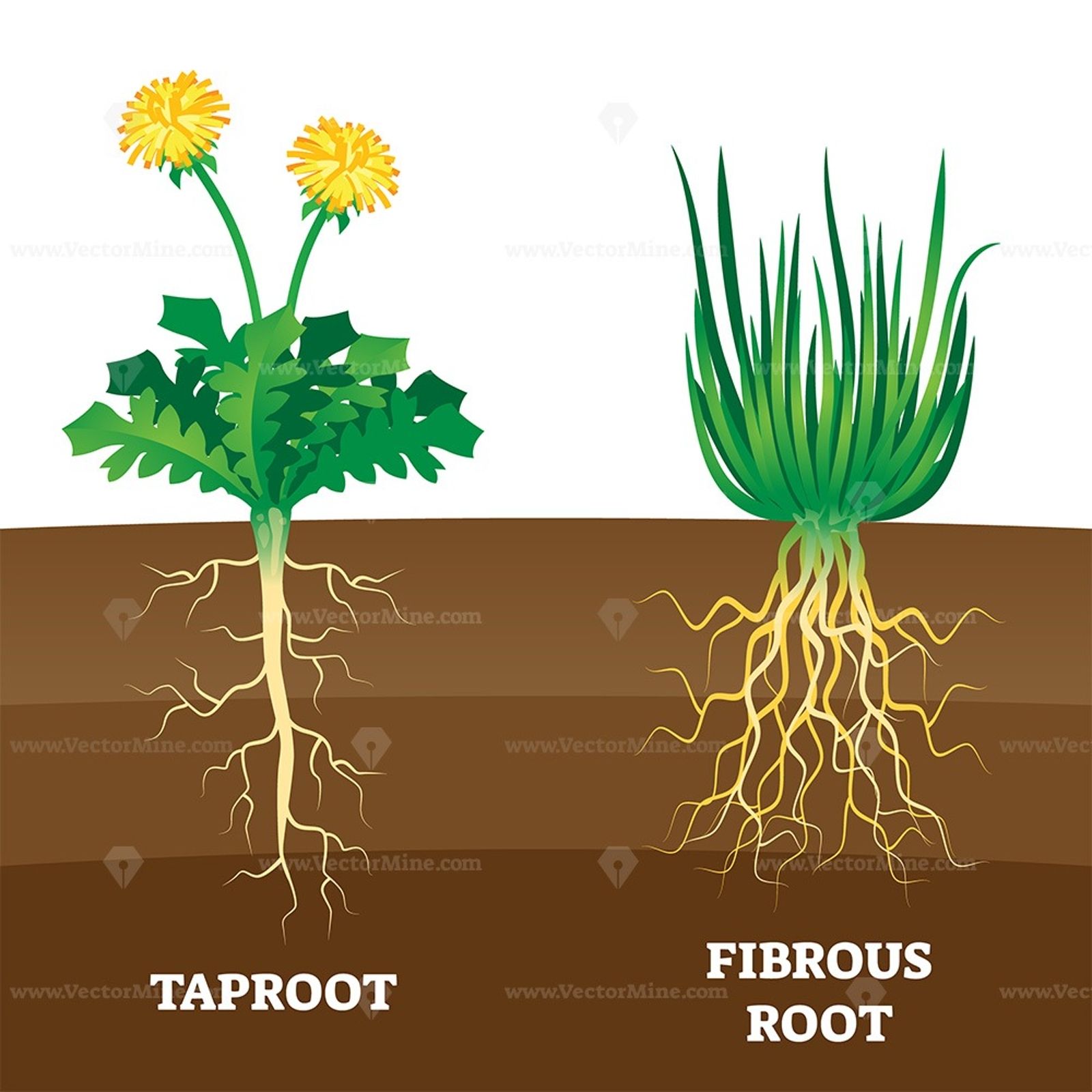
Image source: Bing (Web (fair-use with source credit))
When you start these crops indoors, the taproot hits the bottom of the container within a week or two. It starts circling. Even if you pot up to a larger container, the damage is done.
The root has already been trained to grow in a circle. Transplanting just adds more stress.
University of Minnesota Extension research shows that root crops like carrots and parsnips have a 90% or higher failure rate when transplanted compared to direct sowing. The yield difference is dramatic. You might get a few edible carrots from a transplant, but they'll be crooked, hairy, and tough.
The Speed Factor: Fast-Growing Crops That Outpace Indoor Setup
Some vegetables grow so quickly that the indoor head start isn't worth the effort. Radishes, for example, go from seed to harvest in 25 to 30 days. By the time you've started them indoors, hardened them off, and transplanted them, you could have direct-sown three successive crops.
Peas and beans are another example. They germinate in soil temperatures as low as 45 to 50 degrees Fahrenheit. They don't need warmth.
They don't need a head start. They just need to be put in the ground at the right time. Starting them indoors creates a transplant shock that slows them down for a week or two, completely negating any advantage.
Corn is a special case. It has a fibrous root system, so it handles transplanting better than taproot crops. But corn grows fast and tall.
Starting it indoors means you need deep containers and strong light. The stem gets leggy easily. And corn is wind-pollinated, so you need a block of plants, not a few sad transplants.
Direct sowing is almost always the better choice.
The Sensitivity Issue: Transplant Shock That Kills Yield
Some crops are just sensitive. They don't like their roots touched. They don't like being moved.
They don't like the temperature swing from indoors to outdoors.
Squash, cucumbers, and melons fall into this category. They have a shallow, spreading root system that is surprisingly fragile. Even a gentle transplant can cause the plant to wilt and stall for a week or more.
In a short growing season, that lost week can mean the difference between a harvest and a frost-killed plant.
The decision to start these indoors comes down to your specific climate. In northern zones with a short frost-free period, the risk might be worth it. In warmer zones, direct sowing is clearly better.
The key is to use large, deep containers and handle the roots as little as possible. If you're working with a right-sized indoor setup, you can sometimes make it work. But for most gardeners, direct sowing is the safer bet.
The Decision Tree: 3 Questions to Ask Before You Start Any Seed Indoors
Before you put any seed in a tray, ask yourself these three questions. They will tell you whether to start indoors or direct sow.
Image source: Bing (Web (fair-use with source credit))
Question 1: Does It Grow a Taproot?
If the answer is yes, stop. Direct sow it. Carrots, parsnips, radishes, turnips, beets, and salsify all have taproots.
They will not thank you for indoor starting. The only exception is if you are using soil blocks or very deep containers and you plan to transplant with zero root disturbance. But even then, the results are usually worse than direct sowing.
Question 2: How Fast Does It Mature?
Check the days to maturity on the seed packet. If it's under 60 days, think twice about starting indoors. Radishes at 25 days, peas at 55 days, bush beans at 50 days.
These crops are fast enough that the indoor head start is wasted. The transplant shock alone will eat up any time advantage.
Question 3: How Low Can It Go? (Temperature Tolerance)
Check the optimal soil temperature for germination. If the crop germinates well in cool soil, it doesn't need indoor warmth. Peas, spinach, and lettuce all germinate in soil temperatures as low as 40 to 45 degrees Fahrenheit.
They can go straight in the ground weeks before your last frost date.
If the crop needs warm soil to germinate, like tomatoes, peppers, or eggplant, then starting indoors makes sense. The soil outside won't be warm enough until late spring. But warm-season crops that are also sensitive to transplanting, like squash and cucumbers, create a dilemma.
You have to weigh the need for warmth against the risk of transplant shock.
The USDA plant hardiness zone map is a useful tool for this. If you're in a zone with a short growing season, you might need to start warm-season crops indoors despite the risk. If you have a long season, direct sow everything that can handle it.
Vegetable-by-Vegetable Breakdown: What to Direct Sow and What to Start Indoors
Let's get specific. Here is the breakdown by crop type with clear recommendations.
| Vegetable | Root Type | Days to Maturity | Best Method | Notes |
|---|---|---|---|---|
| Carrot | Taproot | 60-80 | Direct sow | Never transplant |
| Radish | Taproot | 25-30 | Direct sow | Too fast to bother |
| Beet | Taproot | 50-70 | Direct sow | Can transplant carefully but not recommended |
| Turnip | Taproot | 40-60 | Direct sow | Same as beets |
| Parsnip | Taproot | 100-120 | Direct sow | Extremely sensitive |
| Pea | Fibrous | 55-70 | Direct sow | Germinates in cool soil |
| Bean | Fibrous | 50-70 | Direct sow | Fast and sensitive |
| Corn | Fibrous | 70-100 | Direct sow | Better in ground |
| Spinach | Taproot | 40-50 | Direct sow | Cool season, fast |
| Squash | Shallow | 60-100 | Depends | Risk in cold zones |
| Cucumber | Shallow | 55-70 | Depends | Use large containers |
| Melon | Shallow | 70-100 | Depends | High risk of shock |
| Tomato | Fibrous | 60-85 | Start indoors | Benefits from head start |
| Pepper | Fibrous | 70-90 | Start indoors | Needs warm soil |
| Eggplant | Fibrous | 70-90 | Start indoors | Needs warm soil |
Always Direct Sow: Carrots, Radishes, Beets, Turnips, Parsnips
These are the non-negotiable direct-sow crops. Every university extension service I've reviewed agrees on this. The taproot is the harvest.
If you damage it, you lose the harvest. Don't do it.
Usually Direct Sow: Peas, Beans, Corn, Spinach, Dill, Cilantro
These crops are fast, cool-tolerant, or both. They handle direct sowing well and don't get enough benefit from indoor starting to justify the effort. Spinach is a taproot crop, so it belongs in the first group, but some gardeners get away with transplanting if they use soil blocks.
I still wouldn't recommend it.
Sometimes Indoors: Squash, Cucumbers, Melons, Pumpkins (When It's Worth the Risk)
These are the tricky ones. In zones with a short growing season, you might need to start them indoors to get a harvest before frost. The key is to use large, deep containers and handle the roots very carefully.
I've seen root bound seedlings ruin a whole planting season. If you're going to try this, use at least a 4-inch pot and transplant on a cloudy day to reduce shock.

Image source: Bing (Web (fair-use with source credit))
Only Indoors If You Have To: Potatoes, Fennel, Salsify
Potatoes are grown from seed potatoes, not from seed. But if you're starting from true potato seed, it's a different story. Fennel has a deep taproot and is notoriously difficult to transplant.
Salsify is a long-season root crop that needs a long, undisturbed growing period. Direct sow these or don't bother.
If you're planning your starting setup, it's worth reviewing a grow tent setup guide to ensure you're using your indoor space wisely. Every tray of direct-sow crops you skip is space for tomatoes, peppers, and eggplants that actually need the head start.
Step-by-Step Workflow: How to Decide for Any Vegetable You're Considering
You don't need to memorize every crop. Use this five-step process to decide on any vegetable you're thinking about growing.
Step 1: Check your last frost date. Look up your average last spring frost date using the USDA hardiness zone map. This tells you when the soil starts warming up. For crops that germinate in cool soil, you can plant weeks before this date.
Step 2: Read the seed packet closely. Look at two numbers. The days to maturity and the soil temperature range for germination. If the crop matures in under 60 days and germinates below 60 degrees Fahrenheit, direct sow it.
Step 3: Measure your growing season length. Count the days between your last frost and first frost. If you have 120 days or more, you have room to direct sow warm-season crops. If you have under 100 days, you might need to start some heat-loving crops indoors despite the risk.
Step 4: Assess your indoor setup. Do you have strong grow lights, heat mats, and deep containers? If you're working with a basic windowsill setup, stick to direct sowing for anything that doesn't absolutely need the help. Your indoor space is better used for tomatoes, peppers, and eggplants.
Step 5: Make the call. If the crop has a taproot, direct sow. If it matures fast, direct sow. If it needs warm soil and has a shallow root system, consider starting indoors only if your season is short.
If you're unsure, direct sow a few seeds and start a few indoors as a backup. You'll learn which works better in your specific garden.
Common Mistakes Gardeners Make When Starting Indoors
Even experienced gardeners make these errors. Here's what to watch for.
Starting root crops in small containers. This is the most common mistake. A carrot seed in a 2-inch cell will hit the bottom in days. The taproot starts circling and forks.
Even if you transplant carefully, the damage is permanent. Use deep containers or don't start them at all.
Overestimating your indoor light setup. A sunny windowsill is not enough for most seedlings. They stretch toward the light and get leggy. Weak stems mean weak transplants.
If you're starting indoors, invest in proper grow lights positioned just a few inches above the seedlings.
Ignoring the hardening-off process. Moving seedlings directly from a warm, still indoor environment to the outdoors is a shock. They need a week or more of gradual exposure to wind, sun, and temperature changes. Skipping this step kills more transplants than any disease.
Starting too early. This is a classic trap. You get excited in February and start your tomatoes. By the time the soil is warm enough to plant, they're root bound and stressed.
Count backward from your last frost date. Most crops need only 4 to 8 weeks indoors. Starting earlier than that causes more problems than it solves.
Exceptions and Edge Cases: When the Rules Bend
The rules change depending on your situation. Here are the main exceptions.
Short-season climates. If you live in a zone with fewer than 100 frost-free days, you might need to start everything indoors. Even root crops can be started in soil blocks or deep containers if you're careful. The trade-off is a lower yield, but it beats no harvest at all.
Container gardening. If you're growing in pots, the rules are different. You can start root crops directly in their final container. That way, there's no transplanting shock.
Just sow the seeds where they'll grow. This works well for radishes, carrots, and beets in deep pots.
Using soil blocks or deep containers. Soil blocks allow roots to air-prune instead of circling. They don't hit a hard wall and start spiraling. If you're determined to start taproot crops indoors, use soil blocks or at least 6-inch deep pots.
The results still won't match direct sowing, but they'll be better than standard trays.
Purchasing transplants from a nursery. Store-bought transplants of root crops are rare for a reason. They're hard to grow and prone to failure. If you see carrot or parsnip transplants at a garden center, be skeptical.
They rarely perform well. Stick to direct sowing or buying seeds.
Pro Tips: How to Direct Sow Like an Experienced Gardener
Direct sowing is simple, but there are tricks that make a big difference.
Check your soil temperature. A soil thermometer is the most underrated tool in gardening. Insert it 2 inches deep in the morning. Wait for the temperature to be in the optimal range for your crop.
Carrots germinate best at 60 to 70 degrees Fahrenheit. Peas are happy at 45 to 65 degrees. Guessing is a waste of seeds.
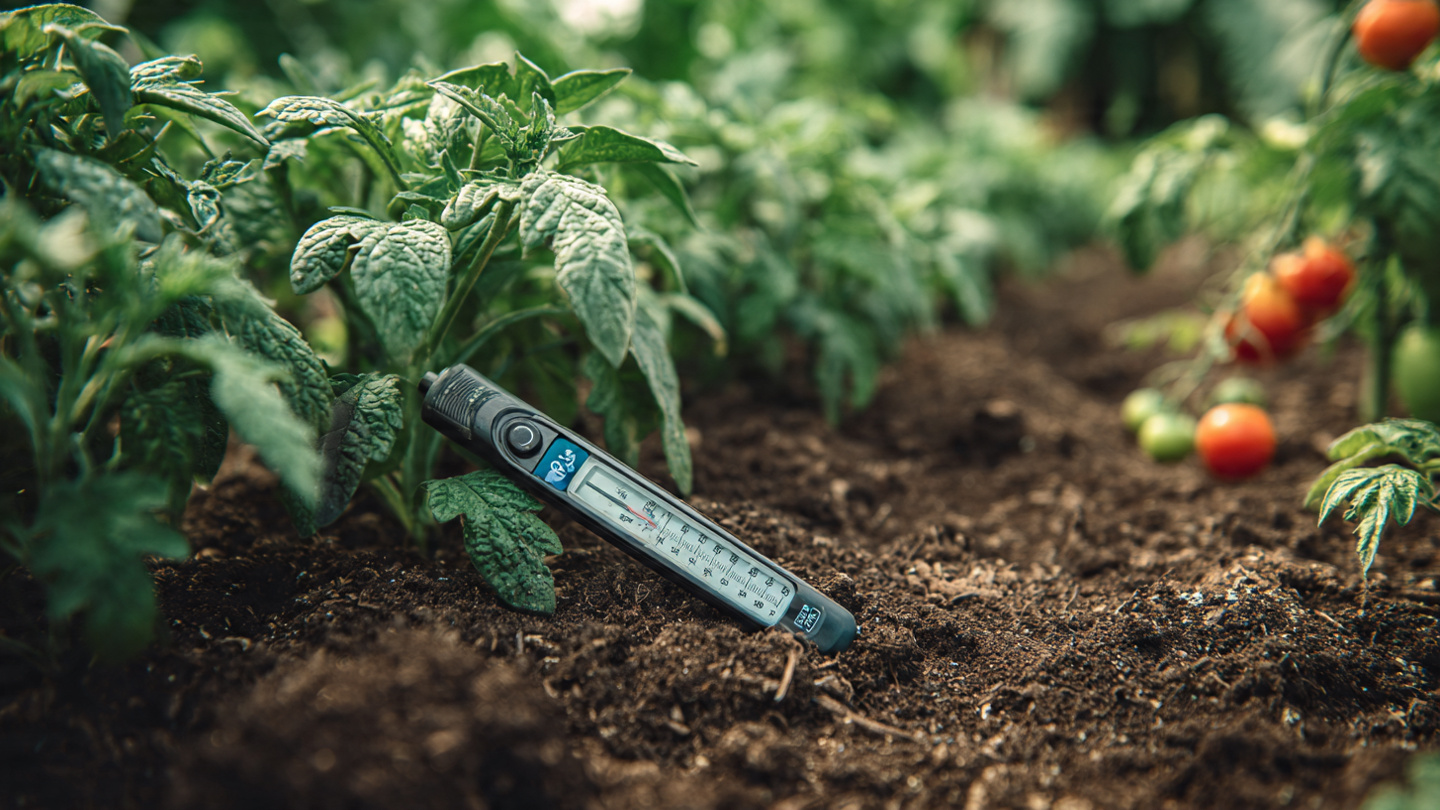
Image source: Bing (Web (fair-use with source credit))
Use succession planting. Don't plant all your seeds at once. Stagger your sowing every two to three weeks. This gives you a continuous harvest instead of a glut followed by nothing.
Radishes, beans, and peas are perfect for this approach.
Thin your seedlings. This is the hardest step for new gardeners. You sow a few seeds, they all germinate, and you don't want to pull any out. But overcrowding stunts every plant.
Thin carrots to 2 inches apart. Thin beets to 4 inches apart. It feels wasteful, but the remaining plants will grow much better.
Water consistently. Direct-sown seeds need consistent moisture to germinate. The top inch of soil should stay damp. If it dries out, the seed dies.
A light misting once or twice a day works well. Once the seedlings are established, you can water less frequently.
Protect from pests. Birds and squirrels love fresh seeds. Use row covers or netting until the seedlings are a few inches tall. If you're dealing with cutworms, place a collar around each seedling.
A simple cardboard tube works well.
Frequently Asked Questions
Can I start carrots indoors if I use deep containers?
You can try, but the results are usually worse than direct sowing. Even in deep containers, the taproot can hit the bottom and fork. If you have a short season and want to try, use soil blocks or 8-inch deep pots.
Expect a lower yield and more misshapen carrots.
What about starting squash indoors in cold climates?
Yes, this is one case where starting indoors makes sense. Use 4-inch pots and handle the roots carefully. Transplant on a cloudy day to reduce shock.
Even then, direct-sown squash often catches up within a few weeks.
Should I start cucumbers indoors or direct sow?
Cucumbers are sensitive to transplant shock. In warm climates, direct sow them after the soil reaches 70 degrees Fahrenheit. In cool climates, start them indoors in large pots and transplant carefully.
They need warmth more than they need to be undisturbed.
Can I transplant store-bought seedlings of these crops?
Store-bought transplants of taproot crops are rare and usually poor quality. If you find carrot or beet transplants, plant them in deep soil and water well. They'll likely produce smaller, forked roots.
You're better off buying seeds and direct sowing.
Do I need to harden off direct-sown seeds?
No. Direct-sown seeds are born outside. They never experience the cushy indoor environment.
That's one of the main advantages of direct sowing. No hardening off, no transplant shock, no gradual acclimation. They just grow where they are.
What's the best soil temperature for direct sowing?
It depends on the crop. Cool-season crops like peas and spinach germinate at 45 to 65 degrees Fahrenheit. Warm-season crops like beans and corn need 60 to 85 degrees.
Use a soil thermometer to check. The seed packet usually lists the optimal range.
Final Decision Guide: Your Cheat Sheet for Every Vegetable
Here is a quick reference table. Use it when you're planning your garden and need an instant answer.
| Vegetable | Start Indoors? | Why |
|---|---|---|
| Carrot | No | Taproot damages easily |
| Radish | No | Too fast to need it |
| Beet | No | Taproot sensitive |
| Turnip | No | Taproot sensitive |
| Parsnip | No | Extremely sensitive |
| Pea | No | Cool soil germinator |
| Bean | No | Fast and sensitive |
| Corn | No | Better in ground |
| Spinach | No | Taproot, cool season |
| Squash | Maybe | Only in short seasons |
| Cucumber | Maybe | Only in short seasons |
| Melon | Maybe | High risk of shock |
| Tomato | Yes | Needs warm soil |
| Pepper | Yes | Needs warm soil |
| Eggplant | Yes | Needs warm soil |
When in doubt, direct sow. If you're unsure about a crop, put the seed in the ground. The exceptions are warm-season crops that need a long growing season. Everything else will do better with a direct start.