
So, you've got a beautiful mango, all ripe and ready to dive into, but then you notice… white spots. Totally understandable to wonder what that's all about and if your mango is still good to eat. Don't worry, it's a common question, and usually, it's not a big deal at all.
Let's break down what those little white specks might be, and how you can be pretty sure your mango is still delicious.
Quick Answer
White spots on mangoes are typically harmless latex residue from the tree or sugar crystallization indicating ripeness. If the spots are dry and do not accompany mushiness, foul odor, or mold, the mango is safe to eat. Always check for additional signs of spoilage before consuming.
Is It Rot or Just Ripeness?
Most of the time, those white spots aren't a sign of spoilage. They're usually related to how the mango was grown or how it's ripening. In our research, we've found that consumers often mistake these marks for rot, leading to perfectly good fruit being discarded.
This article will help you differentiate the harmless cosmetic marks from genuine signs of spoilage, ensuring you don't miss out on enjoying a ripe mango.
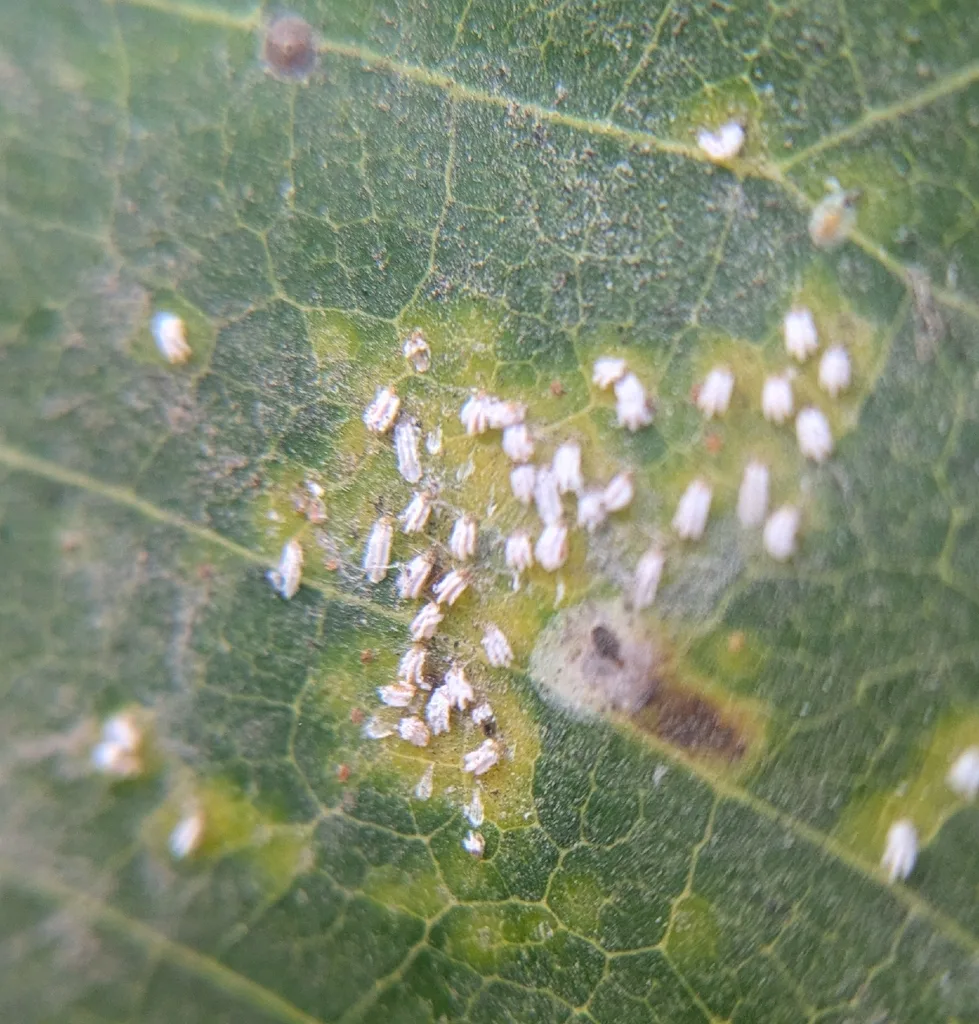
Common Culprits for White Spots on Mangoes
Understanding the source of these spots is key to knowing if your mango is still good. Fortunately, the most frequent reasons are natural and non-threatening.
Latex Residue on Mangoes
This is probably the most frequent reason you'll see white spots. Mango trees produce latex, a milky sap, especially around the stem area. Sometimes, during harvesting or packing, a bit of this latex can drip onto the mango's skin.
As it dries, it leaves behind those chalky white marks. It's totally harmless and doesn't affect the fruit inside. You can usually just wipe it off or peel it away with the skin.
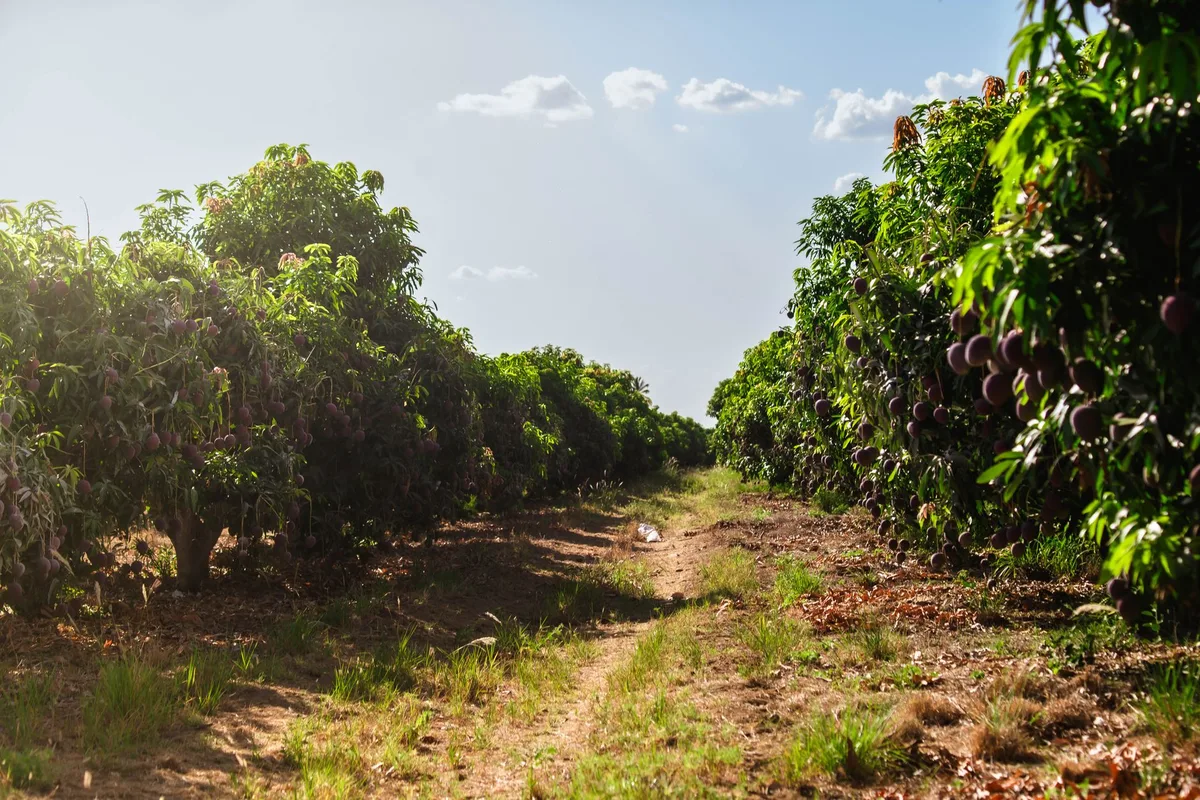
Think of it like tree sap on a peach, usually just a cosmetic thing affecting the outer layer without impacting the flesh. This dried residue can sometimes appear as a small cluster of white dots or a slight cloudy patch near where the stem was.
Sugareaciones (Sugar Spots) on Mangoes
As a mango ripens, its sugars are at their peak. Sometimes, these sugars can crystallize or show up on the skin, especially in areas where the fruit is particularly sweet. These can look like tiny white dots or a slightly cloudy patch.
Again, this is a sign of a ripe, sweet mango!
These sugar crystals are evidence of the fruit's natural sweetness developing. They are usually only superficial and can be wiped away, or they will disappear when you peel the mango.
Minor Scratches or Bumps on Mango Skin
Sometimes, during transport or handling, the mango can get tiny nicks on its skin. These might dry out and appear lighter in color, sometimes looking like white spots. If the spot is small and the skin underneath isn't bruised or soft, it's likely just superficial damage.
These areas are similar to small scuffs on other fruits. The key is to check the underlying flesh. If it's firm and shows no discoloration or softness beneath the spot, it's of no concern.
For many, this is no different than the minor cosmetic imperfections you might see on other produce, like apples or pears.
How to Tell if Your Mango is Actually Bad
Now, let's talk about when you should be concerned. While most white spots are totally fine, there are a few signs that signal the mango might have gone off. It’s crucial to differentiate between harmless marks and true indicators of spoilage to avoid consuming unsafe fruit.
This section will guide you on what to look for, focusing on sensory cues like texture and aroma, which are the most reliable indicators of a mango's health.
Red Flags: Signs Your Mango Has Spoiled
When evaluating a mango, look for a combination of these warning signs. A single white spot isn't the issue; it's when these spots are coupled with other indicators that you should be cautious.
Mushy or Soft Spots
If the white spots are on top of areas that are unusually soft, mushy, or even sunken, that's a sign of spoilage. A good mango should be firm but yield slightly to gentle pressure. This softness indicates that the fruit's internal structure is breaking down, likely due to over-ripening or bacterial action.
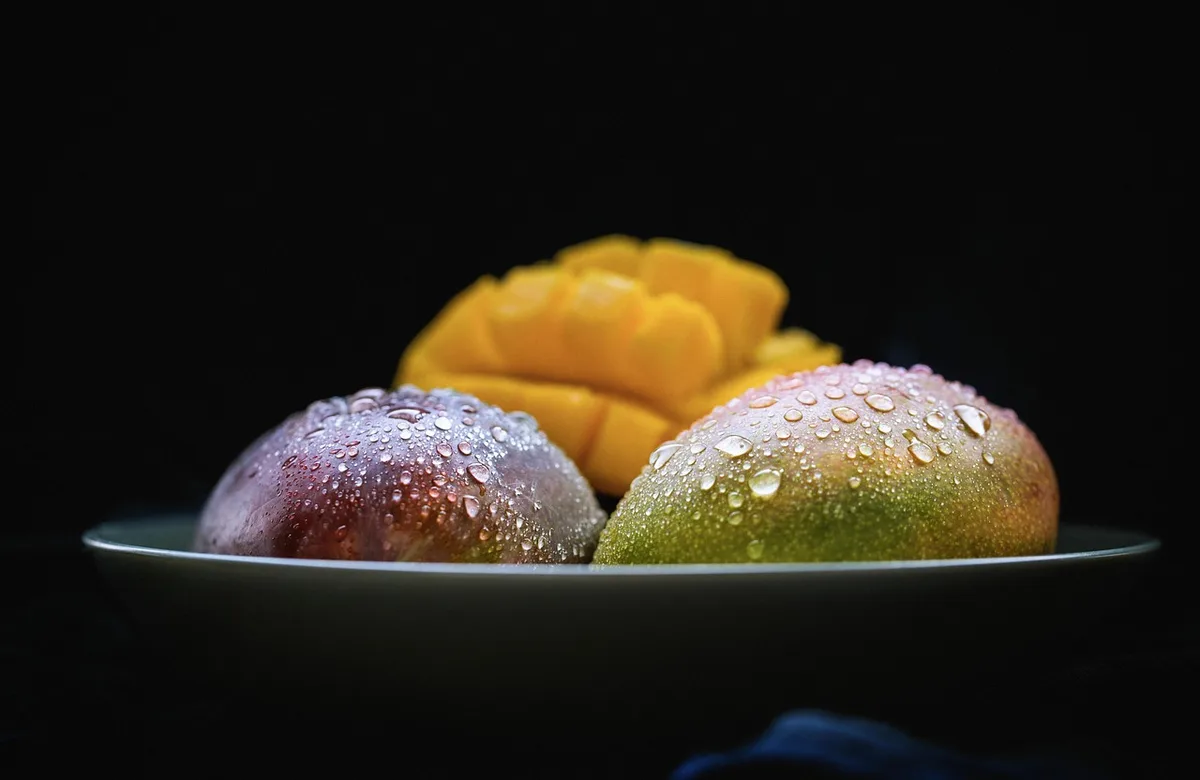
This breakdown can accelerate after about 5-7 days at room temperature, so prompt consumption is usually best for ripe fruit. If you notice a widespread mushiness, it's a clear sign to discard the mango.
Foul Odor from Mango
If your mango smells sour, alcoholic, or just plain bad, definitely toss it. A ripe mango should have a sweet, fruity aroma. An unpleasant smell, particularly a fermented or vinegary scent, suggests the sugars have begun to break down into alcohol and acids, which is a sign of fermentation and spoilage.
This sensory cue is often one of the first indications that a fruit has gone bad. Unlike cosmetic issues, a bad smell is usually a definitive indicator that the fruit is no longer good to eat.
Mold on Mango
Any fuzzy patches of mold, whether white, green, or black, mean the mango is spoiled and should not be eaten. Mold can penetrate the fruit even if it's not visible everywhere. As with other types of spoilage, mold indicates that the fruit is no longer safe for consumption and could harbor harmful bacteria.
Extensive Bruising on Mango
While a minor scratch is usually okay, if the skin is deeply bruised all over, it might affect the taste and texture inside. Deep bruising can lead to soft spots and can indicate damage that allows bacteria to enter the fruit more easily.
The Bottom Line
For the most part, those white spots on your mango are just a natural occurrence related to the fruit's latex or sugars. They're usually nothing to worry about and don't mean your mango is bad. Just give it a quick look for the real signs of spoilage, mushy spots, bad smells, or mold, and if it passes those tests, you're good to go!
Enjoy that sweet, delicious mango!