
So, you've got a mango, it looks mostly great, but then you spot some white spots. My first instinct is always to pause and check it out, right? It's super common to wonder if those little white bits mean your mango is heading south.
Don't worry, we've all been there, looking at our fruit and thinking, "Is this still good to eat?"
The good news is, those white spots aren't always a disaster. Sometimes, they're totally harmless, and other times, they're a clear sign to maybe skip that particular bite. The trick is knowing the difference.
In our research from various agricultural guidelines, identifying these spots early can prevent food waste and ensure you're eating fruit at its best.
Quick Answer
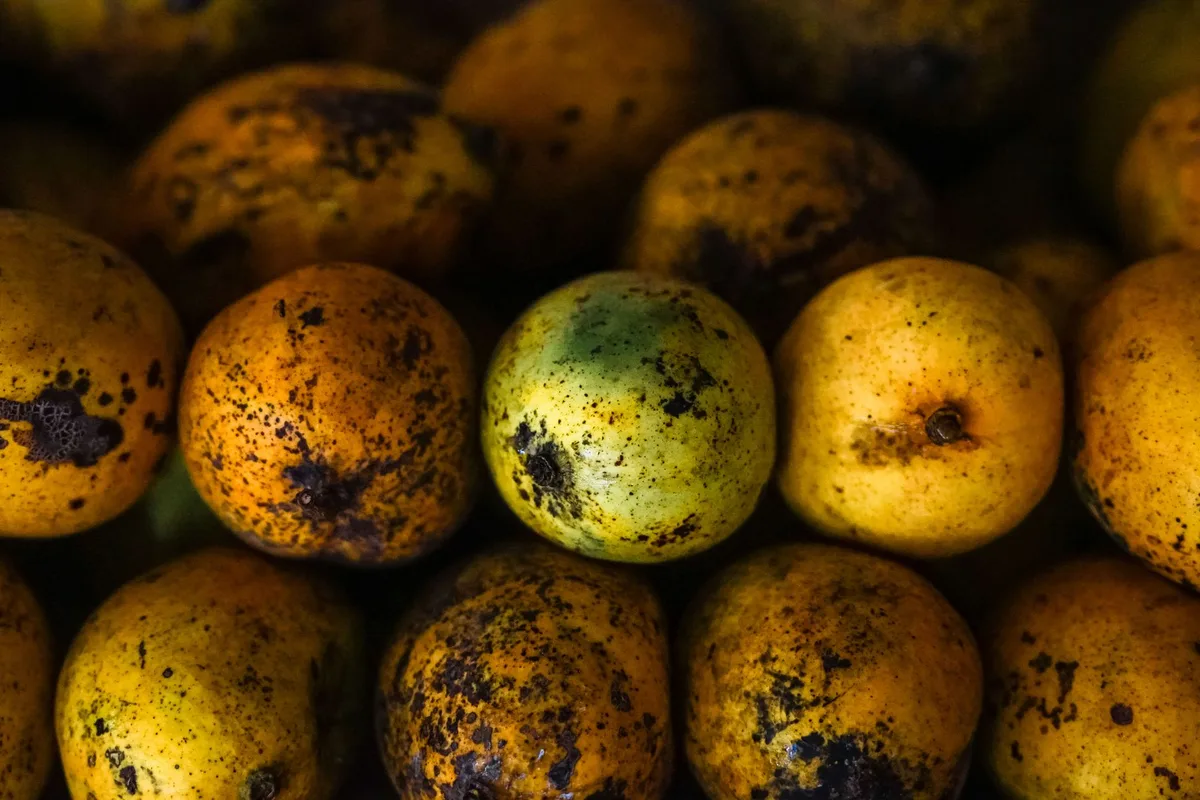
White spots on mangoes can be harmless sap burn, latex residue, or sugar crystals. They usually appear as surface marks that can be washed or peeled away. However, fuzzy white spots or those with a mushy texture can indicate mold or spoilage.
A quick visual, tactile, and olfactory check helps determine if the mango is safe to eat.
What Kind of White Spot Are We Talking About?
Mangoes can get white spots for a few reasons. They're usually related to how the mango grew, how it was handled, or what's happening on its surface. Understanding these common occurrences helps you quickly decide if your mango is good to go.
Sap Burn: The Harmless Surface Mark
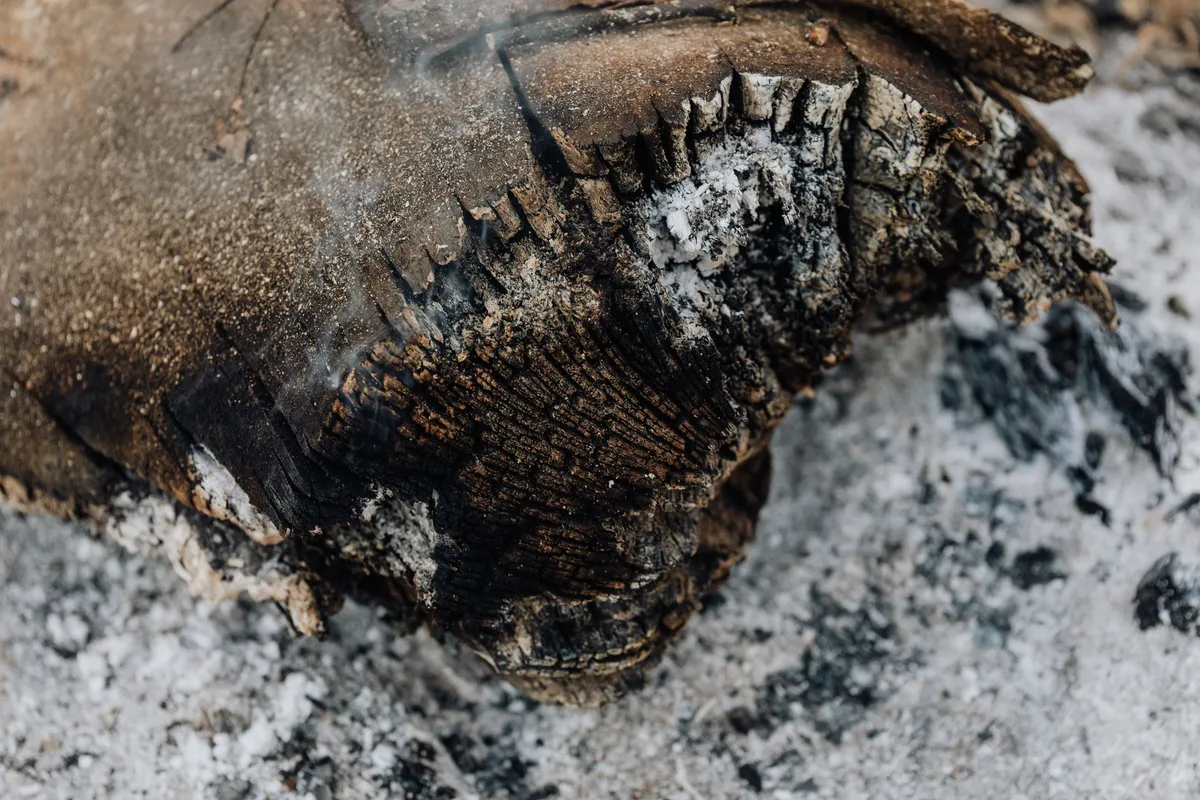
This is a big one and usually the most harmless. When a mango is picked, the stem releases a sticky liquid, kind of like sap. If this sap comes into contact with the mango's skin for too long, especially in sunlight, it can "burn" the skin, creating whitish, milky, or sometimes even slightly sticky patches.
These spots are usually on the surface and don't affect the flesh inside. You can often just wash them off or peel them away.
- What it looks like: Often irregular shapes, can be a bit sticky, usually fades as the mango ripens further.
- Is it safe? Absolutely. It's purely cosmetic.
Latex Residue: Dried-On Sap
Similar to sap burn, this is just natural latex from the mango stem that's dried on the skin. It often looks like white, chalky marks. Again, it's usually on the surface and can be wiped away or peeled.
It's a natural byproduct of the fruit's initial harvesting.
- What it looks like: Chalky or powdery white marks.
- Is it safe? Yes, no worries here.
Sugar Spots: A Sign of Sweetness
As a mango ripens, the sugars inside become more concentrated. Sometimes, these sugars can crystallize on the surface, especially near the stem end, causing small, white, slightly gritty spots. This is actually a sign of a very ripe and sweet mango!
It's a positive indicator of ripeness.
- What it looks like: Small, concentrated white grains or clusters, often around the stem.
- Is it safe? Super safe, and usually means your mango is at its sweetest peak.
When White Spots Might Signal Trouble
Now, not all white spots are good news. If your white spots look and feel a certain way, it might be time to think twice. Your senses are your best guide here.
Mold: The Telltale Fuzzy Patch
This is the big red flag. If the white spots look fuzzy, cottony, or have any greenish or blackish tinge to them, that's mold. Mold can spread into the fruit, and that's definitely not something you want to eat.
You might also notice a funky smell.
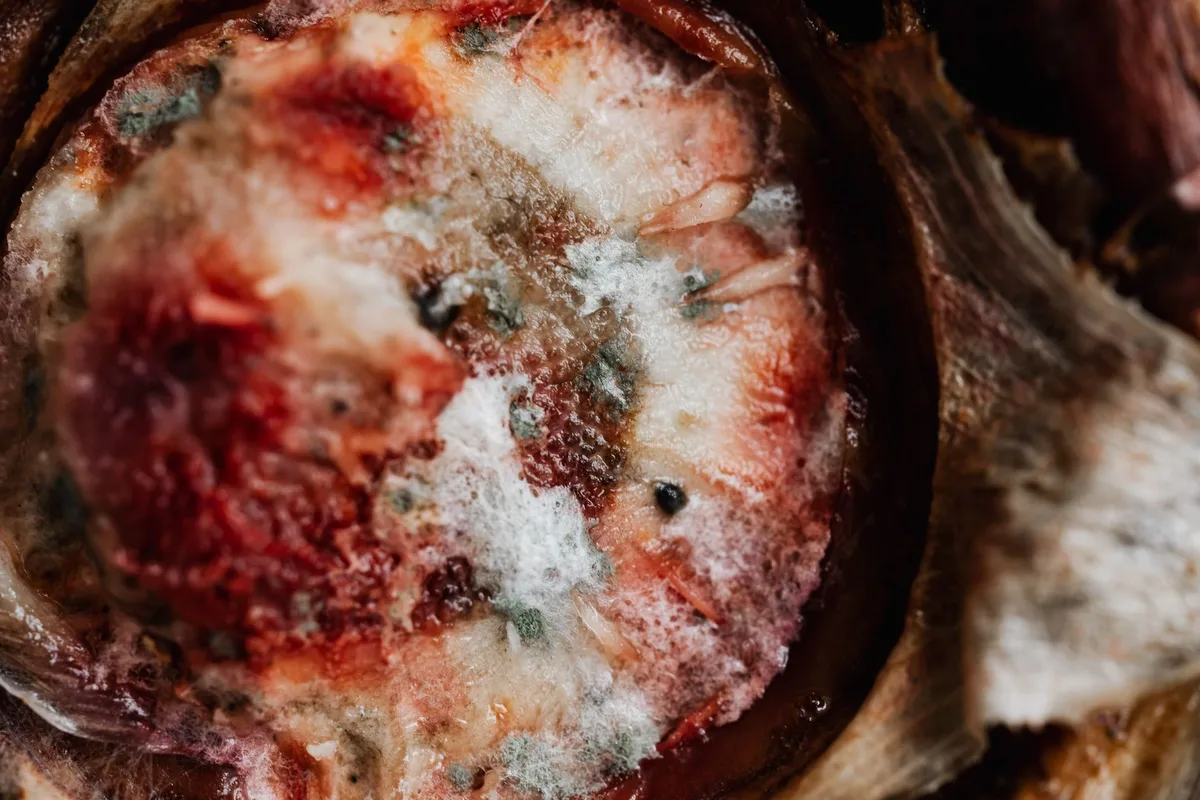
- What it looks like: Fuzzy, irregular patches; sometimes starts as a small dot and grows. Can have other colors mixed in.
- Is it safe? Nope. If you see mold, it's best to toss the whole mango, as the mold can have roots you can't see.
Unusual Softness or Mushy Spots
If those white spots feel unusually soft, mushy, or have a slightly sunken appearance, it could indicate that the fruit is starting to break down or rot underneath. This can happen after physical bruising or if it's been overripe for a while. Fruit spoilage often begins with compromising the cellular structure, making it soft.
- What it looks like: White areas that are softer than the surrounding flesh, might look bruised or damaged.
- Is it safe? Usually not. This suggests the fruit is starting to spoil.
How to Tell for Sure: A Quick Sensory Check
It's really about using your senses. When you see white spots on a mango, do this quick check. This systematic approach helps ensure you're making the best decision about your fruit.
It's a simple, yet effective, process.
The Visual Scan: What to Look For
First, take a good look. Does the white spot appear chalky and dry, or is it fuzzy and/or discolored? Fuzzy patches, especially with green or black tones, are a strong sign of mold.
If the spot looks like dried sap residue, it's likely harmless.
The Touch Test: Feeling for Spoilage
Gently press the area around the white spot. Is the mango firm and yielding, or does the spot feel unusually soft, mushy, or sunken? Soft spots, even if they appear white, can indicate rot beneath the skin.
A firm mango with surface marks is generally a good sign.
The Smell Test: Trust Your Nose
Finally, give the mango a sniff, especially near the stem end. A ripe, healthy mango should smell sweet and fragrant. If you detect a sour, fermented, or unpleasant odor, it’s a clear indication that the fruit has gone bad.
This is a critical step in confirming spoilage.