Your mint plant's leaves are showing brown patches, and you're wondering what's going on. This can happen for a variety of reasons, most of them tied to how you're caring for your herb.
In our research, we found that the most common causes for brown mint leaves why are my mint leaves turning brown tend to be related to watering, light, and soil conditions. For instance, per agricultural guidelines, consistent soil moisture readings outside the ideal range of 50-60% can stress the plant.
Quick Answer
Mint leaves turn brown primarily due to improper watering, too much or too little. Other causes include sunburn from excessive direct sunlight, poor soil quality leading to root issues, and occasionally fungal diseases or pest infestations. Addressing these core environmental factors will usually resolve the browning.
The Usual Suspects: What's Making Your Mint Turn Brown?
When your mint plant starts showing brown spots or edges on its leaves, it’s a signal that something in its environment isn't quite right. Think of it like a little distress call from your herb. We’ll break down the most frequent culprits, and by checking each one, you can pinpoint the likely cause for your specific plant.
Watering Woes: Too Much or Too Little?
Most plant problems, especially browning leaves, can be traced back to how we water. Mint does like consistent moisture, but it’s a delicate balance.
- Too Much Water (Overwatering): If the soil stays saturated for too long, the roots can't get oxygen. This leads to root rot, where the roots begin to decay and can no longer absorb water or nutrients effectively. You'll see brown, often mushy, patches or edges on the leaves. The soil will feel heavy, and you might even notice a musty odor. This commonly occurs if the pot lacks drainage holes or if a plant sits in a saucer full of water.
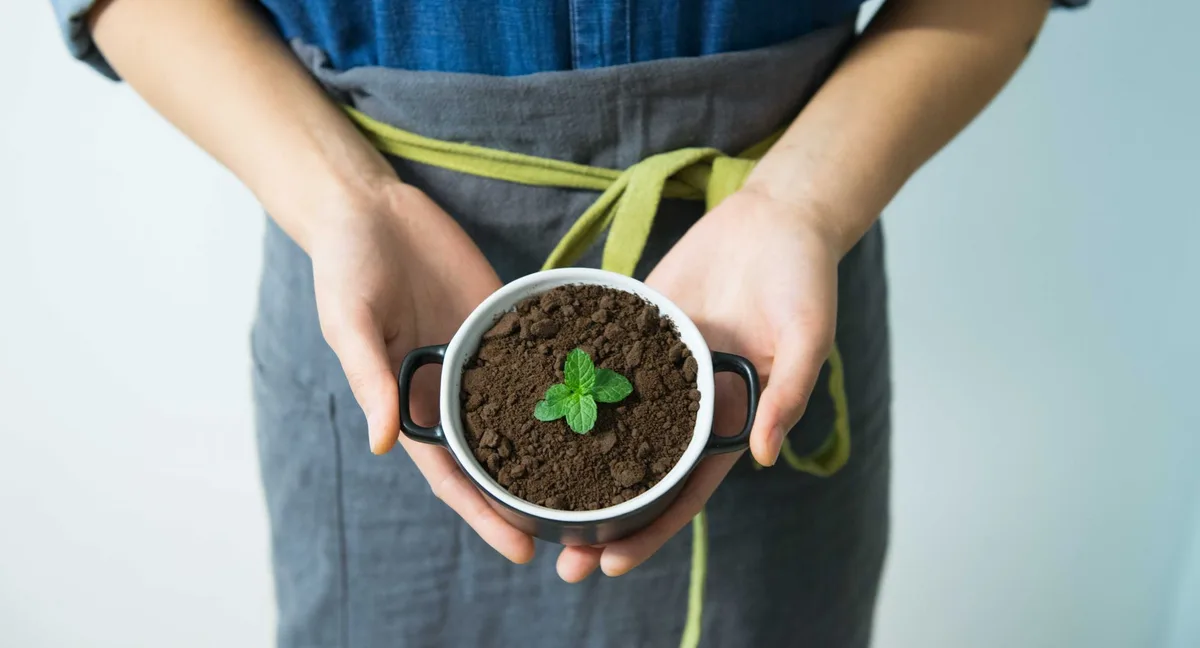
- Too Little Water (Underwatering): Conversely, letting the soil dry out completely for extended periods stresses the plant. Mint needs hydration to keep its leaves plump and green. If it's too dry, the leaves will first turn yellow, then crispy brown, especially at the tips and edges. The entire plant might start to droop. This is more likely to happen in hot weather, if the pot is too small for the plant's needs, or if the soil drains very quickly.
Sunburn: Too Much of a Good Thing?
Mint generally enjoys plenty of sunshine, about 6 to 8 hours of direct light per day is often ideal for robust growth. However, plants can get stressed from too much intense, direct sun, especially if they aren't gradually acclimated.
- Signs: You'll typically see brown, papery, or crispy patches developing on the leaf surfaces that receive the most direct sunlight. These can appear as streaks or blotches. Sometimes, the edges of the leaves will brown and curl upwards, looking scorched. This is particularly common if you move a plant from a shadier spot into full, harsh sun without letting it adjust over several days.
Nutrient Imbalance or Soil Issues
The soil is the foundation for your plant's health, providing it with the nutrients it needs to thrive. Problems with the soil itself, or a lack of essential nutrients, can manifest as browning leaves.
- Poor Soil Quality: If the potting mix is old, compacted, or doesn't offer good drainage, the roots can suffer. Compacted soil restricts air flow and makes it hard for roots to take up water, creating conditions similar to overwatering even if you're watering correctly.
- Nutrient Deficiency: While mint isn't typically a heavy feeder, if it's been in the same pot for a long time without any added nutrients, it can deplete the soil's reserves. A common sign of deficiency is yellowing that eventually leads to brown, withered leaves.
- Salt Buildup: Regularly fertilizing your mint, or using tap water with high mineral content, can lead to a buildup of salts in the soil. This can damage the roots, often called "fertilizer burn," and show up as brown tips and edges on the leaves. It impairs the plant's ability to absorb water.
Pests and Diseases
Tiny critters and microscopic pathogens can also cause damage that leads to brown leaves. It's worth a close inspection to rule these out.
- Fungal Diseases: Mint can be susceptible to certain fungal infections, like mint rust or leaf spot diseases. These often appear as small spots that can be yellow, brown, or even have a reddish hue. As the infection progresses, these spots enlarge, and the affected leaf tissue dies and turns brown. These diseases often thrive in conditions of high humidity and poor air circulation.
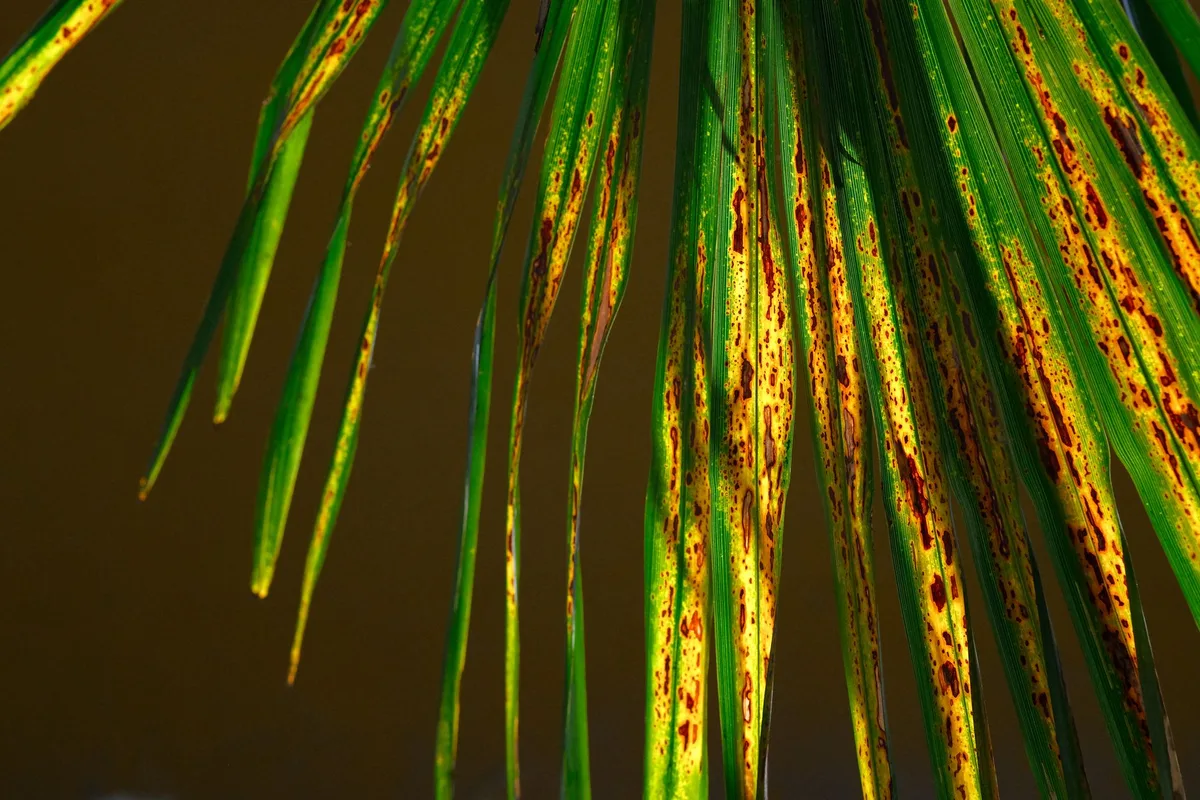
- Pests: While not always the primary cause of browning, a severe infestation from common plant pests can weaken the mint plant significantly. Pests like spider mites, though very small, can cause stippling (tiny dots) on leaves as they feed, and in large numbers, they can lead to discoloration and browning as the leaves become damaged and die off.
Natural Aging
It's important to remember that all plants have a natural life cycle. The oldest leaves on a mint plant, typically those at the very bottom of the stem, will eventually yellow and die off.
- Signs: If you're only seeing a few brown or yellow leaves clustered at the base of your plant, and the rest of the mint looks healthy with vibrant new growth, this is likely just natural senescence. The plant is shedding its oldest parts to channel energy into new development. This is a normal process and not usually a cause for alarm. However, if many leaves are turning brown rapidly, it points to one of the other issues.