
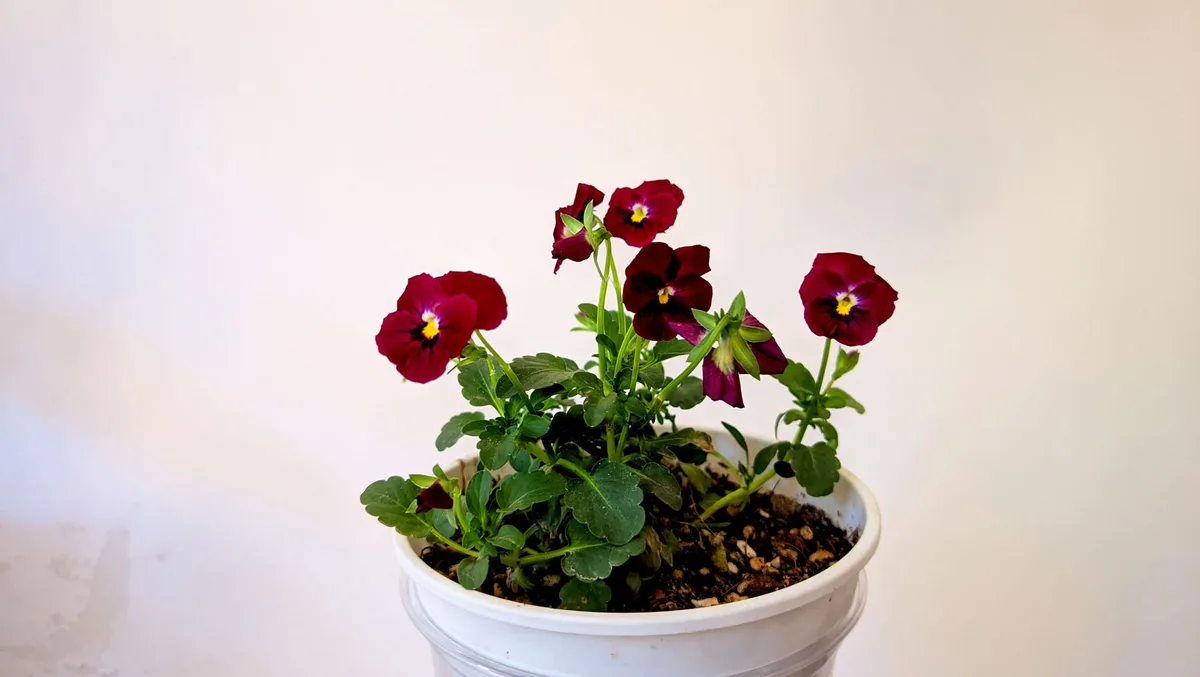
Seeing your cheerful pansies looking wilted and sad can be disheartening. Fortunately, most causes of drooping pansies are quite common and often simple to resolve with a few targeted adjustments. This guide will help you diagnose the issue and bring your plants back to their vibrant best.
As of early 2026, horticultural experts confirm that proper plant care hinges on understanding a plant's specific needs in relation to its environment. Pansies, for instance, typically require consistent moisture and prefer cooler temperatures, and departures from these conditions often manifest as drooping.
Quick Answer
Pansies droop primarily due to underwatering or overwatering. They may also wilt from excessive heat, lack of adequate sunlight, or pest infestation. Checking soil moisture and inspecting for pests are the first diagnostic steps.
- Soil too dry? Water it.
- Soil too wet? Let it dry.
- Too hot? Provide shade.
- See bugs? Treat them.
The Usual Suspects: Watering Woes
Water is the lifeblood of any plant, and for pansies, it's about finding that sweet spot between too much and too little. Getting the watering right is often the biggest factor in keeping them perky.
- Underwatering: This is by far the most common reason for drooping pansies. When the soil dries out significantly, the plant can't maintain its turgidity, meaning its internal water pressure drops. This causes the leaves and stems to lose stiffness and, well, droop. If you reach into the soil and it feels like dry sand, your plants are definitely thirsty.
- Overwatering: While it might seem counterintuitive, giving your pansies too much water can also lead to wilting and drooping. Waterlogged soil deprives the roots of oxygen, stressing them and preventing them from absorbing water efficiently. This can eventually lead to root rot, a serious fungal disease that makes the plant unable to take up water and nutrients, leading to a wilted appearance. Saturated soil can also signal issues with drainage; if your garden beds don't drain well, or pots lack drainage holes, water can sit around the roots for too long.
How to Check Soil Moisture
A simple finger test is your best friend here. Stick your index finger about 1 to 2 inches deep into the soil near the base of the plant.
- If it feels dry: It's time to water.
- If it feels wet or muddy: Hold off on watering and assess your drainage.
Sun Exposure: Are They Getting Too Much or Too Little?
Pansies generally enjoy sunlight, but their tolerance can vary, especially with extreme weather. The amount of sun they receive plays a role in their overall health and posture.
Too Much Direct Sun: While pansies need light to thrive, prolonged exposure to intense, direct sunlight, especially during the hottest parts of the day in summer, can cause them to wilt. This is often exacerbated if the soil also dries out quickly in the heat. They especially dislike having their roots baked in the sun.
Not Enough Light: If your pansies are planted in an area that receives very little to no direct sunlight, they might not have enough energy to maintain a strong upright posture. This is less likely to cause sudden wilting but can result in leggy, weak growth and fewer flowers over time.
Identifying Ideal Light Conditions
Pansies are often categorized as plants that prefer "full sun to partial shade." This means they benefit from at least 6 hours of direct sunlight per day, but can also do well with some afternoon shade in hotter climates.
Temperature Matters
Pansies are true cool-season performers. They love the crisp air of spring and fall and can even tolerate light frosts. This preference means that when temperatures climb too high, they can start to struggle.
- Heat Stress: When daytime temperatures consistently reach into the high 70s or 80s Fahrenheit (around 25-30°C) and beyond, pansies begin to experience heat stress. During these periods, they may droop as a way to conserve energy and reduce water loss. This can happen even if they are adequately watered. In warmer climates, they are often treated as annuals that perform best during the cooler months of the year and may not survive intense summer heat.
Pests and Diseases: The Unwanted Guests
Sometimes, the droopy appearance isn't about environmental factors, but rather about tiny intruders or microscopic issues affecting the plant's health from the inside out.
- Aphids or Spider Mites: These common garden pests can weaken pansies by sucking the sap from their leaves and stems. A heavy infestation means the plant is losing vital fluids faster than it can replace them, leading to wilting. You might see them as tiny green, black, or white clusters on new growth or the undersides of leaves. Spider mites also leave behind fine webbing.
- Fungal Diseases: The most significant fungal issue for pansies is root rot, often a consequence of overwatering and poor drainage. When roots are compromised, they can no longer effectively absorb water, causing the rest of the plant to wilt. Other fungal diseases can attack stems or leaves, disrupting the plant's vascular system, which is responsible for water transport. Identifying these often requires close inspection of the plant's base and leaves for any signs of rot or unusual spots or discoloration.
How to Check Soil Moisture
A simple finger test is your best friend here. Stick your index finger about 1 to 2 inches deep into the soil near the base of the plant.
- If it feels dry: It's time to water.
- If it feels wet or muddy: Hold off on watering and assess your drainage.
How to Check Soil Moisture
A simple finger test is your best friend here. Stick your index finger about 1 to 2 inches deep into the soil near the base of the plant.
- If it feels dry: It's time to water.
- If it feels wet or muddy: Hold off on watering and assess your drainage.
Checking Pot Drainage
If your pansies are in containers, ensure the pots have drainage holes. Most reputable manufacturers include these as standard. Standard pot sizes meant for flowering plants typically have ample drainage.
- Pots with drainage holes: Allow excess water to escape, preventing waterlogged soil.
- Pots without drainage holes: These are a major culprit for overwatering issues and should be avoided for plants prone to root rot. Consider using a pot with drainage or repotting into one. Links to articles about container gardening can be helpful here.
Checking Garden Bed Drainage
For pansies planted in the ground, soil drainage is crucial. If you notice puddles forming after rain that take a long time to disappear, you have poor drainage.
- Improving drainage: You can amend the soil with organic matter like compost or perlite. This can help break up heavy clay soils. For very persistent issues, consider raised beds for better water flow. If you're dealing with extensive garden issues, perhaps it's time to look into [hoes to get rid of garden weeds] and how a well-maintained garden contributes to overall health.
How to Identify Pests
Close inspection is key to catching common garden pests that can cause your pansies to droop. Look carefully at the plant's stems, leaves (especially the undersides), and new growth.
- Aphids: These small, pear-shaped insects often cluster on new growth and cause leaves to curl or yellow. They can be green, black, brown, or even pink.
- Spider Mites: These are tiny arachnids that are difficult to see with the naked eye. They thrive in dry conditions and leave behind fine webbing and stippled damage on leaves. You'll often see a general yellowing and wilting.
What to Look For
Be systematic in your search. Gently turn leaves over and look closely at stem joints. Signs like sticky residue (honeydew from aphids) or fine webbing can indicate a problem even if the pests themselves are hard to spot.
What To Do About Pests
Once you've identified pests, prompt action is necessary to prevent them from further weakening your pansies. The goal is to disrupt their life cycle and remove them from the plant.
Gentle Wash: For light infestations, a strong spray of water from a hose can dislodge many pests. You can also use a cloth dampened with soapy water to wipe them away. Ensure you get the undersides of leaves.
Insecticidal Soap: If the water spray isn't enough, insecticidal soap is a good next step. It works by breaking down the pest's outer layer, leading to dehydration. Follow product instructions carefully; typically, you'll spray affected areas thoroughly, ensuring coverage of all plant surfaces, and repeat applications may be needed every few days. This is a less toxic option than many chemical pesticides.
Neem Oil: Another effective organic option is neem oil. It disrupts insect hormones and feeding. Again, follow application instructions precisely and avoid spraying during the hottest part of the day to prevent leaf scorch.
When to Consider More Aggressive Treatment
If these methods don't control the infestation, and your pansies are severely drooping, you might need to consider a broader-spectrum insecticide. Always choose a product labeled for use on flowering plants and follow all safety precautions. For any serious garden pest issues, understanding basic garden maintenance can often prevent future outbreaks.
What To Do About Heat Stress
When temperatures soar, your pansies might just need a little help to cope. Heat stress can cause them to droop even if they have plenty of water, as the plant struggles to manage its internal temperature and water loss.
Provide Afternoon Shade: If your pansies are exposed to intense afternoon sun, try to offer them some relief. This could mean placing a temporary shade cloth, a small umbrella, or even a taller, strategically placed plant to block the harshest rays during the hottest part of the day. This is especially helpful for container-grown pansies, as their soil warms up more quickly.
Consistent Watering: Even with shade, intense heat increases water needs. Ensure the soil remains consistently moist but not waterlogged. Drip irrigation or soaker hoses can deliver water directly to the root zone, reducing evaporation. This consistent moisture management is also key for healthy lawns, so understanding [when to fertilize lawn] and proper watering can be beneficial.
Mulching: Adding a layer of mulch around the base of your pansies can help keep the soil cooler and retain moisture. Organic mulches like wood chips or straw are good options.
Recognizing Heat Stress Recovery
If heat stress is the cause, your pansies should begin to perk up within a few hours of cooler temperatures or after receiving adequate water and shade. If they remain droopy, you'll need to re-evaluate other potential causes.