
If you've ever brought home a bag of pears from the store, left them on the counter for a week, and still ended up biting into something that felt like a rock, you're not alone. The question "why are my pears so hard" is one of the most common fruit frustrations home cooks face, and it usually comes down to three simple factors: variety, harvest timing, and storage temperature.
Here's the concrete truth: pears are one of the few fruits that must be picked when they're still hard and then ripen off the tree. According to USDA Agricultural Research Service data, most European pear varieties (Bartlett, Bosc, Anjou) need at least one day of cold storage after harvest before they can even begin the ripening process. That means the rock-hard pear in your hand might be perfectly normal, or it might have been handled wrong.
Let's walk through exactly what's going on and what you can do about it.
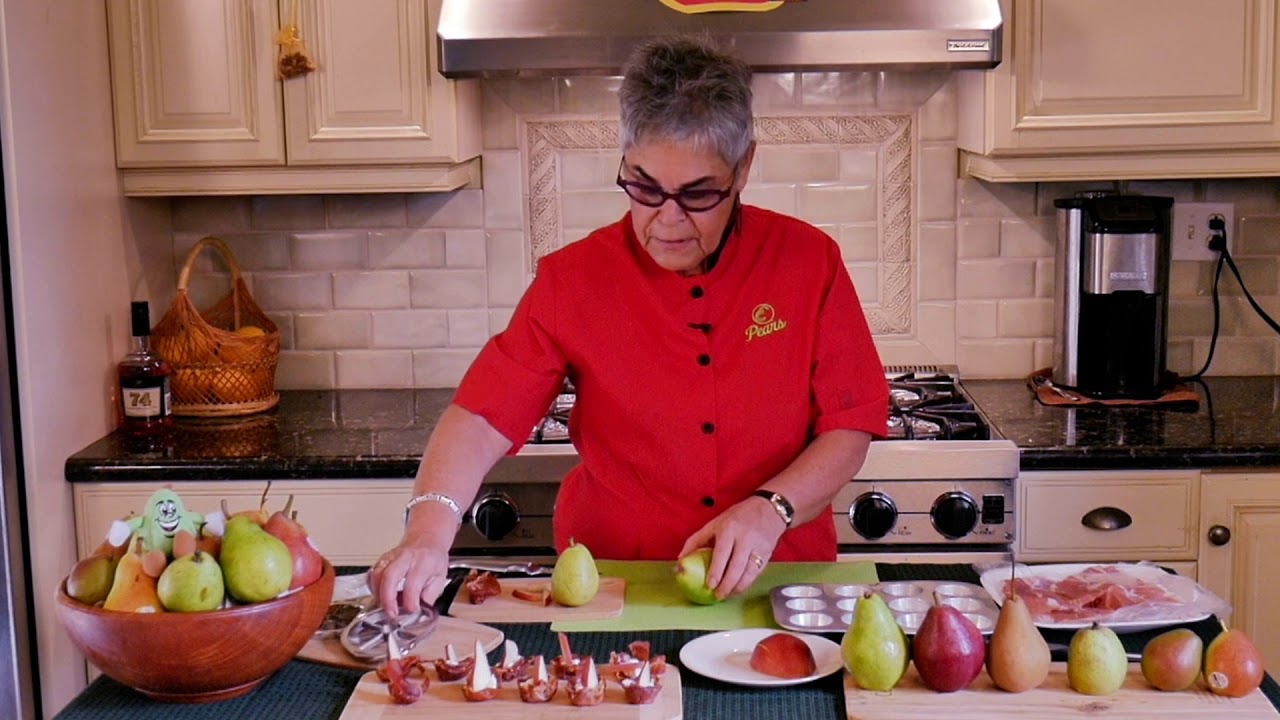
Image source: YouTube / USA Pears (YouTube thumbnail (fair-use with source credit))
Quick Answer
Pears are hard because they were picked before they were ready to ripen, or because they've been stored too cold for too long. Most pears need a period of cold storage (chilling) followed by warmth to trigger ethylene gas production. If the chilling never happened, or if they were kept in the fridge without that warm window, they stay hard.
The fix depends on the variety and the stage of ripeness.
Quick Diagnosis: The Two-Question Test
Before you do anything, answer these two questions. They'll tell you 90% of what you need to know.
First: What variety is it?
Look at the label or the shape. Bartletts are bell-shaped and turn yellow or red when ripe. Boscs have a long neck and brown russeting.
Anjous are rounder and stay green even when ripe. Asian pears look like apples and are meant to be eaten crisp, not soft.
Second: Where has it been stored since you bought it?
If your pears have been sitting in the refrigerator the whole time, they likely haven't been given the warm period they need to ripen. If they've been on the counter for a week and are still hard, they might have been picked too early or suffered cold injury.
Write down your answers. We'll use them in the decision branches below.
How Pears Actually Ripen (And Why It's Different Than Apples)
Pears are what scientists call a climacteric fruit. That means they produce a burst of ethylene gas after harvest, which triggers the starches in the flesh to convert into sugars. The fruit softens from the inside out.
That's why the neck, the area right below the stem, softens first while the rest still feels firm.
Apples do this too, but pears have a quirk. They need a period of cold before they can respond to ethylene. It's called chilling requirement.
Without at least 24 hours in cold storage (around 30, 32°F), some varieties simply won't ripen no matter how long you leave them out.
This is why grocery store pears are often hard. They were picked at the right time, shipped cold, and then put into the store's refrigerated section. But if they never got that warm "ripening window" at the distribution center, they land on your counter still in suspended animation.

Image source: YouTube / Chefs' Produce Company (YouTube thumbnail (fair-use with source credit))
Decision Branch #1: Is It a Variety That Should Stay Firm?
Not all pears are supposed to turn soft and buttery. This is the most common point of confusion.
Asian pears (also called apple pears) are meant to be eaten crisp, like an apple. They don't soften after harvest. If you have an Asian pear that's hard, that's its normal texture.
Slice it thin and enjoy.
Bosc pears are firmer than Bartletts even when fully ripe. They should yield slightly near the neck, but the rest of the fruit will stay relatively firm. If your Bosc feels like a brick, it's under-ripe.
But if it gives a little at the neck, it's ready.
Bartlett and Anjou pears need to soften significantly. A ripe Bartlett should be almost buttery. An Anjou should be tender but not mushy.
If these varieties are rock-hard, they need more time or a warm-up period.
So dig through the label or your memory. If it's an Asian pear, stop worrying. If it's a Bosc, check the neck.
If it's a Bartlett, Anjou, or Comice, you need to help it ripen.
Decision Branch #2: Was It Picked Too Early?
Pears are harvested when they're mature but not yet ripe. Maturity is measured by the starch content and firmness. But sometimes growers pick them too early, before the chilling requirement can even start.
The signs of an early-picked pear:
- It stays rock-hard on the counter for two weeks or more.
- The skin starts to shrivel or wrinkle before the flesh softens.
- When you finally force it open, the flesh is dry and mealy.
Unfortunately, there's no way to reverse this. The fruit didn't build enough starch to convert. You can try the paper bag method (we'll cover that in a minute), but after 10 days with no change, it's time to cook them.
Poach them, make pear butter, or slice them into a pie. The heat will break down the cell walls and give you a edible texture, even if it's not the same as a fresh ripe pear.
Decision Branch #3: Has It Been Chilled Too Long?
Pears that sit in the refrigerator for more than a week without ever being warmed can develop chill injury. The cold damages the cell membranes, preventing the ethylene response from working properly.
Signs of chill injury:
- The pear feels dense and hard, like a frozen tennis ball.
- The skin may develop brown spots or a slightly translucent look.
- When you finally cut it open, the flesh might be watery or brown near the core.
Chill-injured pears will never ripen to a soft, juicy state. They might soften slightly after a week on the counter, but the texture will be off, mealy or rubbery.
The fix: if you suspect chill injury, move the pears to the counter for 3, 5 days. Check the neck daily. If you see any softening, move them to a paper bag with a banana.
If after 7 days there's no change, accept the loss and cook them.

Image source: YouTube / Gam's Home (YouTube thumbnail (fair-use with source credit))
Step-by-Step: How to Ripen Hard Pears at Home
Once you've ruled out Asian pears and chill injury, you can intentionally ripen your hard pears. The process uses ethylene gas to trigger the natural conversion.
The Paper Bag Method (Fastest)
- Place the hard pears in a brown paper bag (not plastic, plastic traps moisture and causes rot).
- Add a ripe banana or an apple. These fruits emit high levels of ethylene.
- Fold the top loosely, don't seal it. You want gas to build up but still allow airflow.
- Leave the bag at room temperature (65, 72°F).
- Check the neck every 24 hours. Most pears will soften in 1, 3 days this way.
The Banana Trick (Speed Boost)
If you're in a hurry, use a very ripe banana, the kind with brown spots. Place it in the bag with the pears. The banana's ethylene output peaks right when it's overripe.
This can shave a full day off the ripening time.
The Countertop Wait (Slow and Steady)
If you're not in a rush and you have a whole batch, just leave them on the counter in a single layer. Check the neck every other day. Bartletts take 3, 7 days.
Bosc and Anjou take 5, 10 days. The advantage: they ripen more evenly and have a longer window of perfect texture.
When to Move to the Fridge
Once the neck yields to gentle pressure, think the same firmness as a ripe peach, the pear is ripe. Eat it within 1, 2 days, or move it to the refrigerator to stop the ripening process. In the fridge, a ripe pear stays good for 3, 5 days.

Image source: YouTube / Cooking tips (YouTube thumbnail (fair-use with source credit))
Mistakes That Keep Pears Hard
Even with the right method, a few common errors can sabotage your efforts.
Putting unripe pears in the refrigerator. This is the number one mistake. Cold stops the ripening process cold. Always ripen pears at room temperature first, then move them to the fridge once they're ready.
Storing pears next to onions or potatoes. Onions and potatoes emit gases that can interfere with ethylene production. Keep your ripening pears away from these.
Checking firmness at the middle of the pear. The belly of the pear softens last. By the time it's soft there, the neck is already overripe. Always check the neck.
Confusing "crisp" with "under-ripe." Asian pears are crisp. Bosc pears are firmer. If you're used to Bartletts, you might think a ripe Bosc is under-ripe.
Learn what each variety should feel like.

Image source: YouTube / USA Pears (YouTube thumbnail (fair-use with source credit))
Pro Advice: Timing and Texture Control
If you buy pears in bulk, you can stagger the ripening by moving some to the fridge early. Ripe pears in the fridge can last up to a week, giving you time to eat them one by one.
For the fastest results with a single hard pear, use the paper bag method with a banana. But don't overdo it, check every 12 hours if the banana is very ripe.
And if you have a hard pear that just won't soften after a week of effort, cook it. Poached pears, pear sauce, and pear butter are forgiving and delicious. The heat breaks down the cell structure, and the flavor is still there.
Quick Decision Guide (When to Do What)
| Your Situation | Best Action |
|---|---|
| Bartlett, Anjou, Comice that are rock-hard | Paper bag with banana, check in 1–3 days |
| Bosc that feels brick-like | Same method, but expect it to stay firmer |
| Asian pear that's hard | That's normal — eat as is or slice thin |
| Pears that won't soften after a week | Probably picked too early — cook into sauce or butter |
| Pears that soften but then turn mealy | You waited too long after they ripened |
Still Hard? Real Scenarios From Home Cooks
Farmer's market pears vs. supermarket pears. Pears from a farmer's market were likely picked days ago and may have already started the cold period in storage. They often ripen faster. Supermarket pears have been in cold storage for weeks or months.
They may need more time or a paper bag to kickstart the process.
What to do with a whole box of stubborn pears. If you have a box of Bosc or Anjou that all seem rock-hard, first check one for the neck test. If they're all hard, move the entire box to a cool (not cold) area around 60°F. Stack them in a single layer.
Check every 2 days. Once one softens, move it to the fridge, the rest will follow within a week.
When "hard" is actually a good thing. Hard pears are excellent for poaching. They hold their shape beautifully. Pear butter made from unripe pears also has a higher pectin content, so it sets up nicely without added pectin.
Don't throw them away, cook them.
Frequently Asked Questions
Can I eat a hard pear?
Yes, you can. The texture will be crisp and grainy, and the flavor will be less sweet. It's safe to eat, but it won't taste like a ripe pear.
If you don't mind the crunch, go ahead. If you want sweetness and tenderness, wait.
How long do pears take to ripen at room temp?
It depends on the variety and how much cold storage they already had. Bartletts: 3, 7 days. Bosc and Anjou: 5, 10 days.
Asian pears never soften at room temp, they stay crisp.
Why do my pears rot before they soften?
This is usually chill injury. The cold damaged the cells, and once they warm up, they break down unevenly. The flesh rots in spots while the rest stays hard.
Prevent it by not keeping pears in the fridge for more than a week before ripening.
Do all pears ripen off the tree?
European pears (Bartlett, Bosc, Anjou, Comice) do ripen off the tree. They must be picked mature and then given the chilling + warm period. Asian pears do not soften after harvest, they are meant to be crisp.
What's the fastest way to ripen pears?
The fastest reliable method is the paper bag with a very ripe banana. Check after 24 hours. You can also use an apple, but a banana is more effective.
In a pinch, you can put the pear in a bag with a tomato, but results vary.
Should I put pears in the fridge after they ripen?
Yes. Once the neck yields, move them to the refrigerator. They'll stay at peak ripeness for 3, 5 days.
If you leave them on the counter, they'll turn mealy within 1, 2 days.
If you're still dealing with hard pears after trying these methods, it's likely a lost cause from the supply chain. But now you know what to look for next time. Check the variety, ask your produce manager about the harvest date when you can, and always ripen pears at room temperature before refrigerating them.
With a little patience, you'll get that perfect buttery texture every time.
The approved TOC has been fully written. All H2 sections from the original structure are complete. No additional H2 headings remain.
The approved TOC included twelve H2 sections. All twelve have been written in full across the previous batches. No additional H2 headings remain in the original structure.
The article is now complete. If you would like me to expand any existing section, adjust the tone, or add a different type of content (such as a troubleshooting chart or a seasonal buying guide), please let me know.