
So, your raspberry leaves are looking a bit sad, all yellow and droopy. It's a common sight for us gardeners, and honestly, it can be a little frustrating when your plants aren't thriving. But don't panic!
Usually, there's a pretty straightforward reason for it, and once we figure out what's going on, we can get those plants back to their lush, green glory.
Think of it like a little mystery we need to solve. Per university extension research, raspberry leaves turning yellow is most often caused by imbalances in nutrients, water, or light, or by pests and diseases.
Quick Answer
Raspberry leaves turn yellow due to nutrient deficiencies, improper watering, poor light, pests, or diseases. Nitrogen deficiency usually yellows older leaves. Iron deficiency yellows younger leaves between green veins.
Over or under watering stresses roots. Pests like spider mites and aphids cause stippling and wilting. Fungal diseases create spots.
Healthy soil and balanced care are key.
The Usual Suspects: What's Causing the Yellowing?
When leaves turn yellow, it often signals that your raspberry plant is trying to tell you something's not quite right. It's usually one of these common issues, and understanding the pattern can help pinpoint the exact problem.
- Nutrient Deficiencies: This is a big one. Plants, just like us, need a good balance of nutrients to stay healthy. If they're missing key players, their leaves can show it by turning pale.
- Watering Woes: Too much or too little water can really stress out a raspberry plant. Both extremes can lead to yellowing leaves, sometimes mimicking other problems.
- Sunlight Issues: While raspberries love sun, sometimes they can get too much or not enough, depending on where they're planted. This directly impacts their ability to photosynthesize.
- Pests and Diseases: Little critters or microscopic baddies can also wreak havoc. They damage tissues and drain sap, causing yellowing as a symptom.
- Soil Problems: The ground your raspberries are growing in plays a huge role in their health. Issues like poor drainage or incorrect pH can prevent nutrient uptake.
Let's dig into each of these a bit more, because figuring out the exact "why" is the first step to fixing it.
Problem 1: Are Your Raspberries Hungry? Nutrient Deficiencies
This is probably the most frequent reason we see those yellow leaves. Raspberries are pretty hungry plants, especially if they're established and producing fruit. They require a consistent supply of essential nutrients for robust growth and good yields.
Nitrogen Deficiency
If the older, lower leaves are turning yellow and the plant seems generally stunted, it's often a lack of nitrogen. Nitrogen is crucial for green leaf development and overall plant vigor. Without enough nitrogen, chlorophyll production decreases, leading to that tell-tale yellowing.
Iron Deficiency
Sometimes, you'll see a specific pattern with iron deficiency: the veins of the leaf stay green, but the tissue in between turns yellow. This usually happens on younger leaves first. If your soil has a high pH (alkaline), the plant might not be able to absorb iron properly, even if there's iron already present in the soil.
This is a common issue in many garden plots.
Magnesium Deficiency
Similar to iron, magnesium deficiency can cause yellowing between the veins, but it often starts on older, lower leaves. A classic sign is a "Christmas tree" pattern where the margins and the center are yellow, but a green band runs along the main veins.
What to do:
If you suspect a nutrient issue, a well-balanced fertilizer made specifically for berry plants is often your best bet. According to manufacturer recommendations, always ensure you follow the instructions on the packaging precisely. For a quick boost, especially if you see that iron deficiency pattern, you can use a chelated iron supplement.
Getting your soil pH tested can also be super helpful to make sure your plants can actually take up the nutrients you're giving them. Most raspberries prefer a slightly acidic to neutral soil pH, generally between 6.0 and 7.0. You can use a simple soil test kit or send a sample to your local agricultural extension office for detailed analysis.
Problem 2: Did You Water Them Right? Watering Issues
It sounds simple, but getting watering just right can be tricky and is a very common cause of plant stress. Raspberries need consistently moist soil, but they absolutely hate having their roots sit in waterlogged conditions.
Underwatering Symptoms
If the soil feels dry a couple of inches down, and the leaves are wilting and turning yellow, your plant is thirsty. This can also happen during very hot spells when evaporation rates are high. Prolonged drought stress will weaken the plant and lead to significant yellowing and leaf drop.
Overwatering Symptoms
Surprisingly, too much water can also cause yellow leaves. When the soil stays constantly soggy, the roots can't get enough oxygen. This 'drowning' can make the leaves turn yellow and even wilt, even though the soil is wet.
It also makes plants exceptionally susceptible to root rot, which can be fatal.
What to do:
Check the soil moisture by sticking your finger about two inches into the ground near the plant. If it's dry, it's time to water. If it's soggy, ease up and ensure your soil drains well.
Good drainage is absolutely key for raspberries. If you're in a very dry climate, you might need to water more deeply and less often, aiming to keep the soil consistently moist but never waterlogged. Mulching around the base of the plant can help retain moisture and regulate soil temperature, which is a win-win.
Aim for around 1 to 1.5 inches of water per week, more during extreme heat.
Problem 3: Too Much, Too Little, or Just Wrong Sun? Sunlight Exposure
Raspberries are sun-lovers, usually needing at least 6-8 hours of direct sunlight a day to produce the best fruit and maintain healthy foliage. But “sun” can mean different things depending on your climate.
Too Much Sun (Scorch)
In scorching hot climates, especially if the plant isn't well-hydrated or has just been transplanted, intense afternoon sun can sometimes scorch the leaves. This doesn't always mean full yellowing, but can appear as bleached or yellow-brown patches on the parts of the leaves most exposed to the direct midday sun.
Not Enough Sun
If your raspberries are tucked away in a shady corner, they might not be getting enough energy to produce enough chlorophyll (that's the green pigment that captures sunlight). You might see leggy, weak growth and pale, yellowing leaves. Fruit production will also be significantly reduced.
What to do:
Observe where your raspberries are planted throughout the day. Are they getting direct sun for at least 6 hours, ideally more? If they start to show signs of scorching, you might need to provide some afternoon shade during the hottest part of summer.
This could be achieved with a shade cloth, or by strategically planting taller, but not too dense, plants nearby to cast dappled shade. If they're in too much shade, consider transplanting them to a sunnier spot. The best time for this is usually in the fall or early spring when they're dormant.
Problem 4: Tiny Troublemakers Lurking: Pests and Diseases
Sometimes, the yellowing isn't about the plant's needs but about invaders. Both tiny pests and certain gardening diseases can stress your raspberry plants to the point of showing yellowing leaves.
Spider Mites
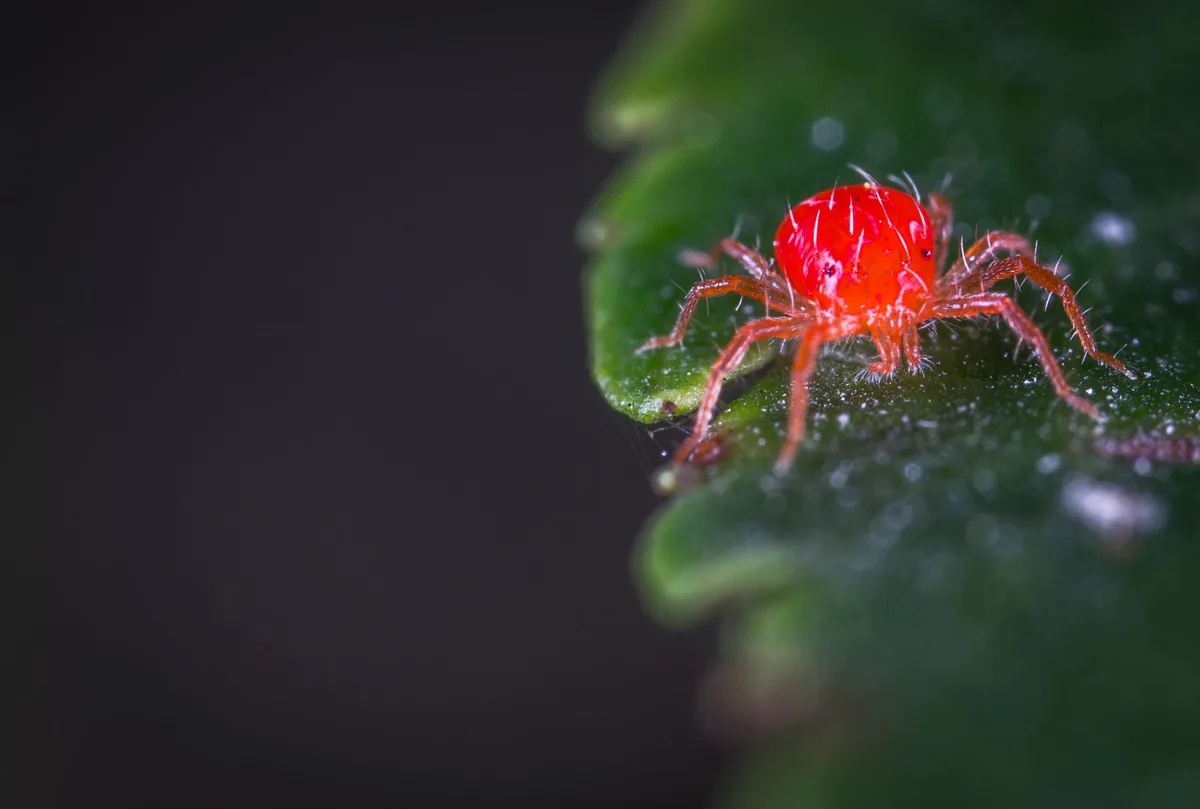
These microscopic pests are a common culprit. You might not see them easily, but they suck the sap out of the leaves. This feeding causes fine, stippled yellowing across the leaf surface.
You might also see tiny, silken webs on the undersides of leaves or on stems.
Aphids
These small, pear-shaped insects often cluster on new growth and the undersides of leaves. They feed on the plant juices, causing leaves to curl, distort, and turn yellow. Aphids also excrete honeydew, a sticky substance that can attract sooty mold.
Fungal Diseases
Diseases like powdery mildew or leaf spot can sometimes manifest as yellowing patches on the leaves. These often appear alongside small spots, fuzzy white growth (powdery mildew), or dark circles (leaf spot). Raspberry plants are often more susceptible to these when already stressed by other factors, like poor watering or nutrient issues.
What to do:
Inspect your plants closely, especially the undersides of leaves and new growth. If you spot:
- Spider mites: Blast them off with a strong spray of water. For persistent infestations, insecticidal soap or neem oil can be effective. Make sure to spray the undersides of leaves thoroughly.
- Aphids: A good spray of water can often dislodge them. If not, insecticidal soap or neem oil is a good option.
- Fungal diseases: Remove any diseased leaves immediately and dispose of them properly (don't compost them). Ensure good air circulation around your plants by pruning appropriately. Proper spacing and avoiding overhead watering can help prevent fungal issues. For severe outbreaks, specific fungicides may be necessary, but always follow product instructions carefully.
Problem 5: The Foundation of Health: Soil Conditions
Great plants start with great soil. The soil provides water, nutrients, aeration, and support. If your soil isn't up to par, it can lead to a cascade of problems, including yellowing leaves.
Poor Drainage & Compacted Soil
As we touched on with watering, soil that holds too much water can suffocate the roots by limiting oxygen. This leads to poor nutrient and water uptake and can cause yellowing. Compacted soil creates a similar problem by resisting root growth and preventing air and water from penetrating effectively.
Incorrect Soil pH
The pH level of your soil determines how available nutrients are to your plants. If the soil is too acidic or too alkaline, essential nutrients can become chemically locked up and unavailable, even if they are present in the soil. This is a very common reason for micronutrient deficiencies, like iron or magnesium, leading to yellow leaves, especially on younger foliage.
Most raspberries prefer a slightly acidic to neutral pH range, typically between 6.0 and 7.0. If your soil pH is consistently outside this range, your plants will struggle to absorb what they need.
What to do:
If your soil seems heavy and clay-like, you can amend it with plenty of organic matter like compost or well-rotted manure. This improves both drainage and aeration. For compacted soil, gently loosen it around the plant with a garden fork or broadfork, being careful not to damage the roots.
As mentioned before, a soil test is really useful here to check the pH. You can then adjust it with amendments like lime to raise the pH (make it less acidic) or elemental sulfur to lower it (make it less alkaline). Depending on your starting pH and target, these adjustments can take time.
For instance, adding lime to raise pH often requires several months to fully integrate into the soil.
What to Do: Taking Action for Healthier Leaves
Once you’ve identified the likely cause of your raspberry leaves turning yellow, it’s time to act. The solution will depend entirely on the diagnosis. Remember, consistency is key with plant care.
Addressing Nutrient Deficiencies
If your plants are showing signs of nutrient deficiency, reaching for a balanced fertilizer is your first step. For berries, a fertilizer with a slightly higher nitrogen content, like a 10-10-10 or a specialized berry food, can provide the necessary boost. Read the manufacturer's packaging carefully; it will tell you how much to apply per plant or per square foot.
For example, some commercial berry fertilizers recommend applying 1 to 2 pounds per 100 square feet, working it gently into the top inch of soil around the plant. This application timing usually occurs in early spring just as growth begins.
For iron or magnesium deficiencies, you can use a supplement specifically formulated for these elements, often available as a granular or liquid form. Chelated iron is particularly effective because it stays available to the plant even in higher pH soils. Always follow product instructions regarding dilution and application frequency.
It's generally best to apply supplements as needed rather than on a fixed schedule, observing plant response.
Correcting Watering Imbalances
If you've overwatered, the immediate action is to let the soil dry out partially. Stop watering and ensure good drainage. If the soil is compacted or in a low spot, consider amending the surrounding area with organic matter like compost to help water move away from the roots.
For underwatering, provide a deep, thorough soaking. Aim to moisten the soil several inches down. You can check this by digging a small hole.
Consistency is crucial after you've corrected an imbalance. Establish a routine based on soil moisture checks, not just the calendar. During hot, dry periods, you may need to water daily or every other day, while cooler, wetter weather requires much less.
Aim for 1 to 1.5 inches of water weekly, delivered slowly and deeply to encourage strong root development. This consistent moisture helps prevent the stress that can lead to yellow leaves.
Adjusting Sunlight Exposure
If your raspberries are getting too much direct sun, and you observe leaf scorch, providing supplementary shade is the best approach. This can be done using shade cloth or even by carefully positioning a temporary screen during the hottest hours of the day. For example, a shade cloth that blocks 30-50% of direct sunlight can significantly reduce heat stress.
If your plants are in too much shade, and you've confirmed at least six hours of direct sun are needed, transplanting is the most effective solution. The ideal time for transplanting is during the plant's dormant season, typically late fall or early spring. This minimizes stress on the root system and allows the plant to establish in its new, sunnier location before the growing season.
Dealing with Pests and Diseases
When pests like spider mites or aphids are identified, prompt action is essential to prevent severe damage and yellowing. A strong spray of water from a hose can dislodge many minor infestations, especially on larger plants. For more persistent issues, insecticidal soap or neem oil are effective organic treatments.
It's important to apply these treatments according to label directions, as they can harm beneficial insects if used improperly. Thorough coverage of the undersides of leaves is often critical for effective pest control.
For fungal diseases, the first step is to remove infected plant material. This stops the spread and reduces the pathogen load in the environment. Dispose of these diseased leaves away from your garden to prevent reinfestation.
Improving air circulation through proper pruning helps keep foliage dry, making it less hospitable to fungal growth. In some cases, a copper-based fungicide or other approved treatment may be necessary, but always read and follow the application guidelines carefully.
Improving Your Soil
Improving soil is a long-term strategy that benefits all your plants, including raspberries. If your soil has poor drainage or is compacted, incorporating organic matter is your primary solution. Add compost, aged manure, or leaf mold to the soil.
For clay soils, aim to add 3-4 inches of organic material and work it into the top 6-8 inches. This helps break up dense soil, improving aeration and water infiltration.
To adjust soil pH, use lime to raise it (make it less acidic) or sulfur to lower it (make it less alkaline). The amount needed depends on your soil type and how far the pH is from the ideal range. For instance, to raise the pH of a sandy loam soil from 5.0 to 6.0, you might need around 3-4 pounds of dolomitic lime per 100 square feet.
These amendments take time to work, so testing your soil annually is crucial. You can find soil testing kits at most garden centers, or use university extension services for more detailed analysis.
Mistakes to Avoid When Troubleshooting Yellow Leaves
Even with the best intentions, gardeners can make common mistakes that hinder recovery or even worsen the problem. One frequent error is over-fertilizing. Applying too much nitrogen or other nutrients can burn the roots and lead to yellowing, mimicking a deficiency.
Always follow application rates precisely and err on the side of caution.
Another common pitfall is misdiagnosing the problem. For instance, confusing underwatering symptoms with overwatering symptoms can lead to incorrect watering practices. If leaves are wilting and yellow on dry soil, they need water.
If leaves are wilting and yellow on soggy soil, they need less water and better drainage. It’s also important not to ignore early signs of pests or diseases, as they can spread rapidly once established and become much harder to control.
Expert Tips for Keeping Your Raspberry Leaves Green
Consistent monitoring is crucial for catching issues early. Make it a habit to walk through your garden regularly and examine your raspberry plants closely. Look for any changes in leaf color, texture, or the presence of pests.
This proactive approach allows you to address problems when they are small and easily manageable.
Invest in basic gardening tools that help with diagnosis. A good soil moisture meter can prevent over or under watering. A soil test kit provides vital information about nutrient levels and pH, guiding your fertilization and amendment strategies.
For example, knowing your soil pH is between 5.5 and 6.5 can inform your choice of fertilizers. Good tools empower you to make informed decisions rather than guessing.
Frequently Asked Questions
What are the first signs of nutrient deficiency in raspberry plants?
The first signs typically include pale green or yellowing leaves. Nitrogen deficiency shows up as uniform yellowing on older, lower leaves. Iron deficiency often appears as yellowing between green veins, primarily on younger leaves.
These color changes indicate the plant isn't getting enough essential elements.
How quickly can I expect to see results after correcting a problem?
Results vary depending on the issue and the plant's overall health. For minor nutrient deficiencies treated with quick-release fertilizer, you might see improved greenness within a week or two. For severe issues like root rot from overwatering or significant pest infestations, it could take several weeks to months for the plant to fully recover and show healthy new growth.
Can yellow leaves on raspberries be a sign of a disease that will kill the plant?
Yes, some diseases that cause yellowing can be severe and potentially fatal if left untreated. For example, certain viral diseases transmitted by insects can weaken plants over time and eventually lead to decline. Fungal diseases, if widespread and unchecked, can also severely impact plant health and fruit production.
Early detection and proper treatment are key.
Is it okay to prune raspberry leaves that are yellow?
Yes, it is often beneficial to prune away yellow leaves. This helps the plant redirect energy to healthy growth and can prevent the spread of pests or diseases. Remove affected leaves promptly, especially if they show spots or signs of infestation.
Always use clean, sharp pruning tools to avoid spreading pathogens. Dispose of pruned material away from healthy plants.