
You've had a gas grill for two seasons, and the firebox already looks like it belongs in a shipwreck. It's frustrating. The rust didn't just appear overnight.
It's been building since the day you unboxed it, and the cause isn't the brand you picked. It's the combination of what your grill is made of, how you store it, and one or two habits that are silently stripping away its protective layers.
Here's the truth: rust on a grill is rarely a manufacturing defect. It's almost always an environmental and maintenance problem. In our research across manufacturer care guides and aggregate owner reports, the same three culprits show up every time: moisture trapped against bare metal, protective coatings that have chipped or worn away, and a storage setup that holds humidity like a sponge.
Fix those three things and you can stop wondering why your grill rusts so quickly and start fixing the actual cause.
Quick Answer
Rust forms when iron, oxygen, and water meet. Your grill has iron in its steel. The air provides oxygen.
Rain, dew, and humidity provide water. Remove any one of these and rust stops forming. Most grills rust fast because they're stored uncovered, cleaned rarely, or made with low-grade steel like 430 stainless instead of 304.
The fix is simple: keep the grill dry, keep it clean, and re-season bare metal surfaces regularly.
The Short Answer: Your Grill Isn't Cheap — It's Exposed

Image source: Web (Bing) / survivalfreedom.com (Web image (fair-use with source credit))
Rust formation requires three ingredients: iron, oxygen, and water. Every grill contains iron in its steel alloy. The air supplies oxygen.
Water comes from rain, dew, condensation, or ambient humidity. Remove any single ingredient and the chemical reaction stops. That's why a grill stored indoors in a dry garage can last decades, while the same model left outside rusts through in three years.
So why does a grill corrode faster than your car's exhaust or patio furniture? Because a grill sits outside in the open, gets heated and cooled daily, and experiences extreme temperature swings that create condensation. Your car has paint, undercoating, and wax.
Your grill has a thin layer of powder coat or porcelain that chips at the first scrape of a spatula.
The real problem is exposure. Heat cycles open up microscopic pores in the metal. Moisture gets in.
The protective coating flakes off. Once bare steel is exposed, oxidation accelerates dramatically. What starts as a small spot becomes a crater within weeks.
By the time you notice it, the structural integrity of that component is already compromised.
Know Your Grill: Material Matters More Than Brand
Your grill's rust resistance isn't determined by the logo on the lid. It's determined by what the metal actually is. The biggest gap in grill knowledge is understanding that "stainless steel" isn't one thing.
It's an entire family of alloys with wildly different corrosion resistance. Knowing which one you have tells you exactly what to expect and how to protect it.

Image source: Bing (Web (fair-use with source credit))
Cast iron grates are the worst offenders for surface rust. They're beloved for heat retention, but they're literally raw iron with no protective coating. The only thing standing between a cast iron grate and rust is seasoning, a polymerized layer of oil built up over time.
The moment that seasoning wears thin, rust forms within hours in humid air. Aggregate owner reviews consistently show cast iron grates developing rust spots within a single off-season if not properly oiled before storage. The fix is routine: after each cook, scrape the grate clean, heat it, and apply a thin layer of high-smoke-point oil.
Stainless steel is where things get complicated. The 304 grade contains roughly 18% chromium and 10% nickel, creating a self-healing passivation layer that resists corrosion. The 430 grade has only 16, 18% chromium and no nickel at all.
It's cheaper, magnetic, and more prone to surface rust. As of 2026, many budget grills claiming "stainless steel" use 430 grade, which deteriorates in coastal environments within 12 to 18 months. The National Association of Corrosion Engineers (NACE) recommends 304 grade for any outdoor metal exposed to salt air.
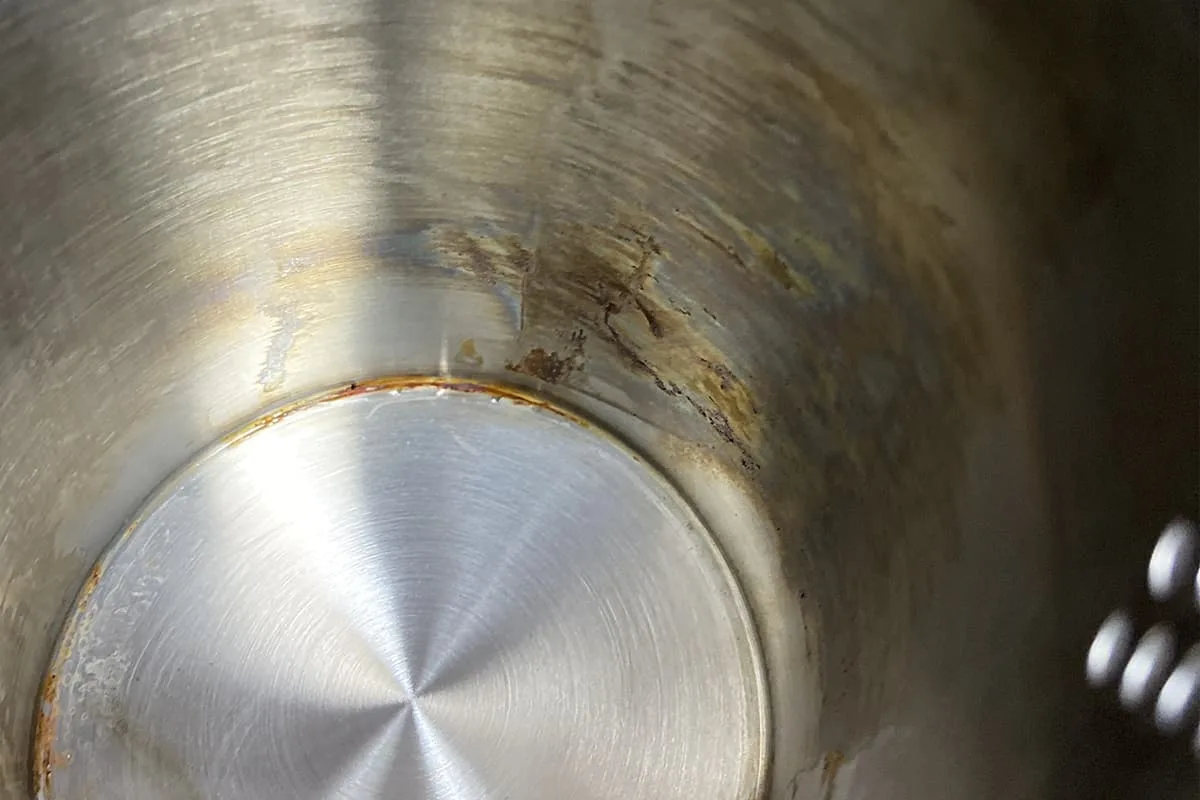
Image source: Web (Bing) / telescopictube.com (Web image (fair-use with source credit))
Porcelain-enameled steel is the most common material on mid-range grills. The porcelain coating is essentially glass fused to metal at high temperature. It's highly rust-resistant when intact, but it's brittle.
A single drop of a heavy lid or a sharp metal scraper will chip it. Moisture then wicks under the chip, lifting the enamel and exposing raw steel in a spreading pattern. Once porcelain starts peeling, there's no way to repair it.
The only option is to wire-brush the loose enamel off and keep the exposed steel oiled.
| Material | Chromium/Nickel Content | Rust Resistance | Typical Lifespan Outdoors |
|---|---|---|---|
| 304 Stainless Steel | 18% Cr / 10% Ni | Excellent | 8–10 years |
| 430 Stainless Steel | 16–18% Cr / 0% Ni | Moderate | 3–5 years |
| Porcelain-Enameled Steel | None | Good (until chipped) | 5–7 years |
| Cast Iron | None | Poor (without seasoning) | 2–3 years |
Where Rust Attacks First: The Usual Suspects
Rust never appears everywhere at once. It always starts in specific high-risk zones where moisture collects and coatings get damaged. If you know where to look, you can catch rust months before it becomes structural.
Check these areas in order of likelihood.

Image source: Bing (Web (fair-use with source credit))
The cooking grate is ground zero. Cast iron grates rust first on the outer edges where heat is lowest and seasoning burns off slowest. Porcelain-coated grates rust where the coating has chipped, usually from a metal spatula or a drop.
Stainless steel grates show small tea-colored spots first, which look like stains but are actually the beginning of pitting corrosion. That pitting never reverses. It only deepens.
The firebox is the second hotspot. This is where ash, grease, and moisture accumulate. Ash is highly hygroscopic, meaning it pulls moisture straight from the air.
A firebox full of ash acts like a sponge sitting directly against bare metal. In charcoal grills, rust almost always starts at the bottom corners where ash sits undisturbed for weeks. In gas grills, it starts around the burner openings where grease drips and carbonizes.
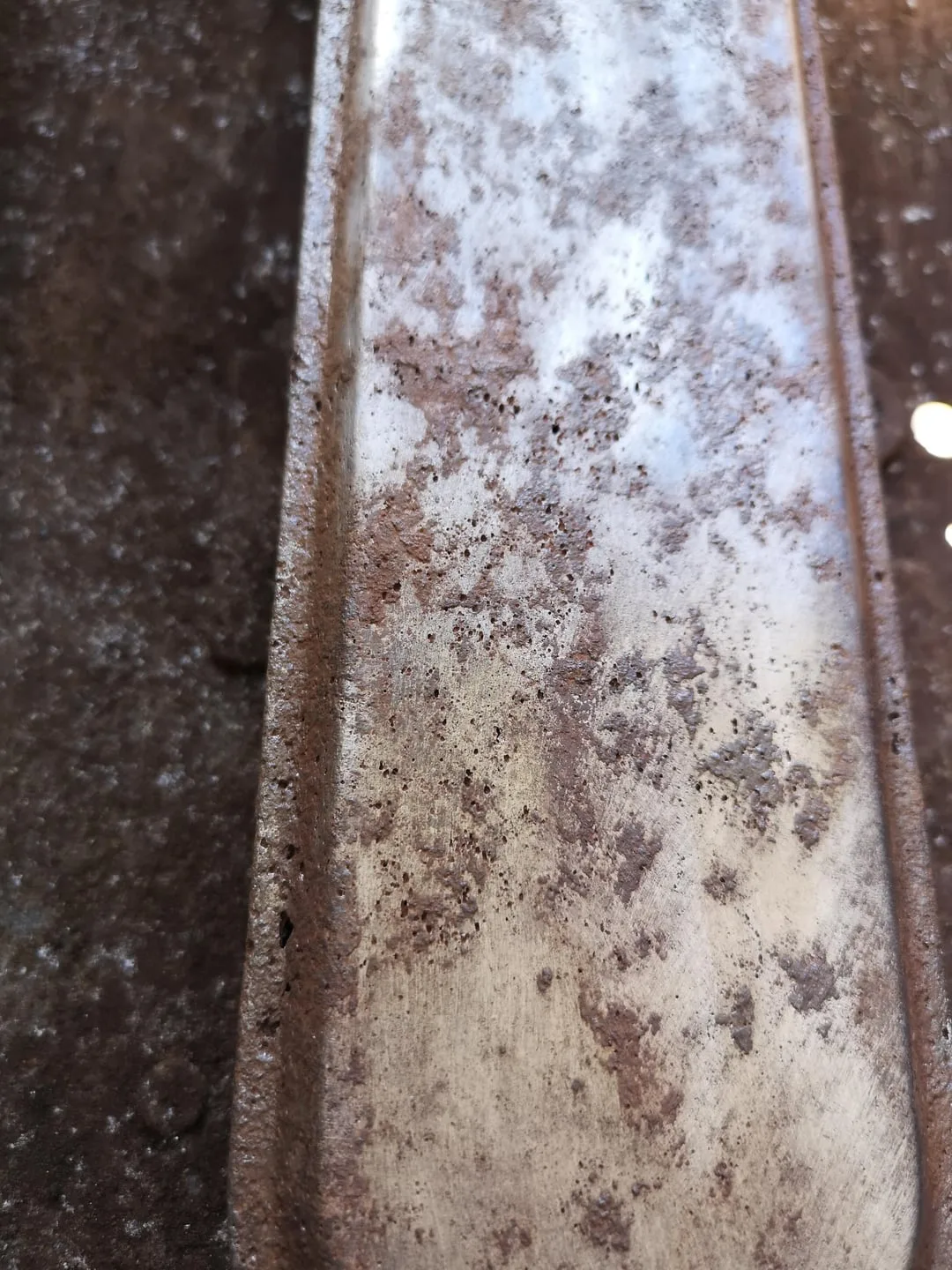
Image source: Bing (Web (fair-use with source credit))
Burners rust from the inside out. The gas tube has small holes along its length. When grease drips down and burns, it leaves a carbon residue inside the tube. That residue absorbs moisture, and the thin steel wall corrodes from within.
By the time you see rust on the outside, the burner is often already compromised. We've seen burner tubes with 100% blockage in one section while looking nearly clean on the surface. This is a safety concern.
A rusted burner can disrupt gas flow, causing uneven flames or flare-ups. Inspect burners at the start of each grilling season.

Image source: Web (Bing) / jacksonstbbqhouston.com (Web image (fair-use with source credit))
The cart frame and lid handle are the last places you'll notice. The frame is usually powder-coated, and rust starts where that coating gets scratched during assembly or moving. The lid handle is exposed to constant hand contact, which leaves skin oils and moisture that eat through cheap chrome plating.
Check the bottom edges of the cart where water runs off the lid and drips onto the frame legs. If you spot rust here, sand it down and apply high-heat spray paint designed for grill frames.
The 5 Biggest Mistakes That Accelerate Rust
Most grill owners don't rust their grills on purpose. They just make a few common mistakes that dramatically speed up corrosion. If you recognize any of these, you've found your rust accelerant.
Mistake 1: Leaving the lid closed after grilling. This is the single biggest killer. After you finish cooking, the interior is hot and moist from food juices. Sealing that moisture inside the lid creates condensation that settles on every surface.
Per university extension corrosion research, this trapped humidity attacks metal far faster than direct rain because it never gets a chance to dry. Leave the lid open for at least 15 minutes after cooking to let steam escape.

Image source: Web (Bing) / manuals.plus (Web image (fair-use with source credit))
Mistake 2: Scrubbing off the seasoning thinking it's rust. Cast iron grates develop a dark, smooth patina over time. Some people mistake the brownish tint of a new seasoning for rust and scrub it down to bare metal. Once you strip the seasoning, the iron is completely exposed.
Use a nylon brush for daily cleaning and save the wire brush for actual rust removal. A properly seasoned cast iron surface should look glossy and black, not orange or brown.
Mistake 3: Storing a dirty grill with ash and grease. Ash absorbs moisture and holds it against the metal 24/7. Grease residue does the same thing while also attracting insects. Empty the ash catcher after every third cook.
Wipe down the drip tray monthly. A clean grill rusts far slower than a dirty one. If you use a charcoal grill, remove ash completely before covering for more than a day.
Mistake 4: Using a cheap cover that traps moisture. A low-quality grill cover isn't waterproof, it's water-resistant. Water seeps through the fabric and gets trapped against the metal, creating a greenhouse effect that accelerates rust. Use a cover with a waterproof rating of at least 600mm and ensure it has ventilation ports so condensation can escape.
A good cover should fit snugly, not flap in the wind. A loose cover rubs against the finish and strips protective coatings over time.
Mistake 5: Cleaning with harsh chemicals. Oven cleaner, bleach-based sprays, and degreasers strip protective layers and leave corrosive residues. These chemicals often contain chlorides that actively eat stainless steel. Stick to warm water, mild dish soap, and a soft cloth.
If you need a degreaser, use one specifically labeled for stainless steel and rinse thoroughly afterward. The same rule applies to cast iron: never use soap on a seasoned surface unless you're planning to re-season it.
How Climate and Location Speed Up Rust
Where you live matters more than the grill brand you bought. A cheap grill in Arizona can outlast an expensive grill on the coast. Climate is the invisible variable in every rust equation, and it explains why two identical grills age completely differently.
Coastal air is the worst offender. Sea spray carries microscopic salt particles that settle on every surface. Salt is hygroscopic, it pulls moisture from the air and holds it against the metal. NACE notes that salt-laden air accelerates corrosion by a factor of 5 to 10 compared to inland environments.
If you live within 5 miles of the ocean, your grill is fighting a constant chemical battle. Consider upgrading to 304 stainless steel components or storing the grill in a shed during off-season months.
Humidity is a silent killer. Even without rain, high humidity causes condensation when temperatures drop at night. The metal cools faster than the surrounding air, and moisture condenses on the surface like a glass of iced tea on a summer day. On humid nights, this happens every single night.
If your area averages above 60% relative humidity, the interior of your grill is getting a nightly soaking. A grill cover is not optional in these climates, it's mandatory.
Cold climates have a different problem: road salt. If you store your grill near a driveway or walkway, winter road salt can splash onto the cart frame. That salt lingers until spring, eating through powder coat from the outside in. Raising your grill off the ground with a concrete paver or grill stand keeps it clear of the splash zone.
Many owners also wrap the cart legs in plastic sheeting or move the grill into a garage for winter.
You can't change your climate, but you can adapt. As of 2026, grill rust complaints peak in coastal humidity zones and areas with freeze-thaw cycles. If you're in a coastal region, budget for a marine-rated grill cover and plan to re-season cast iron grates monthly. If you're in a cold climate, move your grill under a covered porch or into a shed before the first snow.
The 10 minutes it takes to relocate your grill will add years to its life.
The one universal rule: any grill stored outdoors in a humid climate needs a fitted cover year-round. Not a tarp. Not a cheap plastic sheet.
A fitted cover that cinches tight and has ventilation. The best grill covers are designed for your specific brand and model because a loose cover flaps in the wind, rubs against the finish, and creates a sandpaper effect that strips protective coatings over time.
The Right Way to Remove Rust (Without Making It Worse)
If rust has already taken hold, you need to remove it properly. Scrubbing too aggressively or using the wrong tools will damage the underlying metal and make the problem worse. Here's the correct approach for each grill material.
Tools you'll need: wire brush or steel wool, medium-grit sandpaper (120, 220), a stiff nylon brush, white vinegar, clean rags, high-smoke-point oil (canola, grapeseed, or avocado), and high-heat spray paint for painted frames. For heavy rust, a drill-mounted wire wheel attachment speeds up the work considerably.
Cast iron grates: Start by scrubbing with a wire brush to remove loose flakes. Soak the grate in a 50/50 white vinegar and water solution for 30 to 60 minutes. The acid dissolves rust without eating into the iron.
Rinse thoroughly, dry completely, and apply a thin coat of oil. Heat the grate on the grill for 20 minutes to polymerize the oil, then repeat. This re-establishes the protective seasoning layer.
Never use soap on cast iron, it strips the seasoning you just built.
Stainless steel surfaces: Use a nylon scrub pad or fine steel wool with warm soapy water. Rub in the direction of the grain, not in circles. For stubborn rust spots, make a paste of baking soda and water and let it sit for 10 minutes before scrubbing.
Rinse and dry completely. Then apply a thin layer of mineral oil or a dedicated stainless steel polish to create a protective barrier. Avoid chlorine-based cleaners on stainless, they cause pitting.
Painted steel frames: Sand the rusted area with 120-grit sandpaper until you reach bare metal. Wipe away all dust and debris. Apply a rust-inhibiting primer, then a high-heat spray paint designed for grills.
Let each coat dry for 24 hours before the next. This is a cosmetic fix, but it prevents structural rust from spreading into the frame.
Seasoning 101: Your Best Defense Against Rust
Seasoning is a chemical process that turns oil into a polymer. When you heat oil above its smoke point, it breaks down and bonds to the metal, forming a hard, hydrophobic layer. This layer repels water and prevents oxygen from reaching the iron.
It's the same science behind cast iron skillets, and it works exactly the same way on grill grates.
The best oils for seasoning are those with high smoke points: canola (400°F), grapeseed (420°F), and avocado (520°F). These oils don't burn off before they polymerize. Vegetable oil and olive oil smoke at lower temperatures and leave a sticky residue that attracts dirt.
Flaxseed oil also works well, but it flakes off if applied too thickly.
The process is simple: Clean the grate. Dry it completely. Apply a thin coat of oil to all surfaces, including the sides.
Heat the grill to 400, 450°F for 20 to 30 minutes. Let it cool ation completely. Repeat 2 to 3 times for a durable layer.
The grate should look dark and glossy, not sticky or greasy. If it feels tacky, you used too much oil. Heat it again to burn off the excess.
How to tell the difference between seasoning and rust: Seasoning is black or dark brown, smooth, and has a slight sheen. Rust is orange, powdery, and gritty to the touch. If you rub a paper towel across the surface and see orange residue, that's rust.
If nothing transfers, it's seasoning. When in doubt, apply a drop of lemon juice. It will bubble on rust, but not on seasoning.
Your Post-Cook Routine: 10 Minutes That Prevents Rust
Consistency beats everything else when it comes to grill maintenance. A 10-minute routine after every cook costs you an hour per week and prevents rust damage that would take far longer to repair. Here's the habit to build.
Step 1: Scrape while warm. Right after removing your food, scrape the grate with a brass or nylon brush while it's still warm. Heat makes residue lift easily. A stainless steel brush can scratch porcelain-coated grates, so check your manufacturer's recommendation first.
Step 2: Heat it dry. Turn the grill to high for 10 minutes. This burns off grease residue and evaporates any moisture trapped in the firebox or burners. This single step reduces condensation inside the grill by eliminating the food grease that absorbs water.
Step 3: Oil the grates. After the grill cools slightly (but is still warm, around 200°F), apply a thin coat of oil with a folded paper towel. Use tongs to hold the towel and avoid burning your fingers. This restores the protective layer that scraping removed.
Step 4: Ash management. For charcoal grills, empty the ash catcher weekly. For gas grills, check the drip tray monthly and wipe down the firebox if grease has accumulated. A clean grill interior leaves nothing for moisture to cling to.
Step 5: Cover it. Once the grill is below 150°F, cover it with a fitted waterproof cover. Make sure no moisture is trapped underneath. If the grill is still steaming, leave the lid open and the cover off for another 15 minutes.
Storage Strategies That Actually Work
Storage is where most grills die. The difference between a grill that lasts 8 years and one that rusts through in 3 is often entirely about how it's put away between uses. Here are the storage setups that actually make a difference.
The grill cover question. A cover helps only if it fits properly and allows ventilation. A loose cover traps moisture against the metal. A tight cover with no ventilation does the same.
Look for a cover with side vents that allow airflow while blocking rain. If your cover is holding condensation on the inside, remove it during the day and replace it at night. The vents matter, not just the waterproofing.
Indoor storage options. A garage or shed is the best rust prevention available, but you need to be careful. Never store a grill indoors while it's still warm. Wait until it's fully cooled.
Also check for gas leaks before bringing a propane grill inside. If you have pets or kids, make sure the propane tank is disconnected and stored outside.
Coastal and humid climates. If you live near the ocean or in a high-humidity zone, a basic cover isn't enough. Use a marine-rated cover or add a breathable waterproof layer over your standard cover. Some owners keep a small silica gel pack inside the grill to absorb ambient moisture.
Recharge it in the oven monthly.
Winterizing your grill. Before the first freeze, do a deep clean, oil the grates, and remove the propane tank (if applicable). Cover the grill and move it to the most protected area you have. If you have a covered porch, use it.
If not, position the grill against a south-facing wall, where it gets sun exposure and the snow doesn't pile up against it. Raise the grill off the ground with pavers to avoid splash-back.
A final storage tip: Never store a grill on grass or bare dirt. The ground releases moisture that rises through the cart frame and accelerates rust from the underside. Put the grill on a concrete paver, deck tiles, or a purpose-built grill pad.
This simple step adds a full season to your grill's lifespan.
Frequently Asked Questions
Is rust on a grill safe to cook on?
Surface rust on cooking grates is not toxic, but it's not safe to ignore. The rust flakes can transfer to food and taste metallic. More importantly, heavy rust on burners or fireboxes can cause structural failure or gas flow problems.
Scrub off light rust with a wire brush, re-season, and cook normally. If the rust has eaten holes in the firebox or burners, replace those parts before grilling again.
Can I use vinegar or lemon juice to remove grill rust?
Yes. Both are mild acids that dissolve rust without damaging the underlying metal. White vinegar works best at a 50/50 mix with water.
Soak cast iron grates for 30 to 60 minutes. For painted steel frames, apply vinegar with a rag and scrub gently. Always rinse thoroughly and dry completely before oiling or painting.
Never use lemon juice on stainless steel, the citric acid can cause pitting.
Does high heat kill rust?
No. Heat alone doesn't remove rust, but it's part of the restoration process. Heating a rusted and oiled grate to 400°F causes the oil to polymerize, creating a fresh protective layer over any remaining surface rust.
Rust that has already touched your food is a grind-away issue, use a wire brush or steel wool first, then oil and heat.
Why does my brand-new grill already have rust spots?
New grills come with machine oils and manufacturing residues on the metal. These aren't protective, they're just lubricants. When you burn off the grill for the first time, the machine oils burn away and expose bare metal to oxygen and humidity.
That's why new grills rust quickly if they're not seasoned immediately. The metal doesn't have a protective layer yet. Give your new grill a proper first-seasoning before cooking on it.
Is white or orange powder on my grill actually rust?
It depends. Orange powder on cast iron or steel is rust. White powder is usually a different chemical: it's oxidized aluminum or a calcium deposit from hard water.
Aluminum oxidation (white powder) is actually protective and doesn't damage the metal. Calcium deposits come from dried water spots. If you see white powder, wipe it off and check for rust underneath.