When your Euonymus plant starts to look unwell, it can be incredibly frustrating. You've put in the effort, and seeing it struggle prompts the urgent question: why is my Euonymus dying? Pinpointing the cause is the first step to bringing it back to health, and often, the issue is something you can address with a bit of careful observation and quick action.
Luckily, most problems with Euonymus plants are treatable if caught early. Research from horticultural experts indicates that issues like improper watering, pest infestations, or disease account for the vast majority of declines, and these are often recognizable by specific symptoms. This guide walks you through how to identify these common problems and what steps to take to help your plant recover.
Quick Answer
Your Euonymus is likely dying due to overwatering, underwatering, insufficient sunlight, pest infestations, or fungal diseases. Check soil moisture, leaf condition, and presence of pests or spots. Correcting environmental factors and treating specific issues can restore plant health.
Understanding the Symptoms: What's Your Euonymus Telling You?
Your plant’s leaves, stems, and overall appearance are its way of communicating what's wrong. Paying close attention to these signals is like listening to a doctor's diagnosis. Each symptom can point towards a different underlying cause, guiding you toward the right solution.
Yellowing Leaves and Wilting
Yellowing leaves, a condition known as chlorosis, can manifest in a few ways. Sometimes, the veins remain green while the rest of the leaf turns yellow, which often points to a nutrient deficiency or soil pH imbalance. If the entire leaf yellows before dropping, it might be a sign of overwatering or a lack of sunlight.
Wilting, especially when the soil feels moist to the touch, is a critical symptom of root suffocation due to overwatering. Conversely, if the soil is dry and the plant wilts, it's screaming for water.
Leaf Spots and Blight
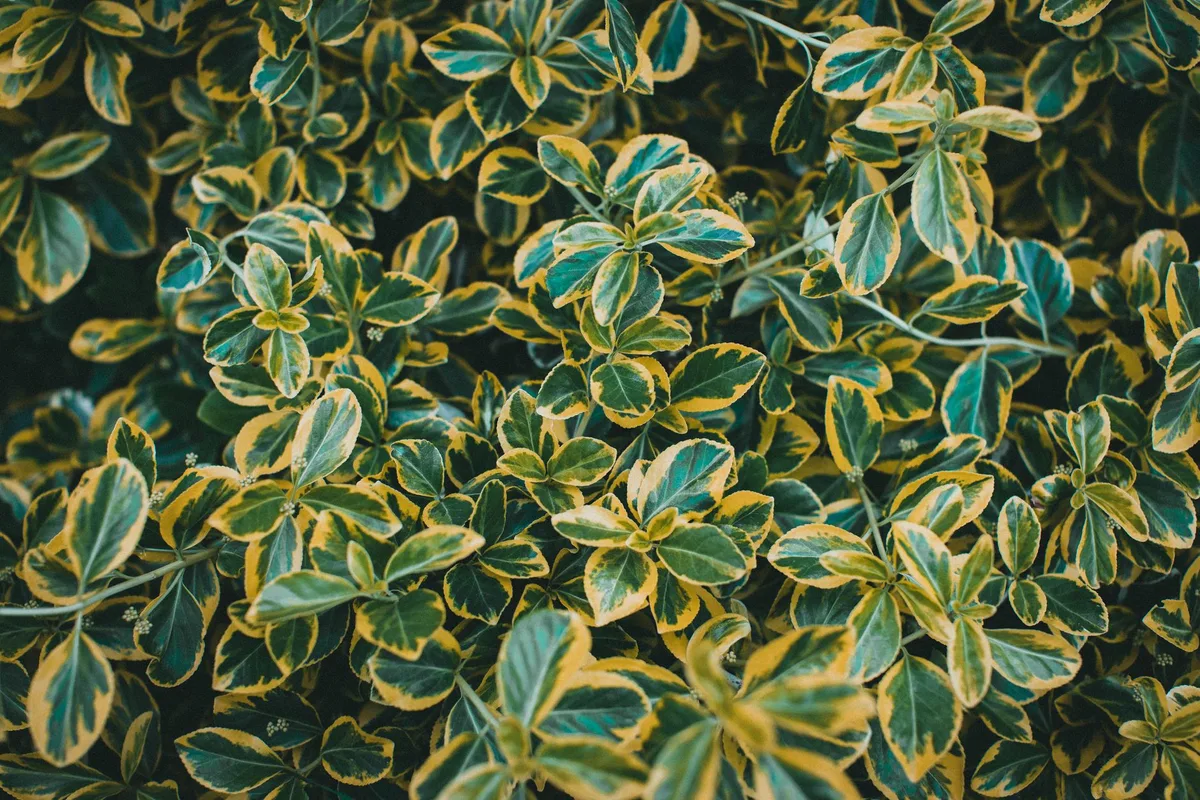
Spots on Euonymus leaves are often indicative of fungal or bacterial diseases. These can appear as small dark dots, larger irregular patches, or even lesions with concentric rings. Different patterns suggest different pathogens, and severe outbreaks can lead to significant leaf drop and weakened plant structure.
Blight, a more aggressive condition, can cause rapid browning, wilting, and death of entire sections of the plant. Identifying the pattern of the spots is key to narrowing down the potential disease.
Leaf Drop and Stunted Growth
A sudden or excessive drop of leaves, often without apparent cause like seasonal change, signals serious stress. It's the plant's way of conserving energy. Coupled with stunted growth, meaning the plant isn't producing new shoots or leaves as it should, especially during its active growing season, it suggests a chronic, ongoing problem.
This could stem from persistent issues with watering, nutrition, or even a gradually worsening pest or disease situation that hasn't been fully addressed.
Pest Infestations
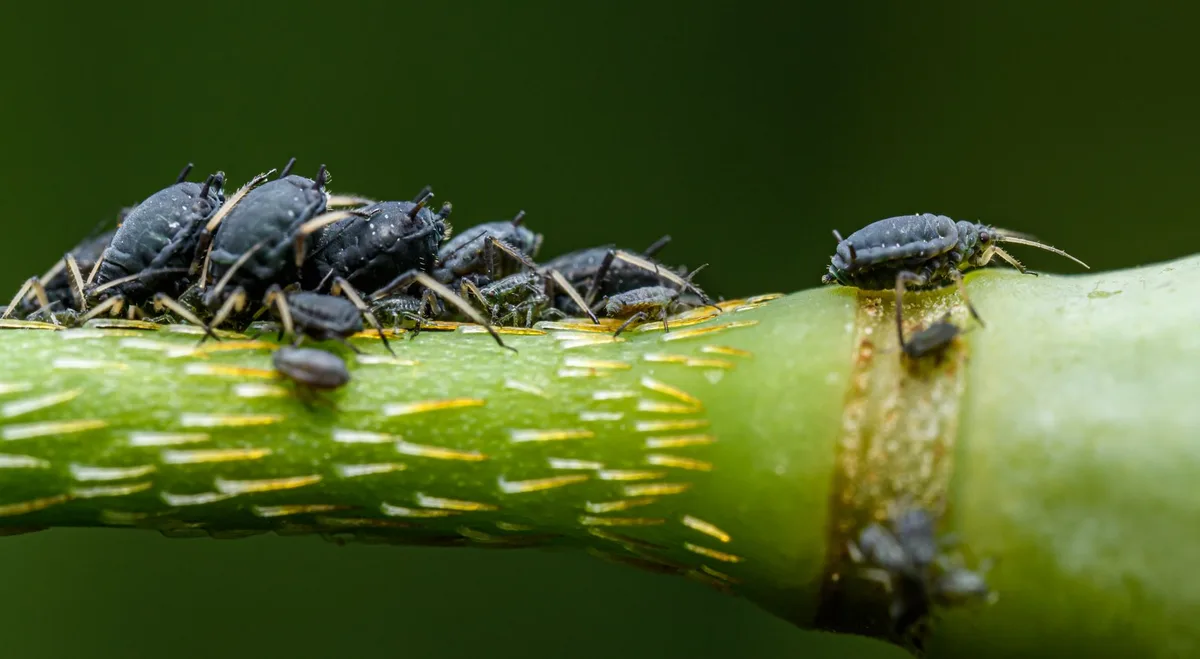
Tiny invaders can cause significant damage. Common culprits include aphids, spider mites, and scale insects. Aphids are small, soft-bodied insects that cluster on new growth and suck sap, causing distortion and yellowing.
Spider mites, nearly invisible, thrive in dry conditions and create fine webbing, leaving leaves with a stippled, dry appearance. Scale insects are immobile bumps on stems and leaves that also feed on plant sap, weakening the plant over time and often leading to sticky residue known as honeydew.
Fungal Diseases
Fungal issues are prevalent, especially in humid or poorly ventilated conditions. Powdery mildew appears as a white, powdery coating on leaves and stems, hindering photosynthesis and weakening the plant. Various leaf spot diseases create distinct blemishes that can stunt growth and cause premature leaf fall.
These pathogens thrive on moisture and can spread rapidly if not managed, impacting the plant's overall health and appearance.

Checking the Environment: Water, Sun, and Soil
A plant's environment is critical. Even the most resilient Euonymus can decline if its basic needs aren't met. This section dives into the most common environmental culprits behind a plant's distress: how you water it, how much sun it gets, and the quality of its soil.
Watering Wisely: Too Much or Too Little?
Most plant problems boil down to watering. Euonymus plants prefer consistently moist, but not waterlogged, soil. Overwatering is a particularly pernicious issue; it deprives roots of oxygen, leading to root rot, which then prevents the plant from taking up any water or nutrients at all, causing wilting and yellowing.
This is a common mistake, especially in poorly draining containers or garden beds.
To check if you're overwatering, stick your finger about two inches into the soil. If it feels wet, hold off on watering. If it feels dry, it's time for a good, deep soak.
Ensure your containers have drainage holes, or if planting in the ground, amend heavy clay soil with compost to improve drainage. This simple check can prevent a cascade of problems.
Sunlight: Finding the Sweet Spot
Euonymus species vary in their light requirements, but generally, they thrive in full sun to partial shade. Too much intense, direct afternoon sun, especially in hot climates, can scorch the leaves, causing them to turn brown or develop crispy edges. This is often mistaken for underwatering, but the effect is similar to sunburn on skin.
Conversely, a Euonymus planted in deep shade might become leggy and lose its vibrant coloring, particularly if it's a variegated variety. For these plants, research indicates that at least 4-6 hours of direct sunlight daily is typically needed to maintain healthy growth and color. If your plant is struggling and in a very shady or very intensely sunny spot, consider moving it to a location that offers dappled shade or morning sun.
Soil Health: Drainage and Aeration
The soil your Euonymus grows in provides anchorage, water, and nutrients, but it also needs to breathe. Compacted soil restricts root growth and prevents oxygen from reaching the root zone, leading to similar issues as overwatering. Poor drainage means water sits around the roots for too long.
A soil rich in organic matter, like compost, is ideal. It retains moisture without becoming waterlogged and allows for good aeration. If your soil is heavy clay, mixing in compost at a ratio of about 1:3 (compost to existing soil) can dramatically improve its structure.
For container-grown plants, always use a high-quality potting mix designed for good drainage. This is a fundamental step that supports overall plant vigor. Consider this foundational element of plant care akin to ensuring the right oil level in a lawn mower before seasonal use, as a clogged filter or incorrect oil level can severely impact performance.
Identifying Pests on Your Euonymus
Even in a well-maintained garden, tiny pests can wage war on your plants. Their damage often mimics diseases or environmental stress, making identification crucial for effective treatment. Early detection is key, as a small infestation is much easier to manage than a widespread takeover.
Common Pests: Aphids, Spider Mites, and Scale
- Aphids: These small, pear-shaped insects, often green, black, or yellow, cluster on new growth and the undersides of leaves. They suck plant sap, weakening the plant and causing leaves to curl or distort. Their feeding also produces a sticky substance called honeydew, which can attract ants and lead to sooty mold.
- Spider Mites: These arachnids are tiny, often just visible as red or brown specks. They thrive in hot, dry conditions and spin delicate webs on the undersides of leaves. Their feeding causes stippling, tiny yellow or white dots, that makes leaves look dusty and bleached, eventually causing them to yellow and drop.
- Scale Insects: These appear as small, immobile bumps on stems and the backs of leaves. They can range in color from tan to dark brown. Like aphids and mites, they feed by piercing plant tissues and sucking out sap, leading to yellowing leaves, reduced vigor, and sticky honeydew.
Spotting Pest Damage
The damage these pests inflict can be varied. Look for the characteristic curling and yellowing of new leaves from aphids. If you see fine webbing, especially on the undersides of leaves and near leaf junctions, suspect spider mites.
Scale insects are harder to spot initially; you might notice irregular brown or tan bumps, or the tell-tale sticky residue. Often, ants will be present where scale insects are feeding, as they are attracted to the honeydew. Early intervention is key for any of these pests.
Diagnosing Diseases Affecting Euonymus
Diseases, particularly fungal ones, can quickly devastate a Euonymus plant, especially if conditions are favorable for their spread. Recognizing the signs of common diseases is vital for applying the correct treatment and preventing further damage.
Fungal Foes: Powdery Mildew and Leaf Spots
Powdery mildew is a common fungal disease that appears as a white, powdery coating on the surface of leaves, stems, and sometimes flowers. It typically develops in humid conditions and can hinder photosynthesis, leading to yellowing and distorted foliage. Leaf spot diseases manifest as distinct spots on the leaves, varying in size, shape, and color depending on the specific fungus.
These spots can enlarge, merge, and cause leaves to turn yellow, brown, and eventually drop prematurely. Ensure good air circulation around the plant by pruning if necessary.
Recognizing Root Rot
Root rot is a serious and often fatal condition, usually caused by overwatering and poor drainage. When roots sit in stagnant, waterlogged soil, they cannot get the oxygen they need and begin to decay. This decay prevents the plant from absorbing water and nutrients, leading to symptoms that can be easily mistaken for underwatering: wilting, yellowing leaves, and stunted growth.
A key indicator of root rot is a foul, musty smell emanating from the soil. If you suspect root rot, carefully lift the plant from its pot or excavation; healthy roots are firm and white or tan, while rotted roots are dark, mushy, and may disintegrate easily.
Other Stress Factors and Environmental Clues
Beyond watering, sun, pests, and diseases, several other factors can stress your Euonymus. These are often related to sudden changes or less common environmental challenges that can weaken the plant, making it more susceptible to other problems.
Transplant Shock and Frost Damage
If you recently moved or planted your Euonymus, it might be suffering from transplant shock. This is when a plant struggles to adapt to its new environment, often resulting in wilting, leaf drop, or browning. Research from horticultural associations confirms that providing consistent moisture, avoiding extreme temperatures, and minimizing further disturbances can help the plant recover.
Give it time, usually a few weeks, to establish its root system.
Frost damage can also be a cause. Late spring frosts can severely damage new, tender growth, causing it to turn black and mushy. If this happens, prune away the damaged parts only after all danger of frost has passed and the extent of the damage is clear.
New growth will often emerge from below the damaged areas.
Environmental Changes
Sudden temperature fluctuations outside of frost can also stress a plant. Extreme heatwaves, particularly if combined with dry soil, can lead to wilting and leaf scorch. Conversely, sudden cold snaps can shock the plant.
Even changes in light exposure, such as moving a plant from a shadier spot to full sun without acclimatization, can cause leaf burn. Be mindful of these transitions and help your plant adjust gradually when possible.
Step-by-Step Troubleshooting Your Euonymus
When your Euonymus is looking less than its best, a systematic approach can help you pinpoint the issue and apply the right fix. This diagnostic process mimics how experienced gardeners diagnose plant problems. It involves careful observation and making logical deductions.
The Gardener's Diagnostic Checklist
Follow these steps to systematically assess your plant:
- Check Soil Moisture: Stick your finger 2 inches deep. Is it wet, damp, or dry? This is the first and often most crucial indicator.
- Examine Leaves Closely: Look for yellowing (uniform or with green veins), brown crispy edges, spots (size, color, pattern), webbing, or a powdery white coating. Check both the top and underside.
- Inspect Stems and Branches: Are there any visible pests (like scale insects), fuzzy mold, or signs of dieback starting from the tips?
- Assess Sunlight Exposure: Is the plant getting too much intense direct sun, or is it in deep shade? Consider recent changes in its environment.
- Review Watering Habits: How often and how much do you water? Is the soil draining well?
- Consider Recent Activities: Was the plant recently moved, repotted, or heavily pruned? Was there a recent frost or heatwave?
- Look for Pests: Gently shake branches or inspect undersides for small insects. Look for any sticky residue (honeydew).
- Identify Fungal Signs: Note any white powder, spots, or blight patterns on leaves and stems.
Common Mistakes to Avoid in Treatment
It's easy to make corrective actions that inadvertently harm the plant further. For example, if you see yellow leaves and assume it's underwatering, you might overcompensate by watering too much, worsening a root rot problem. Another mistake is applying pesticides or fungicides indiscriminately without confirming the specific pest or disease.
This can harm beneficial insects or damage the plant.
Always address the diagnosed issue directly. If it's overwatering, allow the soil to dry out and improve drainage. If it's pests, use the least toxic method first, like a strong water spray or insecticidal soap.
For diseases, remove infected parts and improve air circulation. Misdiagnosing the problem leads to ineffective treatments and further stress on the plant. This careful process ensures that your efforts are productive.
When to Seek Expert Help
While many Euonymus issues are resolvable with basic troubleshooting, sometimes the problem is complex or severe. If your plant continues to decline despite your best efforts, or if you're consistently seeing issues you can't identify, it might be time to consult a professional. Horticulturalists or local university extension services have extensive knowledge and advanced diagnostic tools.
They can often identify obscure diseases or pest problems that might be responsible for your plant’s decline. Don't hesitate to reach out; their expertise can save a plant that might otherwise be lost.