
You're staring at a grill lid that's turned black and wondering if you did something wrong. Here's the short answer: it's almost always grease vapor that condenses and carbonizes on the metal, and it's completely normal. The black coating you're seeing is baked-on residue, not a manufacturing defect, and it won't ruin your grill as long as you handle it correctly.
The real question isn't whether the black buildup is normal, it's whether you're dealing with harmless soot or a potential grease fire risk. The distinction matters because the fix is different for each, and one of them demands immediate attention. In our research across major grill manufacturer manuals and aggregate user reports, the vast majority of black lid cases trace back to cooking habits, not equipment failure.
As of 2026, most grills sold in the US come with either porcelain-coated steel, bare steel, or stainless steel lids, and each reacts differently to heat and grease. Understanding which one you own tells you a lot about what that black residue actually is and how aggressively you can clean it.
Quick Answer
Your grill lid turns black because grease vaporizes during cooking, rises, and condenses on the cooler lid surface where it bakes into carbon. That's the sticky, tar-like residue. Soot from charcoal adds a dry powdery layer on top.
Both are normal and harmless if managed. Only excessive buildup that drips back onto flames becomes a fire hazard requiring immediate cleanup.
Are You Dealing With Soot, Grease, or Heat Discoloration?
Before you grab a cleaner, figure out what you're actually looking at. The three types of black buildup look similar at a glance, but they behave very differently.
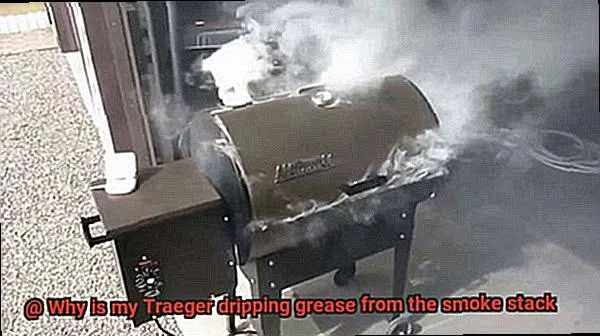
Image source: Web (Bing) / pastimebarandgrill.com (Web image (fair-use with source credit))
Soot is dry, powdery, and wipes off with a paper towel. It comes from incomplete combustion, especially with charcoal briquettes or wood chunks that smoke heavily at low temperatures. If you're a low-and-slow smoker, you'll see this constantly.
Grease residue is sticky, tacky, and dark brown to black. It's the condensed oil that didn't fully burn off. When it hardens, it forms a tough, glossy layer that resists wiping and needs actual scrubbing or heat to remove.
Heat discoloration is different entirely. It's the metal itself changing color from high temperatures, not a coating on top. Stainless steel develops a blue or bronze shimmer.
Porcelain enamel can turn cloudy or gray. Bare steel darkens uniformly. None of these are "dirty" and no amount of cleaning will fix them.
Here's a quick breakdown so you can identify yours at a glance:
| What You See | Texture | Where It Forms | What It Is |
|---|---|---|---|
| Dry black powder | Powdery, flakes off | Inside lid, near vents | Charcoal soot |
| Dark sticky film | Tacky, greasy | Underside of lid, drips | Grease residue |
| Blue/bronze shimmer | Smooth, metallic | Stainless steel surfaces | Heat bluing |
| Cloudy gray patches | Rough, baked in | Porcelain enamel | Heat damage |
The texture test is the fastest way to diagnose. Run a dry finger across the surface. Powder means soot.
Grease means residue. Smooth metal discoloration means it's just heat.
If your lid has a combination, which most do after a season of grilling, treat the grease first since it's the actual fire risk.
The Four Main Culprits Behind a Black Grill Lid
Let's break down each cause so you know exactly what you're dealing with and what to do about it.
1. Grease Smoke Residue (The Most Common Cause)
This is what most people are dealing with. When meat drips fat onto hot coals or burner bars, that fat vaporizes into smoke. The smoke rises, hits the cooler lid, and condenses.
Over multiple cooks, that thin layer builds into the black, sticky coating you're seeing.
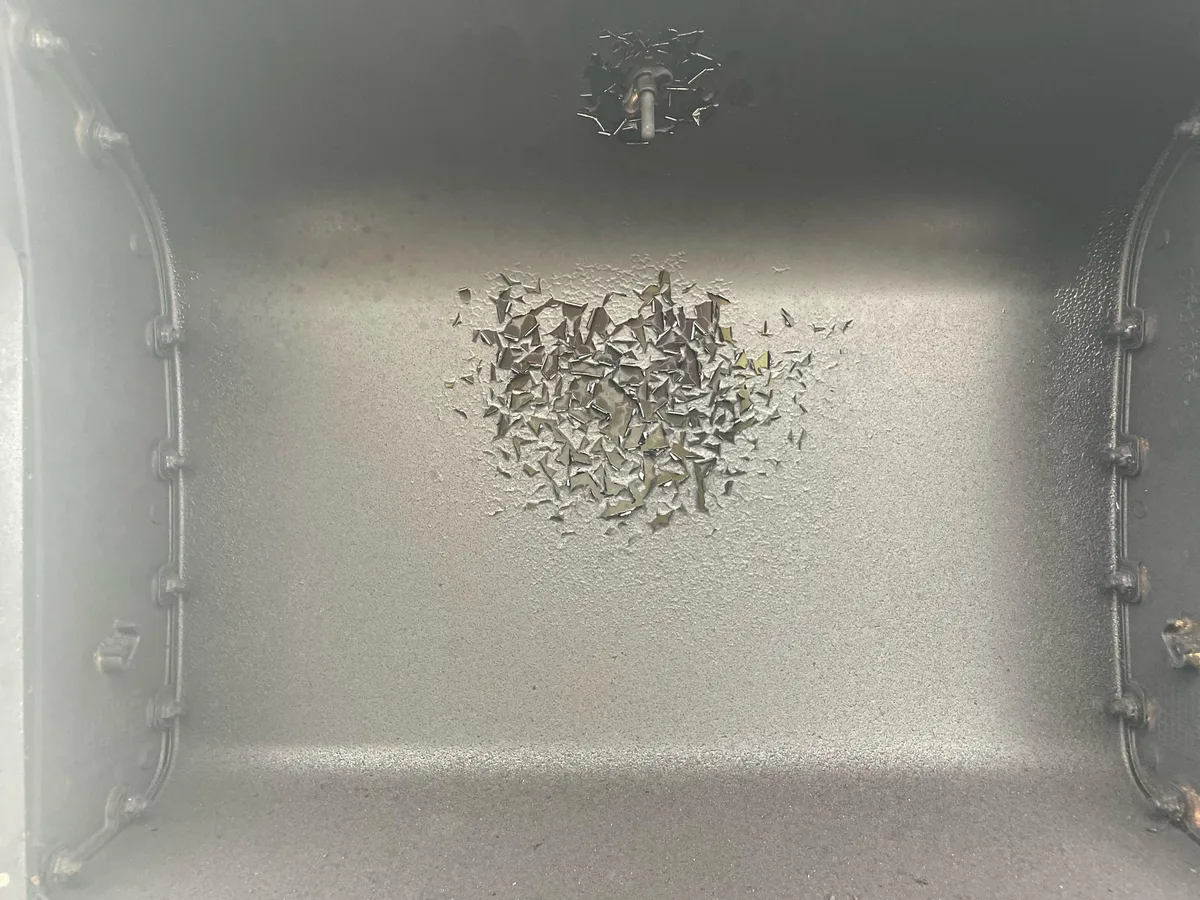
Image source: Web (Bing) / reddit.com (Web image (fair-use with source credit))
Gas grills are the biggest offenders because the lid stays closed during most cooking, trapping the vaporized grease inside. The drippier the food, the faster the buildup. Burgers, chicken thighs, and marinated meats are prime culprits.
The National Fire Protection Association (NFPA) tracks outdoor cooking fires annually, and grease buildup is consistently cited as a contributing factor in grill-related incidents. It's not just ugly. It's the leading preventable cause of grill flare-ups.
2. Charcoal Soot and Ash Particles
Charcoal grills produce soot, especially when you use lighter fluid or chimney starters with cheap briquettes. The soot particles float up with the smoke and settle on the lid interior. Combined with the smoke's vaporized oils, you get that layered black crust.
The key difference here is texture. Soot stays dry and powdery, so it's less dangerous than grease tar. But it does trap moisture against the lid surface, which can accelerate rust on bare steel lids if left unchecked.
3. Factory Oils Burning Off on a New Grill
If your grill is brand new and the lid turns black after the first couple of cooks, relax. Manufacturers coat bare steel and porcelain lids with protective oils to prevent rust during shipping and storage. When you fire it up, those oils burn off and leave a temporary black residue.
This is expected and burns away completely after two or three hot cooks. If you're scrubbing it off on week one, you're wasting effort.

Image source: Web (Bing) / shungrill.com (Web image (fair-use with source credit))
A quick burn-off at 400°F to 500°F for 20 to 30 minutes before your first cook clears most of it. The leftover smoke from this process is normal, just make sure you're in a well-ventilated area.
4. Heat Bluing and Porcelain Enamel Changes
Stainless steel lids develop a blue-black shimmer when heated. This is a thin oxide layer forming on the metal surface, the same science behind how heat-treated tools get their colors. It's cosmetic only and doesn't weaken the lid.
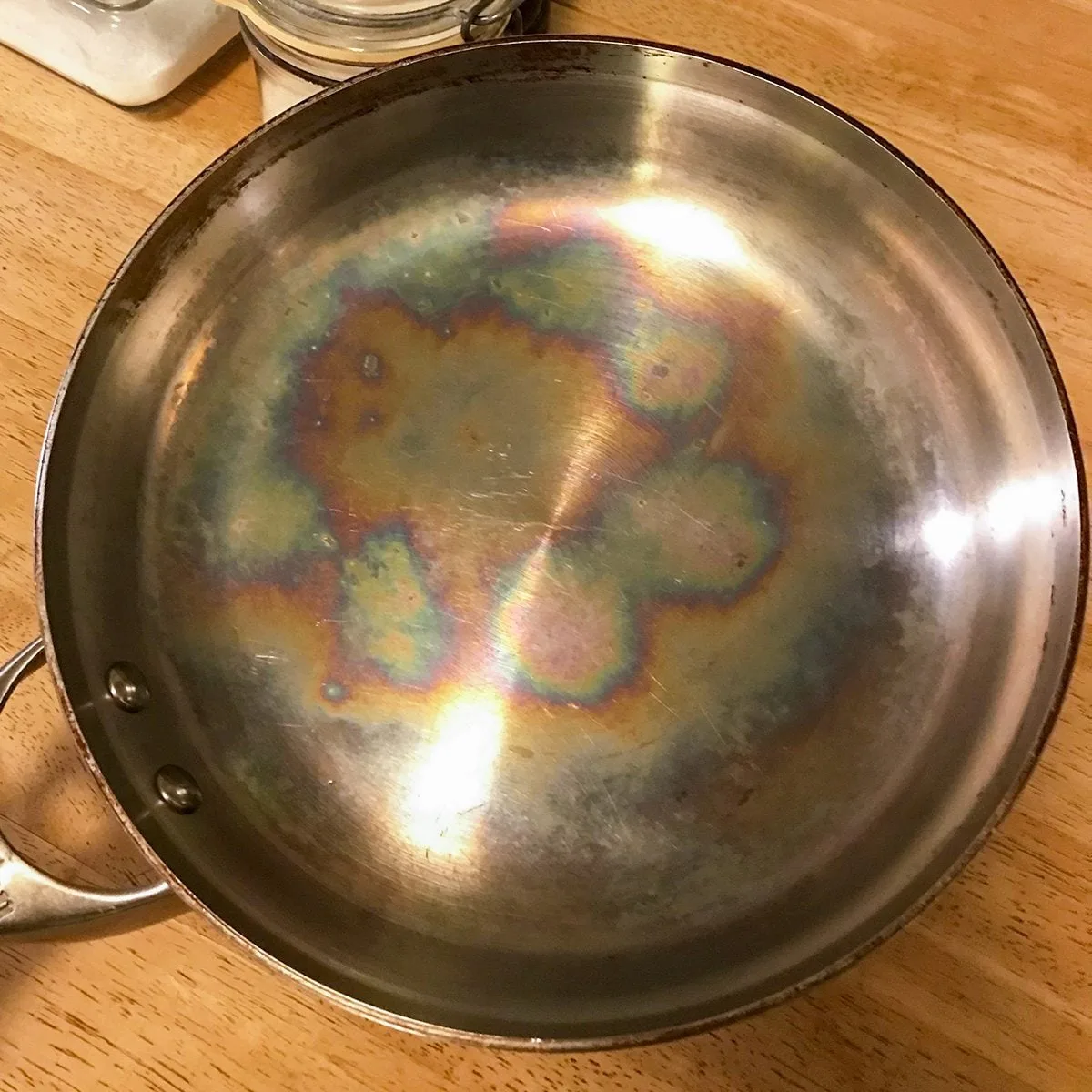
Image source: Web (Bing) / tasteofhome.com (Web image (fair-use with source credit))
Porcelain-coated lids, on the other hand, can craze, which means fine cracks appear in the enamel from thermal stress. Over time those cracks fill with carbon, making the lid look permanently black and grimy even after cleaning.
Once porcelain crazes, scrubbing won't restore it. The black is locked into the micro-cracks. You can slow it down by preheating gradually, but you can't reverse it.

Image source: Bing (Web (fair-use with source credit))
Bare steel lids take the opposite approach and just darken evenly with age. This is actually desirable. It's essentially seasoning, like a cast iron skillet, and it provides a non-stick surface that sheds grease more easily.
How to Diagnose Which Cause You're Dealing With
You don't need a lab test to figure this out. A few simple checks at the grill will tell you everything.
Check the Texture: Powdery, Sticky, or Smooth?
Press a dry paper towel against the black area. If powder comes off, it's soot. If the towel sticks or comes away stained but not dusty, it's grease.
If nothing comes off and the surface is smooth to the touch, it's heat discoloration or crazed enamel.
Each texture has a different fix. Soot wipes away with a dry cloth. Grease needs a degreaser or heat.
Heat discoloration accepts no fix at all.
Check the Location: Inside, Outside, or Both?
Black on the inside lid only is normal. It's the grease and soot doing what they do. Black drips running down the outside of the lid mean the buildup on the inside is heavy enough to melt and run, which happens when the lid gets hot enough to liquefy the grease layer.
That's your signal to clean it before your next cook.
Black on the outside without inside buildup points to the metal itself discoloring from heat. That's cosmetic.
Check the Timeline: New Grill or Years of Use?
A three-week-old grill with a black lid is burning off factory oils. A three-year-old grill with a black lid is accumulating grease. The new grill needs time, the old grill needs cleaning.
If you inherited a used grill with a black lid, assume the worst and clean it thoroughly before your first cook. You don't know the previous owner's maintenance habits or what's baked into that layer.
When a Black Lid Becomes a Safety Concern
Most black buildup is cosmetic, but there's a line where it becomes dangerous. Knowing where that line is keeps you from grilling with a fire hazard sitting right above your food.
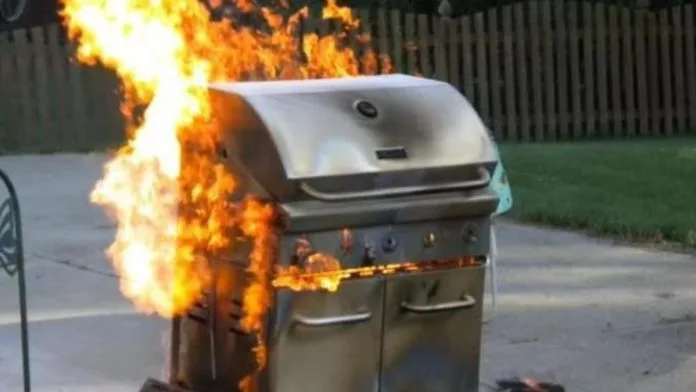
Image source: Bing (Web (fair-use with source credit))
Grease Fire Risks and How to Spot the Warning Signs
Thick, layered grease that's started to drip or look wet is your warning sign. When that grease heats up, it melts and can ignite within seconds, sending flames into the lid and beyond. Grease fires are a leading cause of home grill accidents, and the buildup layer is the fuel.
If you see flames licking up from the cooking grate or out from under the lid, don't open it. The sudden oxygen rush can cause a flare that burns you badly. Turn off the gas or dump the coals out and let it burn down.
The NFPA reports that roughly 10,600 home fires a year start with outdoor grills, and failure to clean is one of the top contributing factors. That's your authority-backed reason to stay ahead of the buildup.
Flaking Residue Falling Onto Your Food
When the carbon layer gets thick enough, it starts flaking off the underside of the lid. Those black chips fall onto your food while it cooks. It's not toxic, but it tastes like burnt grease and it's not something you want to eat.
The USDA recommends avoiding charred deposits on grilled food as a general practice.
If your food is coming out speckled with black bits, your lid needs a serious cleaning. The same applies to any visible hanging strands of residue on the underside.
Beyond the taste issue, flaking indicates the grease layer has grown thick enough to become structurally unstable. That's the same layer that fuels grease fires. Clean it, don't just brush it off.
Step-by-Step: How to Clean a Black Grill Lid
Now that you know what you're dealing with, here's how to fix it. The method depends on whether you're cleaning the inside or outside, and what kind of lid you have.
Cleaning the Inside of the Lid (Without Damaging the Finish)
Start with the easiest approach first. Heat works wonders on grease residue. Fire up the grill to 450°F to 500°F with the lid closed for 20 to 30 minutes.
This burns off the softer grease layers and turns them into ash that brushes off easily.
Once the lid cools to just warm, use a grill brush with stiff brass bristles to scrape the interior. Focus on the worst areas. The carbon that remains after a burn-off is the baked-on layer that needs elbow grease.
For stubborn spots, mix a paste of baking soda and water. Apply it to the black areas, let it sit for 15 minutes, then scrub with a non-abrasive pad. Rinse with a damp cloth and let the lid dry completely before closing it.
Never use oven cleaner on porcelain-coated lids. The harsh chemicals can strip the enamel and cause permanent damage. Stick to baking soda, mild dish soap, or specialized grill cleaners labeled safe for porcelain.
Cleaning the Outside of the Lid
The outside usually just gets surface soot and smoke film. A mixture of warm water and mild dish soap handles most of it. Wipe with a soft cloth, rinse, and dry.
For stainless steel exteriors, use a stainless steel cleaner to restore the finish and remove any heat discoloration that's still on the surface. Avoid abrasive pads that leave micro-scratches, those will trap more residue next time.
If the black drips have baked onto the outside, warm the grill slightly first. Heat softens the residue and makes it easier to wipe away. Just don't let it get hot enough to burn you.
Dealing With Stubborn Baked-On Carbon
Some layers won't come off with any amount of scrubbing. When that happens, you have two options.
The first is repeated heating and scraping cycles. Burn off, cool, scrape, repeat. This is slow but gentle on the lid's finish.
Most porcelain lids need one to three cycles before they look clean again.
The second is a plastic scraper or putty knife used carefully on flat surfaces. This works well for the thick tar that forms around the top edge of the lid. Just avoid scraping over painted surfaces or exposed bare metal, where you could gouge the finish.
How to Prevent the Black Buildup From Coming Back
Cleaning is half the battle. Keeping the buildup from returning is the part most people skip, and it's what separates a grill that lasts a decade from one that rusts out in three years.
Proper Airflow and Vent Management
Grease vapor condenses on the lid because it gets trapped there. The solution is giving that vapor somewhere to go. Keep the top vents fully open during high-heat cooks so steam and smoke escape instead of pooling on the lid interior.
For charcoal grills, adjust the bottom damper to control burn rate. A cleaner burn means less soot in the smoke. If you're getting heavy soot deposits, your charcoal is burning too cool and smoky.
The Right Way to Preheat and Post-Cook Care
Always preheat with the lid closed for 10 to 15 minutes before cooking. This gets the lid hot enough that fresh grease vapor doesn't condense as readily. A hot lid sheds grease.
A cool lid collects it.
After cooking, leave the lid open for a few minutes while the grill cools. This lets residual steam escape rather than trapping it against the metal. Then brush the grates and scrape any visible buildup while it's still warm.
When and How to Season a Bare Steel Lid
Bare steel lids benefit from the same seasoning principle as cast iron. After cleaning, apply a thin layer of high-smoke-point oil like canola or grapeseed to the interior surface. Heat the grill to 350°F for 30 minutes with the lid closed.
The oil polymerizes into a smooth, dark coating that resists grease buildup.
Seasoning a bare steel lid once or twice a season keeps it protected and makes future cleaning significantly easier. The dark, seasoned surface is exactly what you want to see, it's not dirt, it's a non-stick layer of polymerized oil.
Porcelain and stainless steel lids don't need seasoning. The porcelain already has a non-stick surface, and stainless steel benefits more from regular cleaning than from oil coatings.
Bare Steel vs. Porcelain-Coated vs. Stainless Steel Lids
If you're shopping for a new grill or trying to understand why your current one behaves the way it does, the lid material matters more than you'd think. Each type handles the black buildup problem differently.
| Lid Material | How It Handles Heat | Black Buildup Behavior | Maintenance Level |
|---|---|---|---|
| Bare Steel | Darkens evenly with seasoning | Soot and grease bond but season over time | Low (season 1-2x/year) |
| Porcelain-Coated Steel | Reflective, stays cooler | Grease wipes off easily until enamel crazes | Medium (avoid abrasives) |
| Stainless Steel | High heat, bluing expected | Discoloration permanent, residue wipes clean | Low (clean after each use) |
Bare steel is the most forgiving. It rusts if neglected, but it's also the easiest to restore and season. If you're the type who wants to scrub it clean and start fresh, this is the practical choice.
Porcelain-coated steel is the most common on mid-range grills because it resists rust and cleans up well. The downside is the enamel's lifespan. Once it chips or crazes, that section of the lid becomes vulnerable to rust, and no amount of cleaning restores the original finish.
Stainless steel looks premium and resists rust entirely, but the heat bluing that develops on the lid is permanent. You're not going to keep a stainless lid looking factory-new forever, so buy it knowing the discoloration is part of the experience.
Grill Care by Season: Spring Start-Up and Winter Storage
The black buildup problem gets worse or better depending on how you store and prepare your grill between seasons.
Spring Start-Up
After months of sitting, the first cook of the season is the highest risk for flare-ups. The grease layer that was soft in fall has hardened into a brittle crust that can crack and flake, and any moisture trapped under it accelerates rust.
Before your first cook, inspect the lid interior. Scrape off any flaking carbon, check for rust spots on bare steel, and confirm the porcelain isn't chipping around the edges. A proper spring cleaning prevents mid-summer surprises.
Winter Storage
If you store your grill outdoors under a cover, know this: covers trap moisture against the lid, which accelerates rust and breaks down porcelain enamel faster than winter weather itself. The moisture trapped between the cover's fabric and the metal is the real enemy.
Use a cover with vents so condensation can escape. Alternatively, store the grill in a shed or garage during the off-season. If neither is possible, at least ensure the lid is completely dry before covering it after your last cook of the season.
Common Mistakes That Make the Problem Worse
A few well-intentioned habits actually cause more black buildup or damage the lid permanently. Here's what to avoid.
Scrubbing with steel wool on porcelain. The abrasive scratches the enamel, giving grease and soot rough spots to grip. Next season's cleanup gets harder, not easier.
Using oven cleaner on any grill surface. The caustic chemicals degrade paint and enamel. Stick to baking soda, soapy water, or a chemical cleaner specifically labeled safe for grill surfaces.
Cooking with the lid closed at low temperatures. Low heat means the grease doesn't burn off, so it condenses and accumulates. Let the grill run hot with the lid open periodically to burn off residue naturally.
Ignoring the drip tray. A clogged drip tray forces grease to overflow onto the burners and the bottom of the grill, where it vaporizes and coats the lid interior on the next cook. Empty and clean it regularly.
Spraying cooking oil directly on the grill grate. Excess oil vapors rise, condense on the lid, and add to the buildup. Apply oil with a paper towel or brush to a preheated grate instead.
FAQs About Black Grill Lids
Is a black grill lid a fire hazard?
Only when the buildup is thick enough to drip or flake in substantial amounts. A thin, even layer of carbon is normal. If you see wet-looking grease or hanging strands of residue, that's a fire risk that needs cleaning before the next cook.
Can I use oven cleaner on my grill lid?
No. Oven cleaner contains caustic chemicals that strip the finish from porcelain-coated and painted lids. Use dish soap, baking soda paste, or a cleaner specifically labeled safe for grill surfaces.
The risk of permanent damage isn't worth the convenience.
Why does my new grill lid turn black after the first use?
That's factory protective oil burning off. Manufacturers coat steel surfaces to prevent rust during shipping. The residue is normal and usually burns away after two or three hot cooks.
Speed up the process with a 20 to 30 minute burn-off at 400°F before your first cook.
Why does my stainless steel grill lid have blue stains?
That's heat bluing. The chromium oxide layer on stainless steel changes color when exposed to temperatures above roughly 600°F. It's cosmetic, permanent, and doesn't affect the structural integrity of the lid.
No cleaner will remove it.
How often should I clean the inside of my grill lid?
Every two to four weeks during heavy grilling season is practical. If you grill once a week, a monthly wipe-down and quarterly deep clean keeps buildup manageable. If you grill daily, weekly light cleaning prevents the layer from hardening into stubborn carbon.
Will a black grill lid affect the taste of my food?
Only when the buildup starts flaking off onto the food. Those black chips taste like burnt grease and can make your food bitter. Regular cleaning prevents flaking entirely.
A thin, stable carbon layer doesn't transfer flavor on its own.
The Bottom Line: When to Clean, When to Replace, and When Not to Worry
A black grill lid is a normal part of owning a grill. It's not a defect, it's not a sign you're doing something wrong, and it's not going to hurt you or your food as long as you manage it sensibly.
Clean it when the residue gets thick enough to flake or drip. Prevent it by managing airflow, preheating properly, and keeping the drip tray empty. And if you have a bare steel lid, season it once or twice a season to make everything easier.
You only need to worry about replacing the lid when the porcelain has chipped badly enough to expose bare metal to rust, or when the lid has warped from repeated overheating. A warped lid won't seal properly, which throws off your cooking temperatures and makes the black buildup worse in uneven patches.
Otherwise, treat the black layer as a maintenance reminder rather than a problem. A little attention every few weeks keeps your grill cooking well and looking respectable for years.