
It's devastating to see your beloved Peperomia plant start to struggle. That vibrant green turning yellow or those firm leaves going limp can be truly disheartening, but it's not necessarily game over. Often, a dying Peperomia is a clear signal that something in its environment or care routine needs adjusting.
Our research indicates that by systematically diagnosing the issues, we can pinpoint the exact problem and get your plant back on its feet. This often involves a close look at watering habits, light exposure, and even common pests, which can be identified by looking at specific plant symptoms.
Quick Answer
Your Peperomia is likely dying due to common issues like overwatering, underwatering, or insufficient light. Yellowing leaves often point to watering problems. Drooping can signal thirst or root damage.
Brown tips suggest low humidity or mineral buildup. Addressing these specific symptoms with targeted care adjustments usually revives the plant.
What Are You Seeing? Start with Your Plant's Symptoms
When you notice your Peperomia looking unwell, the first step is always to be a good plant detective. The visual cues your plant gives you are its way of communicating what's wrong. Don't just see a "dying plant"; look for the specific details.
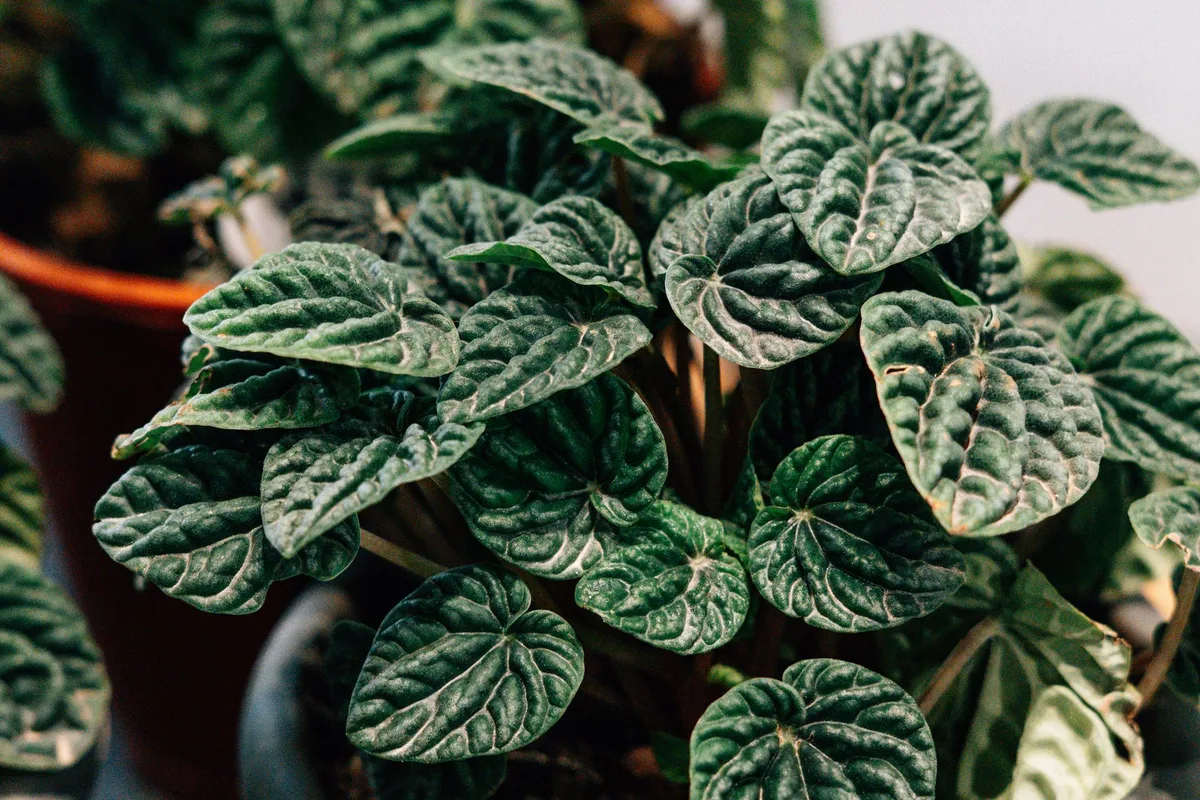
Are the leaves turning yellow, or are they developing brown, crispy edges? Are the stems looking soft and mushy, or are they brittle and dry? Each of these signs tells a different story about what your plant needs, or what it's getting too much of.
Paying close attention now will save you a lot of guesswork later.
Yellowing Leaves: Is it Over or Underwatering?
Yellowing leaves are one of the most common distress signals from a Peperomia. This typically falls into two main camps: the plant is getting too much water, or not enough. It feels counterintuitive, but both can result in yellow foliage.
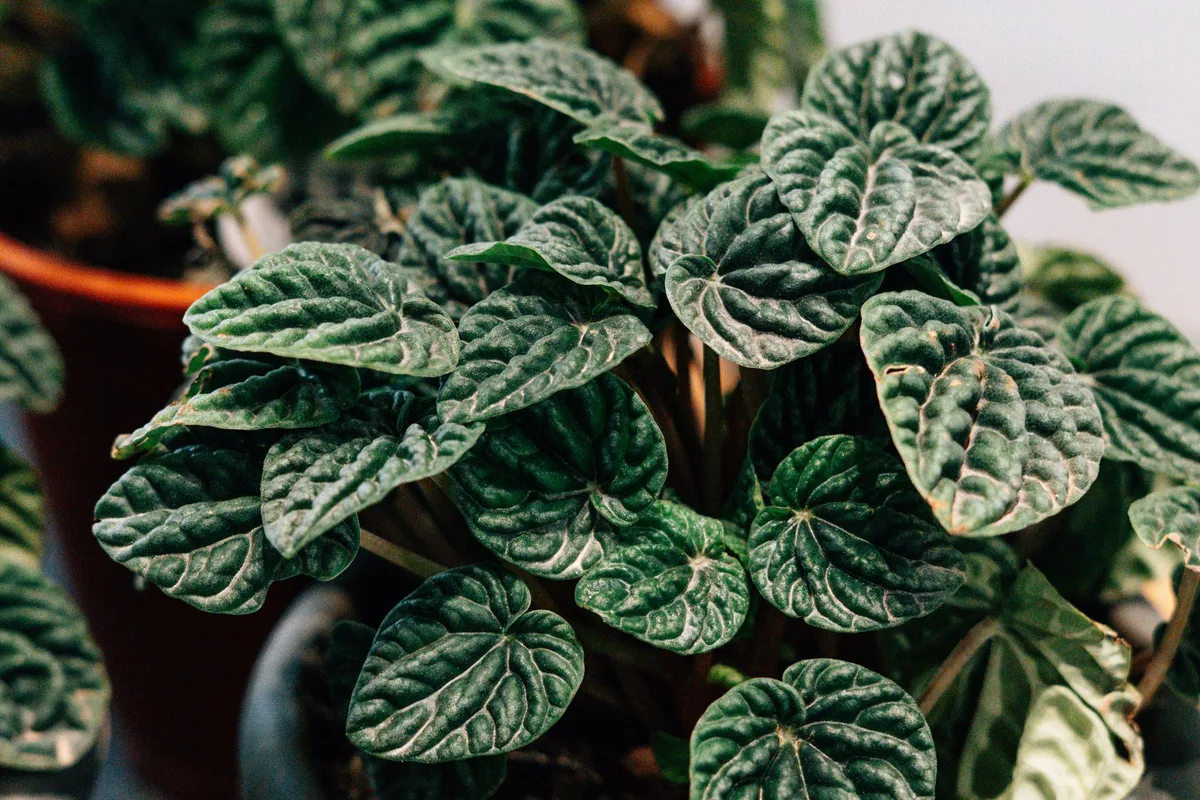
If you've been watering on a strict schedule, especially during cooler months when plants need less moisture, you might be overwatering. This can lead to root rot, which prevents the roots from absorbing water and nutrients, ironically causing yellow leaves. Symptoms of overwatering include leaves that are yellow and may feel soft or limp, sometimes with a slightly mushy texture.
Conversely, if the soil has been bone dry for an extended period, your Peperomia might be yellowing from dehydration. In this case, the leaves might also look a bit wilted and papery before they turn yellow and eventually crisp up. Checking the soil moisture is key; stick your finger about two inches deep.
If it feels dry, it's likely time to water. If it feels wet, hold off and let it dry out.
Drooping Stems: Vitality Drain or Thirst?
Seeing your once-proud Peperomia stems start to sag can be alarming. This wilting appearance is often a direct response to stress. The most common cause, much like with yellowing leaves, is a problem with water uptake.
If the soil is completely dry and hasn't been watered for several days, the plant is likely just thirsty. The leaves will look limp and may feel dry to the touch. A thorough watering should perk it up within a few hours.
However, if the soil is moist, drooping stems can be a sign of root rot. Damaged or diseased roots can't transport water effectively, even if the soil is wet. This is a critical distinction because trying to "help" a plant with root rot by watering it more will only worsen the problem.
It can also indicate a lack of sufficient light; if your plant isn't getting enough sun, it won't photosynthesize efficiently, leading to droopiness.
Brown Leaf Tips & Crispy Edges: Humidity or Water Issues?
Brown leaf tips and edges are another classic sign that your Peperomia isn't entirely happy. This symptom often points to issues with water quality or the surrounding environment's humidity levels. It's less about the quantity of water and more about its composition or the air's moisture content.
Tap water can contain minerals, salts, and fluoride. When you water your plant, these substances can accumulate in the soil and eventually in the leaf tips, causing them to burn and turn brown. If you notice this, try switching to distilled water, rainwater, or filtered water for your Peperomia.
Low humidity is a frequent culprit, especially in homes with dry winter air or air conditioning running constantly. Peperomias, native to tropical environments, crave higher humidity. When the air is too dry, the plant loses moisture through its leaves faster than its roots can replenish it, leading to dry, brown edges and tips.
Increasing humidity can be done with a pebble tray, a humidifier, or by grouping plants together.
Mushy Stems and Base: Uh Oh, Root Rot?
A mushy stem, particularly at the base of the plant where it meets the soil, is a serious red flag. This is almost always a symptom of root rot, a fungal disease that thrives in consistently wet conditions. It's one of the most common and often fatal problems for houseplants if not caught early.
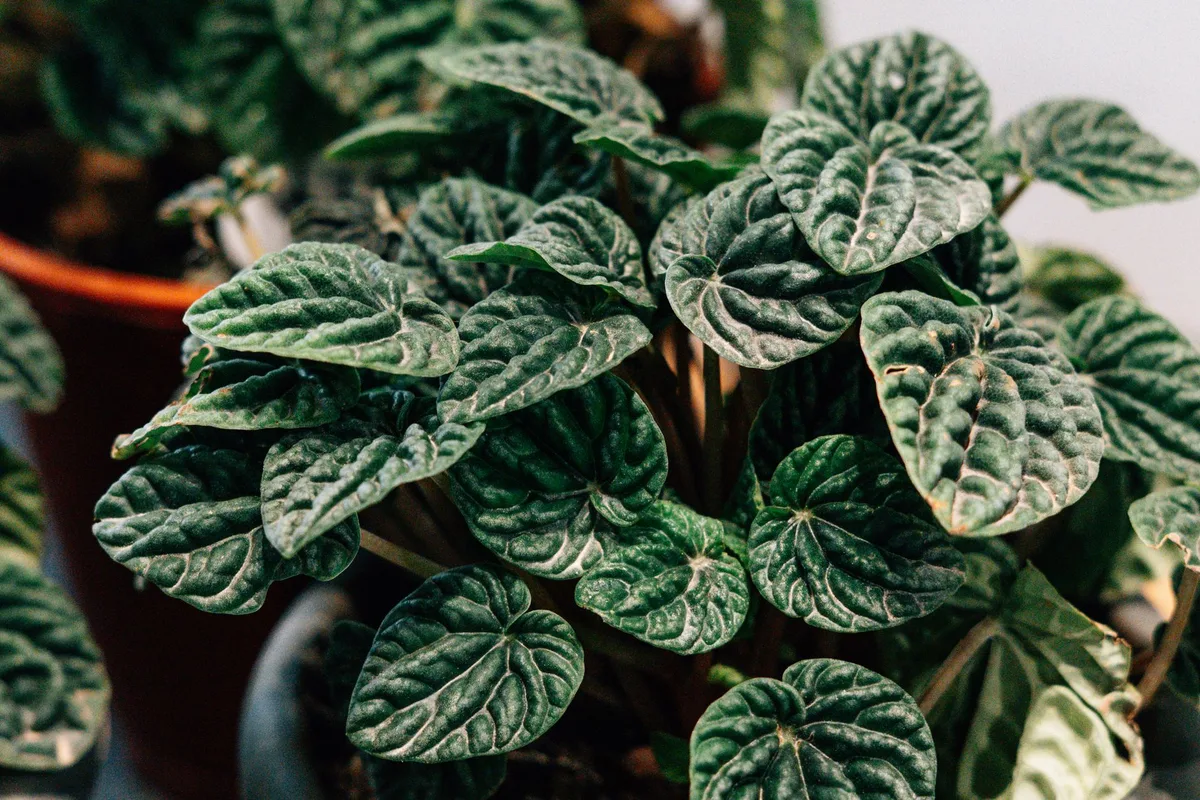
When roots sit in soggy soil for too long, they can't get oxygen and begin to decay. This decay is often accompanied by a foul odor. The rot then spreads up the plant, causing the stems to soften, turn brown or black, and feel squishy to the touch.
If you gently try to pull the plant out of its pot, you might find that the roots slough off easily or appear dark and slimy instead of firm and light-colored.
Addressing root rot requires immediate action. It's crucial to remove the plant from its pot, trim away all affected roots and mushy stem parts, and repot it in fresh, well-draining soil. In severe cases, the plant may not be salvageable.
This is why good drainage and careful watering are paramount for Peperomia health.
Is Your Soil Soggy? The Drainage Dilemma
The very soil your Peperomia grows in plays a massive role in its health, and drainage is the MVP. A plant can technically have the right amount of water given to it, but if that water has nowhere to go, it becomes a problem. This is where the pot and the soil mix really matter.
Most Peperomia varieties, like most houseplants, need soil that drains well. This means water passes through relatively quickly, preventing it from sitting around the roots and suffocating them or encouraging fungal growth like root rot. If your Peperomia is in a pot without drainage holes, or if its soil is compacted and heavy, like pure potting soil or garden soil, it's a recipe for disaster.
A good soil mix for Peperomias typically includes materials like perlite, orchid bark, or pumice to improve aeration and drainage. Manufacturer specifications for potting mixes often suggest a blend that is at least 1/3 perlite. If your current soil is holding too much moisture, it’s time to consider repotting with a better-draining blend.
You can also check how quickly water drains through the pot; if it pools on top or takes hours to seep through the bottom, your drainage might be compromised.
Light Levels: Finding That Sweet Spot for Your Peperomia
Peperomias are generally known as low-to-medium light plants, but that doesn't mean they can thrive in a dark corner. Insufficient light is a common reason for stunted growth, pale leaves, and even eventual decline. If your plant is stretching towards the light source, its stems becoming leggy with large gaps between leaves, it's not getting enough energy.
This "etiolation" is the plant's desperate attempt to reach a brighter spot. While they don't like direct, harsh sunlight, which can scorch their leaves, they do need bright, indirect light for optimal health. An east-facing window, or a spot a few feet back from a south or west-facing window, is often ideal.
Manufacturer specifications for many houseplants, including certain Peperomia varieties, suggest light levels between 500 and 1500 foot-candles for consistent growth. Low light conditions below 100 foot-candles will severely limit photosynthesis. If you're not getting enough natural light, consider supplemental grow lights.
Check the plant's leaf color and growth habit; dullness or stretching are your clues that light is the issue.
Humidity Hype: Does Your Peperomia Need a Spa Day?
As tropical plants, many Peperomia species appreciate higher humidity levels than your average home provides, especially during dry seasons or in arid climates. Low humidity is a common cause of brown, crispy leaf edges and tips, as we discussed earlier. If you notice these symptoms along with a general lack of vigor, humidity could be the culprit.
Your home's indoor humidity can drop significantly, sometimes below 20%, which is far too low for plants that naturally live in humid rainforests. A healthy humidity level for most Peperomias is around 40-60%. You can measure this with a simple hygrometer, a small device that indicates the air's moisture content.
Here are a few effective ways to boost humidity around your plant:
- Pebble Tray: Place the pot on a shallow tray filled with pebbles and water. Ensure the bottom of the pot isn't sitting directly in the water, as this can lead to root rot. As the water evaporates, it increases the humidity around the plant.
- Grouping Plants: Clustering plants together can create a microclimate with slightly higher humidity due to transpiration from multiple plants.
- Humidifier: Using a small room humidifier near your Peperomia is one of the most effective ways to maintain consistent humidity.
- Misting: While misting can offer a temporary boost, it's often not enough on its own and can sometimes encourage fungal issues on leaves if done improperly.
Pest Inspection: Tiny Terrors Hiding in Plain Sight
Even the most meticulous plant parent can sometimes find their Peperomias hosting unwanted guests. Pests can weaken a plant, leading to a host of problems including yellowing leaves, distorted growth, and if severe enough, death. Regular inspections are critical for catching infestations early.
Common pests that might bother your Peperomia include spider mites, mealybugs, aphids, and thrips. Spider mites create fine webbing and tiny yellow speckles on leaves. Mealybugs appear as white, cottony masses, often in leaf axils or on stems.
Aphids are small, green or black insects typically found on new growth, and thrips are tiny, slender insects that leave silvery streaks and black dots on leaves.
To inspect, gently turn over leaves and look closely at the undersides and along the stems. You can often spot these pests with the naked eye, though a magnifying glass can be helpful. If you find any, the first step is usually to isolate the affected plant to prevent spreading the pests to other plants.
For small infestations, you can try wiping them off with a damp cloth or using a cotton swab dipped in rubbing alcohol. More stubborn infestations may require insecticidal soap or neem oil.
Temperature Troubles: Keeping It Just Right
Peperomias are sensitive to extreme temperature fluctuations and sudden drops. While they can tolerate typical indoor temperatures, they don't appreciate being placed in drafty areas or directly in front of heating or air conditioning vents. These temperature swings can stress the plant, leading to symptoms that might mimic over or underwatering.
The ideal temperature range for most indoor Peperomias, according to horticultural research, is between 65°F and 75°F (18°C to 24°C) during the day. Nighttime temperatures can be slightly cooler, but it's best to avoid temps dipping below 60°F (15°C). Extreme cold can damage leaf cells, while prolonged exposure to heat can cause the plant to dry out too quickly.
Consider where your Peperomia is placed. Is it near a frequently opened door or window that lets in cold air? Is it sitting on a windowsill above a radiator that blasts heat in the winter?
If so, moving the plant to a more stable location will likely help improve its condition. Consistency in temperature is more important than dramatic temperature shifts for these plants.
Fertilizing Faux Pas: Too Much or Not Enough?
Fertilizer provides essential nutrients for plant growth, but applying it incorrectly can do more harm than good. Over-fertilizing is a common mistake that can lead to yellowing leaves, brown tips, and even a buildup of salts in the soil. Peperomias are not heavy feeders, so they don't require a lot of frequent fertilization.
The rule of thumb from garden research centers suggests that during the growing season (typically spring and summer), feeding your Peperomia once a month with a balanced, diluted liquid fertilizer is usually sufficient. Look for a general houseplant fertilizer with an N-P-K ratio like 10-10-10 or 20-20-20. Always dilute the fertilizer to half or even quarter strength recommended on the package to avoid burning the roots.
Under-fertilizing, while less common, can also cause problems. If your Peperomia is in the same soil for several years without any nutrient replenishment, it might start to show signs of nutrient deficiency. This can include slow growth, pale leaves, and a lack of new leaf production.
If your plant is otherwise healthy but just not growing, a light feeding might be beneficial. If you've recently repotted your plant in fresh potting mix, you likely won't need to fertilize for at least a few months, as new soil contains nutrients.
Root Causes: What's Happening Below the Surface
We've talked a lot about symptoms above ground, but the real problems often start with the roots. If your Peperomia is struggling and you've ruled out obvious watering, light, or pest issues, it’s time to investigate what's happening underground. The roots are the plant's lifeline, responsible for water and nutrient absorption.
If the roots are unhealthy, the entire plant will suffer. This is where the diagnosis of root rot or issues with drainage becomes paramount. Examining the root system is a crucial step in understanding why your Peperomia is dying and how to potentially save it.
When to Take Action: Repotting and Pruning
Sometimes, the best way to help a struggling Peperomia is to intervene directly with repotting or pruning. These actions can address underlying issues like rootbound conditions, poor soil, or damaged plant parts. They are responsive measures taken when other environmental adjustments aren't enough or as a follow-up to serious problems like root rot.
Repotting is often necessary when a plant becomes rootbound. This happens when the roots have filled the pot so completely that they've started to circle and restrict each other. Horticultural resources suggest repotting every 1-2 years for most plants, or when you see roots emerging from the drainage holes.
Using a pot that's only 1-2 inches larger in diameter than the current one is generally recommended.
Pruning is useful for removing dead, diseased, or damaged parts of the plant. If you notice yellow leaves that are beyond saving, or stems that have become mushy and clearly infected, carefully trim them away with clean, sharp scissors or pruners. This prevents the spread of disease and encourages the plant to put its energy into healthy new growth.
It also improves air circulation around the plant.
Reviving Your Peperomia: A Step-by-Step Rescue Plan
If you've identified a problem and are ready to intervene, here's a general rescue plan for a declining Peperomia. Remember to act promptly, as these plants can deteriorate quickly.
- Assess the Symptoms: Reconfirm what you're seeing, yellow leaves, drooping, brown tips, mushy stems. This guides your next steps.
- Check Soil Moisture: Stick your finger two inches deep. Is it bone dry, or soggy and wet?
- Inspect Roots (if suspected rot): Gently remove the plant from its pot. Trim away any dark, slimy, or mushy roots with sterile scissors.
- Adjust Watering: If dry, water thoroughly until it drains. If soggy, allow the soil to dry out significantly; repot into better-draining soil if needed.
- Evaluate Light: Move the plant to a location with bright, indirect light. Avoid direct sun.
- Boost Humidity: If dry air is likely, use a pebble tray or humidifier.
- Treat Pests: If pests are found, isolate the plant and treat with appropriate methods.
- Repot (if necessary): Use fresh, well-draining soil in a slightly larger pot with drainage holes.
- Prune Damaged Parts: Remove any yellow, brown, or mushy leaves and stems.
Common Mistakes That Send Peperomias to the Great Greenhouse in the Sky
Even with the best intentions, certain common care mistakes can doom your Peperomia. Understanding these pitfalls can help you avoid them. Many issues stem from giving the plant what we think it needs, rather than what it actually requires.
One of the biggest mistakes is overwatering. Because the leaves can droop when thirsty, it's easy to assume more water is the answer when it's actually too much. Always check the soil moisture before reaching for the watering can.
Another frequent error is placing Peperomias in direct sunlight, which can quickly scorch their delicate leaves.
Ignoring the need for good drainage is also a fast track to problems. Using the wrong pot or soil mix that retains too much moisture will inevitably lead to root rot. Finally, many new plant enthusiasts forget about pests, allowing small infestations to grow into major issues before they even notice.
Regular checks are key.
When It's Time to Say Goodbye (or Seek Expert Help)
Sometimes, despite your best efforts, a plant is simply too far gone. If your Peperomia's stems are completely mushy and black, or if all its leaves have fallen off and the remaining stems are brittle, it might be time to accept that it's beyond saving. Recognizing when to let go is also a part of plant care.
However, before giving up completely, consider if the issue might be something less common or more severe than you can diagnose. If you've tried all the standard solutions and your plant is still declining rapidly, it might be worth consulting a local horticultural society or an experienced master gardener. They might have insights specific to your region's environmental conditions or be able to identify a rare pest or disease.
As of 2026, resources from university extension offices remain excellent sources for advanced plant diagnostics.