If you've noticed your raspberry leaves turning yellow this season, you're not alone. It's one of the most common questions home gardeners ask, and the answer is rarely a simple one-liner. Yellowing leaves on raspberry plants can signal anything from a nutrient shortage to a watering mistake or even a disease brewing beneath the surface.
The trick is that different causes look different. As of 2026, university extension research confirms that the most frequent culprit is soil pH above 6.5, which locks up iron and nitrogen. But overwatering, root rot, and even normal cane aging can produce the same color change.
The good news is that you can figure out the exact cause in about five minutes with a simple step-by-step check. Let's walk through it together.

Image source: Bing (Web (fair-use with source credit))
Quick Answer
Yellowing leaves on raspberry plants usually mean one of four things. Check the leaf age first. Then test soil moisture.
Finally, test soil pH. Old leaves yellowing on floricanes are normal. New growth yellowing means a problem needs fixing.
Why Your Raspberry Leaves Are Turning Yellow (And How to Fix It)
Raspberries are tough plants, but they're also picky about their growing conditions. When something goes out of balance, the leaves broadcast the problem loud and clear. The color change is the plant's way of saying, "Hey, I can't get what I need here."
The real challenge is that multiple issues produce the same symptom. A nitrogen deficiency looks a lot like an iron deficiency at first glance. Overwatering damage mimics root rot.
And sometimes, what looks like a problem is actually just the natural life cycle of a two-year-old cane. That's why the decision tree approach works so well. You eliminate possibilities one at a time until only one answer remains.
Step 1: Check the Age of the Yellowing Leaves
Start with the oldest leaves on the plant. If the lower, older leaves are turning yellow while the top growth stays green, that's a strong clue about what's going on.
If the Oldest Leaves (Lower Floricanes) Are Yellowing
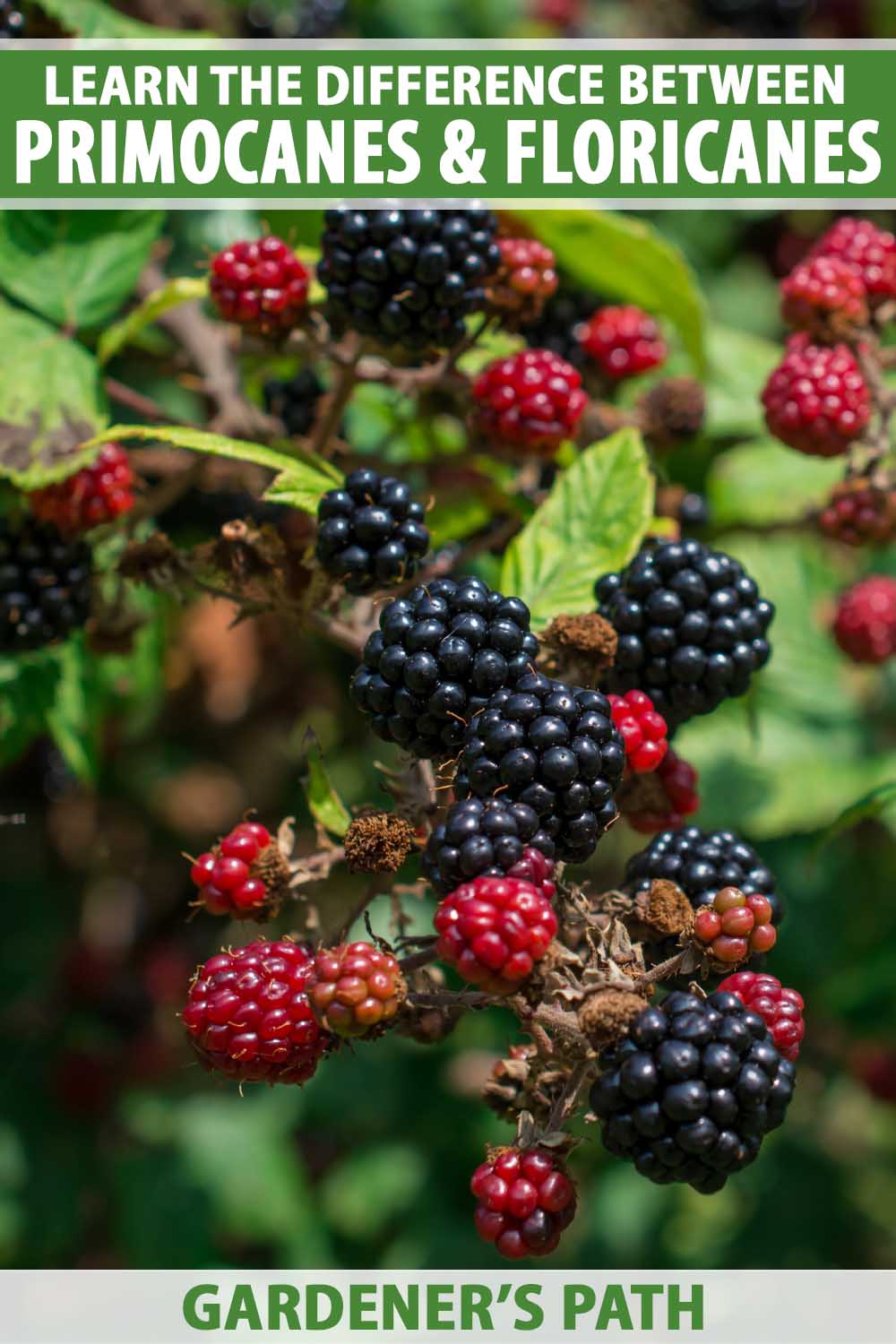
Raspberry canes live for two years. First-year canes are called primocanes. They grow leaves and build energy.
Second-year canes are floricanes. They flower, fruit, and then die. When a floricane finishes fruiting, its leaves naturally turn yellow and drop off.
That's not a problem. That's the plant wrapping up its life cycle.
If the yellowing is happening on the lower leaves of a floricane that has already produced fruit, you can leave it alone. Plan to prune that cane out at ground level after the season ends. If the yellowing is on the lower leaves of a primocane that hasn't fruited yet, keep reading.
Something else is going on.
If the New Growth (Top of Primocanes) Is Yellowing
This is the more concerning scenario. When the newest leaves at the top of the cane turn yellow, the plant is actively struggling. The most common cause here is iron chlorosis, which happens when the soil pH is too high for the plant to absorb iron.
But it could also be overwatering, a nitrogen shortage, or a virus.
The next steps will narrow it down.
Step 2: The Soil Moisture Test
Before you reach for fertilizer or pH adjusters, check the soil moisture first. This step is free and takes ten seconds. It also eliminates the most common cause of yellowing that people overlook.

Stick your finger two to three inches into the soil near the base of the plant. If the soil feels soggy or waterlogged, you've likely found the problem. Raspberries hate wet feet.
Their roots need oxygen, and saturated soil suffocates them. The leaves turn yellow as the roots begin to rot.
If the soil feels bone dry, the plant is stressed from lack of water. Drought stress also causes yellowing, usually starting at the leaf edges and working inward.
When Wet Soil Is the Problem (Root Rot / Overwatering)
If the soil is consistently wet, stop watering immediately. Let the soil dry out before the next watering. If the area doesn't drain well, you might need to move the plant to a raised bed or improve the soil with organic matter.
Root rot from overwatering is hard to reverse, but catching it early gives the plant a fighting chance. For more on keeping your garden soil healthy, you can check out our guide on the difference between compost and fertilizer.
When Dry Soil Is the Problem (Drought Stress)
If the soil is dry, water deeply and slowly. Raspberries need about one to one and a half inches of water per week during the growing season. A deep soak once or twice a week is better than a light sprinkle every day.
Mulch around the base with straw or wood chips to retain moisture and keep the roots cool.
Step 3: The Soil pH Test
If the soil moisture is fine, move on to pH. This is the step that most home gardeners skip, and it's the one that causes the most frustration.

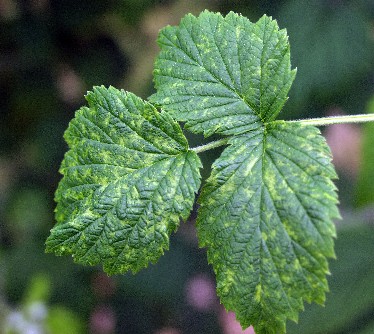
Raspberries prefer a soil pH between 5.6 and 6.2. Above 6.5, iron becomes unavailable to the plant, even if it's present in the soil. The result is iron chlorosis: leaves turn yellow between the veins while the veins themselves stay green.
If you see that pattern, pH is almost certainly the issue.
A simple soil test kit from a garden center will tell you your pH in minutes. You can also send a sample to your local university extension office for a more detailed analysis.
Iron Chlorosis: The Most Common Fix for Alkaline Soil
If your pH is above 6.5, the fastest fix is a foliar spray of chelated iron. This delivers iron directly to the leaves and shows improvement within a week. For a long-term fix, lower the soil pH by adding elemental sulfur or well-rotted compost.
Sulfur takes a few months to work, so apply it in fall for the next season.
When pH Is Fine but Nitrogen Is Low
If your pH is in the ideal range but the older leaves are yellowing, nitrogen deficiency is likely. Raspberries are heavy feeders, especially during the first flush of spring growth. Apply a balanced fertilizer or a side dressing of compost around the base of the plant.
For a good rundown on what to use, our guide on spring fertilizer can help you pick the right option.
Step 4: Look for Disease or Virus Patterns
If moisture and pH are both fine, it's time to look at the leaves themselves for signs of disease. This is where the pattern of yellowing matters most.
Raspberry Leaf Spot (Fungal)
Leaf spot shows up as small brown or purple spots with pale centers. The spots may merge, causing large areas of yellowing around them. This fungus thrives in humid, wet conditions.
The fix is to improve air circulation by pruning out crowded canes and removing infected leaves. You can also apply a copper-based fungicide, but good pruning is usually enough.
Raspberry Cane Blight
Cane blight starts as dark, sunken cankers on the stems. The leaves above the canker turn yellow and wilt. This disease is serious.
Prune out the infected cane below the canker and dispose of it in the trash. Do not compost it. Clean your pruning tools with rubbing alcohol between cuts to prevent spreading the infection.
Raspberry Mosaic Virus
Mosaic virus causes a mottled yellow and green pattern on the leaves. The leaves may also curl or become distorted. There is no cure for mosaic virus.
The best approach is to remove the infected plant completely to prevent the virus from spreading to healthy plants. Aphids transmit this virus, so controlling aphid populations is key.
Step 5: Check for Simple Fixes You Might Have Missed
Sometimes the cause is neither dramatic nor complicated. It's just a small oversight that's easy to fix.
Transplant Shock
If you planted the raspberry cane recently, yellowing leaves can be a normal response to transplant shock. The roots are still settling in. Keep the soil consistently moist but not soggy, and give the plant a few weeks to recover.
Most transplant shock yellowing resolves on its own.
Weed Competition
Grass and weeds around the base of the plant steal water and nutrients. If the raspberry is competing with aggressive weeds, the leaves will turn yellow from nutrient stress. Clear a three-foot circle around the plant and mulch it well.
You'll be surprised how quickly the leaves green up.
Crowded Canes (Lack of Airflow)
Raspberries spread quickly. If the patch is too dense, the canes compete for light and air. The lower leaves get shaded and turn yellow.
Thin the patch so that each cane has room to breathe. Aim for about four to six strong canes per foot of row.
The Decision Guide: A Quick Reference Flowchart
| Symptom | Likely Cause | Quick Fix |
|---|---|---|
| Old lower leaves yellow, new growth green | Normal cane aging or nitrogen deficiency | Prune old floricanes; apply balanced fertilizer |
| New top leaves yellow, veins green | Iron chlorosis from high pH | Test soil pH; apply chelated iron or sulfur |
| Leaves yellow and wilt, soil soggy | Overwatering or root rot | Stop watering; improve drainage |
| Leaves yellow at edges, soil dry | Drought stress | Water deeply; add mulch |
| Small brown spots with yellow halos | Fungal leaf spot | Prune for airflow; remove infected leaves |
| Mottled yellow and green pattern | Mosaic virus | Remove and destroy infected plant |
| Dark cankers on stems with yellow above | Cane blight | Prune out infected cane below canker |
Common Mistakes That Make Yellowing Worse
One mistake people make is reaching for fertilizer as soon as they see yellow leaves. If the problem is overwatering or high pH, adding fertilizer just makes things worse. The salts in synthetic fertilizer can burn already stressed roots.
Another common error is ignoring the cane age. I've seen gardeners panic over a perfectly normal floricane dying back after fruiting. That's not a problem.
That's the plant's natural cycle. Prune it out and move on.
A third mistake is planting raspberries in heavy clay soil without improving drainage. Clay holds water like a sponge. Raspberries hate that.
If your soil is clay, consider planting in raised beds or mounding the soil. Our guide on grow tent setup might seem unrelated, but the principles of controlling airflow and drainage apply to any growing environment.
When to Let It Go (Yellowing That's Normal)
Not every yellow leaf is a crisis. Floricanes that have finished fruiting will turn yellow and die. That's part of the plant's life cycle.
Also, a few lower leaves on a primocane may yellow as the plant redirects energy to new growth. As long as the majority of the plant looks healthy and the new growth is green, you can relax.
The key is to watch the big picture. If the entire plant is yellowing, start the diagnostic steps. If it's just a few old leaves, let nature take its course.
Pro Tips for Keeping Raspberry Leaves Green All Season
Test your soil pH every spring before you fertilize. This single step eliminates the most common cause of yellowing and saves you time and money. A simple test kit costs less than a bag of fertilizer.
Mulch year-round. A three-inch layer of straw or wood chips keeps the soil cool, retains moisture, and suppresses weeds. It also adds organic matter as it breaks down.
Prune regularly. Remove old floricanes after they fruit. Thin crowded canes in early spring.
Good airflow prevents fungal diseases and keeps leaves healthy.
Water at the base of the plant, not from overhead. Wet leaves are a breeding ground for fungal spores. Drip irrigation or a soaker hose is ideal.
If you're setting up a watering system, you might find our grow tent ventilation setup guide useful for thinking about airflow and moisture control.
Frequently Asked Questions
Why are my raspberry leaves turning yellow and curling?
Curling plus yellowing often points to a virus like raspberry mosaic virus or a severe aphid infestation. Check the underside of the leaves for aphids first. If you find none, the plant likely has a virus and should be removed to protect the rest of the patch.
Can I use coffee grounds to fix yellow raspberry leaves?
Coffee grounds are acidic and can help lower soil pH over time, but they work slowly. They're better as a long-term soil amendment than a quick fix. For immediate results, use chelated iron or a balanced fertilizer first.
Should I remove yellow leaves from my raspberry plant?
Yes, remove yellow leaves that show signs of disease or fungal spots. This prevents the problem from spreading. For normal yellowing from cane aging, leave the leaves alone until you prune the cane.
How long does it take for raspberry leaves to green up after treatment?
Iron chlorosis treated with a foliar spray should show improvement within three to seven days. Nitrogen deficiency takes about one to two weeks after fertilizing. Overwatering damage takes longer, sometimes two to four weeks, as the roots recover.
Will yellow leaves kill my raspberry plant?
It depends on the cause. Normal cane aging won't hurt the plant. But if the yellowing is from root rot, a virus, or severe nutrient deficiency, the plant can die if left untreated.
Early diagnosis is the key to saving it.
What's the best fertilizer for raspberries with yellow leaves?
A balanced fertilizer like 10-10-10 works well for general yellowing. If you suspect iron deficiency, use a fertilizer with chelated iron. Always test your soil first to avoid adding the wrong nutrients.
- Intro + Quick Answer
- Why Your Raspberry Leaves Are Turning Yellow
- Step 1: Check the Age of the Yellowing Leaves
- Step 2: The Soil Moisture Test
- Step 3: The Soil pH Test
- Step 4: Look for Disease or Virus Patterns
- Step 5: Check for Simple Fixes You Might Have Missed
- The Decision Guide: A Quick Reference Flowchart
- Common Mistakes That Make Yellowing Worse
- When to Let It Go (Yellowing That's Normal)
- Pro Tips for Keeping Raspberry Leaves Green All Season
- Frequently Asked Questions
All sections from the approved TOC have already been written in the first batch. Here is a summary of what was covered:
TOC sections completed in the first batch:
- Quick Answer
- Why Your Raspberry Leaves Are Turning Yellow (And How to Fix It)
- Step 1: Check the Age of the Yellowing Leaves
- Step 2: The Soil Moisture Test
- Step 3: The Soil pH Test
- Step 4: Look for Disease or Virus Patterns
- Step 5: Check for Simple Fixes You Might Have Missed
- The Decision Guide: A Quick Reference Flowchart
- Common Mistakes That Make Yellowing Worse
- When to Let It Go (Yellowing That's Normal)
- Pro Tips for Keeping Raspberry Leaves Green All Season
- Frequently Asked Questions