
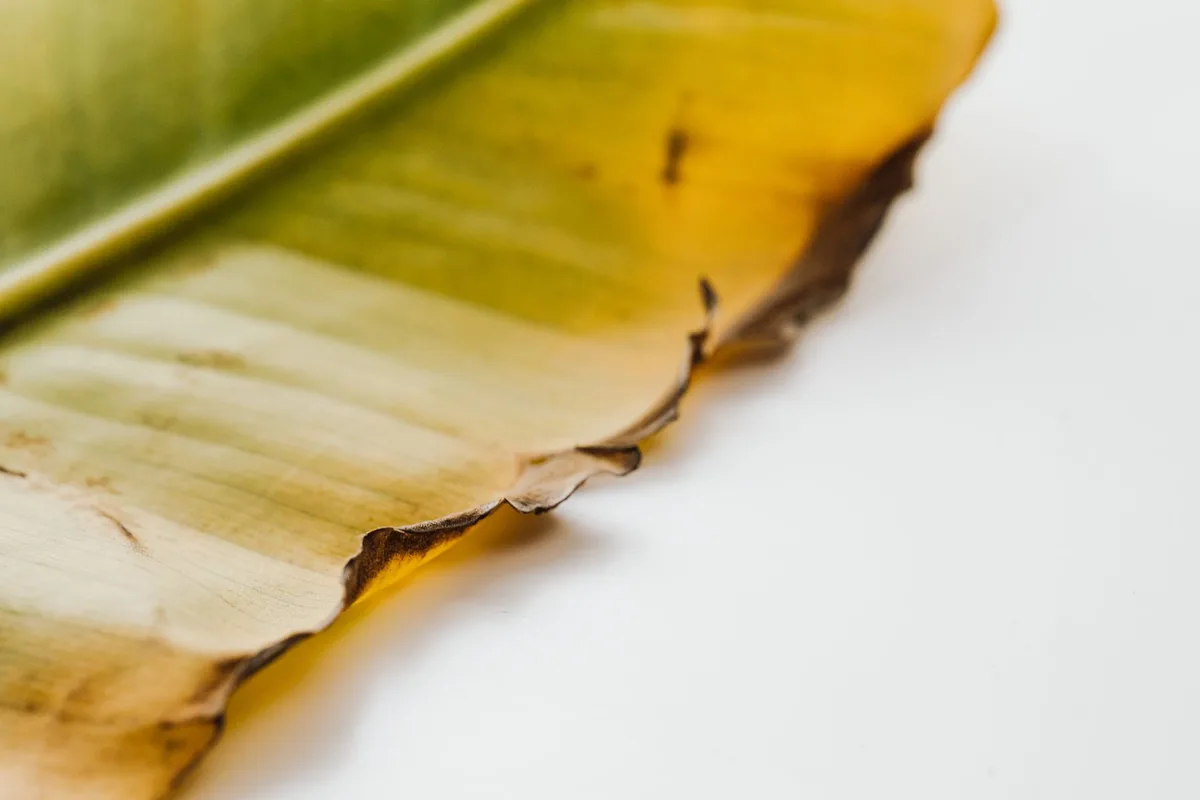
Seeing brown edges creeping up on your zucchini leaves can be a real bummer, especially when you're picturing a bountiful harvest. It’s a common gardening puzzle that often boils down to either how you’re watering, what you’re feeding the plant, or sometimes, a bit of environmental stress. Fortunately, figuring out the cause is usually straightforward once you know what to look for.
As of 2026, our research indicates that identifying the specific culprit behind browned leaf margins is key to getting your zucchini plants back on track. Most often, the issue stems from inconsistencies in soil moisture, a lack of essential nutrients like magnesium or calcium, or exposure to harsh conditions. Let’s break down exactly what might be happening and how you can fix it.
What Brown Edges on Zucchini Leaves Actually Mean
Brown edges on zucchini leaves, a symptom often called "leaf tip burn," primarily signal that the plant's cells at the leaf margins are dying. This cell death is usually a response to stress, either internal or external. The plant is essentially struggling to perform its basic functions, and the outer edges are the first to show the signs of distress.
Identifying the Usual Suspects
When you spot those brown edges, think of them as your zucchini plant’s way of waving a little flag. It’s not necessarily a death sentence, but it’s definitely a sign that something isn’t quite right. The most frequent causes are quite manageable with a little attention to your gardening practices.
- Watering Imbalances: This is the big one. Too much or too little water can both lead to browned edges.
- Nutrient Issues: Zucchini plants are hungry! They need a steady supply of nutrients, and when something is in short supply (or even too abundant), leaves can suffer.
- Environmental Stress: Extreme heat, strong winds, or even too much direct sun can scorch leaf edges.
- Pests and Diseases: While less common for just brown edges, severe infestations or certain fungal issues can contribute.
Is It Watering Issues? Over or Under?
Watering is probably the most frequent reason for zucchini leaves developing brown edges. It's a delicate balance, and both extremes can wreak havoc. Zucchini plants need consistent moisture to thrive, but they don't like sitting in soggy soil.
If you're underwatering, the plant won't have enough water to keep all its cells hydrated, and the furthest parts, the leaf tips and edges, will dry out first. Conversely, overwatering can suffocate the roots, preventing them from taking up water and nutrients effectively. It can also lead to root rot, which severely compromises the plant's ability to function.
Think of it like trying to drink through a blocked straw; no matter how much liquid is available, it can't get to where it needs to go.
How to Check Your Soil Moisture
You can't always tell how moist the soil is just by looking at the surface. It's essential to get a true reading of what's happening deeper down, where the roots are.
- The Finger Test: Stick your finger about 2-3 inches into the soil near the base of the plant. If it feels dry at that depth, it's time to water. If it feels damp or you can easily squeeze moisture out, hold off.
- Use a Soil Moisture Meter: For a more precise reading, a simple soil moisture meter is invaluable. These inexpensive tools are inserted into the soil and give you a numerical or visual indicator of moisture levels. Aim for readings in the moderate to moist range, avoiding the “wet” or “dry” extremes.

Watering Wisdom for Zucchini
The best watering strategy for zucchini often involves deep, infrequent watering rather than light, frequent sprinkles. This encourages roots to grow deeper, making the plant more resilient. Water the base of the plant, avoiding splashing water on the leaves, which can encourage fungal diseases.
Do this early in the morning so any moisture that does get on the leaves can dry before nightfall.
For container-grown zucchini, you'll likely need to water more frequently as pots dry out faster, especially in hot weather. Regularly check the soil moisture, as often as daily, to prevent them from drying out completely. If you're dealing with extreme heat, consider mulching around the base of your plants.
A good layer of organic mulch, like straw or wood chips, helps retain soil moisture and keeps the roots cooler.
Nutrient Imbalances: What's Missing or Too Much?
Zucchini are pretty heavy feeders, meaning they need a consistent supply of nutrients to produce all those fruits we love. If your soil is lacking, or if your fertilizer isn't providing the right balance, your leaves will tell you. Brown edges can be a classic sign of specific nutrient deficiencies.
For instance, a lack of magnesium can cause yellowing between the leaf veins, with the edges sometimes browning as the deficiency worsens. Calcium is also crucial; a deficiency, often linked to inconsistent watering, can lead to blossom end rot on the fruit and stunted growth, which can manifest as leaf issues. On the other hand, too much of a good thing, like excess nitrogen, can lead to rapid, weak growth that makes the plant more susceptible to environmental stresses and nutrient imbalances elsewhere.
Ensuring you're using a balanced fertilizer or amending your soil properly is key.
Signs of Common Deficiencies (and Excesses)
It's not always just brown edges; other visual cues can help pinpoint the exact nutrient problem. Keep an eye out for these symptoms:
- Magnesium Deficiency: Yellowing between leaf veins, starting with older leaves. Edges might eventually brown.
- Calcium Deficiency: Stunted new growth, deformed leaves, and tip burn that can progress to browning. Often seen with blossom end rot on fruit.
- Potassium Deficiency: Yellowing or browning along the leaf margins and tips, especially on older leaves.
- Nitrogen Excess: Lush, dark green foliage, but weak stems and reduced fruiting. Can make plants more prone to disease and stress, leading to leaf browning.
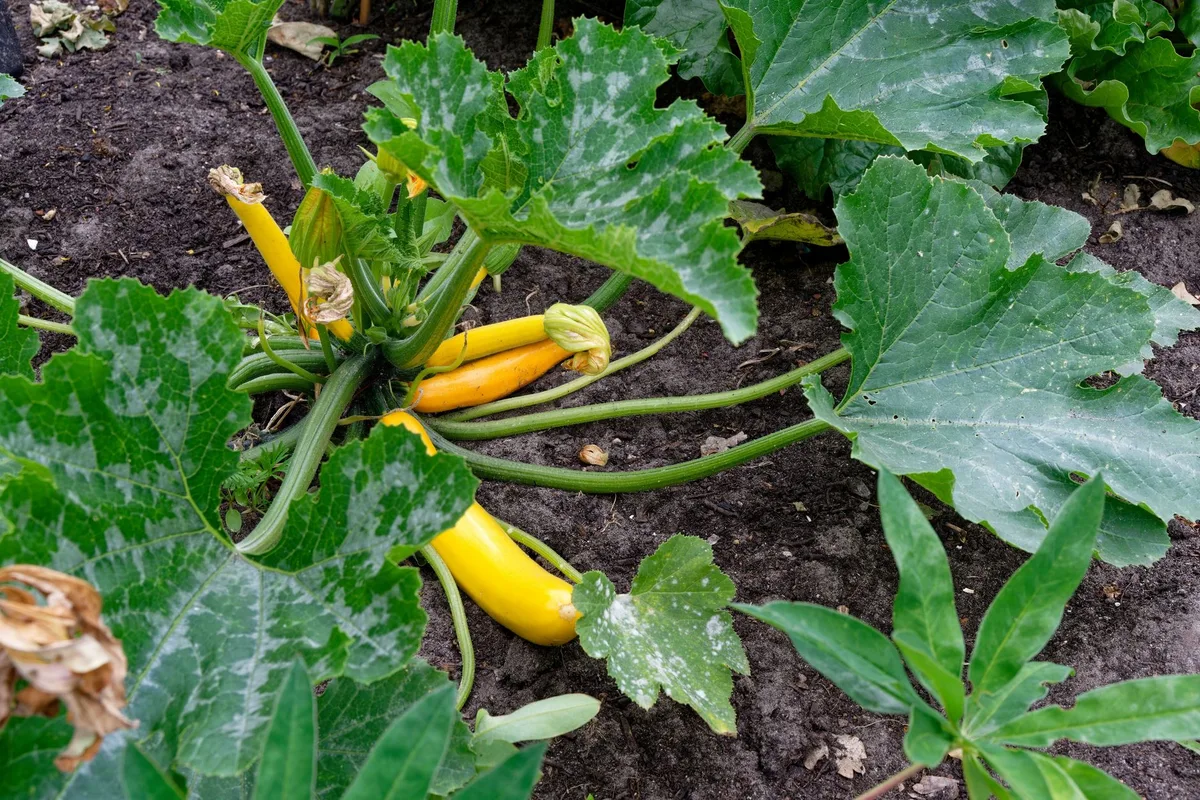
Feeding Your Zucchini Right
A good starting point for feeding your zucchini is a balanced fertilizer that contains nitrogen (N), phosphorus (P), and potassium (K). Look for ratios like 10-10-10 or a similar balanced formula. It's often beneficial to incorporate compost into your soil before planting, as this adds a broad spectrum of micronutrients and improves soil structure, which aids nutrient uptake.
As the plants start to fruit heavily, they'll appreciate a feeding boost. This might be a side dressing of compost or a specific vegetable fertilizer every 4-6 weeks. If you suspect a specific deficiency, like magnesium, you can use Epsom salts (magnesium sulfate) as a foliar spray or soil amendment.
Following the instructions on any fertilizer packaging is crucial; over-fertilizing can be just as damaging as under-fertilizing. For specific nutrient needs, consider getting a soil test done. These tests can be vital for understanding precisely what your soil is lacking or has in excess.
A soil test as part of your seasonal garden prep can help you plan your amendments effectively. For instance, if you're struggling with nutrient uptake, you might want to look at methods like adding organic matter, which improves soil aeration and drainage. This is similar to how proper aeration is key for other types of growth, such as with lawns, where you might use tools like a lawn roller to achieve specific soil compaction goals.
Environmental Stress: Heat, Sun, and Wind
Even with perfect watering and feeding, your zucchini plants can suffer from environmental insults. These elements can stress the plant, leading to damage that often first appears on the leaf edges.
Direct, intense sunlight, especially during the hottest part of the day, can cause what gardeners call "sun scorch." The leaf edges, being more exposed, can dry out and turn brown and crispy. Similarly, strong, dry winds can dehydrate the leaves rapidly, causing the margins to burn. This is particularly true for young plants that haven't developed a robust root system yet.
Zucchini plants generally prefer full sun but can struggle with prolonged periods of extreme heat above 90°F (32°C), especially if humidity is low.
Helping Your Plants Cope with Tough Weather
There are a few ways to give your zucchini plants a fighting chance when the weather turns harsh.
- Provide Shade During Peak Heat: For established plants, a temporary shade cloth or even a strategically placed umbrella during the hottest afternoon hours can make a big difference. This is especially helpful during heatwaves.
- Windbreaks: If you live in a windy area, consider planting a row of taller, less sensitive plants as a windbreak on the exposed side of your garden. You can also use temporary windbreaks made from burlap or netting.
- Consistent Watering: As mentioned earlier, consistent soil moisture is paramount, especially when plants are facing heat and wind stress. Ensure the soil is adequately moist so the plant has resources to draw upon.
- Mulching: A thick layer of organic mulch, like straw or compost, around the base of the plants acts as an insulator. It helps keep the soil cool and moist, buffering against temperature fluctuations and reducing water loss.
Pests and Diseases: The Less Obvious Culprits
While not always the primary cause of browning edges, certain pests and diseases can contribute to or worsen the problem. Sometimes, a damaged leaf margin from environmental stress can become an entry point for fungal infections.
Squash vine borers and cucumber beetles are common zucchini pests. While they primarily attack stems and fruit, severe infestations can weaken the entire plant, making it less able to cope with other stressors. Fungal diseases like powdery mildew can initially appear as white or gray spots on leaves.
If left unchecked, these can weaken the leaf tissue, and the affected areas might eventually brown and die.
Spotting the Tiny Invaders or Unseen Threats
A regular inspection of your zucchini plants is key to catching issues early.
- Look Under Leaves: Many pests, like aphids or spider mites, hide on the undersides of leaves. Check for tiny insects, webbing, or sticky residue (honeydew).
- Examine Stems and Fruit: Look for any signs of chewing, wilting, or sticky ooze, which can indicate borer activity.
- Scan for Fungal Spots: Check for any unusual spots, discoloration, or fuzzy growth on the leaves, stems, and fruit. Early powdery mildew often looks like a dusting of flour on the leaves.
If you identify pests, options range from simply washing them off with a strong spray of water to using organic insecticidal soaps or neem oil. For fungal issues, removing affected leaves promptly and ensuring good air circulation can help prevent spread. Always follow the application instructions carefully when using any pest or disease control product, and consider organic options first whenever possible.
Early detection is your best tool for managing these garden challenges.
When to Worry: Critical Signs and What They Mean
While brown edges are often a sign of correctable stress, sometimes they can indicate a more serious underlying problem or a combination of issues that require immediate attention. It’s important to know when a problem goes beyond a simple fix and might jeopardize your entire plant.
If the brown edges are accompanied by widespread yellowing of the entire leaf, significant wilting that doesn't improve even after watering, or if the leaves start to curl inwards or develop large, spreading lesions, it’s time to be more concerned. These symptoms could point to root rot, a severe nutrient deficiency that’s impacting the whole plant’s vascular system, or a more aggressive disease that’s moving quickly. For instance, if you notice the stems themselves becoming soft and mushy near the soil line, this is a strong indicator of stem rot, often caused by overwatering and poor drainage.
Not All Browning is Equal: Distinguishing Minor Stress from Serious Issues
To help you differentiate between mild stress and a serious threat, consider these points:
- Isolated Browning vs. Widespread Damage: Are only the very tips of a few leaves brown, or are large sections of multiple leaves affected? Isolated issues are usually easier to fix.
- Leaf Juiciness vs. Crispness: Brown edges from simple drying will feel brittle and dry. Browning from disease or severe nutrient issues might sometimes appear darker, more mushy, or be accompanied by other types of spots or rot.
- Improvement After Action: If you adjust watering or fertilizing and see new growth appearing healthy, the problem was likely environmental or nutritional and is now managed. If the browning continues to spread or new leaves are immediately affected, dig deeper.
- Check the Roots: If a plant is severely struggling, gently examine the roots. Healthy roots are typically firm and white or light tan. Dark, mushy, or foul-smelling roots indicate root rot, usually from overwatering and poor drainage.
If you suspect a serious disease or pervasive issue, it might be necessary to remove and destroy affected plants to prevent spreading it to other vegetables in your garden. This is a tough decision, but sometimes it’s the best way to protect your overall garden health. Understanding the biology of plant diseases, like those that affect cucumbers and squash, can help you identify them early.
When in doubt, consulting with a local agricultural extension office or a knowledgeable horticulturalist can provide crucial guidance tailored to your specific region and growing conditions.
Troubleshooting Your Zucchini: A Step-by-Step Guide
When you spot those brown edges, don't panic. A systematic approach can help you diagnose the problem and implement a solution. Follow these steps to get to the root of the issue and help your zucchini plant recover.
Step 1: Observe Closely
Before you touch anything, take a good, hard look at the affected leaves and the plant as a whole. Note the pattern and extent of the browning. Are only the oldest leaves affected, or are the younger ones also showing signs?
Is the brownness on the tips, the edges, or scattered in spots? Also, observe the overall plant’s vigor: is it wilting, stunted, or growing vigorously despite the leaf browning?
Step 2: Test Soil Moisture
This is your first and most crucial diagnostic step. Gently insert your finger into the soil about 2 to 3 inches deep, near the base of the plant. If the soil feels dry, your plant is likely underwatered.
If it feels soggy or water pools on the surface when you gently press it, you might be overwatering, or your soil may not be draining adequately. This simple test directly informs your immediate watering strategy.
Step 3: Review Your Watering Habits
Based on your soil moisture test, adjust your watering routine. If the soil was dry, water deeply until water runs out the bottom of the pot or saturates the soil in the garden bed. Aim to water in the morning.
If the soil was too wet, hold off on watering and ensure good air circulation around the plant to help the soil dry out. For plants in containers, checking soil moisture daily is often necessary, especially in warm weather, as pots dry out much faster than garden beds. Consistent moisture is key, so try to avoid drastic swings between dry and waterlogged conditions.
Step 4: Assess Your Feeding
Consider when and what you last fertilized. Zucchini are heavy feeders, and improper fertilization can cause leaf edge browning. If you haven't fertilized recently or have only used a light fertilizer, a nutrient deficiency might be the culprit, especially if you’re seeing yellowing between leaf veins.
On the other hand, over-fertilizing can burn the roots and cause salt buildup in the soil, which also leads to browning at the leaf edges. If you suspect over-fertilization, you can try flushing the soil with plenty of plain water. For general feeding, a balanced vegetable fertilizer applied according to package directions provides the necessary nutrients.
If you're concerned about specific nutrients, a soil test can reveal deficiencies that a targeted amendment like a magnesium supplement might solve. Proper soil amendments are essential for plant health. For instance, when choosing amendments, understanding the difference between compost and fertilizer can guide your approach; compost adds organic matter and a broad spectrum of nutrients, while fertilizers provide concentrated N-P-K and specific micronutrients.
You can explore this further by researching compost vs fertilizer.
Step 5: Consider Environmental Factors
Think about recent weather conditions. Has there been a particularly intense heatwave, prolonged strong winds, or unusual amounts of direct, scorching sun? These can all stress the plant.
If you suspect environmental stress is the cause, focus on mitigating those conditions. For extreme heat, providing temporary shade during the hottest part of the day can offer relief. In windy locations, windbreaks can protect young or delicate plants.
Ensuring consistent watering is also critical, as healthy, hydrated plants are more resilient to heat and wind. Mulching around the base of the plant helps regulate soil temperature and moisture, buffering against environmental extremes.
Preventing Future Brown Edges
Proactive care is the best strategy for avoiding brown edges on your zucchini leaves in the future. By focusing on building healthy soil and maintaining consistent care practices, you can create an environment where your plants thrive.
Building Healthy Soil
Healthy soil is the foundation for healthy plants. Before planting, incorporate plenty of organic matter, such as compost, into your garden beds. This improves soil structure, drainage, aeration, and water retention, all of which are vital for zucchini.
Good soil also supports a robust root system, enabling the plant to better access water and nutrients. Consider using tools like a lawn roller on garden beds if compaction is an issue, though this is less common for vegetable gardens than for turf. For garden preparation, understanding how to properly amend your soil is key.
Consistent Care Practices
Consistency is crucial with zucchini. Provide regular, deep watering, especially during dry spells and when the plants are actively fruiting. Avoid the extremes of waterlogged soil or bone-dry conditions.
Fertilize appropriately throughout the growing season, using a balanced fertilizer or compost, and adjust based on your plant’s needs and any soil test results. Regularly inspect your plants for any early signs of pests or diseases so you can address them before they become serious problems. Good air circulation around the plants can also help prevent fungal issues.
If you're planning a new garden area, understanding when to fertilize lawn areas can provide general insights into nutrient timing.
What to Do If It's Already Bad
If your zucchini plants have significant brown edges, don't despair just yet. While you can't reverse the damage to the already browned parts of the leaves, you can focus on helping the rest of the plant recover and prevent further spread.
First, address the root cause you've identified, be it watering, nutrients, or environment. Once you've corrected the issue, the plant should start putting out new, healthy growth. You can gently prune off severely damaged leaves if they are aesthetically displeasing or if you suspect they might harbor disease, though healthy leaves are still useful for photosynthesis.
Ensure the plant has adequate sunlight and good air circulation. Sometimes, severely stressed plants will focus their energy on producing fruit rather than expanding leaf growth, so you might see smaller leaves but still get a decent harvest.
When to Call in the Experts (or Give Up on This Plant)
There comes a point with any gardening problem where professional advice is beneficial, or perhaps it’s time to accept that a particular plant might not recover. If you've tried all the common solutions and the browning persists or worsens, it's wise to seek expert input.
Your local agricultural extension office is an invaluable resource. They can offer specific advice based on your regional climate, soil types, and common local pests and diseases. They may even offer soil testing services.
If you suspect a serious fungal disease, sending them a sample or clear photos can help with identification and treatment recommendations. In rare cases, if a plant is severely debilitated by disease or pest infestation and shows no signs of recovery after diligent efforts, it might be necessary to remove it to prevent issues from spreading to other plants in your garden. This is a judgment call based on the overall health of your garden and the value of the specific plant.
Frequently Asked Questions
Why are my zucchini leaves turning yellow and brown at the edges?
This usually indicates stress from watering inconsistencies, nutrient deficiencies (like magnesium or potassium), or environmental factors such as intense heat or wind. Identifying the specific cause via careful observation and testing is key.
Can I still eat the zucchini if the leaves are brown?
Yes, generally. The browning of leaf edges does not directly affect the edibility of the zucchini fruit itself, as long as the fruit appears healthy and the plant is still producing. Focus on healing the plant to ensure continued fruit production.
How often should I water my zucchini plant?
Water deeply when the top 2-3 inches of soil feel dry. Frequency depends on weather, soil type, and whether the plant is in a pot or the ground. Aim for consistent moisture, avoiding waterlogged conditions.
What is the best fertilizer for zucchini?
A balanced vegetable fertilizer (e.g., 10-10-10) or nutrient-rich compost is ideal. Feed regularly, especially as fruits develop, but always follow product instructions to avoid over-fertilization.
Preventing Future Brown Edges
Proactive care is the best strategy for avoiding brown edges on your zucchini leaves in the future. By focusing on building healthy soil and maintaining consistent care practices, you can create an environment where your plants thrive.
Building Healthy Soil
Healthy soil is the foundation for healthy plants. Before planting, incorporate plenty of organic matter, such as compost, into your garden beds. This improves soil structure, drainage, aeration, and water retention, all of which are vital for zucchini.
Good soil also supports a robust root system, enabling the plant to better access water and nutrients. Consistent soil preparation helps ensure your plants can access what they need.
Consistent Care Practices
Consistency is crucial with zucchini. Provide regular, deep watering, especially during dry spells and when the plants are actively fruiting. Avoid the extremes of waterlogged soil or bone-dry conditions.
Fertilize appropriately throughout the growing season, using a balanced fertilizer or compost, and adjust based on your plant’s needs and any soil test results. Regularly inspect your plants for any early signs of pests or diseases so you can address them before they become serious problems. Good air circulation around the plants can also help prevent fungal issues.
For instance, understanding how to manage pests in your garden is a continuous effort.
What to Do If It's Already Bad
If your zucchini plants have significant brown edges, don't despair just yet. While you can't reverse the damage to the already browned parts of the leaves, you can focus on helping the rest of the plant recover and prevent further spread.
First, address the root cause you've identified, be it watering, nutrients, or environment. Once you've corrected the issue, the plant should start putting out new, healthy growth. You can gently prune off severely damaged leaves if they are aesthetically displeasing or if you suspect they might harbor disease, though healthy leaves are still useful for photosynthesis.
Ensure the plant has adequate sunlight and good air circulation.
When to Call in the Experts (or Give Up on This Plant)
There comes a point with any gardening problem where professional advice is beneficial, or perhaps it’s time to accept that a particular plant might not recover. If you've tried all the common solutions and the browning persists or worsens, it's wise to seek expert input.
Your local agricultural extension office is an invaluable resource for regional gardening advice. They can offer specific recommendations based on your climate and common local issues. If you suspect a serious disease, sending them clear photos or a plant sample can assist in diagnosis and treatment.
In rare cases, if a plant is severely debilitated and shows no signs of recovery after diligent efforts, it might be necessary to remove it to prevent spreading problems to other plants.
Frequently Asked Questions
Why are my zucchini leaves turning yellow and brown at the edges?
This usually indicates stress from watering inconsistencies, nutrient deficiencies (like magnesium or potassium), or environmental factors such as intense heat or wind. Identifying the specific cause via careful observation and testing is key.
Can I still eat the zucchini if the leaves are brown?
Yes, generally. The browning of leaf edges does not directly affect the edibility of the zucchini fruit itself, as long as the fruit appears healthy and the plant is still producing. Focus on healing the plant to ensure continued fruit production.
How often should I water my zucchini plant?
Water deeply when the top 2-3 inches of soil feel dry. Frequency depends on weather, soil type, and whether the plant is in a pot or the ground. Aim for consistent moisture, avoiding waterlogged conditions.
What is the best fertilizer for zucchini?
A balanced vegetable fertilizer (e.g., 10-10-10) or nutrient-rich compost is ideal. Feed regularly, especially as fruits develop, but always follow product instructions to avoid over-fertilization.