
ZZ plant leaves curling is usually a sign of a watering issue. Your ZZ plant is telling you something needs to change.
It's either getting too much water or not enough. These tough plants are pretty forgiving, but their leaves will show stress. Let's figure out why yours is drooping or curling.
Understanding ZZ Plant Curling Leaves
ZZ plant leaves curling is a clear signal your plant is unhappy. This happens most often because of problems with watering. Too much water can lead to root rot, which damages the plant's ability to take up nutrients and moisture.
Not enough water can cause the leaves to dry out and curl inward. It's like a silent scream from your plant asking for help. Understanding these signals is key to keeping your ZZ plant thriving.
Too Much Water: The Most Common Culprit
Overwatering is the number one reason ZZ plant leaves curl. It’s easy to fall into the trap of thinking more water equals a happier plant. But for ZZs, it's the opposite.
When the soil stays constantly wet, the roots can't breathe properly. This leads to root rot, making the leaves look yellow, mushy, and eventually curl. The stems might also feel soft.
Not Enough Water: The Other Side of the Coin
While less common than overwatering, underwatering can also make ZZ plant leaves curl. If the soil becomes bone dry, the plant will start to conserve its resources. This means sacrificing older leaves or trying to reduce water loss.
The leaves might start to look limp, brittle, and curl inward as they dry out. This is the plant’s way of protecting itself from dehydration. It’s a sign you need to offer a good drink.
Environmental Factors That Can Cause Curling
Sometimes, curling leaves aren't just about water. Other environmental issues can contribute too. Extreme temperatures can stress the plant.
Sudden drafts from open windows or doors might cause damage. Low humidity can also sometimes play a role, although ZZs are quite tolerant of dry air. Light levels usually don’t cause curling directly, but they can affect watering needs.
Troubleshooting ZZ Plant Curling Leaves
Let's get to the bottom of this. We need to assess your ZZ plant’s situation thoroughly. First, check the soil moisture.
Stick your finger about two inches into the soil. Does it feel wet, damp, or dry? This is your first clue.
Step-by-Step Diagnosis for Curling Leaves
- Check the Soil: This is always your first step. Your finger is the best tool.
- Examine the Leaves: Are they yellow and mushy, or dry and brittle? This tells you if it’s over or under watering.
- Inspect the Roots (Gently): If you suspect root rot, you might need to carefully unpot the plant. Look for dark, mushy roots. Healthy roots are firm and white or light tan.
- Consider Recent Changes: Did you recently repot the plant? Did you change its location? Did you start a new watering routine?
By following these steps, you can pinpoint the issue. It’s like being a detective for your plant’s health.
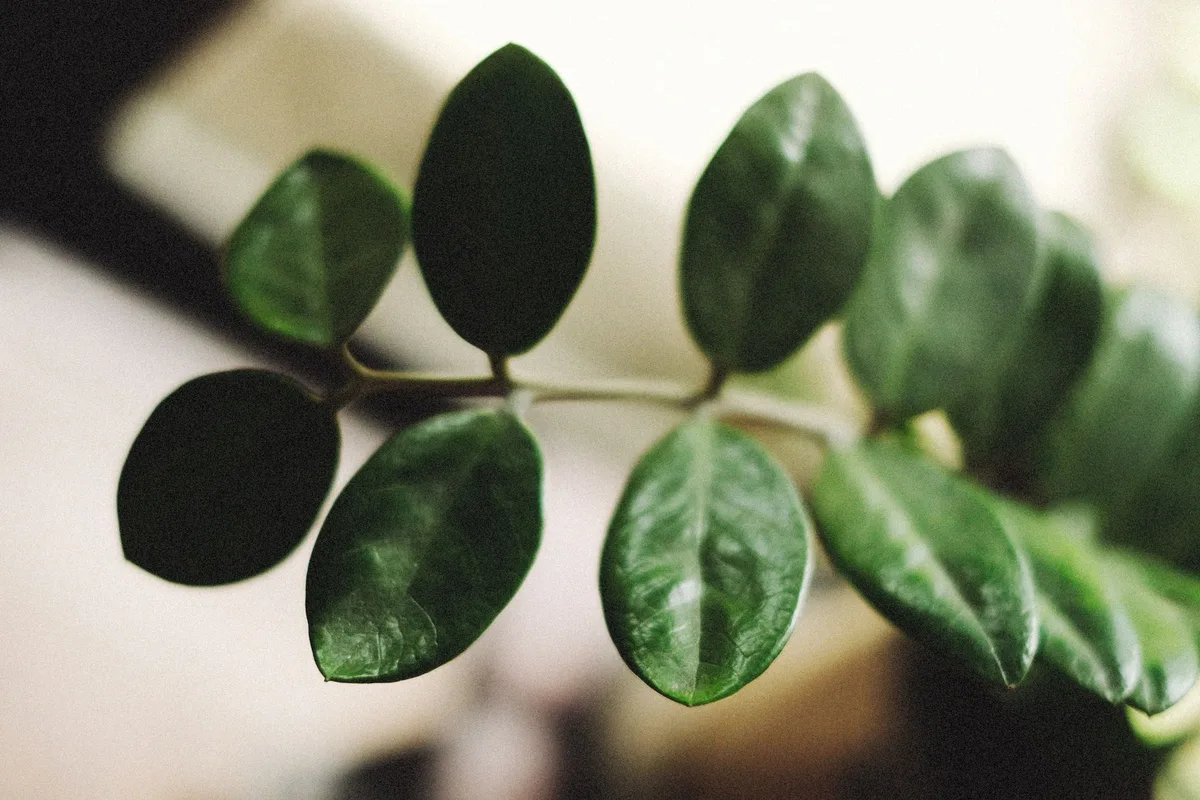
Curling leaves on a ZZ plant often point to watering problems.
Common Mistakes and How to Avoid Them
A common mistake is sticking to a rigid watering schedule. ZZ plants don't need watering every week. They prefer to dry out between waterings.
Another mistake is using a pot without drainage holes. This traps water and causes root rot. Always use pots that allow excess water to escape.
How to Water Your ZZ Plant Correctly
Proper watering is key to preventing those dreaded curling leaves. ZZ plants are native to dry regions, so they’re adapted to survive periods of drought. This means they prefer their soil to dry out between waterings.
Overwatering is a far greater threat than underwatering for ZZ plants. It’s better to err on the side of caution.
The "Soak and Dry" Method Explained
The best way to water your ZZ plant is using the "soak and dry" method. This involves thoroughly watering the plant until water drains from the bottom of the pot. Then, you wait until the soil is almost completely dry before watering again.
This mimics the natural drying and wetting cycles in their native environment. It encourages strong root growth.
Signs Your ZZ Plant Needs Water
You'll know your ZZ plant needs water when the soil is dry. You can test this by sticking your finger about two inches deep. If it feels dry, it's time to water.
The plant's leaves might also look a little less firm. They won't be drooping dramatically unless it's severely dehydrated.
Signs You Are Overwatering
Overwatering signs are more serious. Yellowing leaves are a big indicator. The leaves might also feel soft or mushy, and the stems could become yellow or black at the base.
A perpetually wet soil smell is another red flag. If you see mold growing on the soil surface, that's a sure sign of too much moisture.
Always ensure your ZZ plant's pot has drainage holes to prevent waterlogging.
Choosing the Right Soil for Your ZZ Plant
The right soil mix is crucial for preventing overwatering and promoting healthy ZZ plant growth. ZZ plants prefer well-draining soil that allows water to flow through easily. They don’t like to sit in soggy conditions.
This is why standard potting soil alone might not be ideal. It can retain too much moisture.
What Makes a Good ZZ Plant Soil Mix
A good ZZ plant soil mix should be airy and allow for quick drainage. This helps prevent root rot. You can achieve this by amending regular potting soil.
Adding perlite or coarse sand helps improve aeration and drainage. Volcanic rock or pumice are also excellent additions.
DIY Soil Mix Recipes
Here’s a simple DIY mix that works wonders:
- 2 parts potting soil
- 1 part perlite
- 1 part coarse sand
You can also use a cactus or succulent mix as a base, as these are already designed for good drainage. Add a little extra perlite to these if you want to be extra sure.
When to Repot Your ZZ Plant
ZZ plants don't need to be repotted often. They actually prefer to be a bit root-bound, which can encourage flowering. Repot only when the plant is severely root-bound, meaning roots are circling the pot densely.
This is usually every 2-3 years. You might also repot if you notice water draining very slowly.
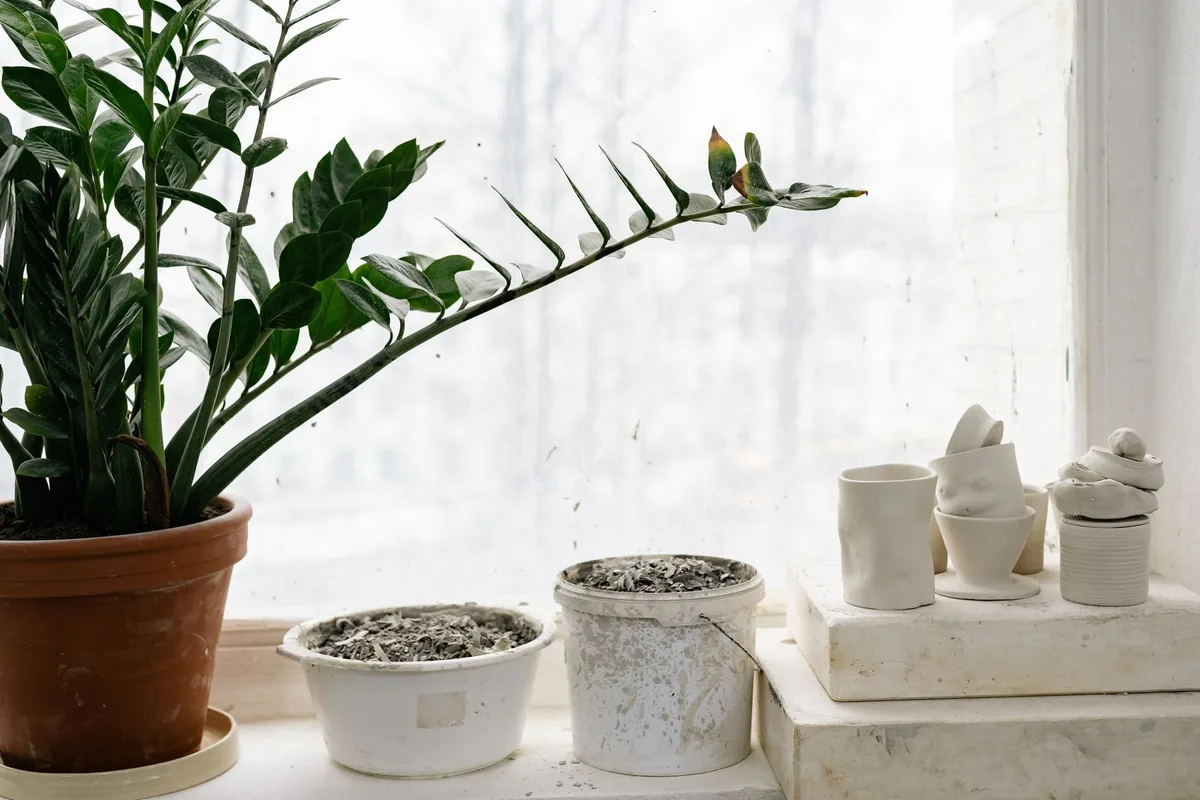
A well-draining soil mix is essential for the health of your ZZ plant.
Light and Temperature Needs for ZZ Plants
ZZ plants are famous for their tolerance to low light conditions. This makes them a popular choice for offices and homes with limited natural light. However, "low light tolerant" doesn't mean they thrive in total darkness.
They do best with bright, indirect light. Direct sun can scorch their leaves.
Ideal Light Conditions
For best growth and preventing stress that can lead to curling, place your ZZ plant in a spot with bright, indirect light. An east-facing window is often perfect, or a few feet back from a south or west-facing window.
If you only have low light, your plant will survive, but growth will be very slow. It might become leggy.
Temperature and Humidity Preferences
ZZ plants are happy with average household temperatures. They prefer temperatures between 65-75°F (18-24°C). They can tolerate occasional dips but avoid prolonged exposure to temperatures below 50°F (10°C).
They are very tolerant of dry air, so you don't need to worry about humidity. This is why they do so well in indoor environments.
Fertilizing Your ZZ Plant
ZZ plants are not heavy feeders. In fact, too much fertilizer can actually harm them. They are adapted to nutrient-poor soils.
Over-fertilizing can lead to salt buildup in the soil, which can damage the roots and cause leaf issues, including curling.
When and How Often to Fertilize
Fertilize your ZZ plant sparingly. Once or twice during the growing season (spring and summer) is usually sufficient. Use a balanced liquid houseplant fertilizer diluted to half strength.
Never fertilize a ZZ plant in the fall or winter. They go through a period of dormancy and don't need the extra nutrients.
Signs of Over-Fertilizing
Signs of over-fertilizing include brown leaf tips, stunted growth, and sometimes a white crust forming on the soil surface. If you suspect you've over-fertilized, flush the soil by watering it thoroughly and letting it drain completely.
This helps wash away excess salts. Then, hold off on fertilizing for several months.
ZZ Plant Pests and Diseases
While ZZ plants are relatively pest-resistant, they can occasionally fall victim to common houseplant pests. Root rot is the most common disease, which we've already discussed extensively.
Pests are generally not the primary cause of curling leaves for ZZs, but severe infestations can weaken the plant. This makes it more susceptible to other problems.
Common Pests to Watch For
The most common culprits for ZZ plants are:
- Spider Mites: Tiny pests that leave fine webbing and cause stippling on leaves.
- Mealybugs: Small, white, cottony insects that cluster on stems and leaf axils.
- Scale: Small, hard, or soft bumps that attach to stems and leaves, sucking sap.
How to Treat Pest Infestations
If you spot pests, act quickly. You can start by wiping down the leaves with a damp cloth to remove as many pests as possible. For more stubborn infestations, use insecticidal soap or neem oil.
Always follow product instructions carefully. Test on a small area of the plant first to ensure it doesn't cause damage. You can also try isolating the infested plant to prevent the pests from spreading.
ZZ Plant Curling Leaves Comparison
Let's break down the main causes of curling leaves for ZZ plants and how to differentiate them. This table should help you quickly identify the problem.
| Symptom/Cause | Watering Too Much | Watering Too Little | Other Environmental Stress |
|---|---|---|---|
| Leaf Appearance | Yellowing, mushy, soft | Limp, brittle, curling inward | May droop, sometimes yellowing or browning |
| Soil Moisture | Constantly wet, slow to dry | Bone dry, quickly dries out | Can vary; check soil moisture to rule out watering issues |
| Root Condition | Dark, mushy, smelly (root rot) | Dry, brittle | Healthy unless a secondary issue arises |
| Stem Texture | Soft, potentially black at the base | Firm, but may become brittle if severe | Generally firm |
| Primary Solution | Allow soil to dry out completely, improve drainage | Water thoroughly until it drains, do not overwater | Address specific environmental issue (temp, draft, light) |
| Frequency of Issue | Very Common | Less Common | Uncommon, usually after extreme environmental changes |
ZZ Plant Care Data and Analytics
ZZ plants (Zamioculcas zamiifolia) are renowned for their drought tolerance and ability to survive in low light. This resilience is due to their rhizomes, which store water and nutrients. Studies on plant water use efficiency show that succulents like the ZZ plant have adaptations to minimize water loss.
Research indicates that ZZ plants can survive for months with minimal watering. Their growth rate is typically slow, usually topping out at around 2-3 feet in height. Optimal growth occurs with consistent, indirect light and proper, infrequent watering.
Seasonal performance shows increased growth in spring and summer, with a slowdown in fall and winter.
Here’s a quick guide to their ideal conditions:
| Condition | Ideal Range/Requirement | Notes for ZZ Plants |
|---|---|---|
| Sunlight | Bright, indirect light | Tolerates low light but prefers bright; avoid direct sun. |
| Watering | Allow soil to dry completely between waterings | Once every 2-4 weeks, depending on environment. |
| Soil Type | Well-draining, gritty mix (e.g., succulent/cactus mix) | Prevents root rot by allowing rapid drainage. |
| Temperature | 65-75°F (18-24°C) | Avoid temperatures below 50°F (10°C). |
| Humidity | Average household humidity | Very tolerant of low humidity; no special needs. |
| Fertilizer | Balanced liquid, diluted, sparingly (spring/summer) | Once or twice per growing season; never in winter. |
| Growth Rate | Slow | Expect gradual growth, about 6-12 inches per year in ideal conditions. |
| Maintenance | Low | Known for being very easy to care for. |
Expert Opinion
In my two decades of working with plants, I've seen almost every issue imaginable with ZZ plants. The overwhelming majority of curling leaves I encounter are directly tied to watering. People either water too often because they worry the plant will die, or they let it get ridiculously dry for extended periods.
The key is consistency once you understand its needs: dry out, then soak.
One mistake I see beginners make often is using a pot that’s too large. A too-big pot holds too much soil, which retains too much moisture, leading straight to root rot and curling leaves. Stick with a pot that’s just slightly larger than the root ball.
And for goodness sake, make sure there are drainage holes! I’ve seen plants rescued from decorative pots that were basically drowning in water. When assessing curling, always prioritize checking the soil moisture first.
It’s your most reliable diagnostic tool for this particular plant.
Frequently Asked Questions About ZZ Plants
Why are my ZZ plant's leaves curling upwards?
Curling upwards usually means your ZZ plant is trying to conserve moisture. It's often a sign of underwatering, but can also happen if the roots are damaged by overwatering. Check the soil moisture to be sure.
Can a ZZ plant recover from severe overwatering?
Yes, a ZZ plant can recover from overwatering if caught early. You'll need to let the soil dry out completely and possibly repot it in fresh, well-draining soil if root rot is present. Remove any damaged roots.
What does it mean when ZZ plant leaves turn yellow and curl?
Yellowing leaves that are also curling and feel soft or mushy is a strong indicator of overwatering and potential root rot. The roots can no longer support the leaves properly.
How often should I water my ZZ plant if its leaves are curling?
If leaves are curling because of underwatering, water thoroughly until water drains out. If they're curling due to overwatering, stop watering and let the soil dry completely. Then resume watering only when the soil is dry about two inches down.
Is it normal for the oldest leaves of a ZZ plant to curl?
It's somewhat normal for the oldest, bottom leaves of any plant to eventually yellow and fall off as part of its natural life cycle. However, if multiple leaves, especially younger ones, are curling, it signals a problem.
My ZZ plant leaves are curling and feel crispy. What's wrong?
Crispy, curling leaves typically point to underwatering. The plant is drying out to conserve moisture. Give it a good watering, and it should perk up.
Can the curling of ZZ plant leaves be a sign of pests?
While not the primary cause, severe pest infestations can weaken a ZZ plant, making it more susceptible to curling due to stress. Inspect the leaves and stems closely for any signs of common houseplant pests.
Conclusion
Curling leaves on your ZZ plant are a direct message. Most often, it's a plea about watering, either too much or too little. The good news is that ZZ plants are resilient.
By understanding their needs and performing simple checks, you can easily diagnose and fix the problem. Remember to always check the soil moisture first. With a well-draining soil mix and a "soak and dry" watering approach, your ZZ plant will reward you with lush, healthy foliage.
If you suspect root rot, don't hesitate to repot. And if you see signs of pests, address them promptly. Keep an eye on your plant, and you'll become a ZZ plant expert in no time!