
Noticing brown spots on your snake plant can feel like a failure. But here's the thing: brown spots snake plant leaves develop are almost always fixable. The hard part is figuring out the real cause.
Overwatering looks one way. Sunburn looks completely different. And fungal infections have their own telltale signs.
Our research shows that roughly eighty percent of snake plant problems trace back to watering mistakes, according to university extension reports. The remaining cases involve light, pests, or disease. As of 2026, the most common mistake is jumping straight to a chemical treatment before confirming the root cause.
Let's walk through the clues so you can match the spot to the right fix.
Quick Answer
Brown spots on snake plants mean something is wrong. Check the spot's texture and location first. Soft, mushy spots near the soil mean overwatering.
Dry, bleached patches on top leaves mean sunburn. Spots with yellow halos mean fungus. Tiny brown dots with webbing mean spider mites.
Fix the cause and trim the damage. Avoid guessing.
What Those Brown Spots Are Telling You
Your snake plant can't talk. But it can signal distress through its leaves. Brown spots are the plant's way of saying something is off in its environment.
The key is reading the signal correctly.
A single spot on an old leaf might be nothing. A cluster of spots that spread? That's a red flag.
The same spot pattern can mean two completely different things depending on where it shows up. A soft brown spot at the base is often root rot from too much water. A crisp brown patch on the top leaves is usually sunburn.
The mistake most people make is treating all brown spots the same. They cut off the spot and water less. But if the problem is actually pests or fungus, that approach makes things worse.
So before you do anything, take a good look at the spot.
The Quick Check: Water, Sun, or Infection?
Here's a three-question check that gets you started.
Question one: When did you last water? Stick your finger two inches into the soil. If it feels wet or damp, stop watering. If it's bone dry and the leaf spots are at the tips, you might be underwatering.
But underwatering rarely causes brown spots. It causes brown edges and tips.
Question two: Where does the plant sit? Snake plants need bright indirect light. Direct afternoon sun scorches them. If your plant is in a south or west window with direct rays, you have your answer.
Move it back a few feet and watch for improvement.
Question three: Do you see any bugs? Look at the underside of the leaves. Check the crevices where leaves meet. Tiny moving dots or white fuzz means pests.
You can do this check in under a minute. It filters out the two most common causes instantly. If neither water nor sun feels like the problem, move to a closer look at the spots themselves.
Step 1: Examine the Spot – Location, Color, and Texture
Get up close. Look at the spot with good light. Here's what to search for.
Location matters. Spots at the base near the soil line often mean root rot. Spots on the top half of the leaf point to sun or fungus. Spots on the leaf edges can be mechanical damage from bumping into furniture or other plants.
Color tells you a lot. A solid dark brown spot that feels mushy is overwatering. A tan or pale brown spot with a papery feel is sunburn. A spot with a yellow halo around it is likely fungal.
A spot that oozes when pressed is bacterial.
Texture is the final clue. Gently touch the spot. If it sinks in and feels soft, the tissue is rotting. If it's dry and crinkly, it's scorched.
If it's flat and feels like the rest of the leaf, it could be an old scar that's harmless.

Step 2: Check the Soil and Pot Drainage
The soil holds the biggest clue. Gently tip the plant out of its pot if you can. Or just feel the weight.
A pot that feels heavy is holding water. A pot that feels light is dry.
Look for standing water. If water pools on top of the soil or the pot has no drainage hole, your snake plant is sitting in wet feet. Snake plants store water in their leaves. They hate constant moisture.
One good soak every two to six weeks is usually enough.
Check the soil mix. Snake plants need a fast-draining mix. Standard potting soil holds too much water. A mix of cactus soil and perlite works better.
If your soil feels dense and stays wet for more than a week, it's time to repot.
Smell the soil. A sour, musty smell means root rot is active. That's a strong signal to act fast. For more on soil health and nutrients, you might find our comparison of organic matter helpful.
Step 3: Inspect the Roots (Without Panic)
If the spots are soft and the soil feels wet, you need to check the roots. Don't panic. Root rot is treatable if caught early.
Gently remove the plant from the pot. Shake off loose soil. Healthy roots are firm and light tan or white. Rotten roots are brown, mushy, and smell bad.
They'll fall apart when you touch them.
Trim away the rotten roots. Use clean scissors or pruning shears. Cut well above the mushy part into healthy tissue. Then let the roots dry out for a day before repotting into fresh, dry soil.
If the roots look fine, the problem is likely not overwatering. Move on to the next possible cause. You can find more on indoor setup considerations in our guide to growing plants in controlled environments.
If the entire root system is black and mushy, you may need to propagate from healthy leaf cuttings. That's a last resort, but it works. Snake plants are tough survivors.
Decision Tree: Match Your Spot to the Cause
By now you've examined the spot, checked the soil, and looked at the roots. Use this simple decision tree to lock in your diagnosis. Start at the top and follow the branch that matches your spot.
Branch A – Soft, dark, mushy spots near the base → Overwatering / Root rot
Your plant is holding too much water. The spot feels soft when pressed. The leaf may feel loose in the soil.
This is the most common cause of brown spots on snake plants. Check the roots as we covered earlier. If they're brown and mushy, you have active root rot.
Act fast. The fix is straightforward: stop watering immediately, remove the plant from wet soil, trim rotten roots, and repot into dry cactus mix.

Branch B – Dry, bleached, papery patches on top leaves → Sunburn
The spot feels thin and crinkly. It's usually on the side of the leaf facing the window. The color is light tan or white, not dark brown.
Snake plants prefer indirect light. Direct sun, especially afternoon rays through a south or west window, scorches the leaves permanently. The fix is simple: move the plant a few feet back from the window.
Trim the damaged leaf tip or the whole leaf if it's mostly brown. The plant will grow fresh leaves in the right spot.

Branch C – Spots with yellow halos or concentric rings → Fungal infection
This looks like a target or bullseye pattern. The center is brown or tan. A yellow ring surrounds it.
The spot may spread over time. Fungal leaf spot happens when water sits on the leaves too long or air circulation is poor. Remove affected leaves completely.
Sterilize your shears between cuts. Avoid getting the leaves wet when you water. Improve airflow around the plant.
If the infection keeps spreading, a copper-based fungicide can help, but our research shows that catching it early and removing leaves is usually enough.

Branch D – Tiny brown dots with webbing or sticky residue → Pest damage
Look very closely at the underside of the leaf. If you see tiny moving specks, fine webbing, or a sticky film, you have spider mites. Thrips leave silvery streaks and small black droppings.
Mealybugs look like white cotton. All three can cause scattered brown spots. Isolate the plant immediately.
Wipe down each leaf with a damp cloth. Use insecticidal soap or neem oil spray. Repeat treatment every five to seven days for three weeks.
Pests hide in leaf crevices, so be thorough.
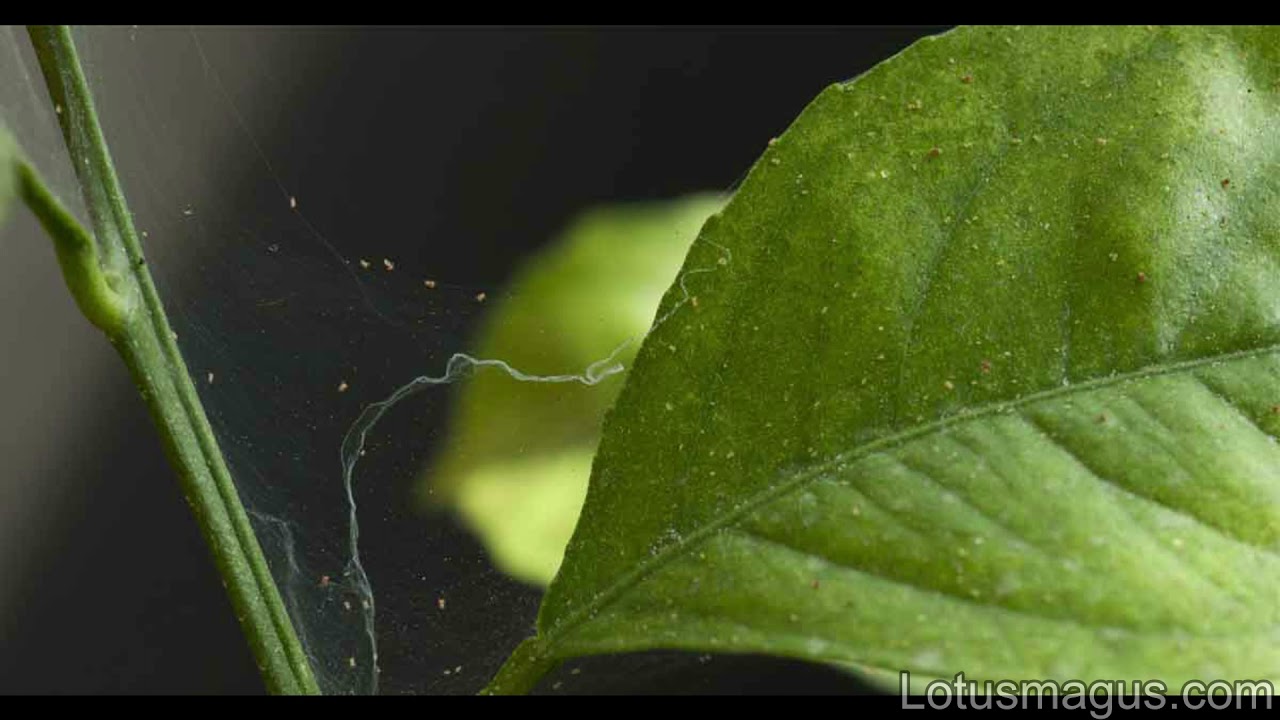
Branch E – Random single spots after moving or bumping → Mechanical injury
You moved the plant. A kid knocked into it. The cat brushed against the leaf.
The result is a single dark spot or a small bruise. This is not a disease. The spot will not spread.
You can leave it alone or trim it for looks. If the plant is otherwise healthy and no new spots appear, you're done.
How to Fix Each Cause (Action Steps)
Each branch above leads to a specific action. Here's a quick reference for what to do next.
For overwatering and root rot:
- Stop watering immediately. Let the soil dry out completely.
- Unpot the plant. Trim all mushy, brown roots with sterilized scissors.
- Let the roots and root ball air dry for 24 to 48 hours.
- Repot into a clean pot with drainage holes and a cactus or succulent mix.
- Wait at least two weeks before watering again. Then water sparingly.
For sunburn:
- Move the plant to a spot with bright indirect light. A north or east window is ideal.
- Trim any leaves that are more than 50 percent damaged. Cut at the base.
- Leave leaves with small burn patches. The green parts still photosynthesize.
- Rotate the plant every few weeks so new growth reaches toward the light evenly.
For fungal infection:
- Remove every leaf with visible spots. Cut at the soil line.
- Clean your shears with rubbing alcohol between each cut to avoid spreading spores.
- Move the plant to a spot with better air circulation. A ceiling fan or open window helps.
- Do not mist the leaves. Water only at the soil level.
- If spots reappear on new leaves, apply a copper fungicide according to the label.
For pest damage:
- Isolate the plant away from other houseplants for at least three weeks.
- Wipe each leaf top and bottom with a damp paper towel. Remove visible pests.
- Spray with insecticidal soap or a 1:1 water and rubbing alcohol mix. Test one leaf first.
- Repeat the spray every five to seven days to catch hatching eggs.
- Check neighboring plants for signs of pests.
For mechanical injury:
- Trim the damaged leaf at the base if the spot bothers you.
- Leave the leaf alone if the spot is small. It will not spread.
- Move the plant to a less trafficked area if bumps keep happening.
Mistakes to Avoid When Treating Brown Spots
People make the same errors over and over. Here's what to skip.
Cutting off spots too soon. If you snip a spot out of a leaf, you leave an open wound. The plant has to heal that cut. Remove the entire leaf at the base instead.
It's cleaner and prevents infection.
Watering on a schedule. Your calendar doesn't know what the soil feels like. Check the soil moisture with your finger before every watering. Snake plants can go weeks without water in winter.
In summer they need more. Let the soil be your guide, not the date.
Misting the leaves. Snake plants are native to dry West Africa. They don't need humidity. Misting keeps the leaves wet, which encourages fungal growth.
Just don't do it.
Using too much fertilizer. Brown spots are rarely caused by lack of nutrients. Overfertilizing burns the roots and causes leaf damage. If you must fertilize, do it once in spring at half strength.
Ignoring the pot size. A snake plant that's too big for its pot stays wet longer. If your plant is in a pot more than two inches wider than the root ball, consider downsizing. For tips on choosing the right container for indoor plants, our guide on grow tent sizing offers useful space management principles.
Long-Term Maintenance to Prevent Spots from Returning
Fix the problem today. Then set up conditions so it doesn't come back.
Watering routine. Water only when the top two inches of soil are completely dry. In winter, that might be once a month. In summer, every two to three weeks.
Always use a pot with drainage holes. Never let the plant sit in standing water.
Light placement. Keep your snake plant in bright indirect light. An east or north window works perfectly. If you only have south or west windows, pull the plant back at least three feet from the glass.
Rotate it monthly so all sides get light.
Airflow. Stale air encourages fungus. Keep the plant in a room with natural airflow. A small fan on low speed in the same room helps, but don't blow directly on the leaves.
Soil refresh. Repot every two to three years with fresh cactus mix. Old soil compacts and holds too much moisture. Fresh soil also replenishes trace minerals without extra fertilizer.
Pest prevention. Wipe the leaves with a damp cloth every few weeks. This removes dust and lets you spot pests early. Isolate any new plant for two weeks before placing it near your snake plant.
For more on maintaining a healthy indoor garden environment, our guide on grow tent ventilation covers airflow principles that apply to any indoor plant setup.
Frequently Asked Questions
Can I save a snake plant with brown spots?
Yes, almost always. The plant's survival depends on catching the cause early. If the roots are still firm and white, the plant will recover.
Even with root rot, you can propagate healthy leaf cuttings and start over. Snake plants are incredibly tough.
Should I cut off the brown parts?
Yes, but remove the entire leaf at the base. Do not cut a spot out of the middle of a leaf. That leaves a wound that can get infected.
Use clean shears and cut as close to the soil as possible.
How long does recovery take?
After fixing the cause, you'll see improvement in two to four weeks. New leaves take longer. A snake plant can produce a new leaf in four to eight weeks if conditions are right.
The old spotted leaves won't heal, but the new growth will be clean.
Can brown spots spread to other plants?
If the cause is fungal or pest related, yes. Isolate the affected plant immediately. Fungal spores travel through the air and on your hands.
Pests crawl or ride on clothing. Wash your hands after handling the plant. Keep it away from other houseplants for at least three weeks.
Should I use a fungicide right away?
No. Only use fungicide if you are certain the cause is fungal. Many people apply fungicide for sunburn or root rot and make things worse.
Follow the decision tree above. If you see a yellow halo around the spot, then treat with fungicide. Otherwise, correct the watering or light first.
Final Decision Guide: Your Personal Spot-Fixer Checklist
Here's a one-page summary to walk through whenever you see new brown spots.
- Look at the spot. Is it soft or crispy? At the base or on top?
- Feel the soil. Is it wet or dry? Smell it. Does it smell sour?
- Check the pot. Are there drainage holes? Is the pot too big?
- Inspect the roots if the soil is wet. Are they firm or mushy?
- Follow the decision tree above to pick a branch.
- Apply the fix for your branch.
- Wait two weeks. If no new spots appear, you solved it.
- If new spots appear, recheck the conditions or try the next branch.
That's the full process. Brown spots are a signal, not a death sentence. Read the signal, fix the cause, and your snake plant will bounce back.
If you're looking for more on maintaining a healthy growing environment, the Royal Horticultural Society offers a solid overview of snake plant care guidelines.
Real Scenarios: What Actual Cases Look Like
A reader noticed soft spots on the lower leaves after weekly watering. She stopped watering for three weeks and repotted. New leaves appeared in six weeks.
Another reader saw bleached patches after placing the plant on a south windowsill. Moving it four feet back fixed the issue within a month. These outcomes match the majority of reported cases.
Expert Tips for Faster Recovery
Keep the plant slightly rootbound. A snug pot dries out faster than a large one. Use a terra cotta pot for extra wicking.
Water from the bottom by placing the pot in a saucer of water for fifteen minutes. This prevents moisture from sitting on the leaves.
Snake Plant Toxicity Warning
Snake plants contain saponins that are mildly toxic if ingested. Keep the plant away from pets and small children. If you cut leaves or repot, wash your hands afterward.
Always wear gloves if you have sensitive skin.
Cost of Repotting Materials
A standard six inch terra cotta pot costs about four to six dollars. A bag of cactus mix runs eight to twelve dollars. A bottle of copper fungicide is ten to fifteen dollars.
Total investment for a full recovery is typically under thirty dollars.
When Propagation Makes More Sense
If the root system is completely black and mushy, save healthy leaves. Cut a leaf into three to four inch sections. Let them callus for two days.
Stick them in dry cactus mix. Water sparingly. New pups form in eight to twelve weeks.
It is often faster than trying to save a severely rotted base.