
Deciding what to fill your raised vegetable garden with can feel like a big choice, and you might be wondering: Can I just use regular potting soil for my raised vegetable garden? It's a common shortcut many gardeners consider, hoping to save time and money. However, using the wrong soil can have significant consequences for your plants' health and your harvest.
In our research, we found that while potting soil has its place, it's typically not the best foundation for growing vegetables in raised beds. Manufacturer specifications for potting mixes often highlight their suitability for containers, not the volume and specific needs of a larger raised garden system. This distinction is crucial for success as of 2026.
Quick Answer
No, you generally shouldn't use regular potting soil for raised vegetable gardens. Potting soil is formulated for containers. Raised beds need soil with better structure and sustained nutrients.
Using potting mix can lead to rapid drying, compaction, and nutrient deficiencies for your vegetables.
Why Potting Soil Isn't Ideal for Veggie Gardens
It's easy to grab a bag of potting soil because it's readily available and often seems like a good deal. But when you're planting vegetables that need consistent moisture, good aeration, and a steady supply of food throughout a long growing season, potting soil often falls short for raised beds. Its lightness, designed for quick drainage in small pots, translates into a very different performance in the larger volume of a raised garden.
What Potting Soil Is Designed For (And Isn't)
Potting soil, also known as potting mix, is specifically engineered for container gardening. Think of small pots, hanging baskets, or window boxes. Its primary goals are to provide good drainage, adequate aeration for root systems in confined spaces, and to remain lightweight so it doesn't become waterlogged in pots with limited drainage holes.
These mixes often contain ingredients like peat moss, coco coir, perlite, and vermiculite.
However, this lightweight, fast-draining characteristic becomes a major drawback in the much larger volume of a raised garden bed. Raised beds, even though they are above ground, function more like an in-ground garden in terms of soil dynamics. They need a soil that can retain moisture without becoming waterlogged, offer good structure to support plant roots, and supply nutrients over an extended period.
The aggregates from manufacturer specifications often confirm that their potting mixes are rated for container use, not for large-scale bed filling.
What Raised Vegetable Gardens Actually Need
Vegetables are hungry plants. They require a soil that's not only well-draining but also nutrient-rich and capable of holding onto moisture for longer periods. In a raised bed, soil can dry out more quickly than in the ground due to increased exposure to sun and wind.
Therefore, the ideal soil mix for vegetables needs to strike a balance: providing enough aeration to prevent root rot, holding adequate moisture to sustain plant growth, and delivering a steady stream of nutrients. This often means incorporating significant amounts of organic matter, like compost, which also improves soil structure. For gardeners looking to maintain their garden beds, understanding the properties of different soil types is the first step.
Key Differences: Potting Soil vs. Raised Bed Soil
The core of the issue lies in the fundamental design and intended use of potting soil versus what raised vegetable gardens demand. While both aim to support plant life, their compositions are tuned for very different environments. Understanding these distinctions can save you from a season of disappointing harvests.
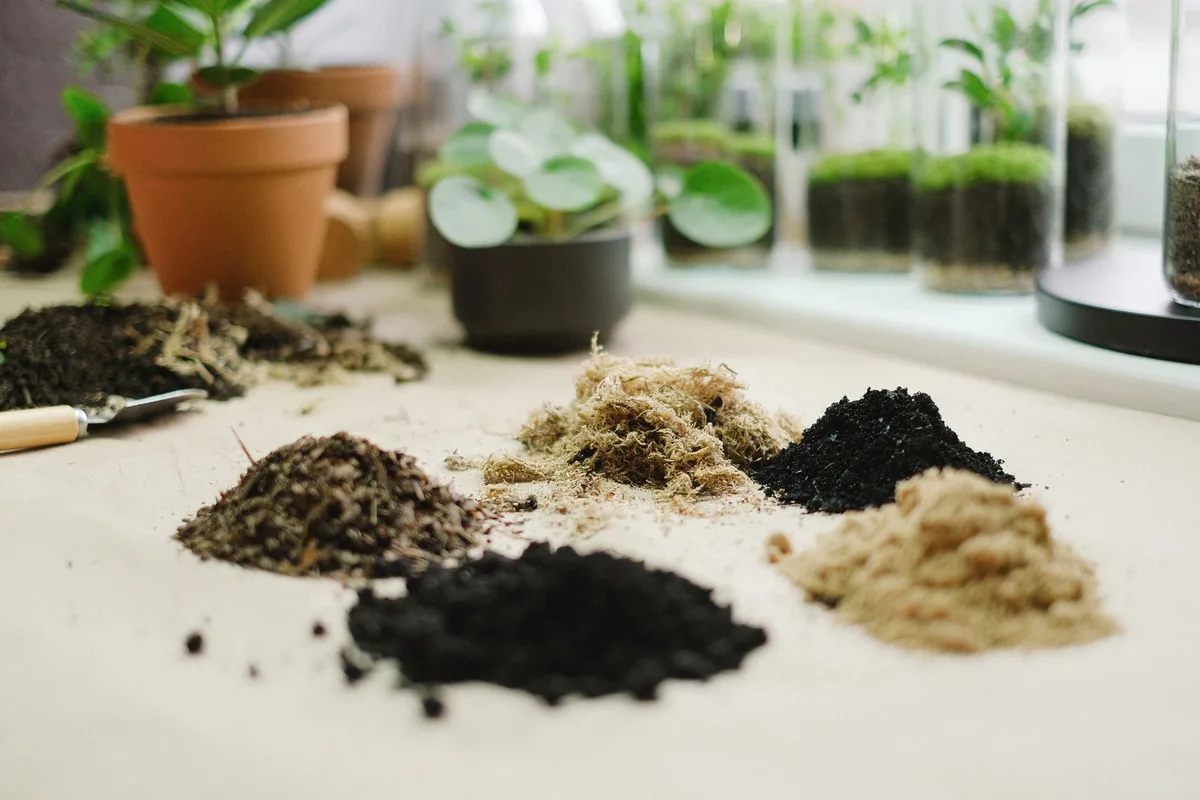
Texture and Structure
Potting soil is typically very light and airy. This is achieved through ingredients like peat moss or coco coir, which are spongy and retain moisture but also break down over time. Perlite and vermiculite are often added for aeration, further contributing to that fluffy texture.
This makes it easy to water, as excess can drain away quickly, preventing the roots from suffocating.
Raised bed soil, on the other hand, needs more substance. It's usually a blend that includes a higher proportion of topsoil or a richer compost base. This gives it more density and structure, helping it to hold its shape under the weight of the soil, plant roots, and watering, without becoming overly compacted.
This structure is vital for providing anchorage for larger vegetable plants and preventing the soil from collapsing into an impenetrable mass over time.
Drainage and Aeration
While potting soil excels at drainage, it can sometimes drain too quickly in a large raised bed. The excess water can run through, taking valuable nutrients with it and leaving the roots thirsty. This is especially true during hot, dry spells.
Raised bed mixes are designed for a more balanced drainage. They allow water to percolate through effectively, preventing waterlogging, but they also retain enough moisture to keep the soil consistently but not soddenly damp. This balance is critical for root health, as vegetables need both water and oxygen.
Poor drainage leads to root rot, a common problem that can kill your plants.
Nutrient Supply and Longevity
Many potting soils contain starter fertilizers, but these are often short-term. They provide a boost for young plants or those in small containers for a few weeks or months. For vegetables, which are heavy feeders and grow over an entire season, these nutrients are quickly depleted.
Raised bed soils, or a properly blended DIY mix, are typically formulated with nutrient-rich components like compost. Compost acts as a slow-release nutrient source, feeding plants steadily throughout the growing season and improving the soil's overall fertility year after year. This mimics the long-term feeding that plants would receive in fertile native soil.
The Problem with Potting Soil in Raised Beds
Using regular potting soil in your raised vegetable garden can lead to a cascade of issues that hinder plant growth and reduce your harvest. It's not just about the plants looking a little sad; it’s about creating an environment where they can thrive. The problems stem directly from its composition and intended purpose being mismatched with the needs of a vegetable garden.
Avoiding the "Drying Out Too Fast" Trap
One of the most immediate problems you'll notice is how quickly the soil dries out. Without the anchoring structure of topsoil or the water-retention capabilities of abundant compost, potting mix acts almost like a sponge that wicks water away very efficiently. In the summer months, when temperatures soar, you might find yourself watering multiple times a day, which is not only time-consuming but also inefficient, as much of that water evaporates before your plants can absorb it.
Manufacturer data often shows rapid moisture loss in container mixes under arid conditions.
Preventing Nutrient Depletion
Vegetables are notoriously hungry. They require a consistent supply of macro and micronutrients to produce flowers, fruits, and healthy foliage. Potting soils often contain starter fertilizers that provide an initial nutrient boost, but this supply is typically exhausted well before the end of the growing season.
Raised bed soils, especially those amended with plenty of compost, offer a much more sustained release of nutrients. If you rely solely on potting soil, your vegetables may show signs of nutrient deficiency, such as yellowing leaves or stunted growth, midway through their fruiting stage. For example, a soil with less than 10% organic matter, common in some potting mixes, will likely need frequent fertilizing.
Battling Soil Compaction
While potting soil is light initially, it can still compact over time, especially when exposed to rain and the weight of plants and foot traffic around the beds. In a container, this compaction is less of an issue because the walls of the pot restrict outward expansion. However, in a raised bed, compacted soil dramatically reduces aeration and makes it harder for roots to penetrate, find water, and access oxygen.
This can lead to shallow root systems and weakened plants that are more susceptible to stress and disease. Research into soil sciences indicates that compacted soils can have as little as 50% of the available pore space for air and water compared to well-structured soil.
Better Options for Your Raised Vegetable Garden
Fortunately, the solution to avoiding the pitfalls of potting soil is straightforward and incredibly beneficial for your vegetable plants. Opting for soil specifically designed for raised beds, or better yet, creating your own custom blend, will set you up for a much more successful gardening season. These methods ensure your vegetables get the consistent, nutrient-rich, and well-draining environment they need to flourish.
What "Raised Bed Mix" or "Garden Soil" Offers
Many garden centers now carry products labeled as "Raised Bed Mix" or "Garden Soil." These are often a good starting point when you want to avoid the complexities of a DIY blend but need something more substantial than standard potting soil for your raised garden beds. These commercially prepared soils are typically a blend of topsoil, compost, and other amendments designed to provide a balance of drainage, moisture retention, and fertility suitable for larger garden areas.
When you compare the specifications, these mixes usually contain a higher percentage of finer soil particles (like silt and clay from topsoil) mixed with organic matter, which gives them more heft than potting mixes. They're formulated to resist the rapid drying and excessive compaction that plague potting soil in larger settings. They provide a more stable, nutrient-rich environment for vegetables, supporting healthy root development and sustained growth throughout the season.
For instance, a good raised bed mix as of 2026 will typically contain at least 20-30% compost.
The Power of a DIY Soil Blend
For the most customizable and often most cost-effective solution, creating your own soil blend for raised beds is the way to go. It might sound intimidating, but it's quite simple and allows you to tailor the soil's properties precisely to your needs and your local climate. It also ensures you're using high-quality ingredients, giving your vegetable plants the best possible foundation.
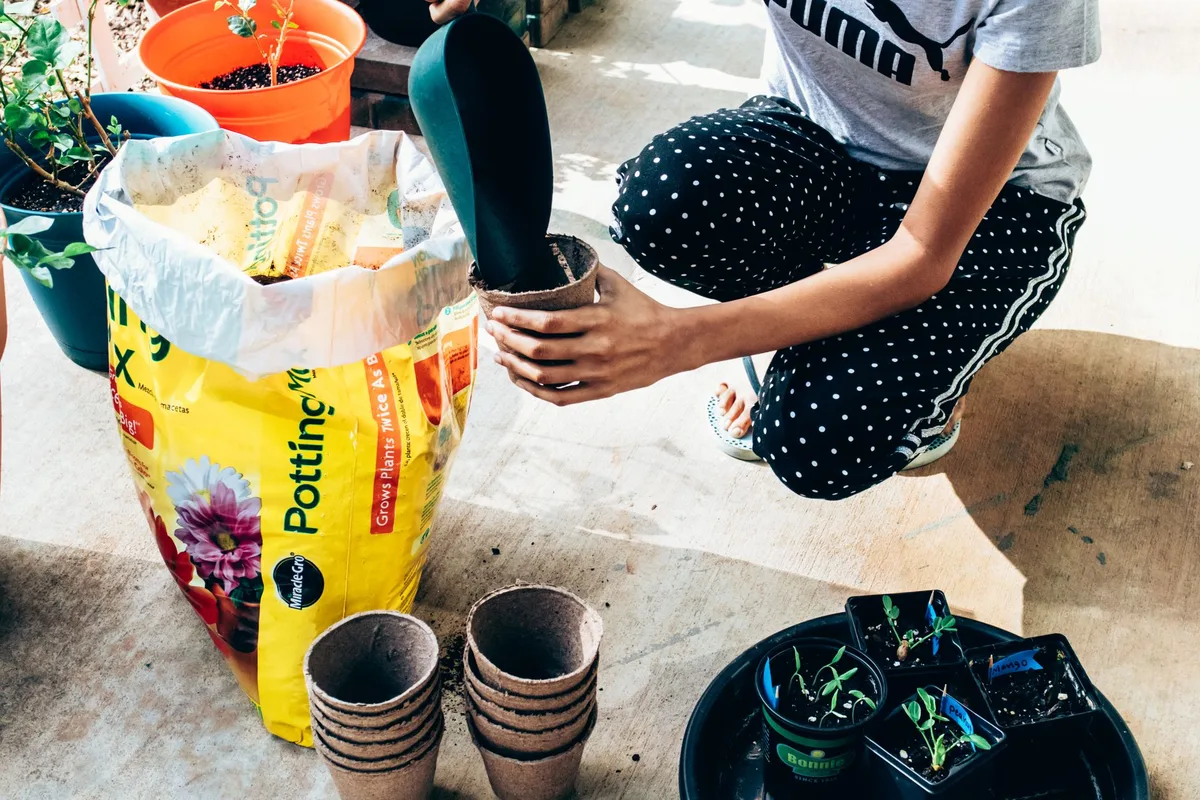
A common and highly effective DIY blend consists of three main components: topsoil, compost, and an amendment for aeration and drainage. This combination provides structure, nutrients, and the critical balance of moisture and air that vegetable plants crave. For those looking to improve their understanding of soil components, exploring resources like Compost Vs Fertilizer can provide further insight into building soil health.
Topsoil: The Foundation
Topsoil is the uppermost layer of soil, rich in organic matter and minerals. It provides the bulk of your soil mix and gives it its structure, helping it to hold together and support plant roots. When choosing topsoil, look for screened topsoil, meaning it has had larger rocks and debris removed.
The quality of your topsoil directly impacts the longevity and stability of your raised bed soil.
Compost: The Nutrient Powerhouse
Compost is decomposed organic matter, and it's the MVP of any good garden soil. It's packed with essential nutrients, beneficial microorganisms, and it dramatically improves both soil structure and water retention. Adding a generous amount of compost to your mix will provide a slow and steady release of food for your vegetables, leading to healthier, more productive plants.
Your choice of compost can range from commercially bagged options to homemade compost. Integrating compost is also a great way to naturally amend soil that might be lacking in certain elements, similar to how one might consider What Fertilizer To Use In Spring At Your Garden.
Aeration Boosters: Perlite, Vermiculite, and Sand
While topsoil and compost provide structure and nutrients, you still need something to ensure good drainage and prevent compaction. This is where amendments like perlite (volcanic glass expanded into lightweight beads), vermiculite (a mineral that expands when heated, excellent for moisture retention and aeration), or even coarse sand come in. You typically add these in smaller proportions.
They create tiny air pockets within the soil, allowing roots to breathe and preventing excess water from lingering. For a general raised bed mix, a common ratio is roughly 50-60% topsoil, 30-40% compost, and 10% aeration amendment.
Mistakes to Sidestep with Raised Bed Soil
When preparing your raised vegetable garden, the soil you choose is arguably the most critical factor. It's easy to make a misstep, especially if you're trying to cut corners or simplify the process. Being aware of common errors can save you a season's worth of disappointment and wasted effort.
One of the most frequent mistakes is simply filling the entire raised bed with straight potting soil. As we've covered, its tendency to dry out too quickly and lack long-term nutrient availability makes it a poor choice for vegetables that need consistent conditions. Another error is over-compacting the soil as you fill the beds.
While you want the soil to settle, tamping it down too hard can destroy the aeration necessary for healthy root growth, making it difficult for water to penetrate and air to circulate. Related to this, underfilling the beds can lead to rapid drying. If your beds are shallower than you intended, you’ll experience the same rapid moisture loss issues.
Another common pitfall is neglecting to incorporate enough organic matter, particularly compost. Without sufficient compost, your soil will lack the nutrients vegetables need to thrive and will likely become compacted over time, regardless of the initial components. Some gardeners also make the mistake of using uncomposted organic materials directly in their beds, such as raw manure or fresh grass clippings.
These materials can burn plant roots, tie up nitrogen during decomposition, and introduce weed seeds or pathogens. Proper composting breaks these materials down into a stable, beneficial soil amendment. Understanding the differences between compost and fertilizer can help prevent this issue, as outlined in the article Compost Vs Fertilizer.
Expert Tips for Choosing and Mixing Your Soil
To get the best results from your raised vegetable garden, following a few expert-backed tips can make all the difference. It's about understanding the ingredients and how they work together to create an optimal environment for your plants. These aren't complicated tricks, but rather informed practices that consistently lead to healthier growth and better yields.
Think about the longevity of your garden. While some gardeners might use cheaper fill materials initially, investing in good quality soil components pays off season after season. If you're buying bagged soil, always check the ingredient list.
Look for a balance of peat moss or coco coir, compost, and aeration materials like perlite. Avoid mixes that are almost entirely peat moss, as they can become hydrophobic (water-repellent) when dry.
When preparing your own mix, aim for a ratio that provides a good blend of structure, drainage, and fertility. A common starting point, as mentioned, is roughly 50-60% screened topsoil, 30-40% high-quality compost, and 10% aeration material. Mix these components thoroughly before filling your beds.
This ensures the nutrients and properties are evenly distributed. For a consistent outcome, consider using a drop spreader for topsoil and compost when filling large beds, rather than a broadcast spreader. You can learn more about this by reading up on Drop Spreader Vs Broadcast Spreader.
Finally, don't be afraid to amend your soil annually. Adding a fresh layer of compost each spring replenishes nutrients and improves soil structure. This ongoing maintenance is key to sustaining a productive vegetable garden.
For spring garden amendments, using materials appropriate for the season is important.
Your Decision Guide: What Soil Should You Use?
Deciding between regular potting soil, a bagged raised bed mix, or a DIY blend comes down to your specific gardening goals, budget, and how much effort you want to put into your soil preparation. It’s not a one-size-fits-all answer, but a practical look at what works best for vegetables in raised beds. Let’s break down when each option might fit.
When Potting Soil Might Be Okay (Rarely)
honestly, there are very few scenarios where regular potting soil is the ideal choice for a raised vegetable garden. If you have a very small, shallow container that’s technically a "raised bed" (like a deep planter box), and you're growing just a few small herbs or salad greens that don't require long-term nutrient support, you might get away with using potting soil primarily. This assumes you're prepared to water very frequently and supplement with liquid fertilizers often.
However, even in this limited case, a dedicated container mix is usually a better performer and more forgiving. For larger beds or vegetables with significant feeding needs, it's really not recommended.
When Raised Bed Mix is Your Go-To
A bagged "Raised Bed Mix" or "Garden Soil" is typically your best bet if you want a convenient, ready-to-use option that significantly outperforms potting soil, and you don't want to mix your own ingredients. These are formulated to provide a good balance of drainage, aeration, and moisture retention for the larger volume of a raised garden. They offer more sustained fertility than potting soil and are less prone to rapid drying or compaction.
This is a great choice for beginner gardeners or those who have limited time or access to bulk materials for a DIY blend. It's a reliable way to ensure your vegetables have a solid, nutrient-rich foundation from the start of the season.
When to Go the DIY Route
The DIY soil blend is the expert's choice for several reasons. It offers the most control over the soil's composition, allowing you to tailor it for your specific climate (e.g., adding more compost for drier regions) and the needs of the vegetables you're growing. It's often more economical when filling larger raised beds, as buying in bulk from a landscape supplier can be cheaper than bagged options.
While it requires more initial effort to source and mix ingredients, the long-term benefits in soil health, plant performance, and cost savings are substantial. If you're serious about maximizing your vegetable harvest and building long-term soil fertility, a DIY blend is usually the most rewarding path.
Mistakes to Sidestep with Raised Bed Soil
One of the most frequent mistakes is simply filling the entire raised bed with straight potting soil. As we've covered, its tendency to dry out too quickly and lack long-term nutrient availability makes it a poor choice for vegetables that need consistent conditions. Another error is over-compacting the soil as you fill the beds.
While you want the soil to settle, tamping it down too hard can destroy the aeration necessary for healthy root growth, making it difficult for water to penetrate and air to circulate. If your beds are shallower than intended, you’ll experience rapid drying.
Another common pitfall is neglecting to incorporate enough organic matter, particularly compost. Without sufficient compost, your soil will lack the nutrients vegetables need to thrive and will likely become compacted. Some gardeners also make the mistake of using uncomposted organic materials directly in their beds, such as raw manure.
These can burn plant roots and introduce weed seeds.
Expert Tips for Choosing and Mixing Your Soil
To get the best results from your raised vegetable garden, following a few expert-backed tips can make all the difference. It's about understanding the ingredients and how they work together. These aren't complicated tricks, but informed practices that lead to healthier growth and better yields.
When buying bagged soil, always check the ingredient list. Look for a balance of peat moss or coco coir, compost, and aeration materials like perlite. Avoid mixes that are almost entirely peat moss, as they can become hydrophobic (water-repellent) when dry.
For a consistent outcome, consider using a drop spreader for topsoil and compost when filling large beds, rather than a broadcast spreader. You can learn more about this by reading up on Drop Spreader Vs Broadcast Spreader.
Finally, don't be afraid to amend your soil annually. Adding a fresh layer of compost each spring replenishes nutrients and improves soil structure. This ongoing maintenance is key to sustaining a productive vegetable garden.
Your Decision Guide: What Soil Should You Use?
Deciding between regular potting soil, a bagged raised bed mix, or a DIY blend comes down to your specific gardening goals, budget, and how much effort you want to put into your soil preparation. It’s not a one-size-fits-all answer, but a practical look at what works best for vegetables in raised beds.
When Potting Soil Might Be Okay (Rarely)
Honestly, there are very few scenarios where regular potting soil is the ideal choice for a raised vegetable garden. If you have a very small, shallow planter box and you're growing just a few small herbs, you might get away with using potting soil primarily. This assumes you're prepared to water very frequently and supplement with liquid fertilizers often.
However, even in this limited case, a dedicated container mix is usually a better performer. For larger beds or vegetables with significant feeding needs, it's really not recommended.
When Raised Bed Mix is Your Go-To
A bagged "Raised Bed Mix" or "Garden Soil" is typically your best bet if you want a convenient, ready-to-use option that outperforms potting soil, and you don't want to mix your own ingredients. These are formulated to provide a good balance of drainage, aeration, and moisture retention for the larger volume of a raised garden. They offer more sustained fertility than potting soil and are less prone to rapid drying or compaction.
This is a great choice for beginner gardeners or those with limited time.
When to Go the DIY Route
The DIY soil blend is the expert's choice for several reasons. It offers the most control over the soil's composition, allowing you to tailor it for your specific climate and the needs of the vegetables you're growing. It's often more economical when filling larger raised beds.
While it requires more initial effort to source and mix ingredients, the long-term benefits in soil health and plant performance are substantial. If you're serious about maximizing your vegetable harvest, a DIY blend is usually the most rewarding path.
What Does "Soil Structure" Actually Mean for Veggies?
Soil structure refers to how soil particles, like sand, silt, and clay, clump together to form aggregates. This aggregation creates pore spaces within the soil that are essential for water infiltration, air circulation, and root penetration. A good soil structure supports healthy microbial activity, which is vital for breaking down organic matter and making nutrients available to plants.
In a raised vegetable garden, poor soil structure can lead to compacted layers that prevent roots from growing deeply. This restricted root development means plants can't access as much water or nutrients, making them more vulnerable to drought and deficiency. A well-structured soil, rich in compost and organic matter, maintains its porosity even after watering or rainfall, ensuring that your vegetable plants have access to the oxygen they need to thrive.
Researchers note that soils with aggregate stability above 70% generally perform well.
Why Drainage Matters So Much for Vegetables
Vegetables, generally speaking, have a high requirement for well-drained soil. While they need moisture, they absolutely cannot tolerate having their roots sitting in waterlogged conditions for extended periods. This is because plant roots respire; they need oxygen.
When soil is saturated, the air pockets are filled with water, essentially suffocating the roots.
This lack of oxygen inhibits root function, making it difficult for plants to absorb water and nutrients. It also creates an anaerobic environment, which can promote the growth of harmful pathogens that attack plant roots, leading to root rot and plant death. For those in areas with heavy rainfall or who tend to overwater, ensuring good drainage in raised beds is paramount.
It’s a critical factor that directly impacts the health and yield of your crops, as well as reducing the risk of common diseases.
Frequently Asked Questions
How long does potting soil last in raised beds?
Potting soil typically doesn't last long as a primary soil in raised beds. Its organic components break down quickly, leading to compaction and nutrient depletion within 1-2 growing seasons, requiring significant amendments or replacement.
Can I mix potting soil with garden soil for raised beds?
Yes, you can mix potting soil with garden soil or topsoil. However, use potting soil sparingly; it should not be the majority component. A good ratio might be 75% garden soil/topsoil and 25% potting soil, supplemented with compost.
Is compost the only thing needed for raised beds?
No, compost is vital, but usually not the only component. A balanced mix often includes topsoil for structure and an aeration amendment like perlite or vermiculite for drainage, in addition to compost for nutrients.
How often should I replace soil in raised beds?
You typically don't need to replace the entire soil volume annually. Instead, replenish nutrients and structure by adding 2-3 inches of fresh compost to the top each spring. This helps maintain soil health for many years.