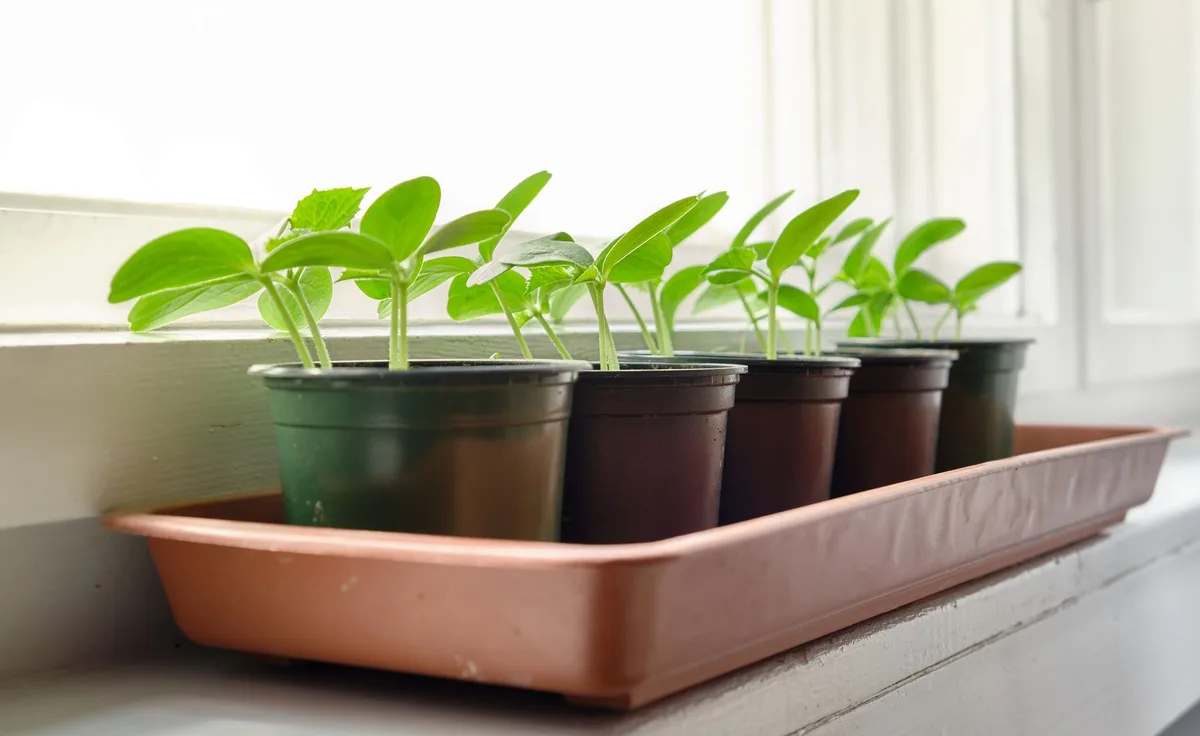
When your cucumber seedlings stretch too much and become leggy, it’s a common gardener’s dilemma. Thankfully, you often can bury leggy cucumber seedlings deeper to correct the issue. This technique encourages new root growth along the buried stem, creating a stronger plant.
However, success depends on how severely they've stretched. Seedlings that have elongated excessively may already be too weak to recover, even with this method. As of 2026, proper light management remains the best prevention, but this technique can salvage many leggy starts.
Why Your Cucumber Seedlings Are Getting Leggy
Most often, leggy growth in cucumber seedlings is a sign that they're searching for more light. When light is insufficient, the plant races to grow taller, hoping to reach a better source. This leads to weak, elongated stems with sparse leaves.
Too Little Light: The Usual Suspect
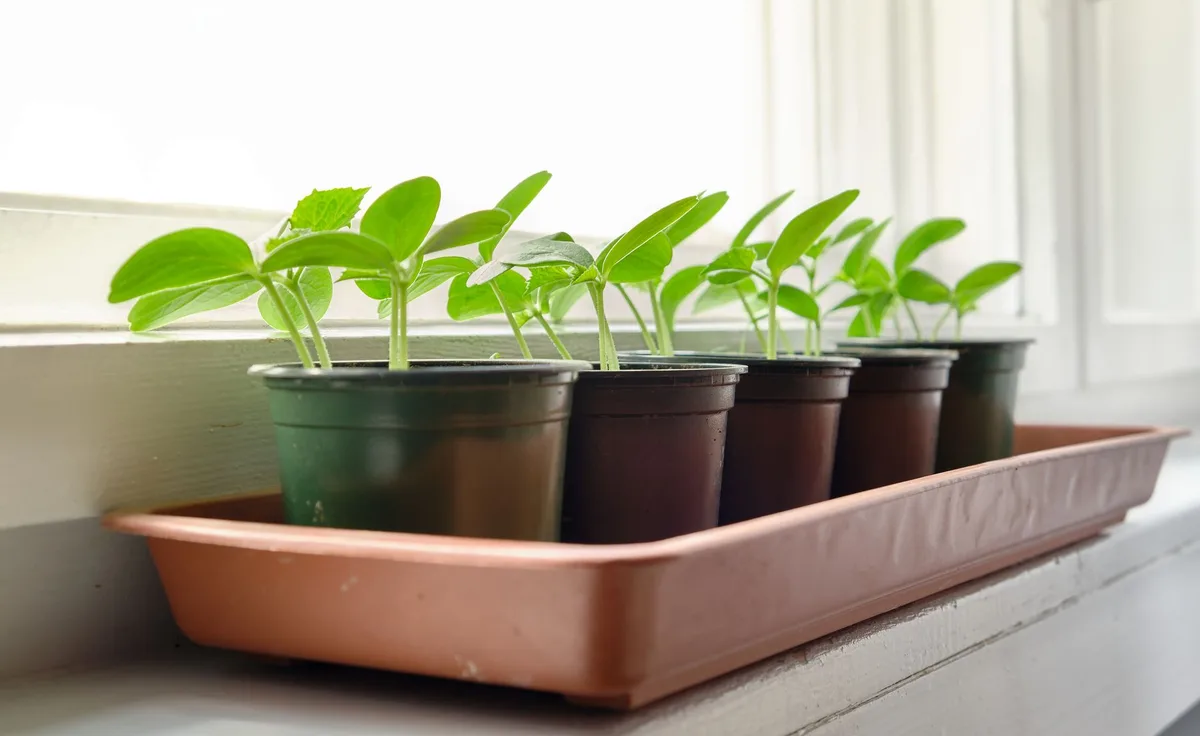
Cucumber seedlings need a good amount of light, typically 14-16 hours per day, to grow stout and healthy. If they’re placed near a window that doesn't get direct sun for most of the day, or if the light source is too far away, they’ll start to stretch. This is known as etiolation.
Seed Starting Indoors vs. Outdoors
When you start cucumber seeds indoors, it's easier to control their environment, including light. However, if you're relying on ambient windowsill light, it's often not strong enough, especially in early spring. Outdoors, while sunlight is abundant, you typically start them later when conditions are more favorable, reducing the risk of legginess.
Temperature and Overcrowding
Other factors can contribute, too. If the seedlings are kept too warm, especially without adequate light, they can grow weak and spindly. Overcrowded seed trays also force seedlings to compete for resources, including light, which can trigger stretching.
Proper spacing is key, similar to how you'd manage to prevent overcrowding in garden beds with hoes to get rid of garden weeds.
Assessing Your Leggy Cucumber Seedlings: How Bad Is It?
Before you decide whether burying a leggy seedling is the right move, you need to accurately judge its condition. It’s not just about height; it’s about the overall health and sturdiness of that stem.
What "Too Leggy" Actually Means
"Leggy" usually describes a seedling with a stem that's disproportionately long for its leaves. The stem becomes thin, pale, and might even start to bend or droop. Proper seedlings, in contrast, have sturdy, green stems that are about as thick as they are tall, with healthy, well-developed leaves.
Our research indicates that stems thinner than 1/8 inch (about 3 mm) often indicate a problem that burying might not fix.
Identifying Different Levels of Elongation
- Slightly Leggy: The stem is a bit longer than ideal, but still firm and green, with good leaf development. This is usually a good candidate for burying deeper.
- Moderately Leggy: The stem is noticeably long, thinner, and might be starting to pale. Leaves are smaller but still look healthy. This often still benefits from deeper planting.
- Severely Leggy: The stem is very thin, pale, weak, and may be bending significantly or even yellowing. The leaves might be small, wilted, or sparse. This often signifies irreversible damage from prolonged lack of light; burying may not save it.
The "Bury It" Method: How It Works for Cucumbers
This technique is a tried-and-true method for salvaging seedlings that have gotten a bit too enthusiastic with their upward growth. It taps into a plant's natural ability to adapt and grow stronger.
How Planting Deeper Encourages New Roots
When you plant a seedling deeper, you're essentially burying a portion of its stem in soil. Many plants, including cucumbers, have adventitious roots, meaning they can sprout new roots from parts of the stem that are typically above ground. These new roots emerge from nodes (the points where leaves attach to the stem) that are now covered by soil.
Why Cucumber Stems Are Good Candidates for This
Cucumber plants have a good capacity for developing adventitious roots. This trait makes them particularly well-suited for the "bury it" technique. By covering a significant portion of the leggy stem, you're giving the plant a much larger surface area from which to establish a robust new root system.
This new system can then better support the existing foliage and any future growth, leading to a sturdier plant than it would have been otherwise. This approach is analogous to how certain repairs can be made to equipment without needing a specialized technician, as in how to repair a lawn mower without a technician.
Step-by-Step: Burying Your Leggy Cucumber Seedlings
When you’ve got leggy cucumber seedlings, follow these straightforward steps to give them a second chance. The key is gentleness and providing good conditions for new root development.
Step 1: Gather Your Supplies (Bigger Pot, Soil)
You’ll need a slightly larger pot than the seedling is currently in, with drainage holes. A 4-inch pot is often a good size for one leggy seedling. Use a fresh potting mix that drains well.
Avoid using heavy garden soil, as it can compact and lead to rot.
Step 2: Gently Extract the Seedling
Carefully remove the seedling from its current container. If it’s in a small cell, gently squeeze the sides of the pot. Try to grasp the seedling by its leaves, not the delicate stem, to avoid damage.
If the soil is very dry, water it lightly beforehand; moist soil holds together better.

Step 3: Prepare the New Pot and Soil
Fill the new pot with your potting mix, leaving enough space at the top so that when you place the seedling in, the bottom set of true leaves will be just above the soil line.
Step 4: Plant Deeper, Cover the Stem
Gently place the seedling into the new pot. Now, instead of planting it at the same depth, bury a good portion of the leggy stem. You can even fold the stem gently (without breaking it) if it’s very long, allowing you to plant it at a suitable depth.
The goal is to cover most of the bare stem with soil.
Step 5: Water and Post-Transplant Care
Water the seedling thoroughly after planting. This helps settle the soil around the stem and encourages contact for root formation. Place the repotted seedling in a location with bright, indirect light initially, and gradually reintroduce it to its normal light conditions.
Avoid direct, intense sun for a few days while it recovers.
When NOT to Bury Your Leggy Seedlings (Or What to Watch For)
Not every leggy seedling can be saved by planting it deeper. Sometimes, the underlying issue is more severe than just a stretching stem, and the plant may not have the energy or structural integrity to recover. It's crucial to recognize these signs to avoid wasting effort or, worse, spreading disease.
Signs of Stem Rot or Weakness
If the stem has turned yellow, brown, or appears mushy, it’s likely experiencing stem rot. This is often caused by overwatering and poor drainage, exacerbated by insufficient light. A stem with rot cannot support new root growth and will likely fail.
Similarly, if the stem is extremely thin and weak, bending excessively under its own slight weight, it’s a sign it won't be able to support future growth.
Seedlings That Are Too Far Gone
A seedling that has stretched for too long and become severely etiolated might also be beyond saving. These plants often have very few, if any, true leaves and a stem that's almost translucent. While you can bury them, they lack the fundamental resources and vigor to establish a strong root system.
If the cotyledons (the first pair of seed leaves) are also withered or yellow, it’s a strong indicator the seedling is too compromised. Expert analysis of seed viability suggests that seedlings showing these extreme signs have less than a 20% chance of successful recovery, even with careful transplanting and optimal conditions.
Common Mistakes When Fixing Leggy Seedlings
Even with the best intentions, gardeners can make mistakes when trying to salvage leggy cucumber seedlings. Being aware of these common pitfalls can help you avoid them and increase your chances of success.
Overcrowding in the New Pot
After burying a leggy seedling, it's tempting to pack multiple seedlings into one larger pot to save space or if you have several that are slightly leggy. However, this severely limits the root space each plant needs to grow strong. Each seedling should ideally have its own pot, approximately 4 inches in diameter, to allow for proper root development and air circulation.
Using Poor Quality Soil
Using heavy, compacted soil or old potting mix can be detrimental. It can restrict root growth and retain too much moisture, creating an environment ripe for fungal diseases like damping-off. Always use a light, well-draining potting mix specifically designed for seedlings or transplants.
High-quality mixes, often including perlite or vermiculite, ensure good aeration and drainage, which is vital for root health following deeper planting.
Not Watering Enough (or Too Much) After Planting
Watering is critical after repotting, but the balance is delicate. You need to water thoroughly to settle the soil around the buried stem, encouraging new roots. However, overwatering can lead to the buried stem rotting before it can sprout roots.
Let the soil dry out slightly between waterings, but never let it become bone dry.
Forgetting About Light Requirements
Even after successfully burying a leggy seedling, the original problem, insufficient light, often persists. If the seedling doesn't receive adequate light (14-16 hours of bright, indirect light per day), it will likely become leggy again, or fail to thrive because the roots are not being supported by enough photosynthesis. Many indoor gardeners use grow lights, and checking the grow tent ventilation setup is often as important as the light itself for overall plant health.
Alternative Solutions for Leggy Cucumber Seedlings
While burying the stem is a popular method, it's not the only way to address leggy cucumber seedlings. Sometimes, focusing on the root cause or other interventions can be more effective.
Improving Light Conditions Immediately
The most effective solution, if caught early, is simply providing more light. If your seedlings are stretching, move them closer to the light source or invest in a grow light. For indoor setups, considering the performance of cheap grow tent kits or even how to make a grow tent can significantly improve your light situation.
Proper lighting, generally 6500K for seedlings, ensures they grow stout and compact from the start.
Strategic Seed Spacing
One of the best ways to prevent legginess is to give seeds enough space from the beginning. Don't overcrowd your seed-starting trays. If you start seeds in smaller cells, plan to transplant them into larger pots, around 4 inches, once they develop their first true leaves.
This early transplanting allows for deeper planting even if they aren’t leggy yet, giving them more stability. Consider the grow tent size guide if you're looking at larger scale indoor setups.
Your Decision Guide: Bury or Not to Bury?
Deciding whether to plant your leggy cucumber seedling deeper or pursue other options comes down to a quick assessment of its condition and your growing environment. The goal is to give the plant the best chance to thrive.
Quick Checklist for Decision Making
- Stem Condition: Is the stem pale, thin, and bending (leggy)? Or is it yellow, brown, or mushy (rot)?
- If pale and thin: Bury deeper.
- If yellow/brown/mushy: Consider it lost, or at least very high risk.
- Leaf Development: Are the leaves healthy and reasonably sized, or are they minimal, wilted, or falling off?
- Healthy leaves: Bury deeper.
- Minimal/wilted leaves: Low chance of recovery.
- Light Source: Is your current light source inadequate?
- Yes: Improve light before or after attempting to bury.
- No: Consider if another factor is at play.
If your seedling’s stem is pale and elongated but still firm, and the leaves look decent, burying it deeper is a very viable solution. If the stem shows signs of rot or is extremely weak, it's often better to start fresh.