
Can You Cut Daffodils Down After Blooming? Here's the Real Answer
When your daffodils have finished their spectacular spring show, you might be tempted to tidy up the garden by cutting back the fading foliage. But, can you cut daffodils down after blooming, or is there a better way to handle that post-flowering stage? Letting the leaves yellow and die back naturally is crucial for the bulb’s health and its ability to bloom vibrantly next year.
The energy produced through photosynthesis in those green leaves is what nourishes the bulb, storing food reserves for the following season. Cutting them too soon can weaken the bulb significantly, impacting future flower production. For instance, research from university horticulture extensions consistently shows that premature foliage removal can lead to smaller flowers or even no blooms in subsequent years.
Quick Answer: Should You Cut Daffodil Leaves After Blooming?
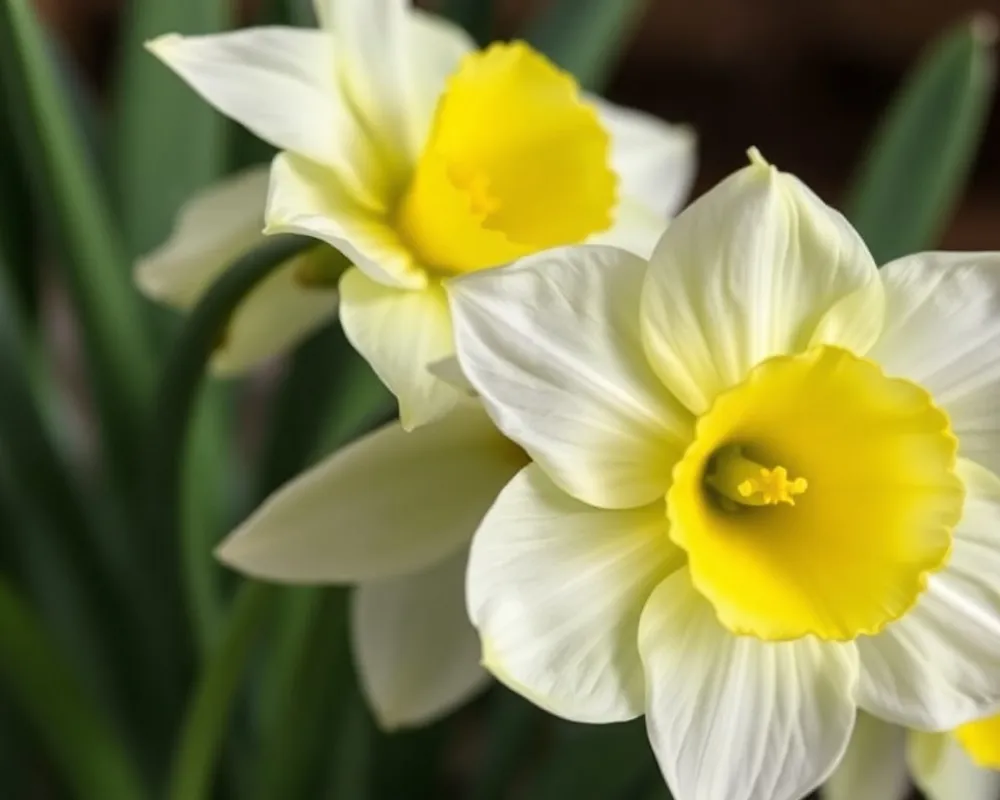
No, you shouldn’t cut daffodil leaves down immediately after blooming. Wait until the leaves turn yellow and start to die back on their own. This natural die-back period allows the bulb to store vital energy for next year’s flowers.
Cutting green leaves deprives the bulb of needed nutrients. Leaving the foliage to yellow naturally ensures stronger bulbs for future blooms.
Why Daffodil Foliage Matters After the Flowers Fade
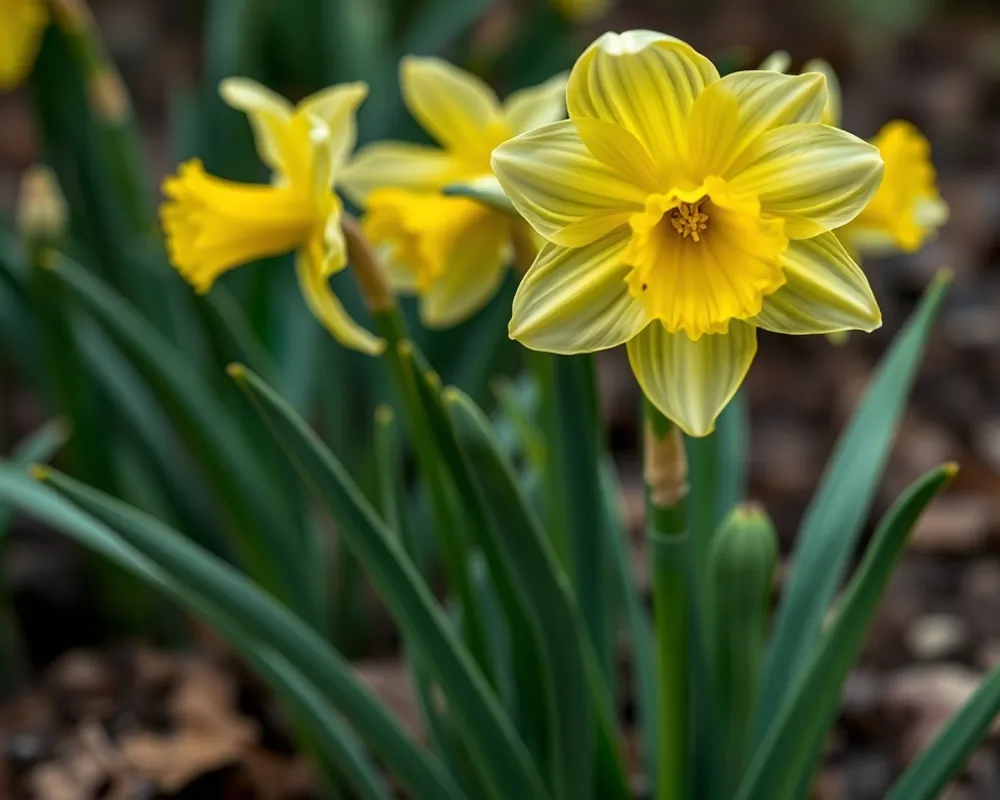
Those seemingly spent daffodil leaves are doing far more than just looking a bit untidy. They are, in essence, the plant’s solar panels, working hard even after the showy blooms have faded. The energy they capture through photosynthesis is directly transferred back into the daffodil bulb, essentially feeding it for its next performance.
This post-flowering period is critical for rebuilding the bulb's strength. Think of it like refuelling your car after a long trip; the bulb needs that energy stored to push up new shoots and produce flowers again next spring. If you remove the leaves prematurely, you’re essentially stopping the refueling process before it’s complete.
The Bulb's Secret Food Factory: Photosynthesis in Action
Daffodils, like most perennial plants, rely on photosynthesis to create the food they need to survive and reproduce. The green parts of the plant, primarily the leaves, contain chlorophyll, which captures sunlight. This solar energy is then used to convert simple inorganic molecules into sugars that fuel growth and storage.
These sugars are then transported down to the daffodil bulb to replenish its energy stores. This vital process continues as long as the leaves remain green and healthy. Think of it this way: the more time the leaves have to photosynthesize after flowering, the stronger and more robust your daffodil bulbs will become.
This is why proper foliage management is key for consistently beautiful blooms in the spring, as described in many horticulture guides and university extension articles.
What Happens When You Cut Daffodil Leaves Too Soon
Cutting daffodil leaves before they’ve naturally yellowed and withered is like stopping a plant’s work halfway through a critical task. The bulb hasn’t had enough time to pack away sufficient energy reserves for the next growing season. The American Daffodil Society, a leading authority on Narcissus, notes that this premature cutting is one of the main reasons for declining bulb performance over time.
This practice can lead to smaller, weaker flowers, or even a complete lack of blooms the following year. You might also notice the remaining foliage looking a bit sparse, impacting the overall appearance of your garden bed during those late spring and early summer weeks.
When is the Right Time to Cut Daffodil Leaves?
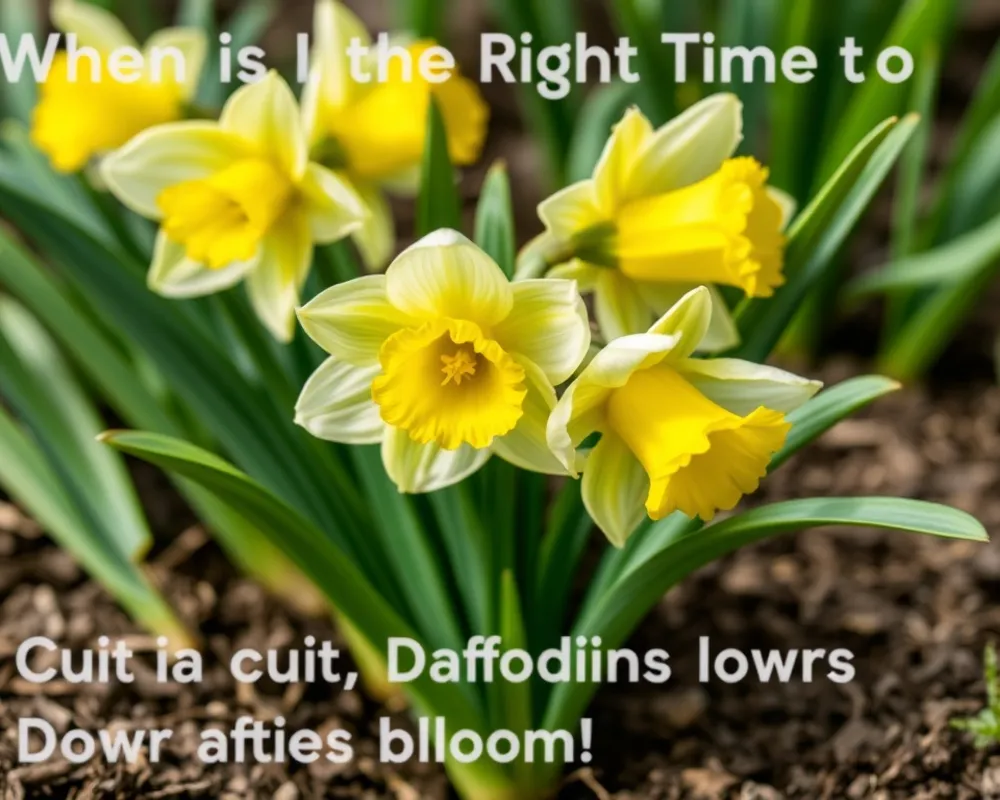
The golden rule for cutting daffodil foliage is patience. You need to let nature take its course as the plant finishes its life cycle for the season. While the flowers might be long gone, the leaves are still actively working to support future blooms.
Waiting until they’ve served their purpose is essential for the bulb’s long-term health and vigor.
This waiting period allows the stored energy within the bulb to reach its maximum potential. It’s a simple yet often overlooked aspect of perennial care that makes a significant difference to the plant’s vitality. Understanding these natural rhythms helps ensure your garden looks its best year after year.
Signs Your Daffodil Leaves Are Ready to Be Cut
The most obvious sign that it’s time to cut your daffodil leaves is a clear change in their color and texture. They will transition from a vibrant green to shades of yellow, often progressing to brown. The leaves will also start to lose their stiffness, becoming limp and even tangled.
If you gently tug on a leaf that is ready to be cut, it should come away from the bulb with very little resistance. If you have to pull hard or the leaf snaps off cleanly, it’s a good indication that the foliage is still too green. This natural die-back is the plant’s way of signaling that its energy transfer is complete.
Cutting Back Spent Daffodil Blooms (Deadheading)
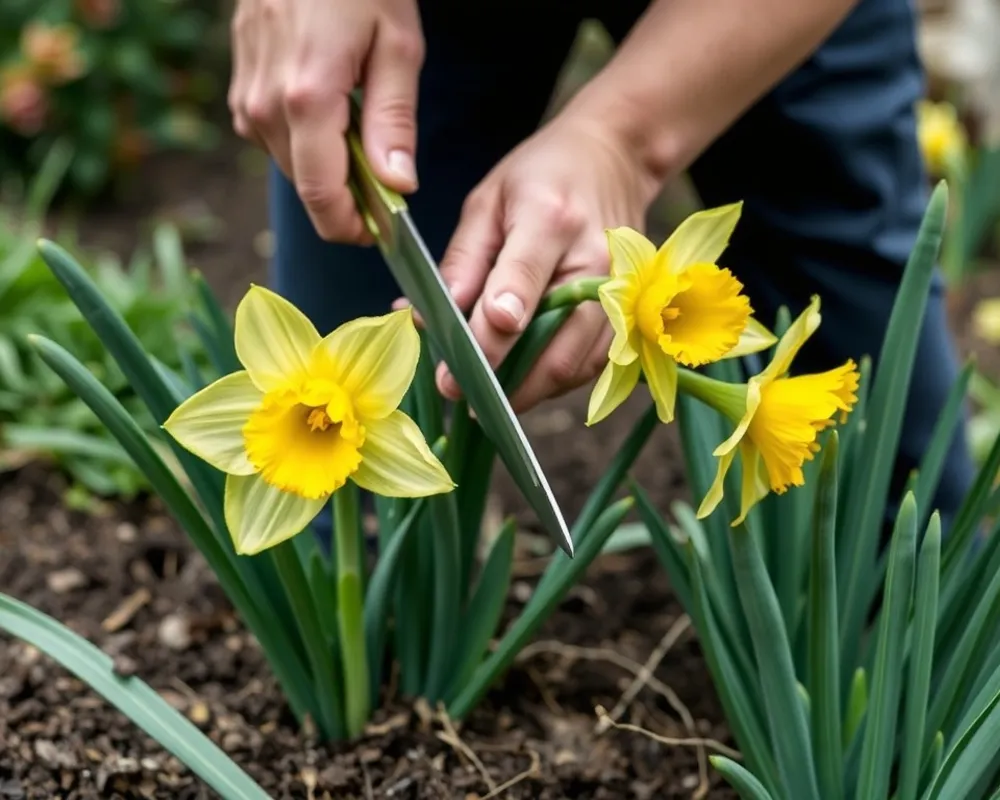
While we're talking about post-flowering care, it’s worth mentioning deadheading the spent blooms themselves. This involves removing the faded flower heads from the stems. It's a different process than cutting the leaves, and it has different benefits.
Deadheading prevents the plant from putting energy into producing seeds. For daffodils, this is often desirable because seed production doesn’t typically result in offspring that are true to the parent variety. Many daffodils are hybrids, and their seeds will produce different plants, often inferior to the original.
Why Deadhead Daffodil Blooms?
Removing the spent flower heads keeps the plant’s energy focused on the bulb and foliage, which in turn strengthens the bulb for the next blooming season. It also tidies up the garden aesthetically, preventing the unsightly look of wilting flowers. This practice is a quick win for both plant health and garden appearance.
How to Deadhead Daffodils Effectively
Use your fingers or a clean pair of scissors to snip off the faded flower stalk just above the developing leaves. To do this without damaging the leaves, you can gently bend the stem over and cut it close to the base. Avoid cutting into the main leaf structure, as those green parts are still working hard.
Trimming Daffodil Foliage: Best Practices
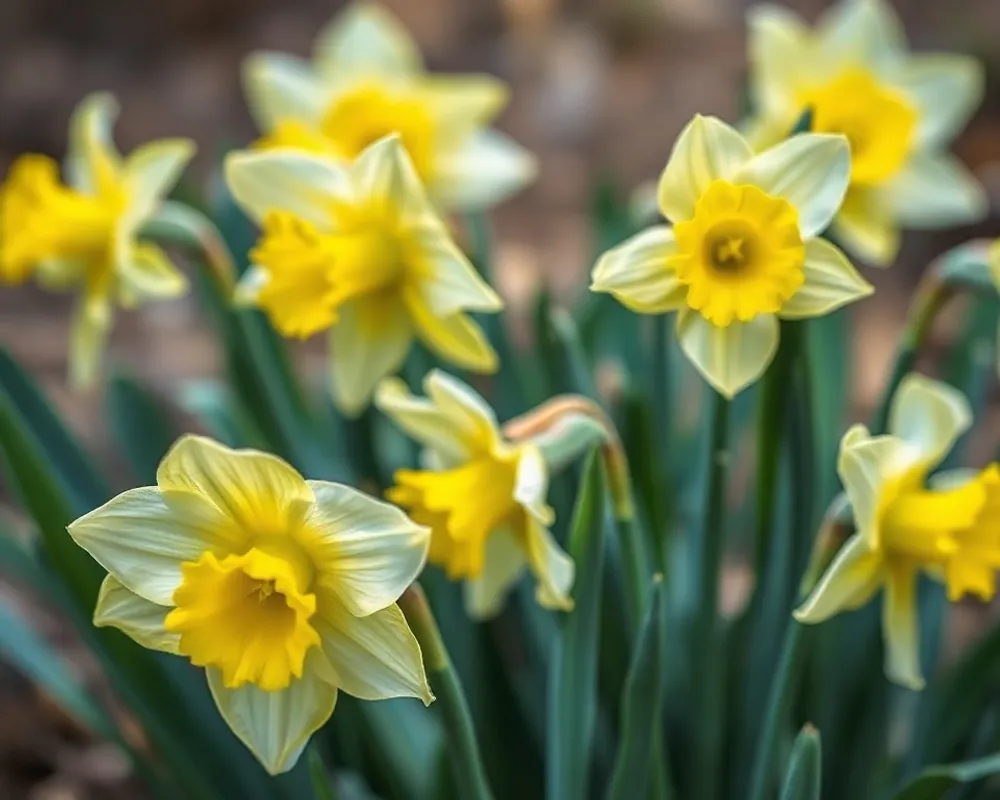
Once the leaves have fully yellowed and started to wither, it's time to trim them. This step is about garden cleanliness and hygiene as much as it is about plant health. Removing the dying foliage prevents the spread of potential fungal diseases that can overwinter in dead plant material and also makes your garden bed look much tidier.
The goal is to remove the foliage without disturbing the bulb itself. It’s the final act of care for your daffodils before they enter their dormant phase for the summer. This routine cleanup is a standard practice in perennial garden maintenance, akin to tidying up other spring-blooming bulbs.
Different Ways to Handle Daffodil Leaves
Most gardeners find the easiest method is to simply gather the yellowed leaves and cut them at the base of the plant. You can use hand pruners, shears, or even a sharp spade if you have a large patch and want to work efficiently. Some gardeners even wait until the leaves are dry and brittle enough to be pulled away by hand, though this can sometimes take longer.
For a very tidy look, and to prevent any potential disease spread, you can place the trimmed foliage in your compost bin if it's disease-free. If you suspect any issues, it's safer to bag and dispose of the material. This practice helps ensure the health of your soil for future plantings.
When to Trim: After Natural Die-Back
The absolute best time to trim the foliage is after it has naturally yellowed significantly and begun to collapse. If you're unsure, a good rule of thumb to remember is that the leaves should be mostly brown or yellow and easily pull away from the bulb with minimal resistance. If the leaves are still mostly green, wait.
This timing is critical. For example, in many temperate regions , the daffodil foliage typically finishes its job and begins to yellow about six to eight weeks after the flowers have faded. This usually places the optimal trimming period in late spring or early summer, depending on your local climate and the specific daffodil varieties you're growing.
Preventing Common Mistakes When Cutting Daffodils
When tending to your daffodils after their blooming season, a few common missteps can significantly impact their future performance. Understanding these pitfalls can save you from weaker blooms and healthier bulbs in the long run. It’s all about respecting the plant’s natural cycle and needs.
Most of these errors stem from a gardener's desire for tidiness or an eagerness to move on to the next planting project. While a neat garden is appealing, allowing the daffodils to complete their necessary post-flowering processes is paramount for their perennial success.
Mistake 1: Cutting Too Early
The most frequent error is cutting the green daffodil leaves too soon, often just after the flowers have faded. This is