Daffodils herald the arrival of spring with their cheerful blooms, but once the petals fall, gardeners often wonder about the foliage. Specifically, many ask: Can You Cut Down Daffodil Leaves, or should you leave them be? The answer really depends on a few key factors in the plant's life cycle.
Waiting to cut your daffodil leaves is crucial for the health and strength of the bulbs for the following year. According to horticultural research, the leaves continue to photosynthesize for several weeks after the flowers fade, transferring essential energy back into the bulb. Cutting them too early can significantly weaken them and lead to fewer, or even no, blooms next spring, a point confirmed by the Royal Horticultural Society’s (RHS) gardening advice.
Why Daffodil Leaves Matter After Blooming
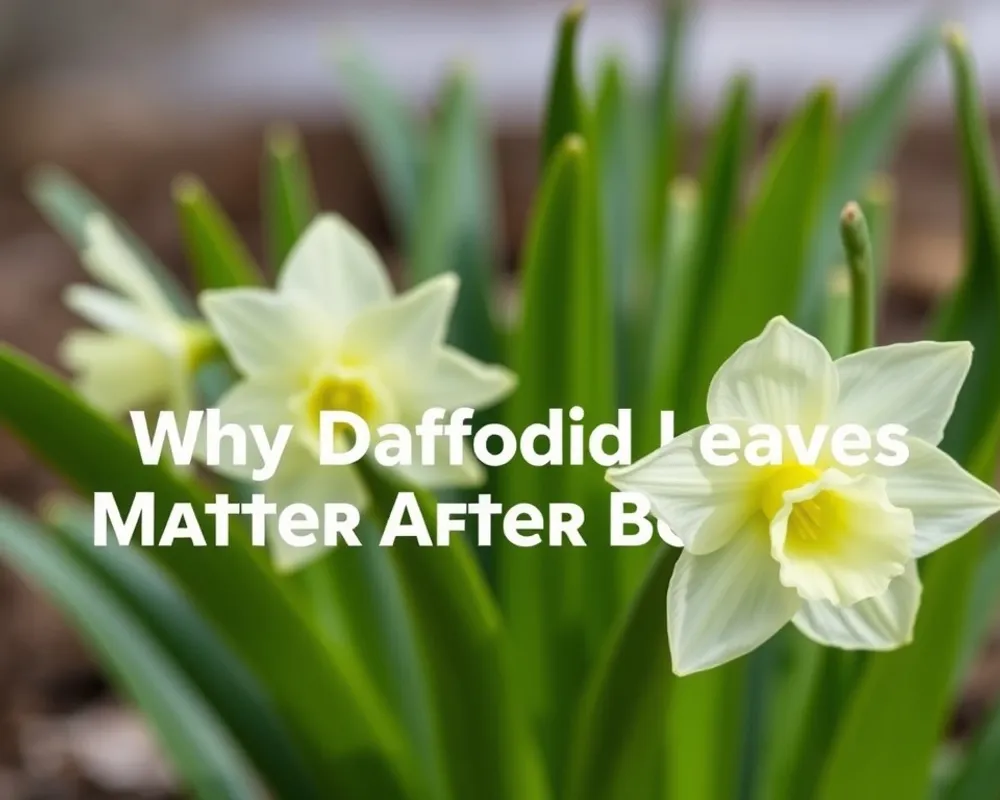
You might be tempted to tidy up your garden beds as soon as the daffodil flowers are spent. However, those fading green leaves are far from finished with their job. They are actively working to replenish the energy stores within the daffodil bulb.
This process, known as photosynthesis, uses sunlight to create sugars that are then transported down to the bulb.
This stored energy is what fuels the bulb’s growth and development for the next growing season. Without enough energy, the bulb will be smaller and weaker, which can result in reduced flower production or even the bulb failing to bloom at all, as noted in university extension gardening guides. Allowing the leaves to complete their natural work is vital for future displays.
Quick Answer: When Can You Cut Down Daffodil Leaves?
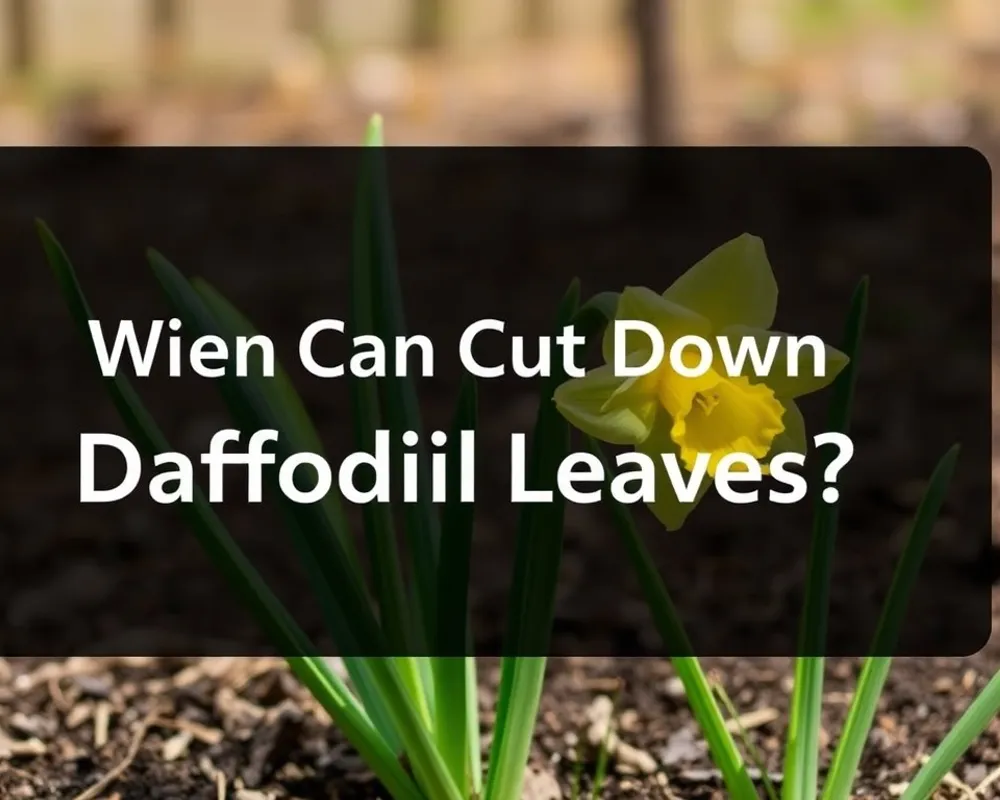
You can cut down daffodil leaves once they have naturally turned yellow or brown and are floppy. This usually happens about six to eight weeks after the flowers have finished blooming. Cutting them before they reach this stage deprives the bulb of necessary energy.
The Science Behind Waiting: Photosynthesis and Bulb Power
Think of your daffodil leaves as tiny solar panels and food factories for the bulb. After the daffodil blooms, its primary goal shifts from reproduction (making flowers and seeds) to replenishment. The leaves, still green and healthy, capture sunlight.
Through photosynthesis, they convert light energy, water, and carbon dioxide into glucose, a type of sugar.
This glucose then travels down the stem to be stored in the daffodil bulb. The bulb uses this stored energy to survive the summer dormancy and to produce new leaves and flowers for the following spring. If you cut the leaves before this energy transfer is complete, the bulb doesn't get the nourishment it needs to perform well next year.
Golden Rule: Wait for Yellow or Brown Leaves
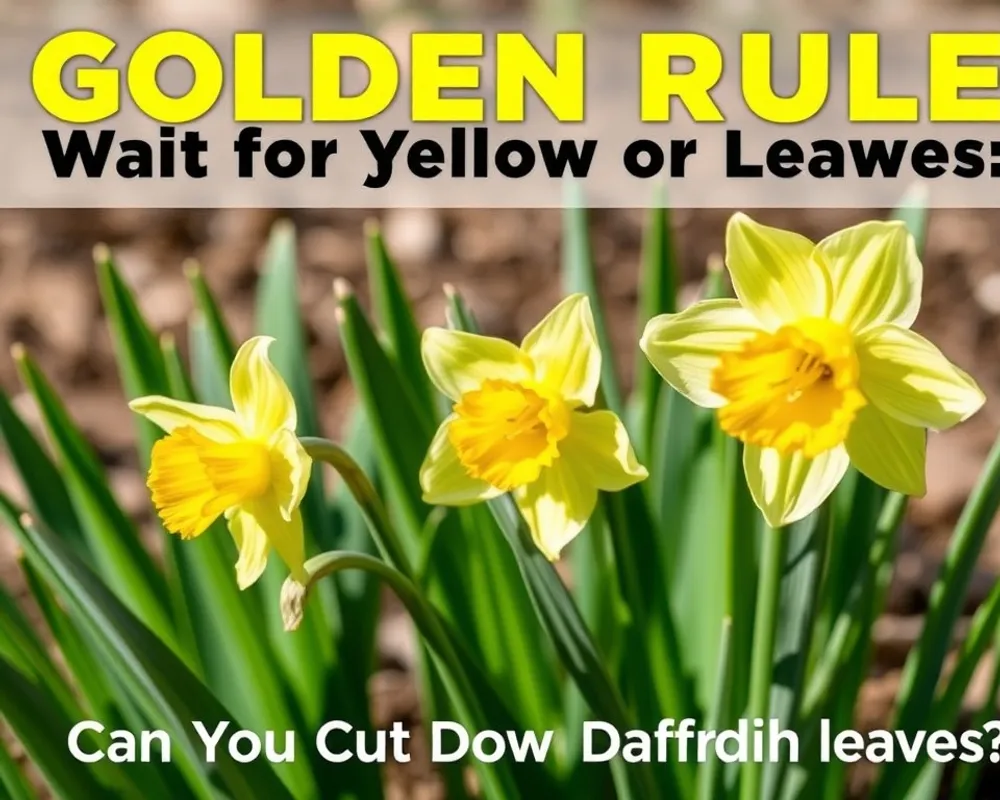
The most reliable signal that your daffodil leaves are ready to be cut is their color and texture. They will naturally transition from a vibrant green to a pale yellow, then to brown, and become limp and bendable. This signifies that photosynthesis has ceased, and the plant has moved its stored resources to the bulb.
What "Yellow and Brown" Really Means
"Yellow and brown" doesn't mean entirely dried and crispy for most varieties. It points to the leaves losing their turgor pressure and chlorophyll. They’ll often feel soft and wilted, easily bending over or lying flat on the ground.
This is the plant's natural way of saying, "Okay, my work is done, and the energy has been moved."
How Long Does This Take? (The 6-8 Week Guideline)
While individual timing can vary based on climate and daffodil variety, most gardeners can expect the leaves to start to yellow and droop about six to eight weeks after the last flower has faded. This period ensures adequate time for the bulb to fully recharge. For instance, in many temperate climates, this means they’ll be ready for cutting in late May or early June.
Cutting vs. Deadheading: Different Jobs for Different Parts
It’s easy to confuse cutting leaves with deadheading flowers, but they serve completely different purposes. Deadheading is the act of removing spent flower stalks, typically done right after blooming. This prevents the plant from putting energy into seed production and can sometimes encourage reblooming in certain species, though less so with daffodils.
Cutting the leaves, on the other hand, happens much later in the plant's life cycle, after the flowering and seeding phases are over. The goal of cutting leaves is not aesthetic tidiness during bloom but the long-term health and energy storage of the bulb itself. Understanding this distinction is key to proper daffodil care.
The Risks of Cutting Daffodil Leaves Too Soon
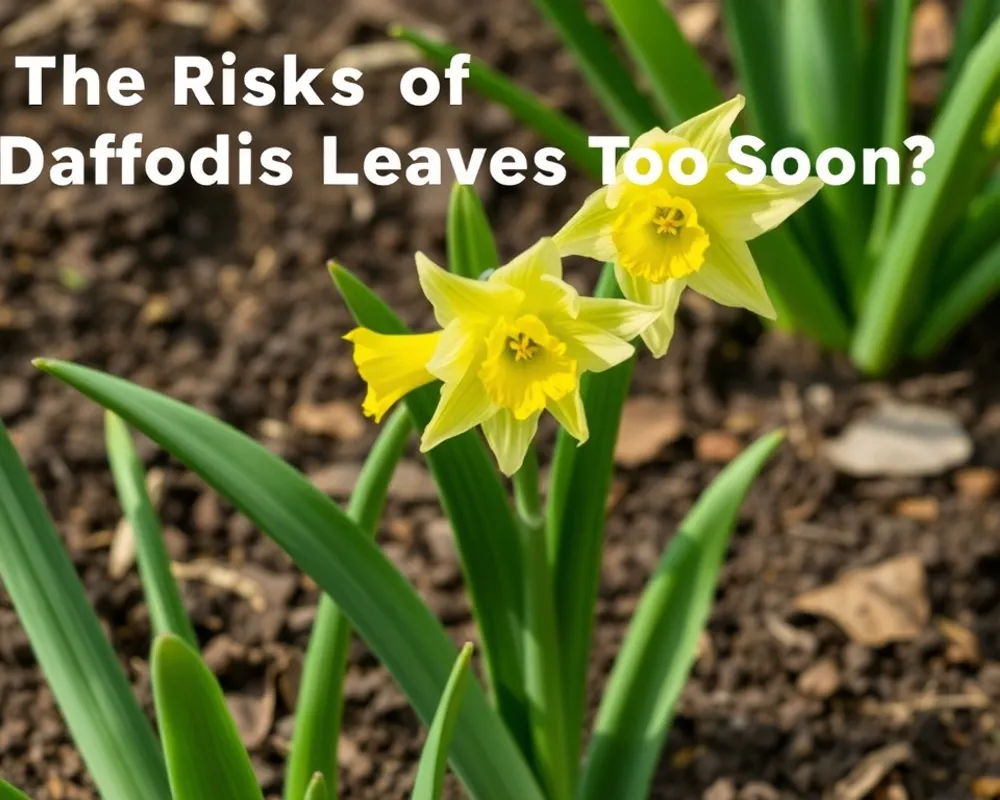
Cutting daffodil leaves before they turn yellow or brown is one of the most common mistakes gardeners make. This premature action directly impacts the bulb's ability to store enough energy for its next life cycle. Bulbs that are cut too soon may produce fewer flowers, smaller flowers, or no flowers at all in the subsequent year.
Research in horticulture journals, such as studies published in HortScience, consistently shows a correlation between unhindered foliage duration and bulb health. Weakened bulbs are also more susceptible to diseases and pests. If you've ever wondered why your daffodils put on a great show one year but fizzle out the next, it's often because the leaves were cut prematurely in the previous season.
How to Properly Cut Daffodil Leaves When They're Ready
Once you've confirmed your daffodil leaves have turned yellow and begun to wilt, you can proceed with cutting them. The process is straightforward, but a little care ensures you do it right. Using the correct tools and a clean approach prevents damage to the bulb and any potential spread of disease.
Step 1: Gather Your Tools
You’ll need a clean, sharp pair of bypass pruners or a garden knife. Using dull or dirty tools can tear the foliage, creating ragged edges that are more susceptible to disease. Sterilizing your tools, for example by wiping them with rubbing alcohol, is a good practice, especially if you’ve recently dealt with any plant diseases elsewhere in your garden.
This aligns with general garden sanitation practices recommended by university extension services.
Step 2: Make the Cut
You can either cut the leaves at ground level or gather them loosely into a bunch and then cut them. For a tidier appearance, gathering and cutting them a few inches above the bulb is often preferred. Avoid pulling the leaves, as this can disturb the bulb in the soil.
Step 3: What to Do After Cutting
The cut leaves can be added to your compost pile if they are healthy and disease-free. If you suspect any disease, it's best to discard them in the trash to prevent spreading it through your compost. Many gardeners leave them in place until they crumble away naturally if they don't mind the sometimes untidy appearance.
Letting Them Die Back Naturally: The Best Option?
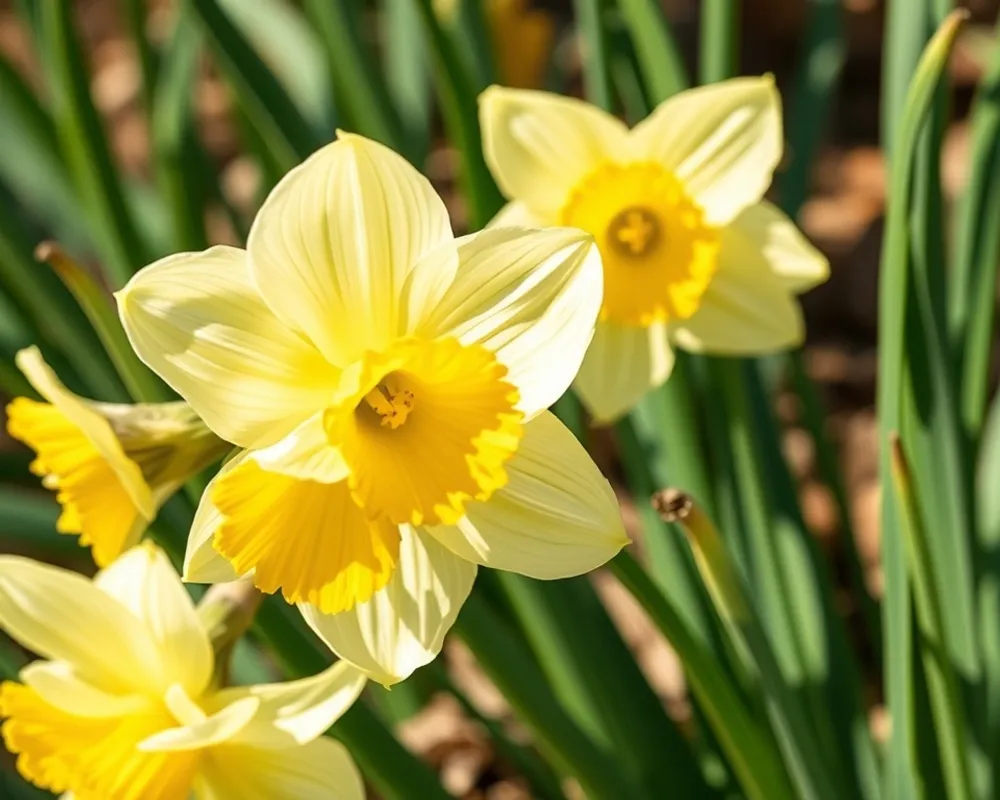
For many gardeners, the simplest and most effective approach is to simply let the daffodil leaves die back naturally. This means resisting the urge to cut them until they have completely turned yellow and brown and have collapsed. This natural process guarantees that the bulb has received the maximum possible energy transfer.
This laissez-faire method is particularly good for naturalized daffodils in lawns or meadows, where a slightly unkempt look until mid-summer is often acceptable. It removes guesswork about timing and ensures optimum bulb health without any intervention. You’ll often see this recommended as the primary method in guiding materials from organizations like the American Daffodil Society.
Can You Cut Daffodil Leaves for Arrangements? (Timing is Everything)
While you generally shouldn't cut daffodil leaves for aesthetic reasons in the garden before they yellow, there's an exception if you're using them for cut flower arrangements. If you're bringing daffodils indoors for a vase, you might want to cut the foliage along with the bloom, or trim it to a desired length. However, this is purely for visual appeal in the vase.
The caveat here is that the plant in the ground is still depending on those leaves. If you're cutting daffodils from your garden for an arrangement, it's best to do so from plants you don't intend to keep long-term, or from areas where you can afford to sacrifice some bulb energy for immediate enjoyment. For bulbs you want to thrive year after year, always let the leaves stay on the plant until they yellow and die back naturally.
This is a point stressed in horticultural advice for perennial care.