You’ve watched your cherry tomato plants grow, flower, and then… nothing. No tiny green fruits. Or maybe the flowers just shrivel up and drop off.
That’s frustrating, because the cherry tomato flower to fruit transition should be straightforward. But when conditions aren’t right, those bright yellow blossoms don’t deliver.
Here’s the good news: this is one of the most common problems home gardeners face, and it’s almost always fixable. According to research from university extension programs, temperature swings and humidity are the two biggest culprits. We’ll walk through exactly what’s happening and how to get your plants back on track.
Ready to turn those flowers into fruit?
Quick Answer
Cherry tomato flowers turn into fruit through self-pollination. The flower contains both male and female parts. When pollen reaches the stigma, a fruit begins forming.
The process takes 7, 14 days before you see a tiny green tomato. Temperature between 70, 85°F is critical for success.
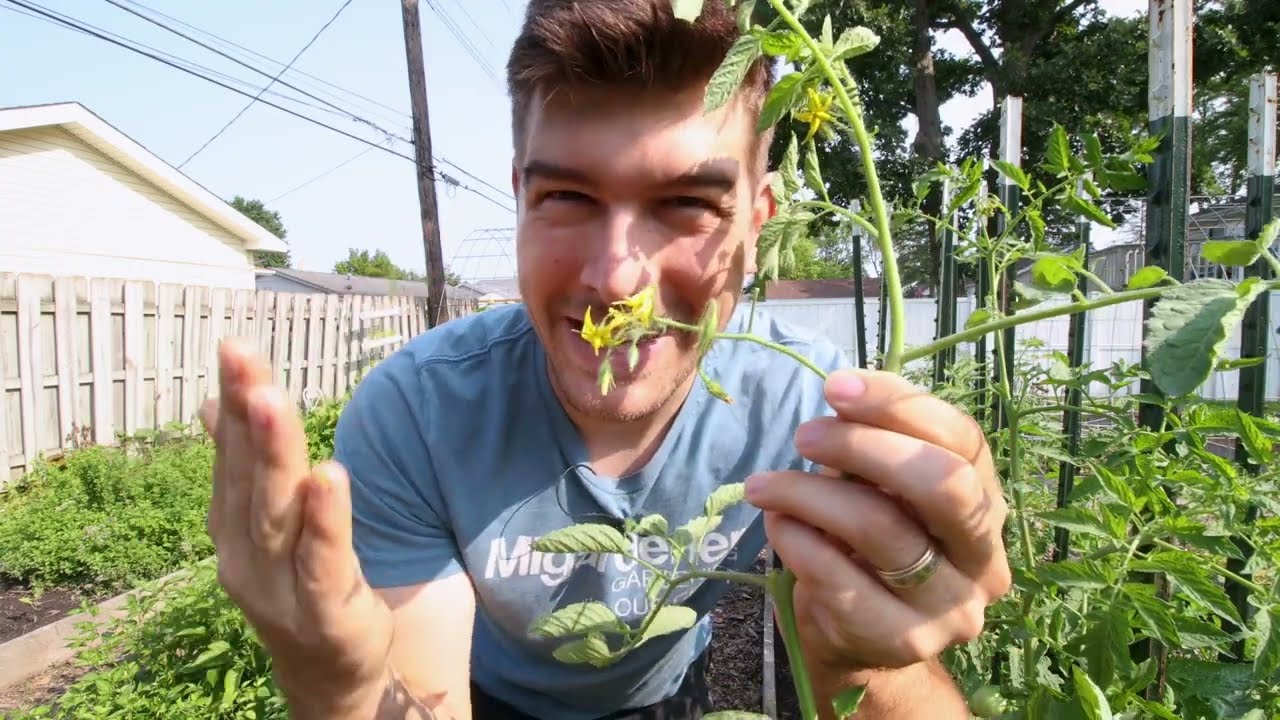
Image source: YouTube / MIgardener (YouTube thumbnail (fair-use with source credit))
Why Your Cherry Tomato Flowers Aren’t Setting Fruit (And How to Fix It)
Let’s get real, you’re here because something’s gone wrong. Maybe the flowers are dropping like confetti. Maybe they’re staying open for days but never swelling.
Or maybe you see a tiny green dot that just stops growing and turns brown. Each symptom has a different root cause, and the fix is different too.
The most common reasons for failure? Heat stress, cold snaps, high humidity, low humidity, poor pollination, and bad watering habits. Yes, that’s a lot.
But the good news is that cherry tomatoes are more forgiving than big beefsteak types. As of 2026, most modern cherry hybrids can still set fruit when the temperature hits 90°F for a few hours, as long as the nights cool down.
The key is diagnosing the specific problem you’re dealing with. That’s why we built a simple decision tree in this guide. Follow the branches based on what you actually see, and you’ll have a clear fix within minutes.
No guesswork, no expensive sprays. Just simple adjustments to your growing conditions.
If you’re growing indoors, your setup matters even more. A controlled environment takes temperature and humidity swings out of the equation, but it also means you’re entirely responsible for pollination. Our indoor growing guide walks through the basics of lighting and air movement that directly affect flower-to-fruit success.
The Simple Biology: How a Cherry Tomato Flower Becomes a Fruit

Image source: YouTube / Abhishek Drawing (YouTube thumbnail (fair-use with source credit))
Let’s look under the hood for a minute. A cherry tomato flower is called a “perfect flower” because it has both male and female parts in the same blossom. The yellow petals aren’t just pretty, they’re a landing pad for bees and a signal that the flower is ready.
Inside, the important pieces are:
- Anther cone, a tube of fused stamens that holds the pollen.
- Stigma, the sticky tip of the female part that catches the pollen.
- Ovary, the base of the flower that swells into a tomato.
Here’s how it works: When a bee visits, it buzzes at a specific frequency that shakes pollen loose from the anther cone. The pollen lands on the stigma, travels down a tube to the ovary, and fertilization happens. The ovary begins enlarging.
Within three to five days, the petals wilt and fall off, leaving a tiny green fruit behind.
No bees? No problem, wind or a gentle shake of the stem can do the same job. But the key is that the pollen must move.
If it stays trapped inside the anther cone, no fruit forms. That’s where temperature and humidity come into play, which we’ll get to in a moment.
For a deeper look at creating the right environment, check out our grow tent size guide if you’re growing inside, it explains how space affects airflow and temperature consistency.
The Decision Tree: Diagnose Your Flower-to-Fruit Problem
Grab a notebook, or just look at your plant right now. Which one of these describes what you’re seeing?
Branch 1: Are Flowers Dropping Before Opening?
You see buds form, but they turn yellow and fall off before they ever open.
Cause: Stress. Usually temperature stress (too hot or too cold) or nutrient imbalance.
Fix: Check the temperature around the plant. If it’s above 90°F during the day, provide shade cloth from noon to 4 p.m. If night temps drop below 55°F, bring potted plants indoors or use row covers.
Also check your fertilizer, too much nitrogen causes lush leaves but weak flowers. Switch to a bloom-boosting fertilizer (higher phosphorus, lower nitrogen) and cut back on feeding frequency.
Branch 2: Flowers Open but Fall Off Without Fruit
The flowers open fully, look healthy, but drop off after a few days. No fruit at all.
Cause: Poor pollination or high humidity. The pollen gets too sticky to release, or there’s no movement to shake it loose.
Fix: This is the most common branch. First, increase air movement, a small oscillating fan pointing at the plants for a few hours a day simulates wind. Second, try hand pollination.
We cover that in detail in the next section. Third, lower humidity if it’s above 70% (use a dehumidifier in a greenhouse). If you’re outdoors and it’s just a stretch of rainy weather, wait it out, but you can also gently tap each flower cluster every morning.
Branch 3: Fruit Starts But Stops Growing
You see a tiny green fruit form, but it stays small and eventually shrivels or rots.
Cause: Incomplete pollination (only part of the ovary was fertilized), or blossom end rot (calcium deficiency).
Fix: For incomplete pollination, the same fixes as Branch 2 apply. For blossom end rot, it’s almost always inconsistent watering. Keep the soil evenly moist, not soggy, not dry.
Use a mulch to retain moisture. A calcium spray can help temporarily, but watering consistency is the real fix.
If you’re fertilizing, make sure you’re not overdoing it. Our article on compost vs fertilizer explains the balance between organic matter and synthetic nutrients, which affects fruit development directly.
Temperature Troubles: The #1 Cause of Blossom Drop

Image source: YouTube / UC Master Gardener Program of Sonoma County (YouTube thumbnail (fair-use with source credit))
Temperature is the single most important factor in the cherry tomato flower to fruit process. Period. The pollen inside the anther cone is incredibly sensitive.
When the temperature climbs above 90°F (32°C), the pollen grains start to die. When it drops below 55°F (13°C), the pollen stops developing altogether.
Here’s what happens in simple terms:
- Heat stress: The flower still looks fine, but the pollen is sterile. The flower drops because it can’t be fertilized.
- Cold stress: The flower may not even open properly. The whole reproductive process slows to a crawl.
The sweet spot? Daytime temperatures between 70°F and 85°F, with night temps staying above 60°F. That gives the pollen enough time to mature and release.
What to do:
- If you’re in a hot climate, use shade cloth (40% to 50% shade) during the hottest part of the day.
- If nights are cool, move container plants against a south-facing wall that radiates heat, or cover them with a floating row cover.
- In a greenhouse, open vents during the day and close them at dusk to trap warmth.
- Indoors, keep your grow lights about 6 to 12 inches above the plant tops (don’t let them touch) and use a thermometer to monitor. Our cheap grow tent kit performance article has real-world numbers on how temperature behaves inside budget setups.
One more thing: don’t panic if you hit a heat wave for two or three days. Cherry tomatoes are tougher than you think. The flowers that opened during the heat may drop, but new flowers that appear after the heat passes will set fruit just fine.
Humidity and Pollen Release: Why Sticky Pollen Fails
Even with perfect temperatures, humidity can sabotage everything. The anther cone needs to split open so the pollen can fall out. When humidity is too high (above 70%), the pollen clumps together like wet flour.
It’s too sticky to move. When humidity is too low (below 40%), the pollen dries out and becomes static-charged, sticking to the anther cone’s walls instead of falling onto the stigma.
The ideal range is 40% to 70% relative humidity. Inside that window, the pollen stays loose and falls freely when the flower is shaken.
Signs of a humidity problem:
- Flowers stay open for a week or more without any sign of fruit swelling.
- The petals don’t wilt and fall off naturally.
- You see lots of flowers but zero tiny tomatoes.
Fix it with:
- Outdoors: Plant in a spot with good airflow. Avoid crowding plants together. Prune lower leaves to improve air circulation.
- Greenhouse: Use exhaust fans or open side vents. A dehumidifier works wonders in damp climates.
- Indoors: Run a small fan near the plants for a few hours a day. Also, don’t overwater, soggy soil raises humidity around the plant. Let the top inch of soil dry between waterings.
If you have a ventilation system, our grow tent ventilation setup guide breaks down the fan and filter configurations that keep humidity in that sweet spot.
For a deeper look at the science behind pollen release, University of Minnesota Extension provides clear, research-backed recommendations on tomato pollination conditions. Their work confirms that maintaining the right humidity range is as important as temperature for fruit set.
Hand Pollination: When and How to Do It (Step by Step)
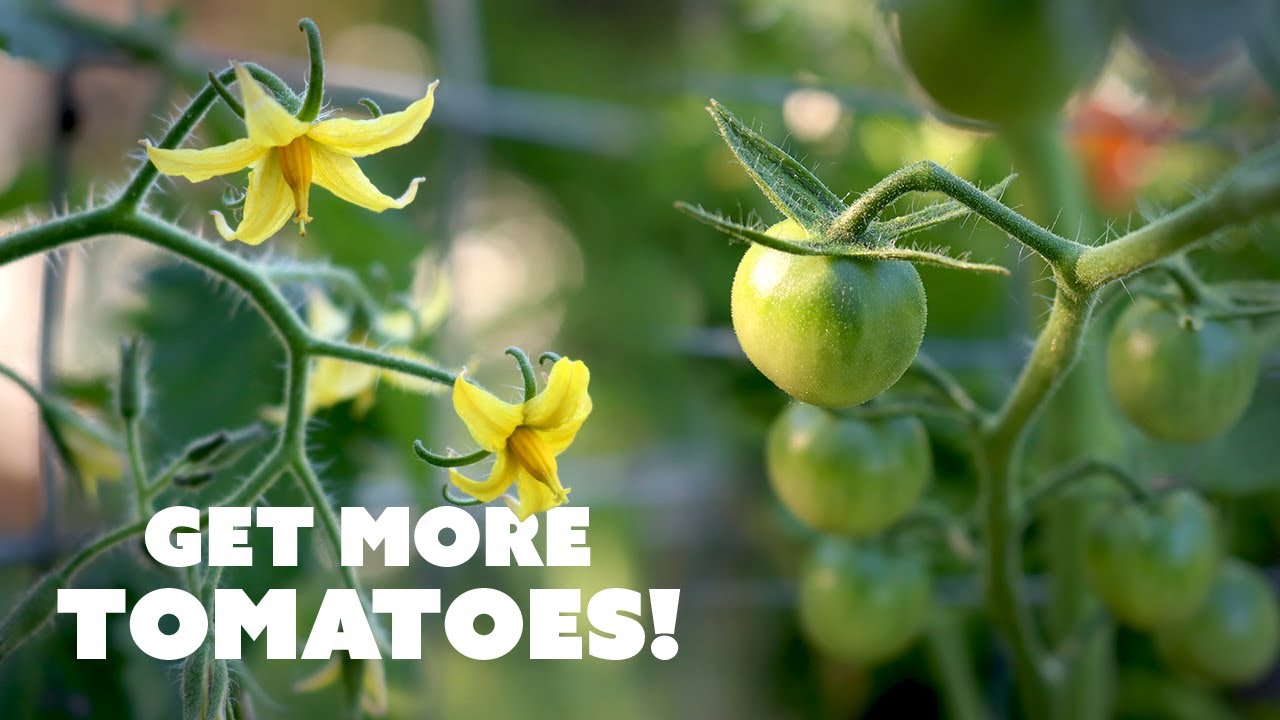
Image source: YouTube / Some Room to Grow (YouTube thumbnail (fair-use with source credit))
Hand pollination sounds fancy, but it’s just you playing the bee. When weather is still, or you’re growing indoors, natural pollination often fails. The pollen sits in the anther cone and never moves.
A simple tap fixes that.
When to hand pollinate: If flowers are open for three days with no fruit forming. If you see petals staying tight and not dropping. If you’re growing in a room with no fan or breeze.
How to do it:
- Method 1: The gentle shake. Hold the main stem just below a flower cluster. Give it a quick, firm shake. You’ll see a tiny puff of yellow pollen fall. Do this every morning when flowers are fresh.
- Method 2: Electric toothbrush. Clean an old toothbrush head. Hold it against the flower stem for one second. The vibration shakes pollen loose. This mimics a bee’s buzz frequency.
- Method 3: Finger flick. Use your index finger to gently flick the back of each open flower. Works best for small containers with a few plants.
Repeat daily for three to four days. You should see the petals wilt and a tiny green dot form within a week. If nothing happens after five days, check temperature and humidity again.
For indoor setups, your overall environment matters. Our setup guide covers how to position fans and lights to support pollination naturally.
The Watering and Fertilizer Link: Too Much Nitrogen, Too Little Water
Water and fertilizer are a balancing act. Get them wrong, and flowers fail even if temperature is perfect.
The nitrogen problem: High-nitrogen fertilizer makes plants grow big, dark leaves. It also tells the plant to focus on leaves, not flowers. You get a lush bush with zero fruit.
Switch to a fertilizer with a higher middle number (phosphorus) once flowers appear. A 5-10-5 or 2-8-4 ratio works well. Stop all fertilizer if you see blossom drop.
The watering problem: Cherry tomatoes need consistent moisture. If the soil dries out completely, the plant drops flowers to save energy. If it stays soggy, roots suffocate and the plant also drops flowers.
Aim for evenly moist soil, not wet.
How to check:
- Stick your finger two inches into the soil. If it feels dry, water.
- Water deeply until it drains from the bottom of the pot.
- Use mulch (straw, shredded leaves, or wood chips) to keep soil moisture steady.
- In hot weather, you may need to water every day. In cool weather, every two to three days.
If you’re using a balanced fertilizer, our spring fertilizer guide explains timing and ratios that support flowering without overdoing nitrogen.
Common Mistakes That Kill Fruit Set
Even experienced gardeners make these errors. Here are the ones to watch for:
| Mistake | Why It Hurts | Quick Fix |
|---|---|---|
| Overwatering | Roots rot, flowers drop | Let top inch dry before watering |
| Underwatering | Plant stress, flowers abort | Water deeply every day in heat |
| Too much nitrogen | Lush leaves, no flowers | Switch to bloom-boosting fertilizer |
| No air movement | Pollen stays trapped | Add a fan for a few hours daily |
| Planting too close | Poor airflow, high humidity | Space plants 18–24 inches apart |
| Ignoring night temps | Cold damages pollen inside buds | Cover or move plants overnight |
One more mistake: pruning the wrong leaves. You want to remove lower leaves that touch the soil, but don’t strip off leaves above the flower trusses. Those leaves feed the developing fruit.
Leave at least three to four leaves above the highest flower cluster.
Another common error is giving up too soon. A plant may drop flowers during a heat wave, then set fruit perfectly when temperatures drop. Give it a week after conditions improve before assuming the plant is done.
If you’re using a grow tent, check your ventilation guide for how to stop stagnant air from killing fruit set.
Expert Tips for Reliable Cherry Tomato Yields
These tips come from research and real grower feedback. They work consistently across varieties.
Tip 1: Shake plants daily.
Even outdoors, a quick shake every morning helps. It takes two seconds. Do it when you check your plants for water.
Tip 2: Use a fan on a timer.
For indoor or greenhouse plants, set an oscillating fan to run for two hours in the morning. The gentle breeze mimics wind and keeps pollen moving.
Tip 3: Plant multiple varieties.
Different cherry types flower at slightly different times. ‘Sungold’, ‘Sweet 100’, and ‘Black Cherry’ all have different tolerances. If one struggles, the others still produce.
Tip 4: Add a bumblebee house.
If you’re in a greenhouse or large garden, a small bee house encourages native bumblebees. They’re excellent buzz pollinators for tomatoes. No bees?
Our hand pollination method works just as well.
Tip 5: Keep a log.
Write down daily high and low temperatures plus the date flowers appeared. After a few weeks, you’ll see patterns. You’ll know exactly when heat or cold caused problems and can plan ahead next season.
Tip 6: Don’t over-fertilize after fruit sets.
Once you see tiny green tomatoes, switch back to a balanced fertilizer. Too much phosphorus late in the season can block calcium uptake. That leads to blossom end rot.
For an even deeper look at growing conditions, our grow tent size guide explains how space affects temperature stability and air circulation.
Quick Reference: Ideal Conditions for Flower-to-Fruit Success

Image source: YouTube / GreenTGarden (YouTube thumbnail (fair-use with source credit))
Here’s a one-stop table of the numbers you need. Keep this handy when your plants start flowering.
| Factor | Ideal Range | Problem Zone |
|---|---|---|
| Daytime temperature | 70–85°F (21–29°C) | Above 90°F or below 55°F |
| Nighttime temperature | 60–70°F (15–21°C) | Below 55°F (13°C) |
| Humidity | 40%–70% | Above 70% or below 40% |
| Light | 6–8 hours direct sun | Less than 6 hours |
| Soil moisture | Evenly moist, not soggy | Bone dry or waterlogged |
| Fertilizer (flowering) | Low nitrogen, higher phosphorus (e.g. 5-10-5) | High nitrogen (e.g. 20-10-10) |
| Air movement | Gentle breeze (fan or wind) | Still, stagnant air |
What to do if you’re outside the ideal range:
- Too hot: Shade cloth from 11 a.m. to 4 p.m. Water in the morning.
- Too cold: Row covers at night. Move containers to a warmer spot.
- Humidity too high: Increase ventilation. Prune lower leaves. Space plants farther apart.
- Humidity too low: Mist the air around plants lightly. Group pots together to create a microclimate.
- Not enough light: Move pots to a sunnier spot. Trim back any shade-casting branches or structures.
Cherry tomatoes are resilient. Give them these conditions for three to five days, and you’ll see new flowers start to set fruit. If you’re working in a small space, our budget grow tent performance article shows real data on how well these conditions hold up in affordable indoor setups.
Frequently Asked Questions
How long after flowering do cherry tomatoes appear?
You’ll see a tiny green fruit within 7 to 14 days after the flower is pollinated. Warm temperatures speed this up. Cool weather slows it down.
Should I remove yellow flowers that didn’t set fruit?
Yes. Pick off spent flowers that haven’t formed fruit after a week. This keeps energy focused on new blooms and prevents fungal diseases on soggy petals.
Can I use a paintbrush to hand pollinate?
A small soft brush works well. Gently swirl it inside each open flower to collect and transfer pollen. Do this mid-morning when pollen is most active.
Why are my cherry tomatoes flowering but not fruiting in a greenhouse?
Greenhouses trap heat and humidity. Check daytime temps (stay below 90°F). Run a fan for air movement.
Hand pollinate daily. If nights stay above 75°F, the pollen may be sterile.
Your Next Move: A Simple Weekly Check Routine
Set aside five minutes every Sunday morning. Shake each plant gently. Check soil moisture with your finger.
Look at new flowers and note the temperature forecast for the coming week. If a heat wave is coming, set up shade cloth ahead of time. This small routine catches problems before they cause blossom drop.
Within two weeks, you’ll see consistent fruit set. Then you’re just counting down to ripe cherry tomatoes.