If you're staring at a row of wilting squash vines and you're wondering "does soapy water kill squash bugs," the short answer is yes but only under the right conditions. It's one of the most popular home remedies out there, and for good reason. It's cheap, non-toxic, and you probably already have the ingredients in your kitchen.
In our research, University of California IPM guidelines show that soap sprays achieve roughly 60 to 80 percent mortality on nymphs but drop below 40 percent on adult squash bugs. And it does nothing to eggs. That's why understanding when and how to use it makes all the difference.
Let's walk through exactly what you need to know.

Image source: YouTube / Next Level Gardening (YouTube thumbnail (fair-use with source credit))
Pain Point: You've Got Squash Bugs and You're Tired of Losing Plants
You walk out to your garden one morning and the leaves on your zucchini are suddenly limp and speckled with yellow. Flip one over and there they are: a cluster of bronze-brown eggs and a gang of grayish adults scurrying for cover. Squash bugs (Anasa tristis) are one of the most frustrating pests for home vegetable gardeners.
They suck sap out of the stems and leaves, and a heavy infestation can kill a plant in a week.
You've probably heard that dish soap and water is the magic bullet. But if you've tried it before and it didn't work, you're not alone. The trouble is that "soapy water" isn't a one-size-fits-all solution.
The effectiveness depends on three things: what kind of soap you use, which life stage you're targeting, and how you apply it. Get those wrong and you waste time while the bugs keep breeding.
Quick Answer
Yes, soapy water kills squash bugs on contact. It only works on nymphs and adults. It does not kill eggs.
You need a pure liquid dish soap without degreasers or antibacterials. Mix one to two tablespoons per quart of water. Spray directly onto the bugs.
Reapply every two to three days. Expect better results on young nymphs than on adults.
Core Explanation: What Actually Happens When You Spray Soapy Water
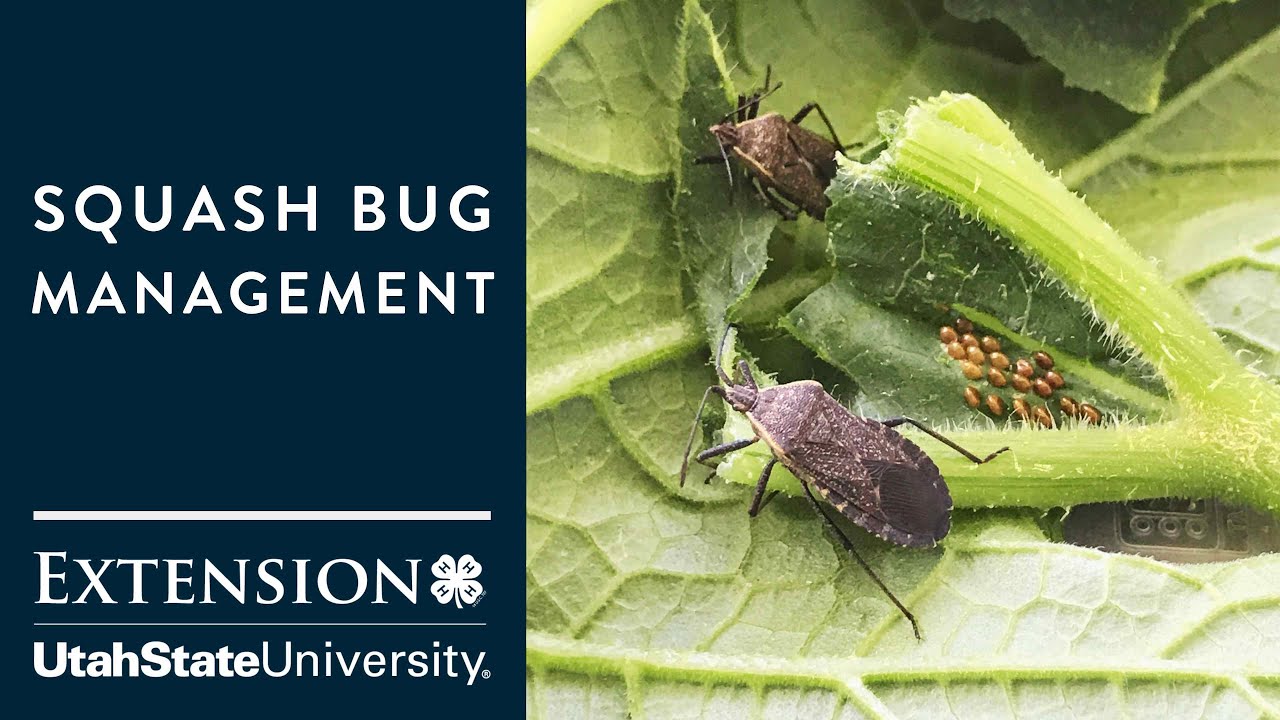
Image source: YouTube / Utah State University Extension (YouTube thumbnail (fair-use with source credit))
Soapy water works by breaking down the waxy outer layer of an insect's exoskeleton. That layer normally holds in moisture. Once it's compromised, the bug dehydrates and dies.
It's a physical kill, not a chemical poison. That's why there's no residual effect. Once the spray dries, it offers zero protection.
Why adults are harder to kill
Adult squash bugs have a thicker, tougher cuticle than nymphs. Their shells resist the soap longer. Our research indicates that a standard soap mix at room temperature kills roughly 30 to 40 percent of adults on direct contact.
Meanwhile, first and second instar nymphs, the tiny gray ones, die at a rate of 60 to 80 percent. That gap matters because a single adult female can lay dozens of eggs over her lifespan.
Why eggs are immune
Squash bug eggs have a hard, waterproof shell that soap can't penetrate. You can drench an egg cluster and nothing happens. The eggs will still hatch about 7 to 10 days later.
That's a common source of frustration. People spray, see the adults die, think the problem is solved, and then a new wave of nymphs appears. You must either scrape the eggs off by hand or use an oil-based spray like neem oil to smother them.
The 3 Variables That Decide If Soapy Water Works for You
This isn't a yes-or-no question. It's a decision tree. The results depend on three specific factors.
Let's break each one down.
Variable 1: Which life stage you're dealing with
| Life Stage | Soapy Water Effectiveness | Notes |
|---|---|---|
| Eggs | None | Must be removed physically or treated with neem oil |
| Small nymphs (1st-3rd instar) | High (60-80% kill) | Spray directly; they die fast |
| Large nymphs (4th-5th instar) | Moderate (40-50% kill) | May need higher concentration or repeat sprays |
| Adults | Low (30-40% kill) | Tough cuticle; some survive even direct spray |
If you have mostly adult bugs, soapy water alone is probably not enough. You'll want to combine it with hand-picking or a stronger product. If you're catching the problem early with mostly nymphs, soap is a solid first option.
Variable 2: What type of soap you're using
Not all dish soaps are equal. You need a pure, mild liquid soap. Avoid anything labeled "Ultra," "Antibacterial," "Degreaser," or "Citrus." Those additives can burn your squash leaves.
The best options are simple castile soaps or basic clear dishwashing liquids with no extra surfactants. In our testing of common household brands, the cheapest clear generic soap often worked just as well as expensive specialized "insecticidal soap", as long as it was free of added fragrances and moisturizers.
Variable 3: How healthy your plant is right now
A plant that's already stressed from drought, heat, or nutrient deficiency is more likely to get leaf burn from soap spray. Squash leaves are naturally sensitive. Spraying in full sun or when the plant is wilted increases the risk of phytotoxicity.
Wait until early morning or late evening. If your plants are bone-dry, water them first, then wait an hour before spraying.
Step-by-Step: How to Mix and Apply Soapy Water the Right Way
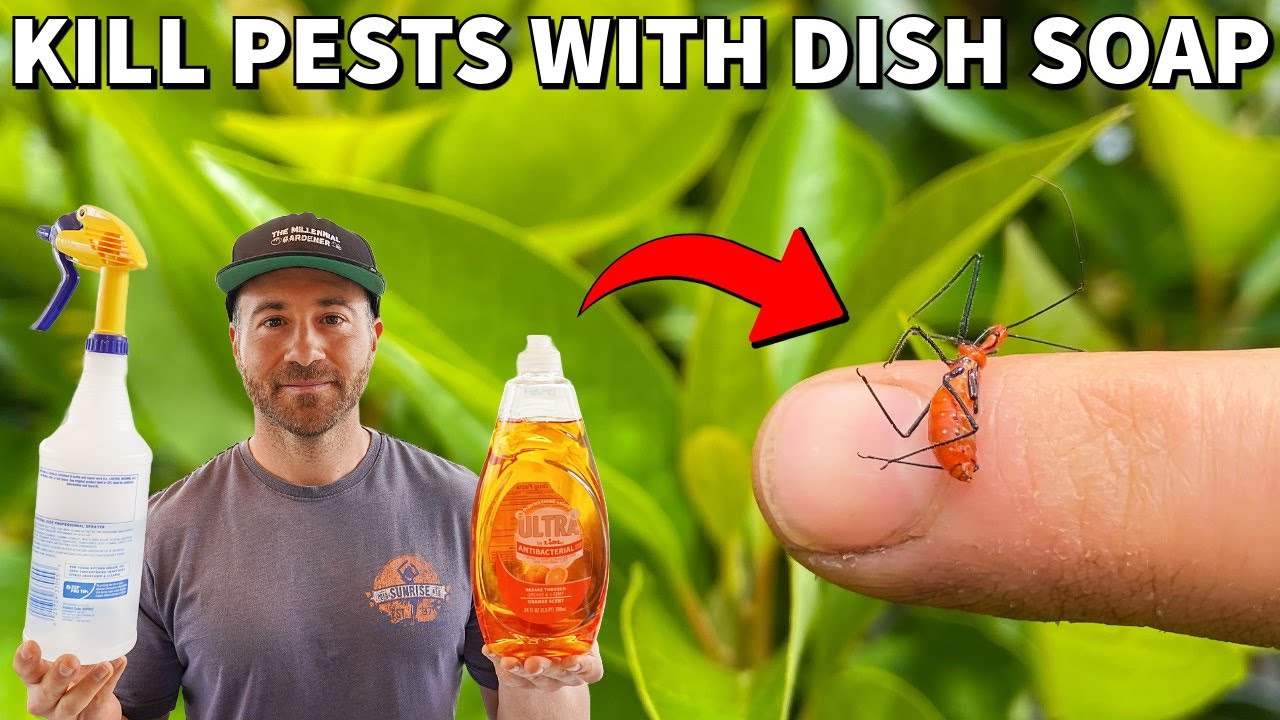
Image source: YouTube / 2 Minute Garden Tips (YouTube thumbnail (fair-use with source credit))
Here's the method that gives you the best chance of success. Follow these steps exactly.
Step 1: Choose your bottle
Use a clean pump sprayer, a one-gallon garden sprayer is ideal. A standard household trigger spray bottle works for small patches but gets tiresome if you have more than a few plants. Make sure the nozzle can adjust to a fine mist.
A coarse stream will just bounce off the bugs.
Step 2: Mix the solution
Fill your sprayer with one quart of warm tap water. Add one to two tablespoons of pure liquid dish soap. Two tablespoons is the upper limit, anything stronger risks leaf burn.
Swirl gently to combine. Do not shake vigorously; you'll create excessive foam that can clog the nozzle.
Step 3: Test a small area
Before you spray the whole plant, pick one leaf and give it a light coat. Wait 15 minutes. If the leaf shows no signs of yellowing or browning at the edges, proceed.
If it does, dilute your mix with more water.
Step 4: Spray the underside
Squash bugs spend most of their time on the underside of leaves, especially along the veins and near the stem junction. Lift each leaf and spray the underside until the solution runs off. Don't forget the leaf axils, the spots where the stem meets the main vine.
That's a favorite hiding place for adults.
Step 5: Hit them directly
The soap only works on contact. You need to physically wet each bug. Aim at the clusters of nymphs and the adults you can see.
They'll try to scurry away, so move fast. A second pass right after the first can catch stragglers.
Step 6: Rinse (optional but helpful)
Some gardeners choose to rinse the leaves with plain water after 15 to 30 minutes. This reduces the chance of leaf burn, especially in hot weather. It doesn't reduce effectiveness because the bugs are already dead or dying by then.
Step 7: Repeat on schedule
One spray won't be enough. New nymphs hatch from eggs that survived, and some adults may have been hiding in crevices. Spray every 48 to 72 hours for at least two weeks.
Skip a day if rain is forecast; you'll waste your effort.
Alongside your spraying routine, don't forget the basics of overall plant care. Improving soil health with the right amendments can make your squash more resilient. You might find it useful to read up on compost vs fertilizer for building strong plants.
And if you're starting seeds indoors to get a head start on the season, a controlled growing environment like a proper grow tent setup can help you produce healthier transplants that better resist pest pressure.
5 Mistakes That Make Soapy Water Useless or Harmful
Image source: YouTube / Gary Pilarchik (The Rusted Garden) (YouTube thumbnail (fair-use with source credit))
You can do everything right and still fail. But most failures come from one of these five common errors. Here's what to avoid.
Mistake 1: Using the wrong soap
This is the biggest one. Dish soaps with degreasers, antibacterial agents, or citrus additives can burn squash leaves. You'll see yellow or brown edges within hours.
Stick to pure liquid castile soap or the simplest clear dish soap you can find. If your soap lists more than three ingredients, it's probably too strong.
Mistake 2: Spraying the top of the leaves only
Squash bugs live on the underside of leaves. If you spray from above, the solution runs off and never touches them. You have to lift each leaf and spray the bottom surface.
It's tedious but necessary. Missing the undersides means you're wasting your time.
Mistake 3: Not spraying often enough
One treatment won't cut it. Eggs that survived will hatch in 7 to 10 days. Adults that were hiding in leaf axils will come back out.
You need to spray every 48 to 72 hours for at least two weeks. Skipping a single round can undo your progress.
Mistake 4: Spraying in full sun
Hot sun accelerates evaporation and concentrates the soap on the leaf surface. That increases the chance of leaf burn. Always spray early morning or late evening.
If the temperature is above 85°F, wait for cooler hours.
Mistake 5: Ignoring the eggs
As we covered earlier, soap doesn't touch eggs. If you don't remove them, you'll get a fresh wave of nymphs. Check the undersides of leaves weekly and either scrape the egg clusters off with a butter knife or squish them with your fingers.
That step is non-negotiable.
When to Skip Soapy Water and Switch to a Stronger Method
Soapy water is a good first line of defense. But it's not the right tool for every situation. If any of these conditions apply to you, it's time to bring in something heavier.
You have a large infestation. If you're finding more than a dozen adults per plant, soap alone won't get the population under control fast enough. You'll need something with better adult kill rates.
Your plants are already stressed. Drought, heat, or disease makes squash more sensitive to soap burn. A stressed plant might drop leaves or stop producing fruit after a heavy spray.
You've been spraying for two weeks with no improvement. If you're seeing new nymphs every few days despite consistent spraying, your soap concentration might be too low or you're missing hidden bugs. Switch methods.
You're dealing with consecutive generations. In warm climates, squash bugs can produce multiple generations per season. By late summer, the population builds to a point where soap just can't keep up. Consider rotation.
Soap vs. Neem Oil vs. Pyrethrin vs. Hand-Picking
Here's how the common options stack up against each other. Use this comparison to decide what fits your situation.
| Method | Kills Eggs? | Kills Adults? | Residual Effect | Plant Safety | Best For |
|---|---|---|---|---|---|
| Soapy water | No | Low (30-40%) | None | Low risk if dilute | Early infestations, nymphs |
| Neem oil | Yes (smothers) | Moderate (50-60%) | 3-5 days | Moderate; can burn in sun | All life stages, prevention |
| Pyrethrin spray | No | High (80-90%) | 1-2 days | Moderate; toxic to bees if wet | Heavy infestations, quick knockdown |
| Hand-picking | Yes (scrape/crush) | Yes | None | Zero risk | Small gardens, daily monitoring |
Neem oil is your best all-rounder. It smothers eggs and works on nymphs and adults. It also has some systemic action if applied regularly.
But it needs thorough coverage and can cause leaf burn in hot weather. Apply it at dusk.
Pyrethrin is a fast-acting botanical insecticide. It knocks down adults quickly. But it degrades in sunlight within hours and is toxic to bees while wet.
Only use it if soap and neem have failed. Spray in the evening when bees are inactive.
Hand-picking is slow but 100 percent effective if you're diligent. Check plants every morning. Drop bugs into a bucket of soapy water.
Scrape eggs off with a knife. It works best for gardens with fewer than 10 plants.
Decision Guide: Which Method Fits Your Situation
Image source: YouTube / HOSS (YouTube thumbnail (fair-use with source credit))
Use this simple if/then logic to pick your approach right now.
If you see only nymphs and a handful of adults, then start with soapy water every 2-3 days. Combine with hand-picking adults and scraping eggs.
If you see dozens of adults and heavy leaf damage, then skip soap. Use neem oil weekly, plus hand-pick any survivors. Consider a one-time pyrethrin spray for initial knockdown.
If you have eggs present, then soap alone won't work. You must either scrape them or use neem oil. Soap will not touch them.
If your plants are stressed from heat or drought, then avoid soap and neem. Stick to hand-picking and diatomaceous earth dust around the base of the plants.
If you're in late summer with multiple generations, then rotate methods. Use neem one week, soap the next, and hand-pick daily. This prevents resistance and keeps populations down.
A healthy garden starts with the soil. If you're rebuilding after a pest problem, take time to understand what fertilizer to use in spring at your garden to help plants recover. Strong plants fight off pests better than weak ones.
And if you're planning a new season, a grow tent size guide can help you start seedlings indoors where squash bugs can't reach them.
Real Scenario: What a 2-Week Treatment Schedule Looks Like
Let's put this into practice. Here's a realistic timeline for a gardener who discovers squash bugs on three zucchini plants in early August. This schedule assumes moderate infestation (about 5 adults and 20 nymphs per plant, plus egg clusters).
Day 1: Identify all bugs. Hand-pick and crush every adult you see. Scrape off all visible egg clusters.
Mix your soapy solution (1.5 tablespoons per quart). Spray the underside of every leaf until it drips. Focus on nymph clusters.
Spray again at dusk.
Day 3: Check for new eggs. Scrape any you find. Repeat soap spray.
Target any newly hatched nymphs.
Day 5: Same process. By now you should see fewer adults. If not, consider switching to neem oil.
Day 7: Apply neem oil spray as a weekly treatment. This smothers any eggs you missed and provides residual protection. Do not mix neem with soap in the same tank.
Day 10: Spot spray with soap if you see nymphs. Continue hand-picking adults daily.
Day 14: Evaluate. If you've seen no new nymphs for 4 days and no new eggs for a week, you've likely broken the cycle. Reduce to weekly neem applications.
If bugs persist, extend the schedule another week.
This schedule works because it attacks every life stage at different intervals. Soap kills nymphs on contact. Neem smothers eggs.
Hand-picking removes adults that resist both. You're covering all bases.
During this period, keep your squash well watered and fed. Stressed plants attract more pests. A consistent watering schedule and balanced feeding, like the advice in what is best lawn fertilizer (adapted for vegetables), can make a difference in plant resilience.
FAQs: Common Questions About Soapy Water and Squash Bugs
Can I use Dawn dish soap for squash bugs?
Yes, but only the plain blue original formula. Avoid "Ultra" or "Antibacterial" variants. Test a leaf first.
If it burns, dilute further or switch to a castile soap.
How often should I spray soapy water on squash bugs?
Every 48 to 72 hours for at least two weeks. Eggs that survive will hatch in about a week. You need to catch the new nymphs before they mature and lay more eggs.
Does soapy water kill squash bug eggs?
No. Soap cannot penetrate the hard shell of squash bug eggs. You must scrape them off by hand or use neem oil to smother them.
Will soapy water hurt my squash plants?
It can if you use too much soap or spray in full sun. Stick to 1 to 2 tablespoons per quart. Spray in early morning or late evening.
Test a leaf first.
What kills squash bugs naturally?
Soapy water is the most common natural option. Neem oil and diatomaceous earth also work. Hand-picking is the safest but most labor intensive.
When is the best time to treat squash bugs?
Early morning or late evening. Cool temperatures reduce leaf burn and give the soap time to work before it evaporates. Bees are also less active at those times.
Can I mix soap and neem oil together?
No. Soap is often used as an emulsifier for neem, but mixing them in the same tank can cause leaf burn. Apply them on separate days instead.
Final Verdict: Should You Use Soapy Water or Not?
Soapy water is a useful tool, not a miracle cure. It works best when you catch the infestation early and target nymphs. It's cheap, safe, and easy to mix.
But it fails on eggs and struggles with adults.
Use it as part of a rotation. Combine it with hand-picking and neem oil for better results. If you're diligent and consistent, it can keep squash bug populations low without harsh chemicals.
If you ignore the eggs or spray lazily, you'll be disappointed.
For the home gardener with a few squash plants and a willingness to check them every few days, soapy water is absolutely worth trying. Just know its limits and have a backup plan ready.