
Thinking about a greenhouse to extend your growing season or start seeds earlier? The Harbor Freight 10×12 greenhouse is a popular option that balances space and affordability for many home gardeners. It’s designed to give you a controlled environment for your plants without the hefty price tag of professional setups.
Our research shows that this particular model often appeals to those dipping their toes into greenhouse gardening or needing a solid, no-frills structure. With a frame typically made from aluminum and panels often constructed from polycarbonate, it aims for a balance between durability and cost. As of 2026, manufacturer specifications confirm its basic dimensions are 10 feet by 12 feet, offering about 120 square feet of usable growing area.
Quick Answer
The Harbor Freight 10×12 greenhouse is a budget-friendly option for gardeners seeking more growing space. It provides a controlled environment suitable for seed starting and extending seasons. However, users should be prepared for potential assembly challenges and consider reinforcing its structure for extreme weather.
Its affordability makes it a good entry-level choice, but it may require upgrades for long-term durability.
Harbor Freight 10×12 Greenhouse: What You Get for Your Money
When you're looking at the Harbor Freight 10×12 greenhouse, it's important to understand it's positioned as an accessible option for home gardeners. It's not a heavy-duty commercial structure, but rather a kit designed for the hobbyist or DIY enthusiast. The appeal lies in its lower price point compared to many other greenhouses of similar size.
The standard kit typically includes the main frame components and the covering material. This often means an aluminum alloy frame, chosen for its rust resistance, and panels that are usually made from polycarbonate. Polycarbonate is a thermoplastic known for being lighter and more impact-resistant than glass, though its thickness and UV protection can vary by model or specific version of the kit.
You’ll also get the necessary hardware to assemble it, but often not the foundation materials.

Features and Components to Expect
This greenhouse kit typically comes with several key components that form its structure and enclosure. The primary elements you'll find upon opening the box are:
- Aluminum Frame: Lightweight, corrosion-resistant pieces designed to be assembled into the main structure. This usually includes uprights, beams, and support elements.
- Polycarbonate Panels: These are the "walls" and "roof" of your greenhouse. They are usually clear or translucent to allow sunlight in. Look for specifications mentioning UV-resistant coatings, as this is crucial for longevity.
- Door: A mechanism for entering and exiting the greenhouse, often a sliding or hinged door.
- Roof Vent(s): At least one vent, usually automatic or manual, is essential for regulating temperature and airflow. Proper ventilation is key for plant health and preventing issues like powdery mildew.
- Hardware: All the nuts, bolts, screws, and connectors needed for assembly.
- Assembly Instructions: A manual detailing the steps to put the greenhouse together.
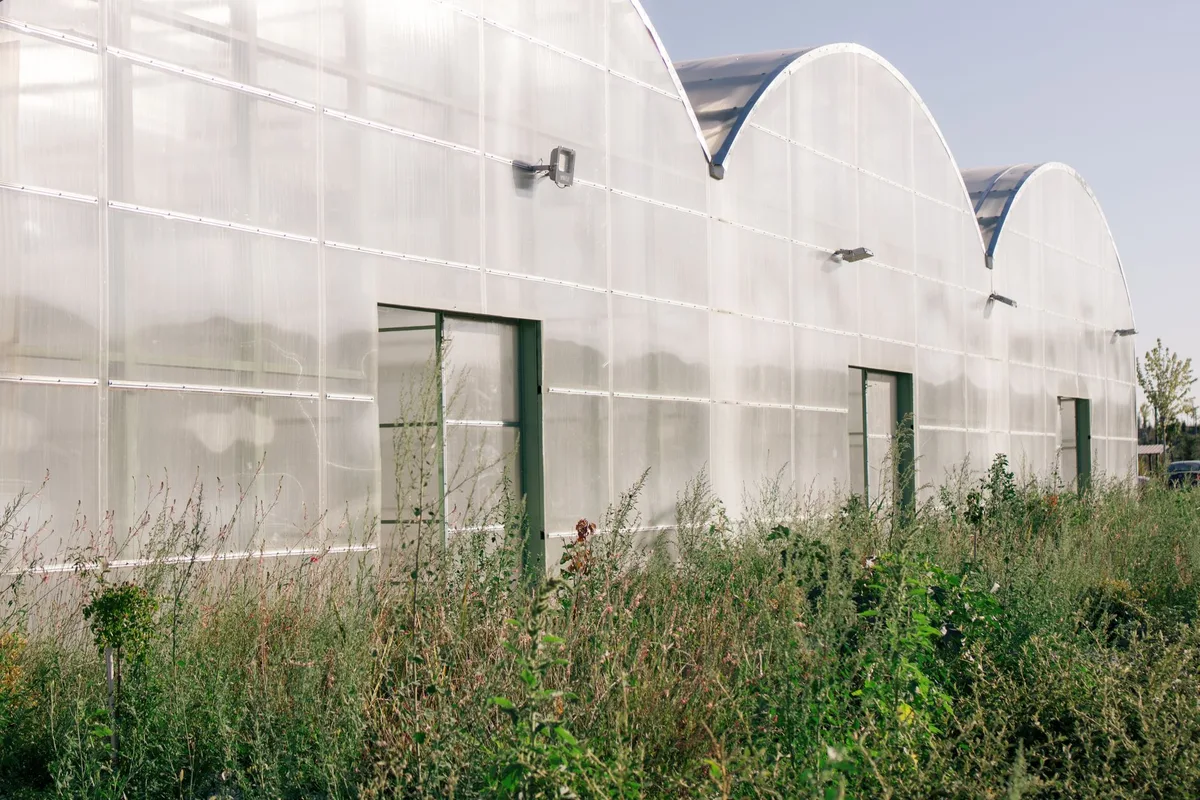
It's worth noting that while the kit provides the structure, you'll likely need to source your own foundation materials, such as concrete blocks, gravel, or a treated wood base, to properly anchor and stabilize it. This is a common omission in many affordable greenhouse kits. You might also need additional sealants or weatherstripping for optimal performance, especially in regions with harsh weather.
For instance, the thickness of the polycarbonate panels might be around 4mm for standard models, offering decent insulation but not the superb thermal performance of thicker, multi-wall panels found in premium kits.
Pros and Cons: Weighing the Harbor Freight 10×12 Greenhouse
Like any product in the DIY market, the Harbor Freight 10×12 greenhouse has its strong points and its limitations. Understanding these helps you decide if it’s the right fit for your gardening ambitions and your tolerance for potential upgrades.
There are definitely compelling reasons why people choose this greenhouse. Its most significant draw is its price. For a greenhouse offering around 120 square feet of space, it’s often one of the most economical choices available.
This affordability makes greenhouse gardening accessible to those on a tighter budget, allowing them to create a controlled environment for seed starting, overwintering delicate plants, or simply extending their growing season by a few weeks. It's also a good project for someone who enjoys hands-on assembly and customization, as these kits can be modified and improved upon.
However, the trade-off for the lower cost often comes in durability and ease of use. Aggregate reviews suggest that while assembly is manageable, it can be time-consuming and sometimes frustrating, especially for those not accustomed to DIY projects. The materials, particularly the frame and panel connections, might not withstand extreme weather conditions like high winds or heavy snow loads without reinforcement.
Some users report that the seals can be less than perfect, potentially leading to drafts or water ingress. If you live in an area with consistently severe weather, you might find yourself needing to invest in additional bracing or stronger anchoring systems. This is a recurring theme in user feedback for many budget-friendly structures.
Setting Up Your Harbor Freight 10×12 Greenhouse
Putting together your Harbor Freight 10×12 greenhouse is a project that requires careful planning and execution. Don't underestimate the importance of the preparation phase; it's as crucial as the assembly itself and directly impacts the longevity and stability of your final structure. Taking your time here will save you headaches down the line.
Site Prep and Foundation Considerations
Before you even open the box, you need to pick the right spot. Your greenhouse needs plenty of sunlight, ideally facing south or southeast to maximize winter sun exposure. It should also be protected from harsh winds if possible.
Ensure the ground is level; an uneven foundation will make assembly much harder and can stress the frame.
As most kits don't come with a dedicated foundation, you'll need to create one. This is critical for stability and proper anchoring. Common options include:
- Gravel Bed: A simple, cost-effective option that provides good drainage. You'll typically excavate the area, lay down landscape fabric, and then fill it with a few inches of gravel.
- Treated Lumber Base: Building a rectangular frame from pressure-treated lumber (like 4x4s or 6x6s) establishes a solid perimeter. This allows you to anchor the greenhouse frame directly to the wood.
- Concrete Slab: This is the most robust and permanent option, offering excellent stability and a smooth floor. However, it's also the most expensive and labor-intensive.
Regardless of your choice, the foundation must be designed to accommodate the greenhouse's anchoring system. For instance, if using a lumber base, you'll want to ensure you have designated points to attach the greenhouse frame securely. Remember to check for any local building codes or homeowner association rules regarding accessory structures before you begin.
For a garden structure like this, it's wise to ensure it's well-anchored, especially if you live in an area prone to high winds. Proper site preparation is akin to building a strong foundation for any significant project, including those related to home gardening structures.
Assembly: What to Be Prepared For
Assembly of the Harbor Freight 10×12 greenhouse requires patience and attention to detail. While the instructions provided are generally adequate, our research indicates that users often benefit from having an extra set of hands, especially for holding larger pieces in place. It’s also wise to have a basic toolkit ready.
Here’s a general rundown of what to expect during assembly:
- Familiarize Yourself: Unpack all components and cross-reference them with the parts list in the manual. Familiarize yourself with the different frame pieces and panel types.
- Frame Assembly: Start by assembling the base frame, if your kit includes one, or the lowest section of the main frame. Gradually build upwards, connecting the wall supports and then the roof structure. Ensure all connections are tight but avoid over-tightening initially until the structure is mostly complete.
- Panel Installation: This is often the most time-consuming part. Panels typically slide into channels or are secured with clips and screws. Work systematically, following the manual's guidance for panel placement to ensure proper fit. Be careful not to scratch or crack the panels, especially in colder temperatures when plastic can become more brittle.
- Door and Vent Installation: Once the main structure and panels are in place, install the door and any roof vents. Ensure the door swings freely and the vents open and close smoothly.
- Final Tightening and Anchoring: After everything is assembled, go back and ensure all frame connections are securely tightened. Then, it’s time for anchoring to your prepared foundation. This step is non-negotiable for safety and stability.
A table summarizing common tools needed might look like this:
| Tool Category | Specific Tools Recommended |
|---|---|
| Measuring | Tape Measure, Level |
| Fastening | Screwdriver Set (Phillips and Flathead), Wrench Set, Pliers |
| Cutting/Trimming | Utility Knife (for panel trim), Silicone Caulk Gun |
| Safety | Work Gloves, Safety Glasses |
| Other | Ladder or Stool (for higher sections), Rubber Mallet |
Most users report that 10-foot by 12-foot greenhouses take anywhere from 8 to 16 hours to assemble, depending on skill level and whether they are working alone. Some suggest having a tube of silicone caulk on hand to seal any small gaps around panels.
How Does the Harbor Freight 10×12 Stack Up?
When you're in the market for a greenhouse, it's helpful to see how different options compare, especially when considering an affordable model like the Harbor Freight 10×12. This comparison will highlight its place among other choices and help you decide if it truly meets your needs.
Compared to Other Hobby Greenhouses
The Harbor Freight 10×12 greenhouse generally fits into the budget-friendly category. It’s typically less expensive than models from brands like Palram, Outsunny, or Granby. These higher-priced alternatives often feature thicker polycarbonate panels (sometimes twin-wall for better insulation), more robust aluminum or steel frames, and more sophisticated ventilation systems built-in.
They might also come with longer warranties, sometimes up to 10-15 years on the panels, whereas Harbor Freight’s warranty periods are typically shorter, often around 90 days for structural components.
On the other hand, compared to very low-cost options like basic hoop houses or plastic-covered frames, the Harbor Freight kit offers more structure and durability. Hoop houses, while very affordable, are often less wind-resistant and may require frequent replacement of the plastic sheeting. The rigid frame of the Harbor Freight greenhouse provides a more permanent solution, albeit one that may still require enhancements for longevity.
The 10×12 size itself is a popular middle ground; larger greenhouses offer more space but at a significantly higher cost, while smaller ones might not provide enough room for serious gardeners.
Who is the Harbor Freight 10×12 Greenhouse Best For?
This particular greenhouse really shines for a few specific types of users. It’s an excellent choice for the beginner gardener who wants to experience the benefits of a controlled environment without a huge financial commitment. If you’re new to growing, starting seeds indoors, or want to protect a few tender plants through the winter, this greenhouse can be a great entry point.
It's also a strong contender for those who are DIY-inclined and enjoy customization. Users who plan to reinforce the frame, add better sealing, or upgrade the ventilation system will find this greenhouse a solid base to work from. If you're looking for a project that you can personalize and improve over time, this kit offers that opportunity.
Home gardeners with limited space but a desire for more growing area also benefit. The 10×12 footprint is substantial enough to house a good number of seed trays, pots, and perhaps a small potting bench, but it’s not so massive that it overwhelms an average backyard. For anyone looking to extend their growing season slightly or experiment with microclimates for specific plants, it serves the purpose well.
However, if you live in an area with extreme weather, gale-force winds, heavy snow, or intense heat, and you're not prepared to invest in structural reinforcements, you might be better off looking at more robust, though more expensive, options.
Common Mistakes and Pain Points with This Greenhouse
Even with a straightforward kit, there are specific pitfalls to watch out for with the Harbor Freight 10×12 greenhouse that can lead to frustration or premature failure. Understanding these points can help you avoid common issues encountered by other buyers.
One of the most frequently reported pain points is assembly difficulty. While the instructions are there, some users find them vague or the parts don't always align perfectly. This can lead to misassembled sections, frame instability, or panels that don't fit snugly.
Taking your time, laying out all parts, and double-checking each step is crucial. Some people even suggest dry-fitting pieces before permanently fastening them.
Another significant concern is structural integrity and weather resistance. The aluminum frame, while rust-resistant, isn't typically built to withstand heavy wind loads or significant snow accumulation without additional support. Many users recommend reinforcing the frame, especially at the corners and along the ridge, with extra bracing.
Similarly, the polycarbonate panels, while providing light diffusion, can sometimes be thin and susceptible to cracking in extreme cold or impact. Ensuring the greenhouse is properly anchored is paramount. Without adequate anchoring, a strong gust of wind can literally lift the entire structure.

Potential issues with panel sealing and water management also come up. The channels designed to hold the panels may not create a completely watertight seal, especially after some time. This can lead to water dripping inside, which might be undesirable for sensitive seedlings.
Users often suggest applying silicone caulk around the edges of panels for better weatherproofing. Overlooking adequate ventilation is another common mistake. Without proper airflow, heat can build up rapidly, and humidity can lead to fungal diseases on plants.
Ensuring the roof vent is functional and possibly adding side vents or an exhaust fan is often necessary for optimal plant health, especially during warmer months.
Costs, Specs, and Data You Need to Know
When considering any purchase, knowing the numbers is essential. For the Harbor Freight 10×12 greenhouse, this means looking at its price, dimensions, and material specifications. The typical retail price can fluctuate, but it generally sits in the $200-$400 range, making it very competitive for its size.
Always check Harbor Freight's current sales or use coupons for potential savings.
The stated dimensions are usually 10 feet wide by 12 feet long, providing approximately 120 square feet of internal floor space. The height is also a key spec; eave heights often measure around 5 feet, with peak heights reaching 7 to 8 feet. This provides ample headroom for most users and allows for good vertical plant growth.
Panel thickness is typically around 4mm for polycarbonate, offering some insulation but less than the twin-wall or triple-wall options found on higher-end models. The aluminum frame gauge is usually around 1.2mm to 1.5mm, providing adequate support for the panels but potentially requiring reinforcement for heavy loads. Always verify these specs with the latest product information from the manufacturer, as materials and designs can be updated.
Expert Tips for Maximizing Your Harbor Freight Greenhouse
To truly get the most out of your Harbor Freight 10×12 greenhouse, a few expert-backed strategies can make a big difference. These aren't necessarily included in the basic assembly manual but are key to improving its performance and longevity. Think of these as smart upgrades and maintenance tips.
First, focus on improving ventilation and temperature control. While a roof vent is usually included, it might not be sufficient on its own, especially during hot summer days. Consider adding an automatic vent opener that reacts to temperature changes, or even a small circulation fan to keep air moving.
This prevents stagnant air, reduces the risk of fungal diseases, and helps equalize temperatures throughout the structure. For cooling, shade cloth can be invaluable on sunny days, reducing the internal temperature significantly. For some gardeners, this can mean the difference between thriving plants and heat-stressed ones.
Next, reinforce and anchor it properly. As mentioned, wind and snow can be threats. Adding extra bracing to the frame, particularly at the roof peak and corners, can significantly increase its stability.
Using a robust anchoring system, whether through a treated wood base, concrete piers, or specialized ground anchors, is non-negotiable. For secure anchoring, some users permanently fix the frame to a concrete slab or a substantial treated lumber foundation. This ensures the greenhouse stays put even in adverse weather, protecting your investment and preventing damage to surrounding property.
Exploring guides on outdoor structure stability can offer universal best practices.
Extending the Growing Season and Protecting Plants
This greenhouse is ideal for extending your gardening season. Start seeds indoors weeks earlier than you normally would, transplanting them into the greenhouse once they are hardened off. This allows tender crops like tomatoes, peppers, and cucumbers to get a significant head start.
Come autumn, you can keep growing many of these plants for several extra weeks, often well into the first frosts.
It’s also perfect for overwintering sensitive perennials. Plants that wouldn't survive a harsh winter outdoors can be moved into the protected environment of the greenhouse. This often means simply bringing them inside before the cold sets in and protecting them from freezing temperatures.
For a greater year-round growing capability, consider adding a small heater, but always ensure it's safety-rated for greenhouse use and that your electrical setup is adequate and safe. Proper electrical considerations are vital if you plan to use heaters or fans; consult with a qualified electrician if you are unsure about your home's capacity or how to run power safely outdoors. Resources on setting up electrical systems for outdoor structures can provide valuable insights.
Making the Final Call: Should You Buy It?
So, after looking at everything, is the Harbor Freight 10×12 greenhouse the right choice for you? If you're on a tight budget, enjoy DIY projects, and are willing to put in a little extra effort to ensure its durability, then it can be a fantastic value. It offers that coveted extra growing space and a controlled environment for a minimal investment.
However, if you live in an area with extreme weather and expect a structure to withstand hurricane-force winds or heavy snowfalls without any modifications, you might need to consider more robust, and consequently more expensive, options. The key is managing your expectations and being prepared to enhance its structure if needed. For many hobby gardeners, though, it represents an accessible and rewarding way to expand their gardening horizons.
Frequently Asked Questions
How long does setup typically take?
Assembly usually takes between 8 to 16 hours, depending on your experience level and whether you have an extra pair of hands to help. It's a project that requires patience.
Do I need a special foundation?
Yes, a stable and level foundation is highly recommended or sometimes required for anchoring. This can range from a simple gravel bed to a treated lumber frame or a concrete slab.
Can I use it year-round?
With modifications like a heater and upgraded ventilation, it can potentially be used year-round. Without these, it's best for extending seasons rather than full winter growing.
What kind of weather can it handle?
It's generally suitable for moderate weather. High winds and heavy snow loads can pose risks, and reinforcements are often advised for areas with extreme conditions.
Does it come with anchoring hardware?
The kit provides hardware for assembly, but you typically need to purchase separate anchoring materials designed for your chosen foundation type. Proper anchoring is critical.