
You've watered your mint every other day like clockwork. And yet, the leaves are turning yellow, the stems feel mushy near the soil line, and something in the pot smells a bit off. That was probably too much water.
Meanwhile, your friend grows mint in the same city, never waters it, and it's taking over her whole yard. So who's right?
The real answer to "how often do i water mint" is frustratingly simple: it depends. As of 2026, university extension research across USDA zones 4 through 11 consistently shows that mint's watering needs change with pot type, sunlight, season, and even the variety you're growing. The good news is that once you learn what your specific plant is telling you, the guesswork disappears.
Let's walk through how to read those signals and build a watering routine that actually fits your mint.
Quick Answer
Water mint when the top inch of soil feels dry. Stick your finger into the pot up to your second knuckle. If it's dry, water.
If it's damp, wait. Container mint needs water every one to three days in summer. In-ground mint needs it every five to seven days.
Adjust for sun, heat, and pot material. Overwatering kills mint faster than underwatering.
Why Watering Mint Isn't a One‑Schedule Answer
Mint has a reputation in the gardening world as the herb that's impossible to kill. Walk into any community garden and you'll hear stories about mint escaping its bed and taking over the entire plot. That reputation makes people assume mint can handle anything you throw at it, including a rigid watering schedule.
The truth is more nuanced.
Mint's root system is shallow and spreads laterally rather than digging deep. A study from the University of Minnesota Extension notes that mint roots typically stay in the top six to eight inches of soil. That means the plant can't reach down to find water reserves the way a tomato or a squash can.
It's completely dependent on what's happening in that shallow root zone.
A fixed schedule, say, "water every Tuesday and Friday", ignores everything that actually matters. A mint plant on a south-facing balcony in a terracotta pot during a July heatwave will dry out in hours. The exact same plant on a shaded north-facing deck in a plastic pot might stay damp for nearly a week.
Those two plants have different watering needs, and a calendar can't tell you which is which.
This is where the decision-tree approach helps. Instead of asking "how often," you'll learn to ask "what conditions is my mint in right now?" From there, the answer becomes obvious.
How Mint's Roots & Leaves Tell You What It Needs

Image source: YouTube / Terra Mater Gardens (YouTube thumbnail (fair-use with source credit))
Your mint is talking to you constantly. The trick is knowing which signals mean what. Let's decode the three most common leaf and root messages.
Wilting leaves that perk up after watering, This is the clearest sign of underwatering. The leaves go limp, the stems might droop, and the whole plant looks sad. If you water and it bounces back within an hour or two, you caught it early.
That's good. Your mint was thirsty, you responded, and it recovered. Aim to water slightly before you see this droop next time.
Yellow lower leaves with dark, mushy stems, This is the classic overwatering symptom. The older leaves at the bottom of the plant turn pale yellow, sometimes with brown edges. When you feel the stem near the soil, it might be soft or squishy rather than firm.
That's root rot setting in. If you catch it early, you can let the soil dry out completely and cut back on watering. If the stem rot has traveled up the plant, you may need to take cuttings and start fresh.
Mint is forgiving, but it can't come back from advanced root rot.
Curled leaves with crispy brown edges, This usually means inconsistent watering. The plant gets a big drink, then goes bone dry, then gets another big drink. That cycle stresses the plant and shows up as crispy margins on the leaves.
Smooth out your watering intervals and keep the soil consistently moist, not alternating between swamp and desert.
Healthy mint leaves should be a rich, even green with firm, upright leaves. The plant should look full and perky, and the soil should feel like a wrung-out sponge, damp to the touch but not dripping when you squeeze a handful.
The Decision Tree: Your Mint's Watering Sweet Spot
Rather than giving you a number, I'm going to walk you through four decision branches that will tell you exactly when to water your specific mint plant. Grab your mint pot (or walk out to your garden bed) and work through these one at a time.
Branch 1 – Container vs. In‑Ground

Image source: YouTube / Self Sufficient Me (YouTube thumbnail (fair-use with source credit))
This is the single biggest factor in watering frequency. Container mint and in-ground mint live in completely different worlds.
In-ground mint has access to the earth's moisture reservoir. The soil around it stays cooler and retains water longer, especially if you've mulched around the plant. In typical garden soil with average drainage, in-ground mint needs water roughly every five to seven days during the growing season.
In cooler spring and fall weather, you can push that to once a week or even ten days.
Container mint is a different story. A pot has a limited volume of soil, and that soil heats up faster and drains faster than ground soil. A standard 8-inch pot in full sun during summer will likely need water every one to two days.
A larger 12-inch pot will need it every two to three days. If you're growing mint on a hot concrete patio in a small terracotta pot, you might need to water every single day.
Here's a quick reference for pot size and watering frequency in summer:
| Pot Size | Full Sun (daily) | Partial Shade (daily) |
|---|---|---|
| 6-inch diameter | 1x daily | Every 1–2 days |
| 8-inch diameter | Every 1–2 days | Every 2–3 days |
| 12-inch diameter | Every 2–3 days | Every 3–4 days |
| 16-inch or larger | Every 3–4 days | Every 4–5 days |
These are starting points, not rules. Always check the soil before you water.
Branch 2 – Sun Exposure & Climate Zone
Sunlight is the engine that drives water consumption. A mint plant in full sun is photosynthesizing at full speed, pulling water from the soil and releasing it through its leaves. That's called transpiration, and it's why a sunny mint plant drinks more than a shaded one.
Full sun (6+ hours of direct light), Your mint will need more frequent watering, especially in midday heat. In hot climates like USDA zones 9 through 11, afternoon sun can be intense enough to stress the plant even with adequate water. Consider moving the pot to a spot that gets morning sun and afternoon shade.
That one change can cut your watering frequency by a third.
Partial shade (3 to 6 hours of direct light), This is the sweet spot for most mint varieties. The plant gets enough light to grow vigorously, but it doesn't dry out as fast. In this zone, you can usually stretch your watering intervals by a day compared to full sun.
Full shade (less than 3 hours), Mint will grow slower and leggier here, and it will use less water. Check the soil less often. In-ground mint in full shade during cool weather can sometimes go two weeks without needing water.
Climate matters, too. If you live in a humid region like the Southeast or Pacific Northwest, the air itself holds moisture and slows evaporation. In dry climates like the Southwest or Interior West, evaporation is faster and your mint will need more frequent attention regardless of sun exposure.
Branch 3 – Pot Material, Size & Drainage
The pot your mint lives in changes everything about watering. Let's break down the three most common pot materials.
Terracotta, This is the thirstiest pot material. The clay is porous, meaning water evaporates through the walls as well as the soil surface. Terracotta is excellent for preventing root rot because it dries out quickly, but that same quality means you'll water more often.
In hot weather, a terracotta pot might require daily watering even when a plastic pot next to it needs water every three days.
Plastic and glazed ceramic, These materials are non-porous, so water only escapes from the top of the soil and through drainage holes. They hold moisture much longer. If you struggle to keep up with watering, plastic or glazed ceramic pots are your friend.
Just be careful not to overwater, because the soil stays damp longer and root rot is a real risk.
Fabric grow bags, These are the most breathable option. Air can flow through the fabric, which promotes healthy root growth and prevents soggy soil. The downside is that they dry out very quickly.
In summer, a fabric bag might need watering twice a day. They're great for mint if you're attentive, but not ideal if you travel or tend to forget.
Drainage is non-negotiable. Every pot must have holes in the bottom, period. If your decorative pot doesn't have holes, use it as a cache pot, put the mint in a plain nursery pot with holes, then set that inside the decorative pot.
Pull it out to water, let it drain fully, then put it back.
Branch 4 – Seasonal Shifts & Indoor Growing
Mint's water needs change dramatically with the seasons, and not all mint goes dormant the same way.
Spring and fall, These are your lowest-maintenance seasons. Temperatures are moderate, evaporation is slower, and the plant is growing steadily but not frantically. Water when the top inch of soil feels dry, which might be every three to five days for pots and every seven to ten days for in-ground plants.
Summer, This is peak season. Mint grows fast, heat drives evaporation, and your watering frequency will likely double or triple. Check soil moisture every morning.
If the top inch is dry, water. In extreme heat (above 90°F), check again in the afternoon.
Winter for outdoor mint, In cold climates, mint dies back to the ground but the roots survive. Dormant mint needs very little water. A slow trickle of moisture from winter rain or snow melt is usually enough.
If you live somewhere with dry winters and no snow cover, give the soil a light watering once every two to three weeks, just enough to keep the roots from completely drying out.
Indoor mint year-round, Indoor mint has its own rhythm. Lower light levels and indoor humidity mean slower growth and less water use. Water when the soil feels dry to the touch, which might be every four to seven days.
Indoor mint in a small pot near a sunny window will dry faster. Indoor mint in a large pot in a dim room will stay damp for over a week. Always check before adding water.
Step‑by‑Step: How to Check Soil and Water Correctly
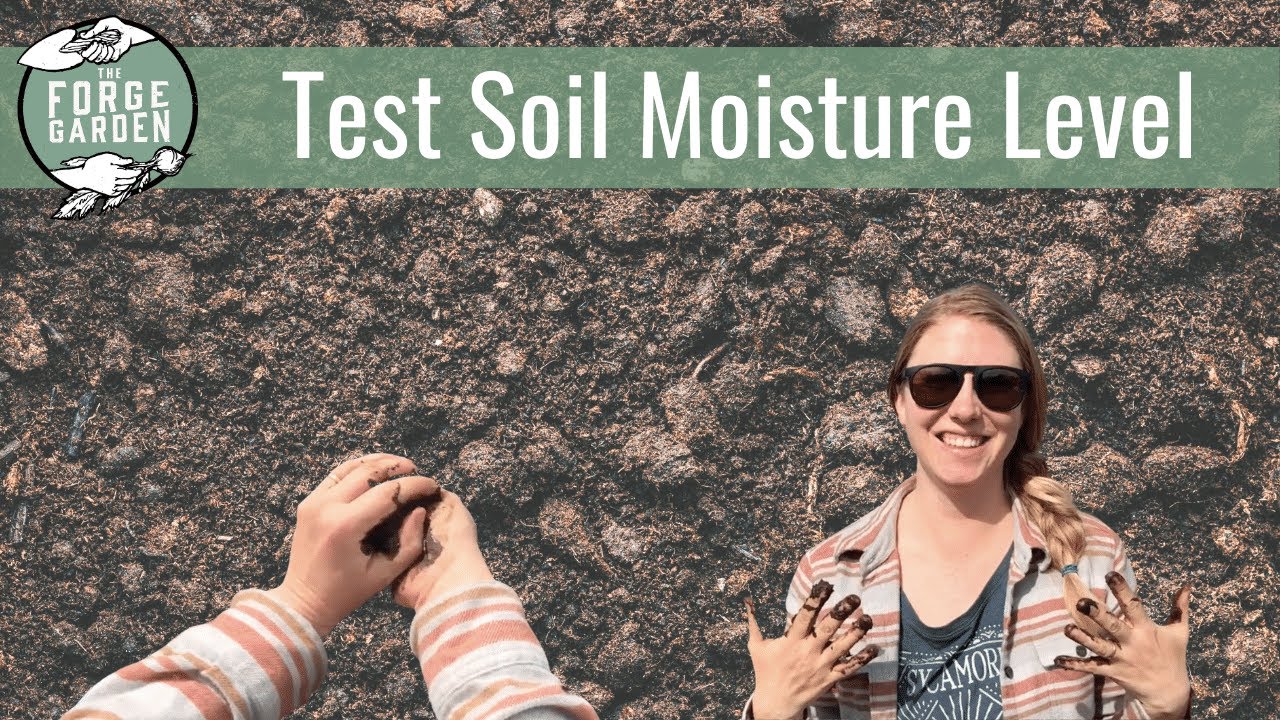
Image source: YouTube / The Forge Garden (YouTube thumbnail (fair-use with source credit))
Now that you understand the variables, here's a repeatable process that works for any mint plant in any situation. Do this every time before you water.
Step 1: Use the finger test.
Insert your index finger into the soil up to your second knuckle. That's about two inches deep. If the soil feels dry at that depth, it's time to water.
If it feels cool or damp, wait another day and check again. This is more reliable than any gadget you can buy.
Step 2: Feel the weight of the pot.
Lift the pot slightly. A pot full of dry soil is noticeably lighter than one with moist soil. After a few weeks of checking, you'll develop an instinct for this.
You'll pick up the pot and know instantly whether it needs water.
Step 3: Water slowly and thoroughly.
When you do water, pour slowly at the base of the plant. The goal is to saturate the entire root ball, not just the top inch. Keep watering until you see a steady trickle coming out of the drainage holes.
That's the sign that the soil is fully hydrated.
Step 4: Empty the saucer.
Don't let your mint sit in standing water. After the pot drains, dump out the saucer. If the saucer stays full, the soil will wick that water back up and keep the roots too wet.
That's a fast track to root rot.
Step 5: Use the morning window.
Water in the early morning if you can. The plant has the whole day to absorb moisture before temperatures drop at night. Evening watering leaves wet soil overnight, which invites fungal diseases.
Morning watering gives you the best balance of absorption and drying.
Step 6: Adjust as the weather changes.
After a rain, skip your watering until the soil dries out. During a heat wave, check soil moisture twice a day. When the season shifts from summer to fall, gradually space out your watering intervals.
Mint doesn't need a schedule, it needs responsiveness.
If you want to build a strong foundation for year-round garden care, it's worth learning how to keep each plant healthy through seasonal transitions. A solid soil moisture routine makes a real difference.
Common Mistakes That Kill Mint (And How to Avoid Them)

Image source: YouTube / Brainy.Garden (YouTube thumbnail (fair-use with source credit))
Most mint problems come from watering, and most watering problems come from a few predictable errors. Here's what to watch for.
Mistake 1: Watering on a fixed schedule.
This is the most common mistake across all houseplant and herb care. If you water every Monday and Thursday because that's what the internet said, you are ignoring your plant's actual needs. A fixed schedule only works if your plant lives in a climate-controlled room with constant light and temperature.
Real mint lives in weather. Check the soil, not the calendar.
Mistake 2: Overwatering out of kindness.
Mint loves moisture, but it hates having wet feet. If you're watering daily because the leaves look slightly droopy in the afternoon heat, pause. Wilting in the middle of a hot day can be temporary heat stress, not a lack of water.
The leaves might droop at 2 PM and bounce back on their own by evening. If you water every time you see afternoon droop, you'll drown the plant. Wait until morning to check.
If the plant is still droopy at sunrise, then water.
Mistake 3: Underwatering in small pots.
Tiny pots dry out shockingly fast. If your mint is in a small container, check it every day during summer. A 4-inch nursery pot full of mint roots can need water twice a day in hot weather.
The plant physically can't hold enough moisture to make it through a full day. If you can't keep up, repot into a larger container. A single upgrade from a 6-inch to a 10-inch pot can turn a twice-daily chore into a every-other-day routine.
Mistake 4: Ignoring drainage.
Pots without drainage holes are death traps for mint. Even if you water carefully, the water collects at the bottom, the soil stays wet, and the roots rot. If you love a pot that doesn't have holes, use it as a cache pot.
The mint goes in a plain plastic nursery pot inside the decorative one. Pull it out to water, let it drain, then put it back. Simple and effective.
Mistake 5: Letting the soil pull away from the pot.
When potting soil dries out completely, it shrinks and pulls away from the sides of the container. When you water, the water runs straight down that gap and out the drainage holes without actually wetting the root ball. If this happens, stick the pot in a basin of water for 30 minutes to rehydrate the soil from the bottom.
After that, water more frequently to prevent the soil from drying out that much again.
Mistake 6: Using the wrong soil.
Mint needs a well-draining potting mix, not garden soil or heavy clay. A standard potting mix with perlite or vermiculite works well. If you're using soil from your yard, it's probably too dense and will hold too much water.
Stick with a quality potting mix designed for containers.
Pro Tips for Consistent Moisture Without Overwatering

Image source: Openverse / Openverse contributor
You've got the basics down. Now let's dial in the details that separate good mint care from great mint care.
Use mulch on in‑ground mint. A two‑inch layer of straw, shredded bark, or grass clippings around the base keeps soil cooler and slows evaporation. You'll water half as often in summer. Just keep the mulch an inch away from the stems to avoid rot.
Group pots together on hot days. Placing your mint pot next to other containers creates a microclimate. Transpiration from neighboring plants raises humidity slightly and slows water loss. It costs nothing and buys you an extra day between waterings.
Water from the bottom occasionally. If your soil has pulled away from the pot walls, set the pot in a tray of water for 20 minutes. The soil wicks moisture up evenly. This is also a good way to rehydrate mint that's been left too dry.
Afterward, let it drain completely.
Monitor with a wooden skewer. Push a bamboo skewer into the soil to the bottom of the pot. Leave it for 30 seconds, then pull it out. If the skewer comes out clean with no damp soil stuck to it, the pot is dry all the way down and needs water.
If soil clings, wait.
Adjust for rainy spells. If your outdoor mint got a heavy rain, skip watering for at least two to three days. Touch the soil first. Rain can leave the surface damp while the deeper roots stay dry, so always verify.
A little extra attention in these areas will steady your watering routine for the long haul. A well‑maintained mint patch also benefits from understanding how to balance soil health across your whole garden, whether you're using the right type of planting mix or picking the proper fertilizer for the season.
Frequently Asked Questions
How do I know if my mint needs water?
Stick your finger two inches into the soil. If it feels dry, water. If it's damp, wait.
Wilting leaves in the morning also mean it's thirsty. Wilting in the afternoon heat alone doesn't count.
Can I water mint from the top or bottom?
Top watering is fine as long as you do it slowly and thoroughly. Bottom watering works well when the soil has dried out and shrunk away from the pot walls. Either method is effective if you let excess water drain completely afterward.
Should I water mint every day in summer?
Not automatically. Check the soil first. A small terracotta pot in full sun may need daily water.
A large plastic pot in shade may only need it every three days. Always test before you pour.
Does overwatered mint look different from underwatered mint?
Yes. Overwatered mint has yellow lower leaves, mushy stems, and sometimes mold on the soil. Underwatered mint wilts dramatically and has crispy brown leaf edges.
The fix for each is opposite, so identify correctly.
How often should I water mint indoors?
Indoor mint needs water roughly every four to seven days. The exact frequency depends on pot size, light, and room temperature. Test the soil with your finger.
Indoor conditions change slowly, so you can rely on the finger test rather than guesswork.
What's the best time of day to water mint?
Early morning is ideal. The plant absorbs moisture before the heat of the day, and the leaves dry off by evening. Evening watering leaves the soil wet overnight, which encourages fungal growth and root rot.
Your Personal Watering Guide – A Simple Takeaway
Here's the golden rule for mint watering: always check the soil, never the calendar. That one habit will save you from overwatering, underwatering, and all the stress that comes with guessing.
Keep this quick reference handy:
| Scenario | Action |
|---|---|
| Soil feels dry at finger depth | Water thoroughly until drainage flows |
| Soil feels damp | Wait 24 hours, then recheck |
| Leaves drooping in morning | Water immediately |
| Leaves drooping in afternoon | Wait; check again at sunset |
| Pot feels light when lifted | Water soon |
| Pot feels heavy | Don't water |
If you're growing mint in containers, you might also find it helpful to think about the overall setup. A well‑ventilated growing space with consistent moisture control makes everything easier, much like planning a proper indoor garden space from the start.
Mint is forgiving. It bounces back from missed waterings and even from mild root rot if you catch it early. The key is paying attention and letting the plant guide you instead of following a rigid schedule.
Trust your finger, trust the soil, and your mint will reward you with lush growth all season long.