
A little dried concrete in your wheelbarrow might not seem like a big deal, but ignoring this task long-term can turn a simple chore into a frustrating battle. Knowing exactly how to clean wheelbarrow after mixing concrete driveway projects means your tools stay in good shape and are ready for action next time. This simple maintenance prevents rust and ensures your wheelbarrow remains a reliable workhorse, not a hardened monument to past jobs.
Just a quick rinse after emptying wet concrete is often enough. However, letting it sit means you'll be dealing with stubborn, cement-like residue. This hardened material can chip away at your wheelbarrow's surface over time.
Aggregate user reviews and manufacturer data consistently show that neglecting this cleanup can significantly shorten a wheelbarrow's lifespan, costing you more in the long run.
Quick Answer
Clean your wheelbarrow immediately after mixing concrete. If concrete has dried, aggressively scrape and scrub. For steel wheelbarrows, apply oil to prevent rust.
Proper cleaning prevents damage and extends tool life. This saves you money and future effort.
Why Cleaning Your Wheelbarrow After Concrete Matters
Letting concrete harden inside your wheelbarrow is a common mistake that turns a useful tool into a burden. This isn't just about aesthetics; it's about preserving the integrity of your equipment. Dried concrete becomes incredibly hard, adhering tightly to the wheelbarrow's surface.
This can lead to chipping, rust, and a surface that's increasingly difficult to work with for future projects, even outside of driveway construction.
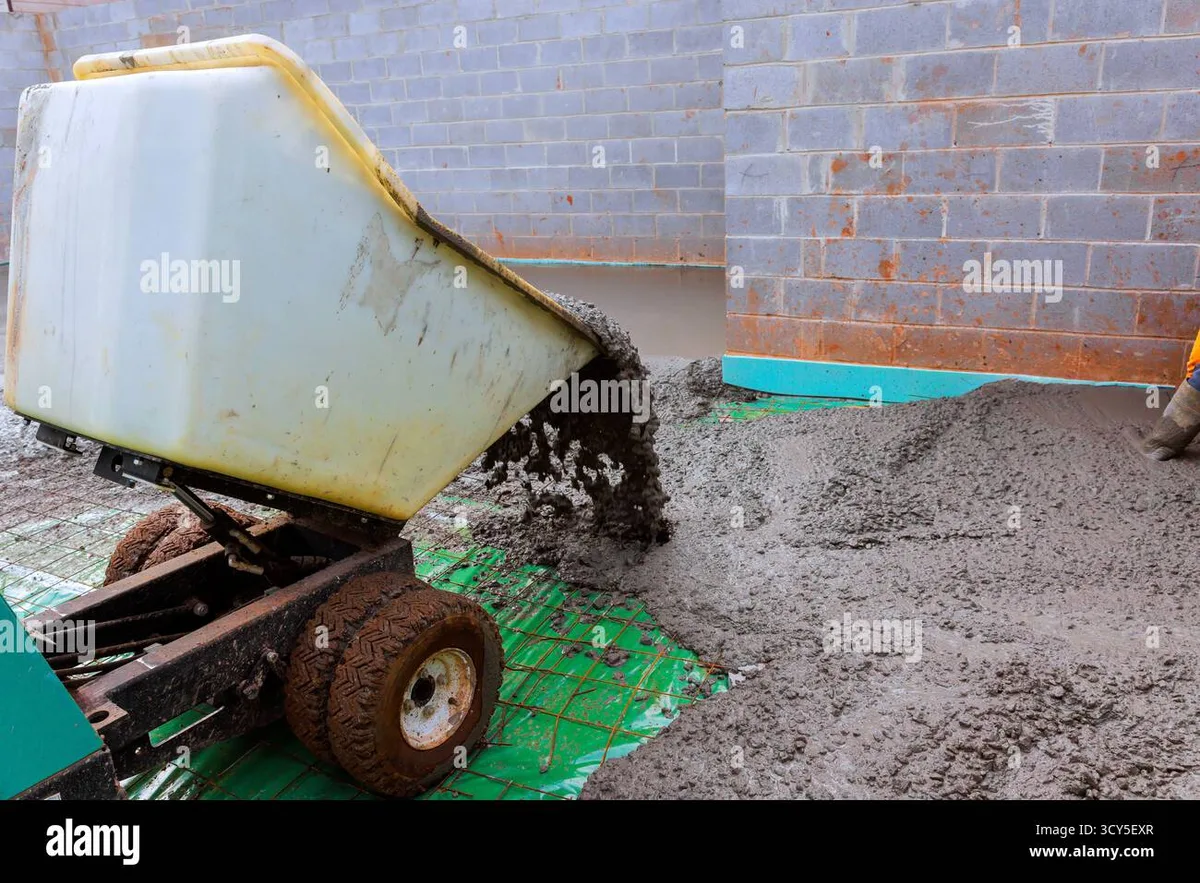
Think of it like leaving food on a plate for days, it gets much tougher to clean. For metal wheelbarrows, trapped moisture under the dried concrete can also accelerate rust. This means your tool might need premature repairs or replacement, which is a cost we can all do without.
When to Clean Your Wheelbarrow: Wet vs. Dried Concrete
The biggest factor in how easy or hard this job will be is simply timing. Cleaning concrete while it's still wet is vastly different from tackling hardened material. Your approach needs to adapt to the state of the concrete.
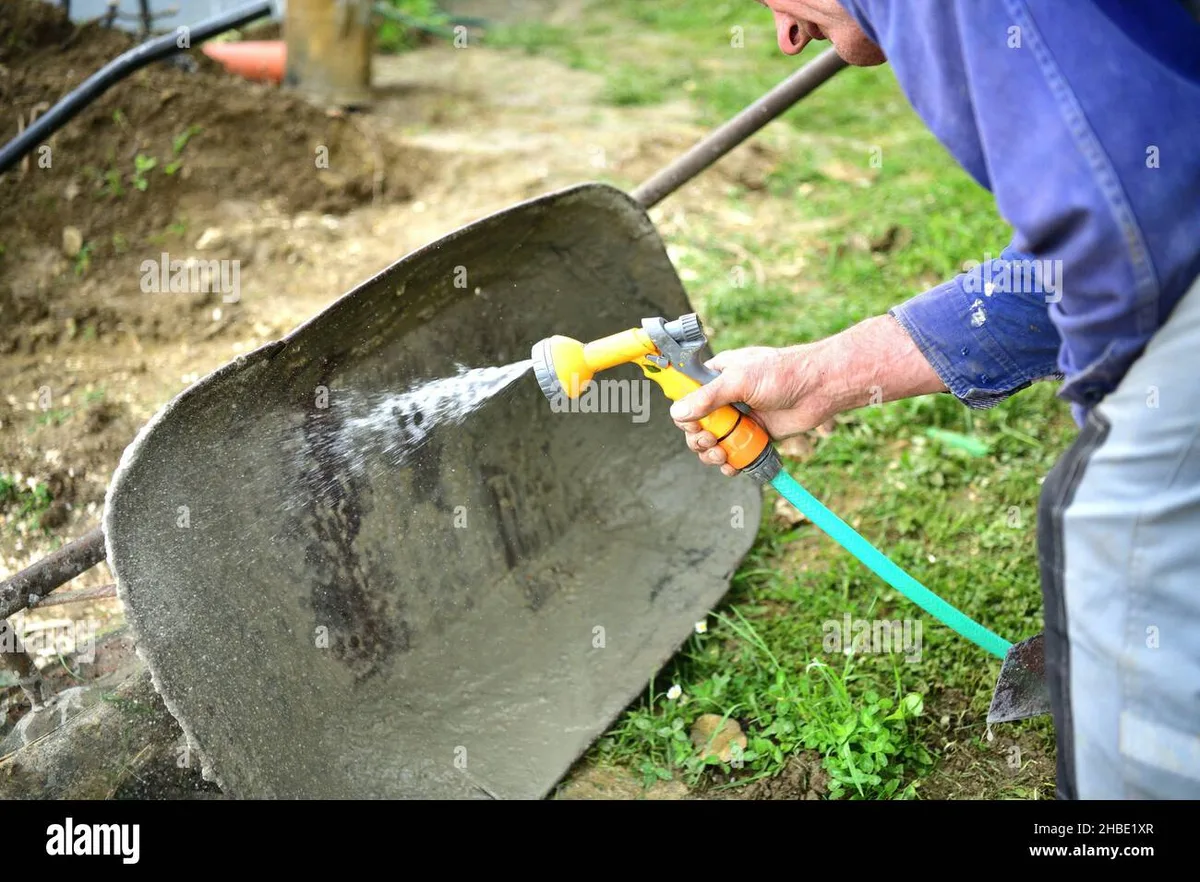
Leaving wet concrete unattended is where the trouble begins. Over time, it hardens, bonding to the wheelbarrow's interior. This transforms a simple rinse into a demanding scraping and scrubbing task.
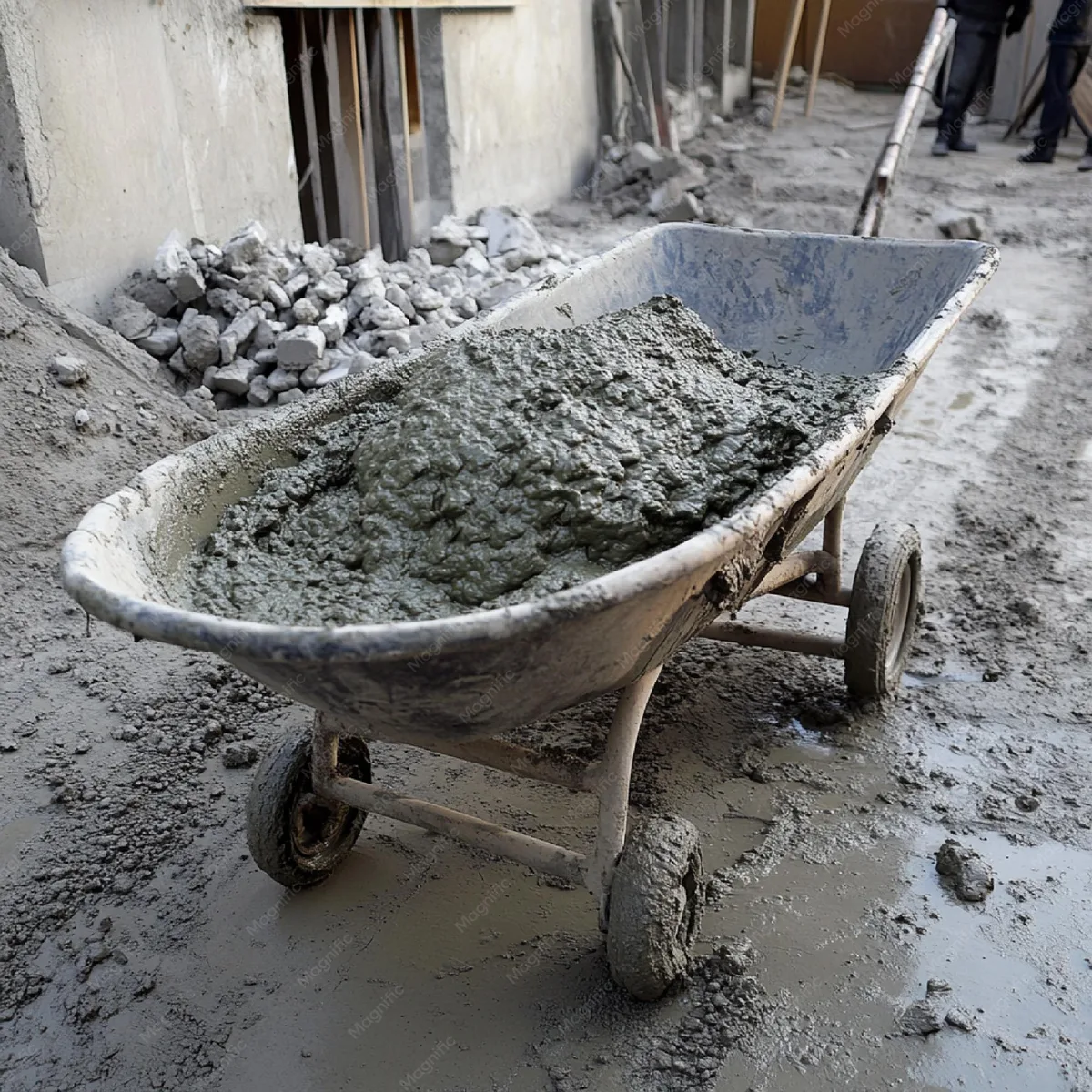
Cleaning Up While It's Still Wet: The Easiest Way
This is the ideal scenario, and it’s astonishingly simple. As soon as you've finished pouring your concrete for the driveway, take your wheelbarrow to the water source. A simple hose and a stiff brush are usually all you need.
The goal here is to wash out all the wet concrete sludge before it has any chance to set. Don't worry about perfection; just get as much of the slurry out as possible. This small effort prevents the bulk of the hard work later.
Tackling Dried Concrete: When the Job's Already Harder
So, you've let it sit, and now you're staring at a concrete-lined wheelbarrow. Don't despair, but know that this is where the real work begins. You'll need more than just a quick spray of water.
This often involves a significant amount of physical effort and possibly different tools. You'll need to chip, scrape, and scrub to dislodge the dried material. This is also when you start thinking seriously about rust prevention for metal models.
What You'll Need: Tools for the Job
To make this job manageable, especially with dried concrete, having the right tools on hand is crucial. You don't need a whole workshop, just a few key items.
Here’s a basic list to prepare yourself:
- Water Source: A hose with a decent spray nozzle is best. A bucket of water can work in a pinch if a hose isn't available, but it's less efficient.
- Stiff-Bristle Brush: A natural or synthetic bristle brush, perhaps one designated for tough outdoor cleaning, will be your primary scrubbing tool. Look for something durable that won't fray quickly.
- Trowel or Putty Knife: For scraping away larger, already loosened chunks of dried concrete. A sturdy metal trowel works well for steel wheelbarrows.
- Shovel (optional): A small garden shovel can help dislodge very large pieces of concrete before you start scraping.
- Rags or Old Towels: For drying the wheelbarrow after cleaning.
- Protective Gear: Gloves to protect your hands and safety glasses to shield your eyes from any flying debris are highly recommended.
- Lubricant (for metal): A light oil or a rust-inhibiting spray like WD-40 is essential for steel wheelbarrows after cleaning to prevent rust.
Step-by-Step: Cleaning Wet Concrete from Your Wheelbarrow
This is the ideal situation, and it takes mere minutes. The key is acting quickly before the concrete has time to adhere.
Step 1: Immediate Washout
As soon as you've finished pouring your concrete driveway mix, take your wheelbarrow to a safe washout area. A gravel patch or a designated concrete washout containment system is ideal to prevent environmental contamination. Use your hose to blast out as much of the wet concrete as possible from the inside of the tub.
Aim for a strong spray to dislodge the slippery material.
Step 2: Scrubbing Away Residue
After the bulk of the wet concrete is gone, you'll likely have a thin film or some small stubborn bits left behind. Grab your stiff-bristle brush and an additional bucket of water if needed. Scrub the entire interior surface of the wheelbarrow, paying attention to corners and the underside of the rim.
This ensures almost all residue is removed, preventing it from hardening later.
Step 3: Final Rinse and Dry
Give the wheelbarrow a thorough final rinse with the hose to wash away all the loosened debris and cleaning solution. Then, tip the wheelbarrow on its side or upside down to allow any remaining water to drain out completely. If you have rags handy, giving it a quick wipe down can speed up the drying process and is especially helpful for metal parts.
Step-by-Step: Cleaning Dried Concrete from Your Wheelbarrow
If you've found yourself facing a wheelbarrow with hardened concrete, don't worry. With a bit of persistence and the right approach, you can still salvage your tool. This process requires more effort but is very doable.
Step 1: Loosening the Grit
Your first weapon is a stiff-bristle brush or a small shovel. Try to break up any loose edges of the dried concrete. Scrape as much of the surface material away as you can.
Don't be afraid to use some force here, but be mindful of the wheelbarrow's material to avoid significant gouges.
Step 2: Scraping and Chipping
If brushing isn't enough, it's time for scraping. Use a sturdy trowel or a putty knife to chip away at the larger, more resistant chunks of concrete. Work from the edges inward, trying to get under the concrete to pry it loose.
For very thick deposits, you might need to tap the trowel with a hammer, but go easy to avoid damaging the wheelbarrow. Remember, asphalt release agents or even a bit of cooking oil applied to a metal wheelbarrow before mixing can make this step easier on future dry-outs, but that's for preventative care.
Step 3: Scrubbing Stubborn Spots
Once the thickest layers are removed, you'll likely have a rough, cemented surface remaining. This is where your stiff-bristle brush comes back into play, aided by water. Wet the remaining concrete and scrub vigorously.
You can also try using a concrete cleaner or even a diluted vinegar solution, though always test on an inconspicuous area first. For really tough spots, a wire brush on a drill might be considered for metal, but use with extreme caution to avoid damaging the base material.
Step 4: Rinsing Thoroughly
After all the scraping and scrubbing, give the entire inside of the wheelbarrow a very thorough rinse. Make sure no concrete dust or cleaning solution residue is left behind. Tip the wheelbarrow to drain as much water as possible to begin the drying process.
Keeping your equipment in good condition is a key part of successful DIY projects. For instance, proper tool care is as important as knowing what kind of fertilizer for grass to use.
Step 5: Drying and Preventing Rust
Once the wheelbarrow is clean and well-drained, allow it to air dry completely. For metal wheelbarrows, this is a critical step. After it's dry, apply a light coat of lubricant or a rust-inhibiting spray to all metal surfaces, especially the inside tub and any exposed bolts or seams.
This is vital for preventing rust, which can weaken the metal over time. Think of it like applying a protective coat to your garden tools to keep them from rusting, similar to how you’d maintain tools for how to start a lawn mower after winter.
Protecting Your Wheelbarrow's Material
The material of your wheelbarrow significantly impacts how you should clean and maintain it, especially after encountering concrete. Different materials have unique vulnerabilities and require specific care to prevent damage. Understanding these differences ensures you're not inadvertently harming your tool.
For example, a steel wheelbarrow might be prone to rust, while a poly model could become scratched or brittle if treated too harshly. Applying a little extra attention based on the material can significantly extend its useful life. This is similar to how different fence stains require specific application methods, as discussed in articles about spray or brush paint which one is better for fence.
For Steel Wheelbarrows: Rust Prevention Tips
Steel wheelbarrows are robust but susceptible to rust, especially in humid environments or if the protective coating is scratched. After cleaning and thoroughly drying your steel wheelbarrow, it’s crucial to apply a protective layer. A light coating of mineral oil, a silicone-based lubricant, or a rust-inhibiting spray applied to the interior tub and exposed metal parts creates a barrier against moisture.
This is a quick step that pays dividends by preventing unsightly and structurally damaging corrosion.
This preventative measure is akin to using the right what kind of fertilizer for grass to use to keep your lawn healthy; proper care prevents future problems. Manufacturers like Rubbermaid and Ames often specify these maintenance steps in their care guides to help users get the most out of their metal tools. Don't forget to do the same for other outdoor equipment, like ensuring your lawn mower is properly prepped after use.
For Poly/Plastic Wheelbarrows: Keeping It Smooth
Polyethylene (poly) or plastic wheelbarrows are naturally rust-resistant, which is a significant advantage. However, they can still suffer damage. Avoid using abrasive cleaners or coarse brushes that can scratch the surface, which might make it harder for dirt and concrete to release in the future.
Also, prolonged exposure to extreme cold can make plastic brittle, so store it properly during harsh winter months if possible.
Mild soap and water are usually sufficient for cleaning poly models. If concrete has dried on, you might need a plastic scraper or a putty knife, but be cautious not to gouge the material. A little bit of dish soap can help lubricate the scraper and make the process smoother.
Proper Disposal of Concrete Washout Water
When cleaning concrete, especially after a driveway project, proper disposal of the washout water is critical for environmental protection. Concrete washout water is alkaline and can harm aquatic life and plant roots if it enters storm drains or waterways. Many municipal wastewater systems and environmental agencies, such as the U.S.
Environmental Protection Agency (EPA), have regulations regarding this.
The best practice is to contain the washout water and let the solids settle out. Once the water has cleared, it can often be disposed of more safely, or the settled solids can be disposed of as solid waste, following local guidelines. Some professional operations use specialized washout bags or portable containers that allow for proper curing and disposal of the waste.
This is part of responsible contractor practices, similar to how homeowners manage waste from other outdoor projects.
Common Mistakes When Cleaning Concrete Wheelbarrows
Overlooking simple maintenance steps can lead to a quickly degraded wheelbarrow. One of the most common errors is simply not cleaning it soon enough after use, leading to the dried concrete issue we’ve discussed. Another mistake is using harsh chemicals or abrasive tools that damage the wheelbarrow's material, whether it’s steel or poly.
Another oversight is not drying metal wheelbarrows thoroughly and immediately applying a rust preventative. This leaves them vulnerable to corrosion. Also, failing to dispose of washout water responsibly can lead to environmental issues and potential fines, which is not a cheap mistake to make.
Keeping Your Wheelbarrow Ready for the Next Job: Ongoing Care
A little consistent care goes a long way in keeping your wheelbarrow in top condition. After each use, a quick rinse, even if it's just with plain water, makes a huge difference. Ensure it's dry, especially if it's a metal model, before storing.
Inspect the wheel and tire periodically. Check tire pressure on pneumatic tires, and look for any signs of wear or damage on the wheelbarrow's frame. Keeping it stored in a dry place, out of direct sunlight and harsh weather, will also help protect its material.
This kind of regular upkeep ensures your wheelbarrow is always ready for whatever task you throw at it, whether it’s another concrete project or hauling soil for your garden. Proper tool maintenance is a cornerstone of efficient DIY and professional work.