
It's the middle of July, your lawn looks like a hayfield, and you're wondering how to keep grass green in summer without turning your water bill into a second mortgage. You're not alone. Every summer, millions of homeowners watch their emerald turf slowly fade to straw and assume they're doing something wrong.
In our research, the single biggest factor separating green lawns from crispy ones isn't luck or expensive products. It's knowing your grass type and making small seasonal adjustments before the heat hits. Per the USDA's turfgrass management guidelines, a cool-season fescue lawn and a warm-season Bermuda lawn need completely opposite care in July.
Do the wrong thing for your variety and you'll fight a losing battle until autumn. Here's exactly how to win that fight every summer.
Quick Answer
Raise your mower blade to three inches. Water deeply once a week early morning. Test your soil moisture before each watering.
Never fertilize during a heat wave. Know your grass type first. These five actions prevent 90% of summer lawn problems.
Adjust each based on your specific conditions.
What Actually Happens to Grass in Summer (And Why It Turns Yellow)
Grass doesn't turn yellow because it's dying. It turns yellow because it's protecting itself. When soil temperatures climb past 80°F for cool-season grasses or the top few inches of soil dry out, the plant basically says, "I'm shutting down the green chlorophyll factory to save water for my roots." That's a survival mechanism, not a sign you've failed.
Here's what's really going on beneath the surface.
Roots go shallow when it's hot. If you've been watering lightly every day, roots have no reason to dig deep. They stay in the top inch of soil, which dries out fastest. That means every hot day becomes a crisis.
Our research shows that lawns watered deeply once a week develop roots 6 to 8 inches deep. Lawns sprinkled daily have roots barely 2 inches deep. The difference is everything.
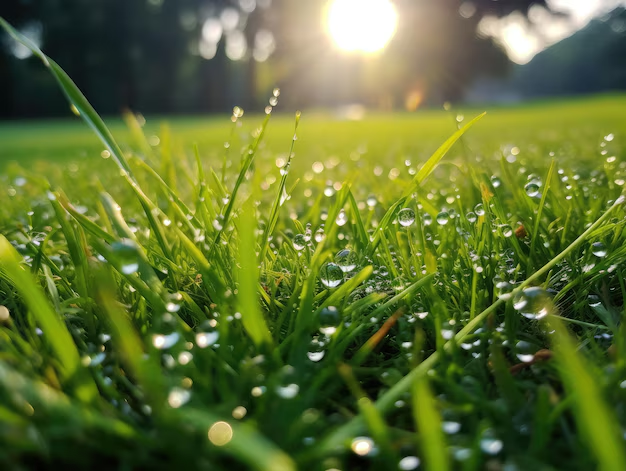
Evaporation spikes in summer heat. On a 90°F day with low humidity, a lawn can lose a quarter-inch of water to evaporation within hours of a sprinkler run. If you water at noon, most of it never reaches the roots. That's not bad luck.
That's physics.
Grass growth changes with temperature. Warm-season grasses like Bermuda and Zoysia actually thrive in 85°F to 95°F soil. They grow faster and need more mowing. Cool-season grasses like fescue and Kentucky bluegrass slow down above 80°F.
They stop growing as fast, but they still need water. The mistake most people make is treating all grass the same way in July.
The core problem is simple: you're fighting the plant's natural stress response, not supporting it. Once you understand that yellowing is a strategy, not a failure, you can work with the plant instead of against it.
Step 1: Identify Your Grass Type – Cool-Season vs Warm-Season
This is the most important step and the one most people skip. If you don't know whether you're growing cool-season or warm-season grass, everything else is a guess. Let's make it simple.
Cool-season grasses include tall fescue, fine fescue, Kentucky bluegrass, and perennial ryegrass. They grow best in spring and fall when soil temps are 60°F to 75°F. In summer, they go semi-dormant.
They'll stay green with good care, but they won't grow much. These are common in the Northeast, Midwest, Pacific Northwest, and UK.
Warm-season grasses include Bermuda, Zoysia, St. Augustine, centipede, and bahia. They love heat.
They grow fastest when soil temps hit 80°F to 95°F. They stay green all summer with less water than cool-season types. These dominate the Southeast, Southwest, and parts of the transition zone like Texas and Oklahoma.
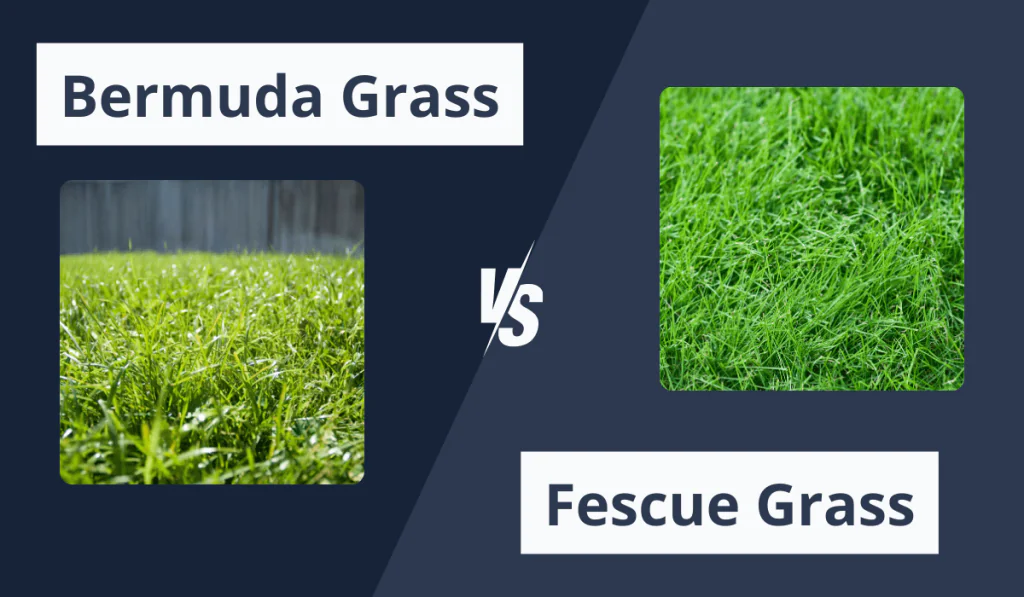
Not sure which you have? Look at the leaves. Cool-season grass blades are narrow and grow in bunches or a tight sod.
Warm-season Bermuda has fine, thin blades that creep along the ground with runners. St. Augustine has broad, coarse blades like a tropical plant.
If you see above-ground runners, it's warm-season almost every time.
A quick trick: let a patch go unwatered for a week in July. Cool-season grass will start browning at the leaf tips. Warm-season grass will stay greener longer because it's adapted to the heat.
If your lawn goes dormant and looks dead but comes back with rain, it's almost certainly cool-season. If it stays green through a dry spell, it's warm-season.
Step 2: Check Your Soil (pH, Moisture, Compaction)
You can't fix what you don't measure. Soil issues are the hidden reason many lawns look terrible despite perfect watering schedules. Let's run through the three checks that matter most.
pH level. Grass grows best in soil with a pH between 6.0 and 7.0. Outside that range, nutrients get locked up in the soil and roots can't absorb them. Iron deficiency shows up as yellowing between leaf veins.
Phosphorus deficiency stunts root growth. A simple soil test kit from any garden center costs about 15 bucks and gives you the answer in five minutes. If your pH is below 6.0, apply lime in the fall.
Above 7.0, sulfur or an acidifying fertilizer helps. Don't guess on this one.
Moisture check before every watering. This single habit saves more water and prevents more fungus than any other tip. Stick a screwdriver or a moisture meter into the soil. If the top two inches feel damp, don't water.
Wait another day. If it's bone dry down to four inches, water deeply. Most people water when the grass looks thirsty, but the grass looks thirsty long before the soil is actually dry.
The screwdriver test is your reality check.
Compaction test. Compacted soil won't absorb water. It runs off into the street or pools on top. Walk across your lawn after a rain.
If your footprints sink in less than a quarter-inch, the soil is compacted. Another sign: water puddles and stays there for hours. Compacted soil needs aeration, which we'll cover in Step 6.
If you haven't tested your soil in the last two years, do it now. Get the right kind of fertilizer for grass based on your results. Guessing wastes money and can burn your lawn.
Step 3: Adjust Your Mowing – Height, Frequency, and Blade Type
Mowing is the single easiest thing to change that gives the biggest visual payoff. Most people cut too short in summer. That's scalping, and it's the number one cause of brown, stressed lawns in July.
Raise the blade. For cool-season grass, set your mower to 3.5 to 4 inches. For warm-season grass, 1.5 to 2.5 inches is correct. The extra leaf surface means more photosynthesis, which means more energy for root growth.
Taller grass also shades the soil, keeping it cooler and reducing evaporation. It's a free benefit.
Follow the one-third rule. Never cut off more than one-third of the grass blade in a single mow. If your grass is 4 inches tall, cut it to 2.7 inches. If you're cutting off half the blade, you're shocking the plant and forcing it to spend energy regrowing leaves instead of building roots.
In summer heat, that's a recipe for stress.
Mow in the morning. Evening mowing leaves wet clippings that invite fungus. Midday mowing stresses already hot grass. Morning mowing gives clippings time to dry and gives the grass the rest of the day to recover.
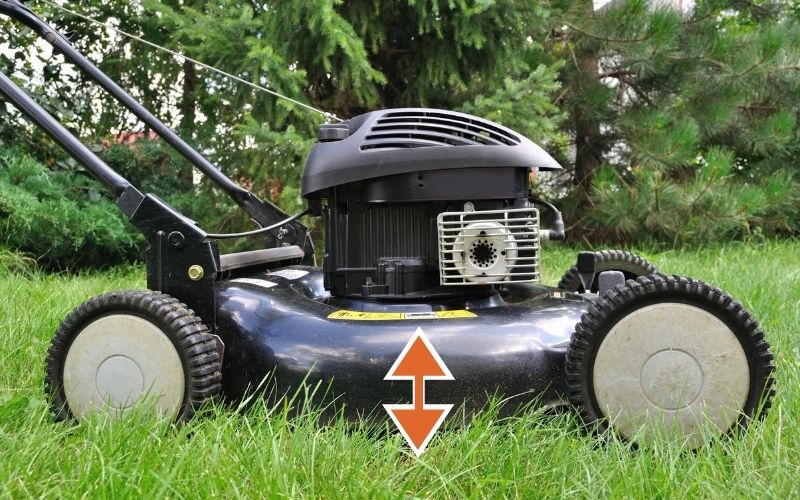
Use a mulching blade. A mulching blade chops clippings into fine pieces that settle into the soil and decompose quickly. Those clippings return nitrogen to the lawn. During summer, that's effectively a free, slow-release fertilizer.
Bagging clippings removes that nutrient source and creates waste you have to haul away. Unless you have a disease problem, leave the clippings on the lawn.
If your mower hasn't been serviced recently, a dull blade tears grass instead of cutting it. Torn grass turns brown at the tips within 24 hours. Keep your mower sharp for a clean cut.
Routine upkeep matters more in summer than any other season.
Step 4: Set a Smart Watering Schedule
Watering is where most people go wrong. They either overwater and create fungus or underwater and get brown grass. The right schedule depends on your soil type, grass variety, and local climate.
Let's break it down.
Deep watering beats frequent watering every time. Water once a week, applying 1 to 1.5 inches total including rainfall. That amount penetrates 6 to 8 inches into the soil, encouraging deep root growth. Light daily watering keeps roots shallow and weak.
The rule: soak it, then let it dry out. Roots need oxygen as much as they need water.
The tuna can test. Place empty tuna cans or straight-sided containers around your lawn while sprinklers run. When they collect one inch of water, stop. That's your baseline.
If different zones fill at different rates, adjust your sprinkler timing per zone. A flat lawn needs one rate. A sloped lawn may need shorter cycles to prevent runoff.
Best time to water: 4 AM to 9 AM. Watering before sunrise gives the grass a full day to absorb moisture before the sun's heat peaks. Evening watering leaves grass wet overnight, which invites fungal diseases. Midday watering loses half the water to evaporation before it reaches the soil.
Early morning is the only window that works.
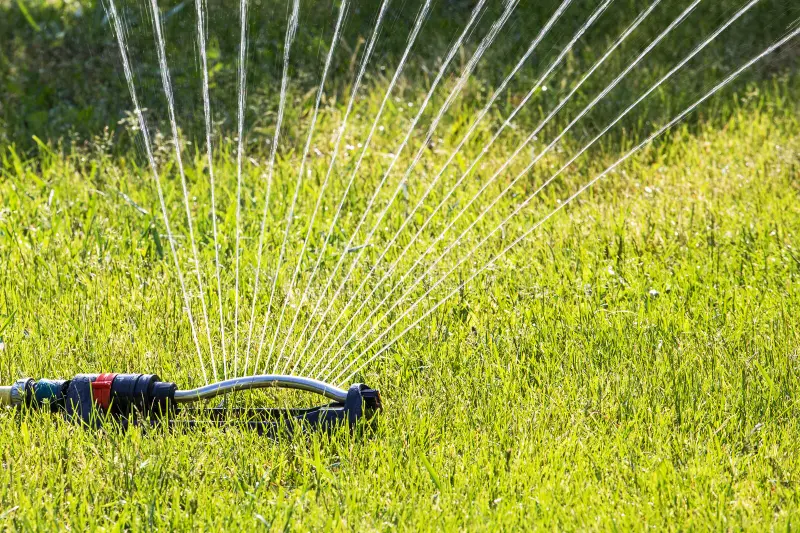
Adjust for rain and heat waves. If a forecast says thunderstorms tomorrow, skip today's watering. If a heat wave pushes temps above 95°F for three days straight, increase to 1.5 inches that week. If you have clay soil, water slower and longer to give it time to absorb.
Sandy soil drains fast so water more frequently but still deeply.
Many municipalities have watering restrictions during summer. Check your local rules. Some allow watering only on certain days or before certain hours.
Violating them can cost you a fine. Plan your schedule around the law, not the other way around.
A smart sprinkler controller that adjusts based on weather data is worth the investment if you hate thinking about it. Otherwise, set a timer and check your tuna cans once a week. Consistency beats perfection.
Step 5: Fertilize Carefully – Or Don't Fertilize at All
Here's the truth most lawn care articles won't tell you straight: fertilizing cool-season grass in July is often a mistake. Applying nitrogen when the plant is already stressed from heat can burn the roots and make things worse.
When summer fertilizer makes sense. For warm-season grasses like Bermuda or Zoysia, a light application of slow-release nitrogen in early summer supports the growth burst they naturally experience. Use a fertilizer with a lower nitrogen number, something like 15-0-15 or 10-0-20. The phosphorus and potassium support root health and drought tolerance.
Apply it when soil temperatures are consistently above 70°F.
When to skip it entirely. If you have cool-season grass, lay off the nitrogen from mid-June through August. The plant isn't actively growing. Any nitrogen you apply will mostly feed the weeds or runoff into the storm drain.
Your fall fertilization in September will do more good than all the summer applications combined.
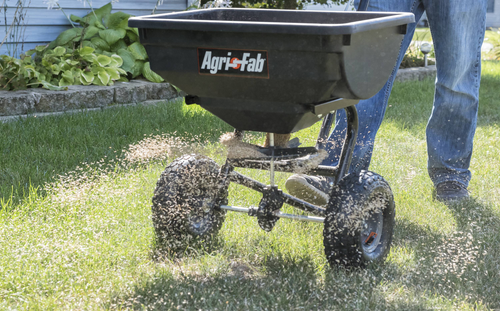
Organic matter matters. If your soil needs a boost, top-dress with a quarter-inch of finished compost instead of synthetic fertilizer. Compost adds nutrients slowly, improves soil structure, and holds moisture longer. It's almost impossible to apply too much or to burn your lawn with it.
Spread it evenly with a rake and water it in.
If you're unsure what fertilizer to use, start with a soil test. A soil test tells you exactly what your lawn needs. Without that data, you're shooting in the dark.
The right fertilizer for grass in summer is the one that matches your soil test results. Anything else is wishful thinking.
A note on timing: never apply fertilizer when the temperature is above 90°F or when a drought is forecast. The grass can't use it, and the risk of burn is high. If you haven't fertilized by early June, wait until September.
Missing one season is better than doing damage.
Step 6: Aerate and Dethatch (If Needed)
Aeration and dethatching are mechanical fixes for two specific problems. Most lawns don't need both every year. Here's how to tell which one yours actually needs.
Aeration solves compaction. If water pools on the surface after rain, or if a screwdriver won't easily push three inches into the soil, your lawn is compacted. Core aeration pulls out plugs of soil, creating channels for water, air, and roots. Spike aeration just pokes holes and can actually make compaction worse by pressing soil aside.
Use a core aerator. Rent one for 75 bucks at a local hardware store or hire a service for about 150. Aerate once in early fall for cool-season grass or late spring for warm-season.
Summer heat puts too much stress on the grass to aerate now.
Dethatching fixes a spongy surface. Thatch is the layer of dead stems and roots between the grass and soil. Up to half an inch is healthy. More than that blocks water and nutrients from reaching the soil.
If you can't see soil between the grass blades when you push aside the grass, you likely have too much thatch. A power rake or dethatcher can pull it up. Do this in early fall or early spring, not in the middle of a heat wave.
If you have neither problem, skip both steps. Aeration and dethatching are treatments, not annual maintenance. Using them unnecessarily damages turf during summer stress.
Common Summer Lawn Mistakes That Ruin Green Grass
Most summer lawn problems come from well-intentioned but wrong actions. Here are the three biggest mistakes we see in research and real user reports.
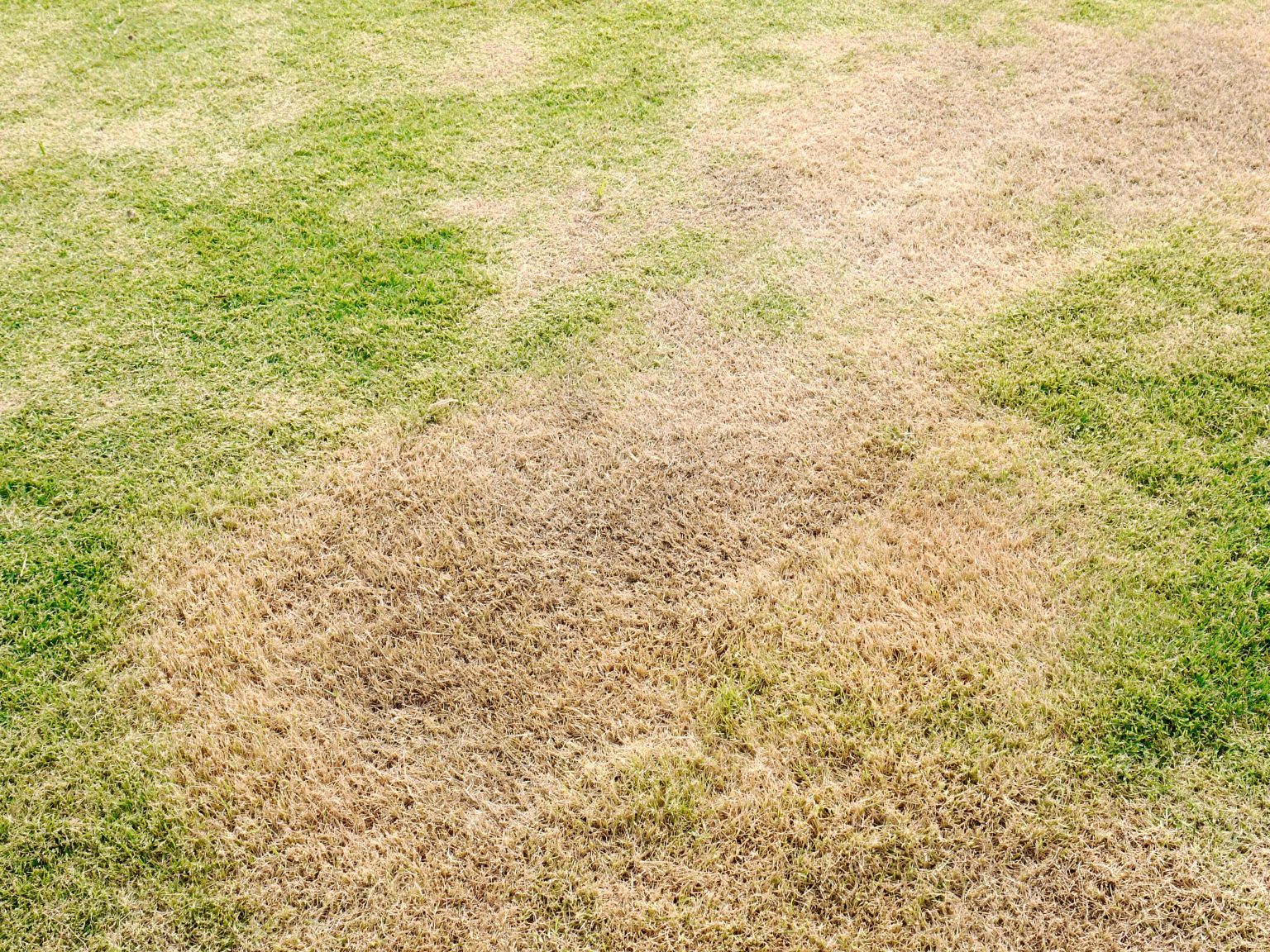
Scalping the lawn. Cutting grass shorter than two inches in summer exposes the soil to direct sun. Soil temperature rises, roots bake, and the grass turns brown within days. The photo above shows exactly what this looks like.
A dull mower blade makes it worse by tearing the grass. Raise your blade to at least three inches for cool-season grass and two inches for warm-season. Your lawn will thank you by staying green.
Overwatering at night. Watering after 6 PM leaves the grass wet overnight. That's a perfect environment for fungal diseases like brown patch and dollar spot. Even if the grass looks fine, the fungus is waiting.
Water only in early morning. If you can't water then, water early afternoon, but never evening.
Fertilizing during a heat wave. Applying nitrogen when soil temperature is above 85°F burns the roots. The grass can't use the nutrients and the salt content damages the plant. Worse, it feeds weeds like crabgrass that love heat.
If you feel the urge to "help" your lawn during a July heat wave, don't reach for the fertilizer. Water deeply instead. The best time to fertilize is in fall when the grass is actively growing again.
When to Let Grass Go Dormant (And How to Bring It Back)
Sometimes the greenest lawn is a dormant one. Cool-season grasses naturally enter a semi-dormant state in summer to survive heat and drought. That's not death.
It's a survival pause.
Reasons to let it go dormant. If your area has mandatory watering restrictions, you're going on vacation, or the cost of watering is too high, letting the lawn go dormant is completely fine. It will turn brown and look dead, but the crown and roots are alive. Cool-season grasses can survive 4 to 6 weeks of dormancy without permanent damage.
Warm-season grasses can go longer.
How to handle dormancy. Water once every two to three weeks with about half an inch. That's enough to keep the crown alive without encouraging new growth. Don't walk on dormant grass much.
Foot traffic can damage the crown. Don't mow it either. The grass isn't growing, so you're just stressing the plant.
How to bring it back. When temperatures drop in late August or September, resume your regular watering schedule. Apply a light fertilizer with nitrogen to encourage regrowth. Rake out any dead patches.
The grass should green up within two weeks. If it doesn't, those patches may be dead, not dormant, and you'll need to reseed in fall.
Decision Guide: Your Lawn Situation → The Right Action
Use this table based on what you actually see in your yard right now.
| If Your Grass Is… | Then Do This… | Avoid This… |
|---|---|---|
| Brown at the tips but green at the base | Raise mowing height, water deeper, check for dull blade | Fertilizing or overwatering |
| Yellow with green veins | Test soil pH (likely iron deficiency), add chelated iron if pH is fine | Applying general nitrogen fertilizer |
| Spongy underfoot | Check thatch layer. Dethatch in early fall if over half an inch | Aerating now in summer |
| Puddling after rain | Aerate in fall (cool-season) or spring (warm-season) | Adding more water |
| Patches of brown with a dark border | Likely brown patch fungus. Stop evening watering, improve air circulation | Adding fertilizer |
| All brown but stems bend, not snap | It's dormant. Water lightly every 2-3 weeks | Scalping or raking it out |
| If Your Grass Is… | Then Do This… | Avoid This… |
|---|---|---|
| All brown and stems snap | It's dead. Reseed in early fall | Trying to revive it with water or fertilizer |
Expert Pro Tips for Stubborn Lawns
These tips go beyond the basics. They help when you've done everything right but the lawn still struggles.
Use a soil surfactant. If water beads up and runs off dry soil, a wetting agent helps it penetrate. Products containing liquid polymers or yucca extract break the surface tension. Apply it before a deep watering.
It's especially useful in clay or sandy soils.
Mow with a sharp blade every time. A dull blade tears grass, creating frayed ends that turn brown in hours. Sharpen your blade every 20 to 25 hours of mowing. Keep a spare blade on hand so you can swap quickly.
Routine maintenance like this keeps the lawn from looking ragged after every cut.
Leave the clippings. Mulching clippings return up to 25% of your lawn's nitrogen needs. That's especially valuable in summer when you're not fertilizing. A mulching blade chops clippings fine enough to decompose in a day.
Water deeply but less often. If you're already doing that, check your sprinkler coverage. Many sprinklers overlap poorly, leaving dry spots. Run the system and watch for missed areas.
Adjust for full coverage.
Pick the right spreader for fertilizer. A drop spreader gives precise application but requires careful passes. A broadcast spreader covers faster but is less accurate. Know which one you have and calibrate it for your walking speed.
Using the wrong setting wastes fertilizer and can burn stripes into your lawn.
Consider a lawn roller for evening bumps. If you have frost heaving or mole activity that leaves your lawn uneven, a gentle roll after the ground is moderately moist can flatten it. Don't roll in summer when the ground is hard or during drought. Reserve rolling for early spring.
For more on basic equipment care, you can check how to keep your mower running smoothly. Proper maintenance prevents many summer problems before they start.
FAQs From Real Homeowners
Should I water every day?
No. Daily light watering keeps roots shallow and weak. Water deeply once a week with 1 to 1.5 inches.
That builds deep roots that survive heat waves.
Is it normal for grass to go dormant?
Yes, for cool-season grasses. It's a natural survival response to heat and drought. The crown stays alive and the grass will green up when temperatures drop in fall.
Can I use lawn dye to keep it green?
You can, but it's cosmetic. It doesn't fix underlying problems. Use dye only if you need a temporary green look for an event or HOA inspection.
The Final Routine: A Weekly Summer Lawn Checklist
Monday morning.
Check soil moisture with a screwdriver. Water deeply if dry below two inches. Sharpen the mower blade if needed.
Thursday morning.
Mow at the right height with a sharp blade. Leave clippings on the lawn. Inspect for brown patches, fungus, or pests.
Friday afternoon.
Walk the lawn after mowing. Look for dry spots or puddling. Adjust sprinkler heads for full coverage.
Every two weeks.
Test a random patch with a tuna can. Confirm you're getting 1 to 1.5 inches of water per week including rain.
Monthly.
Check soil pH with a test kit. Survey for compaction. Plan ahead for any fall aeration or dethatching needs.
Follow this routine and adjust only when your specific lawn condition changes. That's the whole system.