
Tackling a yard project often involves moving dirt, and knowing how to move dirt without a wheelbarrow is a skill every gardener or DIYer eventually needs. Whether you're filling raised beds, creating a new garden path, or just clearing out debris, you've got options beyond the clunky wheelbarrow that can save your back and your time.
Our research into efficient yard work shows that the right technique and tool can make a big difference, especially for smaller jobs where a wheelbarrow feels like overkill. For instance, the U.S. Department of Agriculture (USDA) recommends ergonomic handling for manual labor, which translates to choosing the right tool for the load and distance. You'll find that specific methods can make hauling soil surprisingly manageable.
When You Can't Use a Wheelbarrow: Smart Ways to Move Dirt
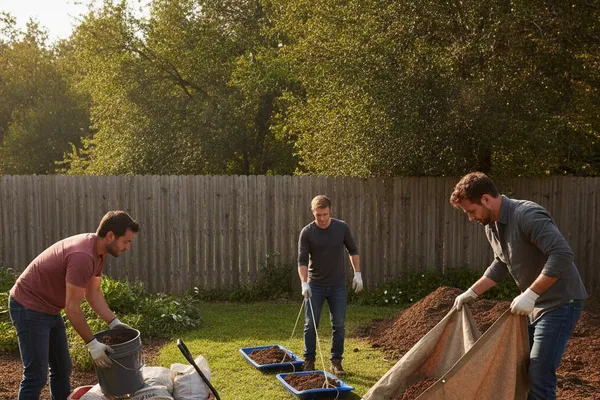
There are plenty of reasons you might be looking for alternatives to a wheelbarrow. Maybe your terrain is too rough, your garden gate is too narrow, or you simply don't own one. Whatever the situation, understanding your options ensures you can complete your project without unnecessary struggle or strain.
How Much Dirt Are We Talking About?
Before you grab the first tool you see, it helps to get a rough idea of the soil quantity you need to move. This isn't about precise measurements, but rather a general sense of scale that will guide your choices.
Small Jobs vs. Medium Hauls
Moving a few shovelfuls to fill a single plant hole is a very different task than transplanting enough soil for an entire garden bed. For small, quick jobs, a bucket or a heavy-duty tarp might be perfectly adequate. When you're dealing with larger volumes, you'll want to consider tools with more capacity, like garden carts or even a small trailer.
Knowing Your Dirt's Weight
Dirt can be surprisingly heavy. For example, according to the U.S. Environmental Protection Agency (EPA), typical topsoil weighs around 2,700 pounds per cubic yard. Clay soils can weigh even more, closer to 3,000, 3,600 pounds per cubic yard.
This means even a single cubic foot of wet soil can be a significant weight, so pacing yourself and choosing the right method is key to avoiding injury.
Your Go-To Tool: The Humble Shovel
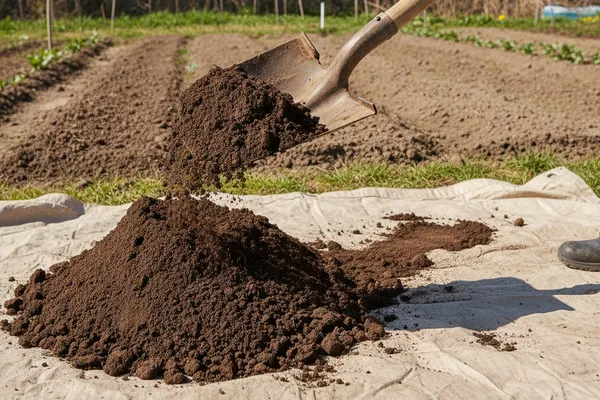
The shovel is your most basic, fundamental tool for moving earth when a wheelbarrow isn't an option. It's versatile and can be used in conjunction with other methods or on its own for smaller tasks. Mastering shovel use is the first step in dirt-moving efficiency.
Choosing the Right Shovel (Garden vs. Spade vs. Scoop)
Not all shovels are created equal, and picking the right one for the job makes a huge difference. A garden shovel typically has a pointed tip, ideal for digging into packed earth or breaking up sod. A spade has a flatter, straighter blade, which is better for edging, scraping, and scooping softer materials. For moving loose, volume-heavy materials like a lot of soil, a scoop shovel (also called a transfer shovel) has a wider, deeper blade designed to hold more per scoop, reducing the number of trips you need to make.
The handle length also matters; a longer handle provides more leverage but can be unwieldy in tight spaces.
Shovel Technique for Efficiency
When using a shovel, try to dig with your legs and core, not just your back. Keep the shovel close to your body, and if you're scooping, try to keep the load balanced. For longer distances, it's better to make multiple smaller scoops that you can manage comfortably rather than overfilling your shovel and risking a spill or strain.
Buckets: Your Portable Dirt Carriers
Heavy-duty buckets are surprisingly effective dirt movers, especially for short distances or when navigating tight spots. They offer a contained way to transport soil, preventing spills that can happen with an overloaded shovel.
When Buckets Make Sense
Buckets are ideal for hauling dirt to fill specific planting holes, spread around existing plants, or transport soil over short, relatively smooth paths. They're also great for bringing soil from a pile to a spot where you need to load it onto something else, like a tarp or a cart. A 5-gallon bucket, a common size, can hold roughly 0.67 cubic feet of soil, which, while not a massive amount, is manageable for many backyard tasks.
How to Load and Carry Safely
When loading a bucket, aim for a balanced fill. Don't overpack it to the point where it’s difficult to lift or carry without tipping. Grip the handle firmly, keeping the bucket relatively close to your body, and bend your knees when lifting. For longer hauls, consider using two buckets, one in each hand, to distribute the weight and maintain balance, much like carrying water.
Tarps: The "Slide and Drag" Method
A heavy-duty tarp can be an excellent tool for moving larger quantities of dirt, especially when you need to transport it across a lawn or a relatively smooth surface. It essentially creates a makeshift sled for your soil.
Best Tarps for the Job
Look for tarps made from thick, durable materials like canvas or heavy-duty polyethylene. Canvas tarps are often preferred because they're less slippery and can get a better grip on the dirt. Ensure the tarp has reinforced grommets around the edges; these are crucial for creating handles or tie-down points if you're using a rope or moving mechanism. A tarp measuring at least 5×7 feet or larger is generally suitable for most DIY projects.
Step-by-Step: Tarps in Action
- Lay the tarp flat in the area where the dirt is piled.
- Heap the dirt onto the center of the tarp. Avoid overfilling; leave enough tarp edge exposed to grab.
- Gather the edges of the tarp together. For short drags, you can often just pull the two sides of the tarp, letting the soil slide.
- For longer distances, try pulling from the grommets at opposite corners. If you have a rope, you can tie it securely to the grommets to create a more manageable pulling point.
- Drag the tarp to your desired location and then lift the edges to dump the soil. You might need to work the dirt off the tarp by shaking or pushing it.
Garden Carts: A Step Up From Buckets
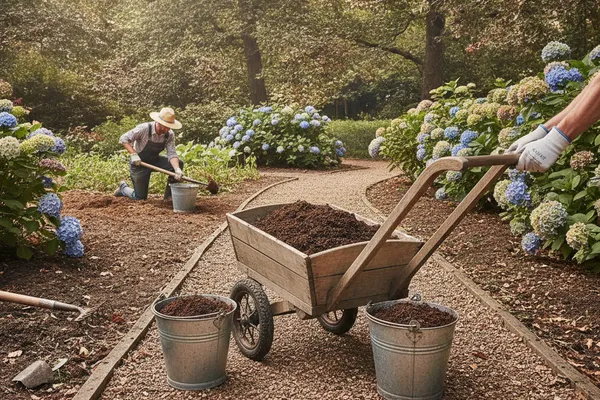
Garden carts offer more capacity than buckets and are designed for easier transport over uneven terrain. They come in various configurations, making them a versatile option for moving soil, mulch, and other landscaping materials.
Two-Wheeled vs. Four-Wheeled Carts
Two-wheeled garden carts are often easier to maneuver, as they pivot on the wheel axle, making them feel lighter when loaded. They typically have a higher load capacity than buckets. Four-wheeled carts, on the other hand, are more stable but can be harder to steer around tight corners or obstacles. Cart capacities vary widely; many common models can hold between 1 to 2 cubic feet of soil, with some heavy-duty versions going up to 5 cubic feet or more.
Load Capacity and Terrain Considerations
When choosing a cart, consider its weight capacity. A typical garden cart might handle 150, 300 pounds. For moving dirt, especially if it's wet, you'll be closer to the upper limit of that capacity. Check the tire type as well; pneumatic tires (filled with air) provide better shock absorption over rough ground than solid tires, which can be prone to getting stuck.
Small Trailers: For Bigger Digs
When you've outgrown the capacity of a cart or need to move significant amounts of dirt, a small utility trailer becomes your best friend. These trailers, designed to be towed by a vehicle, offer the largest carrying capacity outside of a wheelbarrow and are ideal for substantial landscaping projects.
When a Trailer is Your Best Bet
If your project involves moving yards of soil, for instance, to fill multiple large garden beds or to level a substantial area of your yard, a trailer is the most efficient tool. They can carry hundreds, sometimes over a thousand, pounds of material at once, depending on their size and rating. This dramatically cuts down the number of trips needed compared to any other manual method.
Hooking Up and Hauling
Most small utility trailers are designed for easy attachment to lawn tractors, ATVs, or even some smaller vehicles. Ensure you understand your towing vehicle's capacity and that you are comfortable and legal operating it with a towed load. Distribute the soil evenly within the trailer to maintain stability during transport. Remember that a loaded trailer will handle differently, requiring wider turns and longer stopping distances, so always drive cautiously.
Yard Waste Bags: A Temporary Solution
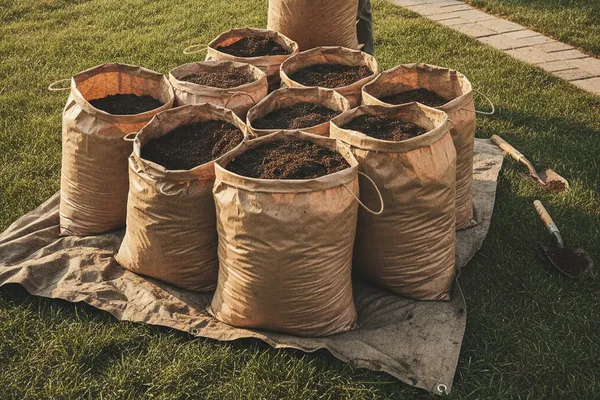
For those times when you have a moderate amount of dirt but no other tools readily available, heavy-duty yard waste bags can serve as a temporary transport solution. These are typically made of reinforced paper or woven plastic and are designed to hold garden debris, but they can also manage soil for short periods.
These bags usually have a capacity of 30, 50 gallons, which can hold a noticeable amount of soil, but their strength is limited. They are best suited for dry, loose soil and are not designed for extremely heavy, wet material. Loading them carefully, not overfilling, and dragging them or carrying them by the reinforced handles are crucial to prevent them from tearing.
Key Considerations for Moving Dirt
Regardless of the tool you choose, a few factors will significantly impact how easy or difficult the job becomes. Thinking these through beforehand will save you a lot of effort.
Distance Matters
The farther you need to move the dirt, the more important it is to have a tool that minimizes strain and maximizes capacity. A simple shovel might be fine for moving dirt ten feet, but for fifty feet or more, a garden cart or trailer will drastically reduce your workload and time spent. Always assess the total travel distance before committing to a method.
Navigating Rough Terrain
Uneven ground, inclines, or obstacles like garden hoses, rocks, or dense plantings can make moving dirt challenging. Two-wheeled carts offer better stability on slopes than single-wheeled wheelbarrows, and their wider bases can be more forgiving on soft ground. Tarps can be tricky on very rough terrain as they can snag or tear.
Avoiding Spills and Messes
Spills not only create extra cleanup work but can also damage delicate landscaping or lawns. Tools like buckets and trailers offer containment, while shovels and tarps require more careful handling to prevent material from falling out during transit. If you're moving dirt across a pristine lawn, consider laying down a temporary path with plywood or boards to minimize turf damage.
Safety First: Protect Your Body
Moving dirt is a physical activity, and it’s crucial to approach it with safety in mind to avoid injury. Back strain, muscle pulls, and falls are common risks if you're not careful.
Proper Lifting and Carrying
Always bend your knees and lift with your legs, keeping your back straight, when picking up a loaded shovel, bucket, or cart. If using a shovel to load, keep it close to your body for better leverage. When carrying buckets, maintain a balanced load and, if possible, use both hands or two buckets to distribute weight evenly. Your body is your most important tool; treat it with care.
Gear Up for the Task
Wearing appropriate gear adds a layer of protection. Sturdy, closed-toe shoes are essential for grip and to protect your feet from dropped materials. Work gloves will prevent blisters and improve your grip on tools. If you're working for extended periods or in direct sun, consider protective clothing, a hat, and sunscreen.
Staying hydrated is also critical, especially on warmer days.
Smart Dirt Moving Strategies
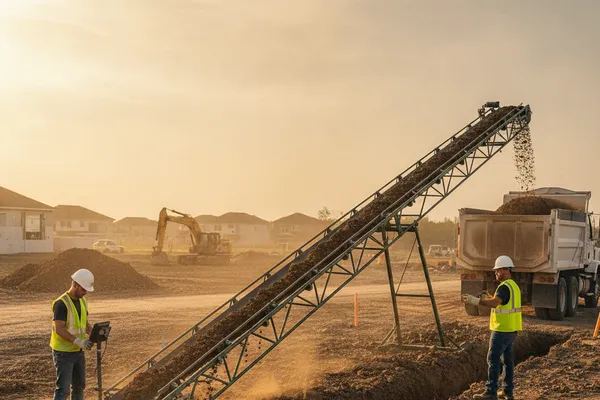
Beyond just picking a tool, a few strategic approaches can make the entire process smoother and more efficient. These tips are born from experience and can save you significant effort.
Prep Your Path
Before you start moving dirt, take a few minutes to clear the path you'll be using. Remove any rocks, branches, tools, or garden hoses that could cause you to trip or impede your movement. This simple step can prevent accidents and make your hauling much faster.
Work with the Landscape
Think about how gravity can work for you. If you're moving dirt downhill, it will be easier. If you're moving uphill, consider breaking the load into smaller, more manageable portions. For long distances, try to find the most direct route that offers the easiest terrain.
Sometimes, a slightly longer, flatter path is far more efficient than a shorter, steeper one.
Common Mistakes to Avoid When Moving Dirt Without a Wheelbarrow
Many people run into trouble when moving dirt manually because they underestimate the weight or overestimate their own strength. Recognizing these common pitfalls can save you a lot of wasted effort and potential injury.
One frequent mistake is overfilling your shovel or bucket. It’s tempting to get as much soil as possible in one go, but this excess weight makes the load unstable and incredibly difficult to manage, often leading to spills. Another common error is not having a clear path ahead; trying to maneuver a heavy load through an obstacle course is a recipe for disaster. Lastly, many gardeners don't consider the soil's moisture content.
Wet dirt is significantly heavier than dry dirt, adding an unexpected burden.
When to Consider Other Options
While the methods discussed are excellent for many situations, there are times when you might need to look beyond manual tools, even without a traditional wheelbarrow. These are typically when the volume of dirt is exceptionally large, the terrain is exceptionally difficult, or your physical limitations prevent manual hauling.
If you're excavating for a major construction project, like building a large foundation or a significant retaining wall, the sheer volume of earth will quickly outpace manual methods. Similarly, extremely steep or very rough terrain might make even a garden cart impractical. In these scenarios, it's wise to consider renting or hiring equipment like a mini-excavator, a skid-steer loader, or professional landscaping services. This is where the economics of time, physical strain, and the scale of the project come into play.