
Figuring out how to store a wheelbarrow effectively is about more than just pushing it into a corner. A well-stored wheelbarrow lasts longer, stays in better condition, and is always ready when you need it for that next big garden or yard project. It’s a simple task, but the right approach makes all the difference.
Our research into common homeowner and contractor feedback indicates that improper storage is a leading cause of premature wear and tear, from rusting steel basins to brittle plastic components. For instance, aggregate user reviews on major retailers frequently mention cracked trays and seized wheel bearings due to exposure or being crammed into tight spaces. Here’s how to keep your heavy-duty yard companion in top shape.
Why Storing Your Wheelbarrow Matters
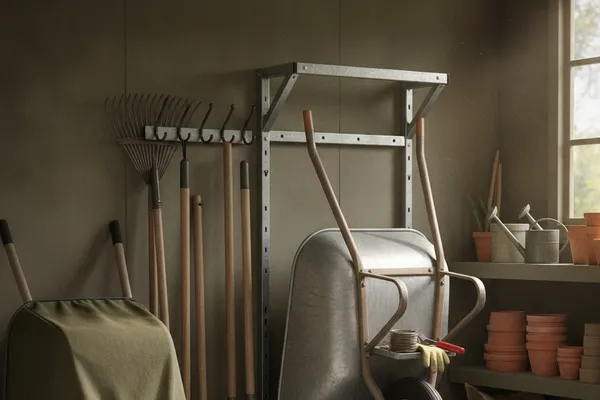
Storing your wheelbarrow correctly isn't just about tidiness; it's a crucial part of its maintenance. When you protect your wheelbarrow from the elements and physical damage, you're directly contributing to its longevity and usability. A well-maintained wheelbarrow, whether it's a sturdy steel model for construction or a lightweight poly basin for gardening, means fewer trips to the store for replacements and more time actually getting work done.
Proper storage shields the material, whether it's steel or plastic, from harsh weather like rain, snow, and intense UV rays. Excessive moisture can lead to rust on metal frames and basins, while prolonged sun exposure can make plastic brittle and prone to cracking. This protection ensures your investment continues to serve you reliably season after season.
The Biggest Wheelbarrow Storage Headaches
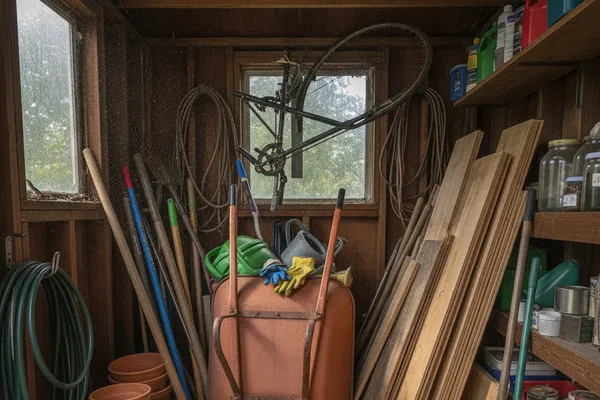
Many of us know the frustration of a wheelbarrow that’s perpetually in the way. The most common storage headaches revolve around space constraints. Garages and sheds are often already packed with tools, mowers, and other equipment, leaving little room for a bulky item like a wheelbarrow. This leads to it being shoved into awkward spots, propped precariously against walls, or even left out in the elements.
Another significant pain point is the damage that can occur when wheelbarrows are stored poorly. Tires can lose air or get flat spots if left under pressure improperly, and abrasive materials can get stuck in the basin or around the wheel mechanism. Worse still, a poorly stored wheelbarrow can become a tripping hazard, potentially causing injuries in a busy workspace.
Quick Win: The Best Way to Store Your Wheelbarrow (If Space is Tight)
When space is at an absolute premium, the go-to method is often leaning it securely against a wall. The key is to angle it properly so the basin is elevated and the handles are resting firmly, preventing it from tipping over. This method works best with single-wheel models, as dual-wheel versions might require a bit more thought to find a stable lean.
For maximum space efficiency and stability, try tilting the wheelbarrow so one of its handles rests flat on the ground, with the basin angled upwards against a sturdy wall. Ensure the tire isn't directly bearing the full weight if it's pneumatic, to avoid flat spots. This simple technique keeps it upright, out of the main traffic areas, and protected from direct ground moisture.
Choosing the Right Spot for Your Wheelbarrow
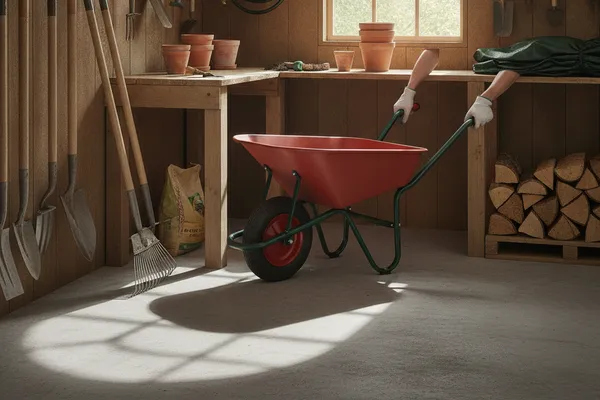
The ideal spot for your wheelbarrow depends on a few factors, primarily your available space and the local climate. If you have access to indoor storage, that's always the preferred option for maximum protection. This includes spaces like garages, sheds, or even a dry basement corner.
Indoors: Garage, Shed, or Basement Options
An indoor location offers the best defense against rust, UV damage, and extreme temperature fluctuations. In a garage, you might have wall space for hooks or shelves. A shed offers more dedicated space but might have less protection from ambient temperature if uninsulated. Basements are usually cool and dry, making them an excellent, often overlooked, storage area.
Outdoors: Safe and Protected Spots
If indoor storage isn't an option, focus on finding a spot outdoors that offers as much protection as possible. This could mean tucking it under a covered patio, a deck overhang, or even a lean-to structure. Placing it on a pallet or a piece of scrap wood can also elevate it from direct ground contact, preventing moisture from seeping into the tires or frame.
Simple Wheelbarrow Storage Methods: A Visual Guide
Visualizing how to stow away your wheelbarrow can make all the difference. These methods aim to keep it stable, out of the way, and protected without requiring elaborate setups. Whether you’re dealing with a small urban yard or a sprawling property, there’s a practical way to store it.
The Lean-To: Best Practices for Stability
Leaning a wheelbarrow against a wall is a common and effective method, especially when you need to save floor space. To do it right, position the wheelbarrow so its handles are angled away from the wall, with one handle resting on the ground. The basin should then be tilted upwards against the wall.
Ensure the ground beneath the tire is firm and level. If you have a pneumatic tire, avoid leaving it in this position indefinitely if the tire is underinflated, as it can develop flat spots. A slight upward angle also helps any residual water drain from the basin.
Hanging Your Wheelbarrow: Wall Mounts and Hoists
For truly optimized space-saving, hanging your wheelbarrow from the wall or ceiling is an excellent solution. Many hardware stores offer specialized wheelbarrow hooks or storage racks designed to hold the basin or the handles securely. These are great for keeping your wheelbarrow off the ground entirely.
If you have a heavier-duty model and want to easily retrieve it, consider a hoist system. These systems use pulleys to lift the wheelbarrow up and out of the way. They are particularly useful if you have limited mobility or a very heavy unit, making access much simpler.
Stacking Smartly: If You Have More Than One
Owning multiple wheelbarrows can be a blessing for big jobs, but they quickly become a storage challenge. If you have identical or similar models, stacking them is a viable option. The general idea is to nest one wheelbarrow into another, often by flipping one upside down over the other or interlocking the basins.
Always ensure the stacked units are stable and won't easily topple. It’s often best to place the heaviest or most robust wheelbarrow on the bottom. Some manufacturers even design their wheelbarrows to stack efficiently, so check your owner’s manual if you have one.
Preparing Your Wheelbarrow for Storage

Before tucking your wheelbarrow away, a little preparation goes a long way to ensure it stays in great shape. Think of it like putting your tools to bed for the night, or even for a longer rest over winter. Doing this simple maintenance now prevents bigger problems later.
This minimal effort can save you a lot of hassle down the road. It's about preserving the materials, preventing rust, and keeping components functioning smoothly. A quick check and clean now means your wheelbarrow will be ready for action the moment you need it again, without any surprises.
Cleaning and Drying the Basin
First things first: clear out any dirt, mud, or debris from the wheelbarrow's basin. You don't want old soil or compost materials to sit and potentially attract pests or hold moisture. A good rinse with a hose and a stiff brush should do the trick for most situations.
After rinsing, make sure the basin dries completely. You can let it air dry or wipe it down with a clean cloth. If you store it while wet, especially if it's metal, you risk accelerating rust. For plastic bins, moisture can still lead to mold or mildew buildup.
Tire Care: What to Do Before You Store It
The tire is a critical component that often gets overlooked during storage. If you have pneumatic (air-filled) tires, check the air pressure. For long-term storage, it’s often recommended to inflate them to the manufacturer’s recommended pressure listed on the tire sidewall.
Some experts suggest slightly over-inflating pneumatic tires for storage to help prevent flat spots from forming if the wheelbarrow sits in one position for months. Alternatively, if practical, you can store the wheelbarrow in a way that lifts most of the weight off the tire, minimizing pressure. For solid rubber tires, less maintenance is usually needed, but a quick check for embedded debris is still a good idea.
Quick Inspection for Damage
This is your chance to catch any small issues before they become big problems. While cleaning, visually inspect the entire wheelbarrow. Look for any signs of rust on the frame or basin, especially at welds or seams. Check the handles for cracks or splinters, and examine the wheel and axle for any wobbles or damage.
If you spot rust, you might consider a light sanding and a coat of rust-inhibiting paint or primer on affected areas. For any cracks or significant damage, it might be time to consider repairs or replacement. Catching these minor issues early can prevent the need for a full replacement later on.
Storing Different Wheelbarrow Types
Not all wheelbarrows are created equal, and their materials dictate slightly different storage needs. Understanding these differences can help you tailor your approach for the best long-term care, whether you have a classic steel model or a modern poly basin.
Storing Plastic Wheelbarrows
Plastic or poly wheelbarrows are generally more resistant to rust and corrosion, which is a big advantage. However, prolonged exposure to direct sunlight can degrade the plastic over time, making it brittle and susceptible to cracking. Therefore, storing plastic wheelbarrows in a shaded area or indoors is highly recommended.
Avoid storing them where heavy items might be placed on top of the basin, as this can cause deformation or cracking. If stacking, ensure it’s done carefully, nesting the basins or handles without undue pressure on any single point of the plastic.
Storing Steel Wheelbarrows
Steel wheelbarrows are robust, but their biggest enemy is rust. This is why keeping them dry and protected from moisture is paramount. After cleaning and drying, if you notice any surface rust, it's a good idea to address it.
A quick fix for minor rust spots is to lightly sand the area and apply a thin coat of rust-inhibiting primer or a touch-up paint. For heavily rusted areas, more intensive restoration might be necessary. If your steel wheelbarrow has wooden handles, check them for splinters or rot, and consider a light sanding and application of a wood sealant or linseed oil to protect them.
Avoiding Common Wheelbarrow Storage Mistakes
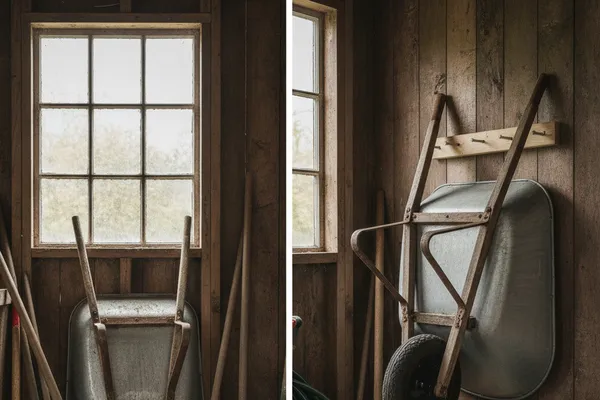
Even with the best intentions, it's easy to fall into storage habits that shorten your wheelbarrow's life. Recognizing these common pitfalls can help you bypass them and keep your tool in prime condition for years to come. Most mistakes stem from a lack of awareness about how different conditions affect the materials.
One of the most frequent errors is simply leaving the wheelbarrow outdoors without any protection. While some models are built for durability, constant exposure to sun, rain, and snow will eventually take their toll on both the basin and the frame. Another mistake is cramming it into a too-small space, leading to dents, scratches, or warped components.
Is leaving my wheelbarrow outside okay?
For short periods, yes, but it's far from ideal for long-term storage. When left outside, your wheelbarrow is exposed to several damaging elements. Sunlight can degrade plastic, making it brittle, while moisture can cause steel frames to rust.
Consider a tarp for temporary outdoor coverage, but even this can trap moisture underneath. If possible, position it under an overhang or a sturdy deck to offer some natural shelter. Think of it as leaving a car parked in the open versus parked in a garage; the latter always offers superior protection.
Can I store a wheelbarrow on its side?
Storing a wheelbarrow on its side can be an effective space-saving technique, especially if you have limited floor space. However, it's crucial to do it correctly. When placed on its side, ensure the basin is angled slightly downwards so any trapped water can drain out.
If you have a pneumatic tire, resting the side of the tire against a wall can help stabilize it. Be mindful of the handle material; if they are wood, ensure they aren't pressing hard against a rough surface, which could cause damage over time. This method works well in many sheds or garages where floor space is a premium.
What happens if I store it with a flat tire?
Storing a wheelbarrow with a flat or significantly under-inflated pneumatic tire can lead to a permanent flat spot on the tire. This makes the tire less effective and can even cause it to become misshapen. Over time, this can lead to uneven wear, reduced performance, and a shorter tire lifespan.
If you find a flat spot has developed, you might be able to reinflate the tire and leave it under pressure for a few days to help it regain its shape. However, this isn't always successful, and a permanently deformed tire may need to be replaced. Regularly checking tire pressure and maintaining proper inflation, even for storage, helps prevent this.
Making the Most of Your Stored Wheelbarrow
Once your wheelbarrow is tucked away, there are a couple of extra steps you can take to ensure it remains in the best possible condition and is ready to go when you are. These aren’t complicated, but they do enhance the benefits of proper storage.
Quick Access Tips
For frequently used wheelbarrows, consider where you store them relative to your gardening or project areas. If you can, place it closer to the door of your shed or garage. This reduces the effort needed to pull it out for use, making it more likely you'll grab it for smaller, quick tasks rather than resorting to carrying materials by hand.
If you store it on a wall mount, ensure the mounting hardware is robust and securely fastened. For instance, many heavy-duty gardening tools are best hung using reinforced steel hooks attached to wall studs, according to general home improvement best practices. This prevents accidental dislodging.
Protecting it from Pests
Pests can sometimes find a wheelbarrow an appealing place to nest, especially if it’s stored outdoors or in a less frequently accessed area of a shed. Tires, in particular, can become home to insects or rodents. To deter them, ensure the wheelbarrow is clean and free of food debris.
If you're particularly concerned, consider covering the wheelbarrow with a breathable tarp or fabric cover. Avoid plastic sheeting that completely seals it, as this can trap moisture and create an environment conducive to mold and mildew. A loosely secured cover allows for some air circulation while still keeping pests out.