
There’s a moment when you’re mid-task, perhaps wrestling a load of soil through a narrow garden gate, when you ask yourself: "how wide is a wheelbarrow, and does it actually matter?" The width dimension is more than just a number; it’s a critical factor in how well your wheelbarrow will perform in real-world scenarios, from tight corners to open yards.
To give you a quick idea, most standard wheelbarrows have a trough width that falls between 20 and 30 inches, with overall widths often reaching 36 inches. This range is a result of balancing load capacity with maneuverability. Understanding these measurements helps you avoid frustrating situations where your trusty tool won't fit where you need it to go.
How Wide is a Wheelbarrow, Anyway?
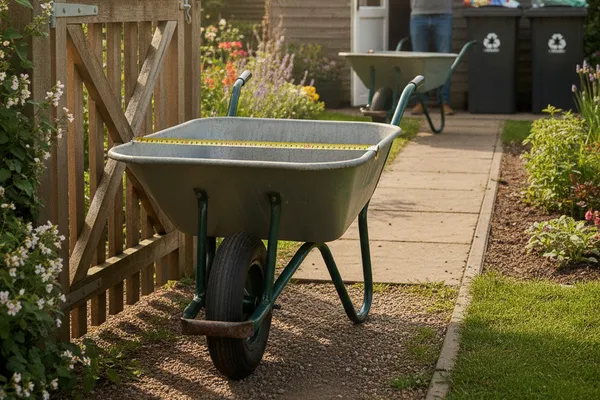
Wheelbarrow width is usually discussed in two main ways: the width of the actual trough where you put your materials, and the overall width from the edge of one handle to the other. Think of the trough width as the usable carrying space, while the overall width tells you the maximum space the entire machine will occupy as you push it. This distinction is key because sometimes the trough might be a manageable size, but the handles stick out further, creating a new obstacle.
Trough Width vs. Overall Width
When you're looking at wheelbarrow specs, you'll find numbers for both the trough and the total unit. The trough width is typically where the real workhorse dimensions lie, dictating how much you can pile in side-to-side. For instance, a wider trough might hold more mulch, but it’s also more likely to scrape against fence posts or doorway frames.
Beyond Width: Key Dimensions to Check
While width is crucial, it’s not the only measurement that defines a wheelbarrow’s usefulness. Depth and length also play a significant role in its carrying capacity and how easy it is to load and unload. Don't forget to consider the wheel diameter too; a larger wheel can often handle rougher terrain more smoothly, which might indirectly affect how you perceive its overall footprint.
What’s the Real Deal on Wheelbarrow Width?
The width of a wheelbarrow isn't just about fitting through the gate; it directly impacts stability and how much weight you can comfortably manage. A wider base generally means more stability, especially when you're hauling heavy materials like wet concrete or large rocks. However, this gain in stability can come at the cost of maneuverability in tighter spaces.
Measuring Your Wheelbarrow: What Numbers Matter
Understanding the different measurements associated with a wheelbarrow's width is vital for making an informed purchase. It’s easy to get caught up in just one number, but when you're actually out in the yard or on a job site, all these dimensions interact.
Trough Width vs. Overall Width
The trough width typically ranges from about 20 inches for smaller, more maneuverable models to over 30 inches for larger, heavy-duty contractor versions. The overall width, which includes the handles, can be anywhere from 24 to over 36 inches. This is why checking both is so important; a model with a 25-inch trough and 30-inch overall width will feel much different than one with a 28-inch trough and 36-inch overall width when trying to fit through a standard garden gate, which is often around 30, 36 inches wide.
Beyond Width: Key Dimensions to Check
Besides width, depth is critical for volume. A deeper trough can hold more material, but it also means you’ll be lifting heavier loads higher. Length impacts how balanced the load sits. For rough terrain, wheel diameter matters; a 16-inch pneumatic tire is designed for better shock absorption than a smaller solid wheel.
Always consider the total load capacity, too, as stated by the manufacturer; this number often ranges from 150 to 400 pounds for many common models.
Why Wheelbarrow Width Actually Matters for You

The width of your wheelbarrow directly influences how smoothly your tasks get done. If you've ever struggled to push a wide wheelbarrow through a narrow gap, you know exactly what we mean. It’s about avoiding frustration and saving time, which is why selecting the right dimensions for your needs is essential.
Navigating Tight Spots: Gates, Paths, and Sheds
This is where wheelbarrow width makes a huge difference. A common garden gate might be 30 inches wide. If your wheelbarrow’s overall width exceeds this, you'll need to unload and reload or find an alternative route. This is a particular concern for homeowners with smaller yards, urban gardeners, or anyone working in established landscapes with tight pathways.
Stability and Load Balance
Wider wheelbarrows tend to offer better stability. Imagine a pyramid versus a tall, skinny tower; the wider base is far less likely to tip over. This is especially important when you're carrying heavy, unbalanced loads like unevenly distributed gravel or a pile of wet soil. A stable wheelbarrow makes for a safer and less strenuous experience, preventing spills and potential injuries.
Finding the Right Width for Your Tasks
Choosing the right wheelbarrow width boils down to what you’ll be hauling and where you’ll be doing it. There's no single "best" width; it all depends on your specific situation and how you plan to use the tool.
Wheelbarrows for Gardening and Yard Work
For typical gardening tasks like moving mulch, compost, or bags of soil, a medium-width wheelbarrow, around 24 to 28 inches overall, is often ideal. This width provides enough capacity for most home-garden needs while still being manageable through standard garden gates and pathways. You want something that can handle a decent load without becoming a cumbersome obstacle.
Wheelbarrows for Construction and Heavy Hauling
If you're involved in construction or significant landscaping projects, you’ll likely need a wider, sturdier wheelbarrow. These models, often featuring double wheels for extra support, can have trough widths well over 30 inches and overall widths exceeding 36 inches. They’re designed for hauling heavy, bulky materials like cement, bricks, or large amounts of debris, and are best suited for open job sites where tight maneuverability isn't a primary concern.
Wheelbarrows for Tight Spaces
For smaller yards, greenhouses, or situations where you must navigate very narrow passages, a narrower, single-wheeled model is your best bet. These can sometimes be as narrow as 20 inches overall, allowing them to squeeze through gaps that wider models simply cannot. While they might carry less per load, their ability to access difficult areas makes them invaluable for specific jobs.
Are There Standard Wheelbarrow Widths?
While there isn't a single, universally mandated "standard" width that every manufacturer adheres to, the market has settled into a few common dimensions that prove practical for many users. These aren't official standards like those from the American Society of Mechanical Engineers (ASME), but rather industry norms developed over years of user feedback and manufacturing. You’ll often see a general consensus appearing in product listings and reviews, reflecting what works best for the majority of common tasks.
Most single-wheel contractor-style wheelbarrows, a very popular type for general yard and light construction, tend to have an overall width between 24 and 30 inches. Their trough widths often fall into a similar range, perhaps slightly less. This sweet spot balances the need to carry a decent load with the necessity of fitting through typical garden gates or double doors.
When to Consider a Wider Wheelbarrow

Opting for a wider wheelbarrow, say one with an overall width pushing 36 inches or more, makes sense if your primary concern is maximizing hauling capacity and you have plenty of open space to work. These are often the heavy-duty, contractor-grade models, sometimes featuring multiple wheels for enhanced stability. If you’re frequently moving large volumes of material like gravel, soil, or landscaping stones across wide driveways or expansive construction sites, this extra width can save you time and trips.
Think about the job: landscaping a large backyard, hauling lumber for a DIY project, or clearing a site after a major storm. In these scenarios, a wider profile, often paired with a larger trough depth and capacity (some can hold 10 cubic feet or more), becomes a significant advantage. Just be absolutely sure you have the clearance to maneuver it.
When a Narrower Wheelbarrow is Better
If your workspace is less expansive or characterized by tight clearances, a narrower wheelbarrow is a lifesaver. We're talking about models with overall widths that can dip below 24 inches, sometimes even down to 20 inches. These are typically single-wheeled designs, which allow for easier turning on the spot and navigation through confined areas.
Consider scenarios like moving materials within a dense garden, working in a backyard with narrow side paths, or transporting items through a greenhouse. Homeowners with smaller properties, or those who frequently work around delicate landscaping features, will find a narrower wheelbarrow much more practical. It reduces the risk of accidental damage to plants or property, making your work safer and less stressful.
Beyond Width: Other Important Wheelbarrow Features
While we've focused a lot on width, it's important to remember that a wheelbarrow's performance depends on a blend of features. Width is a key puzzle piece, but it doesn't tell the whole story of how well a tool will serve you.
- Trough Depth and Capacity: This dictates how much material you can carry. A deeper trough means higher load limits, but also a higher lift point for unloading. Manufacturers often rate capacity in cubic feet (cubic ft), with common ranges from 4 to 10 cubic ft.
- Number of Wheels: Single-wheel models offer superior maneuverability for tight turns, while two-wheel or four-wheel designs provide much greater stability, especially with heavy loads.
- Material: Polypropylene troughs are lighter and won't rust, which is great for general yard work. Steel troughs are more durable for heavy construction but can rust if not maintained.
- Handles: Ergonomic, padded handles reduce strain on your hands and wrists. Loop handles allow for single-handed pushing, while traditional y-handles offer better leverage.
Common Wheelbarrow Width Mistakes to Avoid
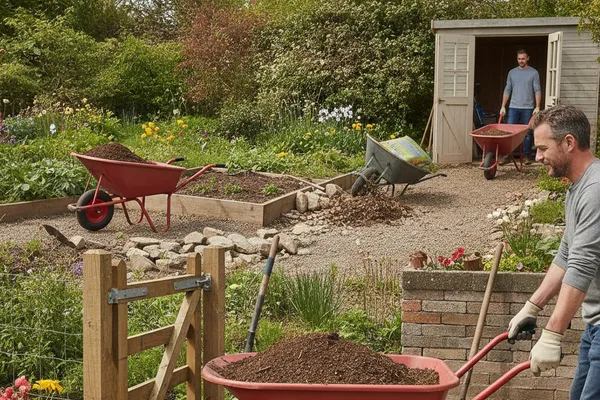
One of the most common mistakes we see in user feedback is overlooking the overall width for tasks involving gates or doorways. People often focus only on the trough size that fits their materials, only to find their new wheelbarrow won't actually get to the job. Always measure your pathways, gates, and storage areas before you buy.
Another pitfall is assuming a wider wheelbarrow is always more stable. While generally true, a poorly designed wider wheelbarrow with a high center of gravity can still be tippy. Conversely, a well-balanced single-wheel model can be quite stable if loaded correctly. It's the combination of width, trough design, and wheel placement that truly dictates stability.
Beyond Width: Other Important Wheelbarrow Features
While we've focused a lot on width, it's important to remember that a wheelbarrow's performance depends on a blend of features. Width is a key puzzle piece, but it doesn't tell the whole story of how well a tool will serve you. Many users find that neglecting other aspects leads to frustration, even with the perfect width.
- Trough Depth and Capacity: This dictates how much material you can carry. A deeper trough means higher load limits, but also a higher lift point for unloading. Manufacturers often rate capacity in cubic feet (cubic ft), with common ranges from 4 to 10 cubic ft. You'll see models rated for 6 cubic ft, for instance.
- Number of Wheels: Single-wheel models offer superior maneuverability for tight turns, which is essential for narrow paths. Two-wheel or four-wheel designs provide much greater stability, especially with heavy loads, reducing the risk of tipping.
- Material: Polypropylene troughs are lighter and won't rust, which is great for general yard work and gardeners. Steel troughs are more durable for heavy construction but can rust if not properly maintained, requiring attention like rust prevention.
- Handles: Ergonomic, padded handles reduce strain on your hands and wrists. Loop handles allow for single-handed pushing and better control in tight spots, while traditional y-handles offer more leverage for lifting.
Common Wheelbarrow Width Mistakes to Avoid
One of the most common mistakes we see in user feedback is overlooking the overall width in relation to gates or doorways. People often focus only on the trough size that fits their materials, only to find their new wheelbarrow won't actually get to the job. Always measure your pathways, gates, and storage areas before you buy.
Another pitfall is assuming a wider wheelbarrow is always more stable. While generally true, a poorly designed wider wheelbarrow with a high center of gravity can still be tippy. Conversely, a well-balanced single-wheel model can be quite stable if loaded correctly. It's the combination of width, trough design, and wheel placement that truly dictates stability.
Wheelbarrow Alternatives for Different Needs
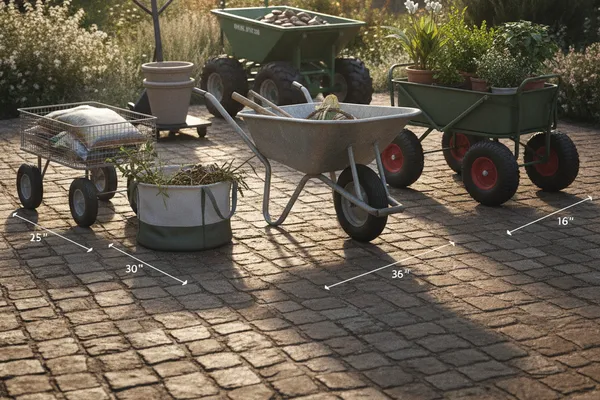
Sometimes, a traditional wheelbarrow, no matter its width, isn't the perfect fit for your needs. Exploring alternatives can unlock more efficient ways to move materials around your property, especially for specific types of work or users.
When a Garden Cart Might Be a Better Fit
A garden cart, often a four-wheeled affair, offers a different kind of stability and maneuverability compared to a wheelbarrow. These typically have a lower center of gravity and don't require the same balancing act as a single-wheeled unit. They excel at hauling bulky, lighter items like bags of potting soil or flats of plants across relatively flat surfaces.
While a garden cart might have a comparable trough width in some cases, its core advantage is ease of use for those who find wheelbarrows difficult to manage. They can be easier to push and steer, especially for longer distances or for individuals with back issues. However, they lack the tipping function for quick unloading that wheelbarrows offer and can struggle on uneven terrain.
Common Wheelbarrow Width Mistakes to Avoid
One of the most common mistakes we see in user feedback is overlooking the overall width in relation to gates or doorways. People often focus only on the trough size that fits their materials, only to find their new wheelbarrow won't actually get to the job. Always measure your pathways, gates, and storage areas before you buy.
Another pitfall is assuming a wider wheelbarrow is always more stable. While generally true, a poorly designed wider wheelbarrow with a high center of gravity can still be tippy. Conversely, a well-balanced single-wheel model can be quite stable if loaded correctly. It's the combination of width, trough design, and wheel placement that truly dictates stability.
Wheelbarrow Alternatives for Different Needs
Sometimes, a traditional wheelbarrow, no matter its width, isn't the perfect fit for your needs. Exploring alternatives can unlock more efficient ways to move materials around your property, especially for specific types of work or users.
When a Garden Cart Might Be a Better Fit
A garden cart, often a four-wheeled affair, offers a different kind of stability and maneuverability compared to a wheelbarrow. These typically have a lower center of gravity and don't require the same balancing act as a single-wheeled unit. They excel at hauling bulky, lighter items like bags of potting soil or flats of plants across relatively flat surfaces.
While a garden cart might have a comparable trough width in some cases, its core advantage is ease of use for those who find wheelbarrows difficult to manage. They can be easier to push and steer, especially for longer distances or for individuals with back issues. However, they lack the tipping function for quick unloading that wheelbarrows offer and can struggle on uneven terrain.