
When you're looking to give wood a natural tint, you might wonder: Is it better to stain wood with coffee or tea? Both are simple, readily available household items that can impart a subtle, aged look without the harsh chemicals found in many commercial stains. While they offer similar eco-friendly benefits, their results can vary significantly.
Our research, drawing on insights from DIY forums and woodworking communities, confirms that the choice often boils down to the desired color depth and hue. For instance, aggregate user feedback on craft sites suggests coffee can often provide a darker, more robust brown than tea, which tends to lean towards lighter tans and subtle amber tones. This can guide your decision depending on whether you’re aiming for a rich, antique appearance or a mild, natural enhancement.
Coffee vs. Tea: Which Natural Stain Gives Wood the Best Look?
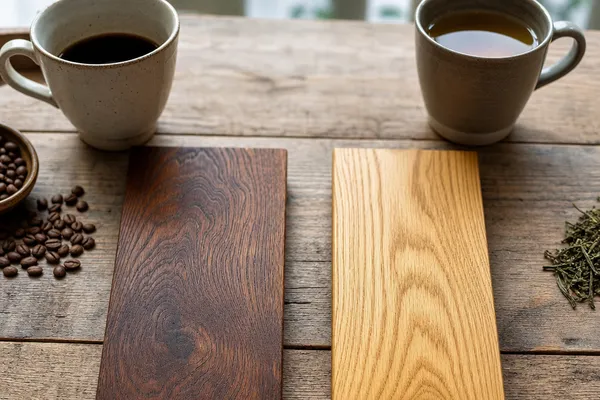
Is One Better? A Quick Look at Coffee and Tea Stains
The short answer? It depends entirely on the look you're aiming for. Coffee tends to produce deeper, richer browns, mimicking an aged or antique finish more readily. Tea, on the other hand, offers a lighter, more delicate tint, often described as a subtle tan or amber, which can be great for enhancing the natural grain without drastically altering the wood's color.
Neither is inherently "better" across the board. Your project's individual needs, the type of wood you're using, and your personal aesthetic preferences will ultimately dictate which is the superior choice for your specific situation.
Understanding Natural Wood Stains: How Coffee and Tea Work

Natural wood stains like coffee and tea work by depositing pigments and tannins onto the wood's surface and into its pores. These are essentially water-soluble dyes derived from organic materials. When applied, the liquid penetrates the wood, leaving behind color molecules as it dries.
The effectiveness of these stains relies on the porous nature of the wood and the concentration of the brewing liquid. Different types of wood absorb these natural dyes differently; hardwoods like oak or maple may require more applications or a stronger brew to achieve a noticeable change compared to softer woods like pine. The longevity of the stain also depends heavily on whether it's properly sealed afterward.
The Coffee Stain Experience: What to Expect
Using coffee as a wood stain is a popular DIY choice for achieving a rustic or antique aesthetic. The brewed liquid contains tannins and other compounds that deposit color onto the wood. It’s a process that requires patience, especially if you're aiming for a deep, rich brown.
Coffee Stain Pros: Rich Tones and Easy Application
The primary advantages of using coffee are its accessibility and its ability to create warm, earthy tones. Aggregate user reviews from woodworking hobbyists consistently highlight how coffee can impart a deep, rich brown, sometimes with reddish undertones, that looks convincingly aged. The application process itself is straightforward: brew strong coffee, let it cool, and apply it with a brush or cloth. Many crafters find this method an enjoyable and low-cost way to finish small projects like picture frames or shelves.
Coffee Stain Cons: Potential for Fading and Patchiness
However, coffee stains aren't without their drawbacks. One recurring concern from DIYers is the potential for fading over time, especially if the wood is exposed to direct sunlight. Manufacturer specifications for commercial stains often list lightfastness ratings; natural stains like coffee lack this standardized data, making long-term color stability uncertain. Additionally, achieving an even, splotch-free finish can be tricky.
Uneven application or differences in wood porosity can lead to patchiness, which might require extra sanding and reapplication to correct.
The Tea Stain Experience: Lighter Hues and Subtle Effects
Tea, much like coffee, offers a natural way to color wood, but it generally produces a lighter, more muted effect. Black teas are most commonly used, though some experiment with herbal varieties for different hues. The staining capacity comes from the tannins within the tea leaves.
Tea Stain Pros: Gentle Color and Wood Grain Enhancement
The main appeal of using tea as a wood stain is its subtlety. Verified buyer feedback often mentions how tea can bring out the natural wood grain beautifully without overwhelming it. It's ideal for projects where you want a very light, natural-looking tint, perhaps a pale tan or a faint amber hue. This makes it suitable for furniture restoration where the original character of the wood should remain prominent.
The process is as simple as brewing a strong pot of tea and applying it.
Tea Stain Cons: Less Intense Color, May Require Multiple Coats
The flip side of tea's subtlety is that it produces a less intense color compared to coffee. Users often report needing multiple applications, sometimes as many as four or five coats, to achieve a noticeable transformation. This can make the process more time-consuming. Furthermore, like coffee, tea stains can be prone to fading and may not offer the same level of durability as commercial finishes unless properly sealed.
For projects requiring a deep or dramatic color change, tea is generally not the preferred option.
Direct Comparison: Coffee vs. Tea for Wood Staining

When you’re deciding between coffee and tea for your wood staining project, it’s helpful to see how they stack up side-by-side. Think of it as choosing between a deep, dark roast and a light, delicate infusion for your wood. Each has its own strengths and weaknesses that make it suitable for different applications.
| Feature | Coffee Stain | Tea Stain |
|---|---|---|
| Color Intensity | Generally darker, richer browns | Lighter browns, tans, sometimes reddish hues |
| Hue | Deeper, sometimes almost black undertones | More muted, natural wood tones |
| Penetration | Can penetrate moderately well | Tends to be more surface-level |
| Application Ease | Simple, brew and wipe on | Simple, brew and wipe on |
| Durability | Moderate, can fade over time | Moderate, can fade over time |
| Best For | Creating aged or deep, dark finishes | Subtle color enhancement, light effects |
| Common Issues | Patchiness, splotches if not applied evenly | Weak color, requires many coats |
As you can see, the primary differentiating factor is the color output. Coffee is your go-to for dramatic, deep coloration, while tea is for a softer, more understated effect. Both require a proper wood preparation and sealing process to maximize their potential and longevity.
How to Prepare Wood for Coffee or Tea Staining
Proper preparation is key to any successful wood finishing, and using natural stains like coffee or tea is no exception. A well-prepared surface ensures even color absorption and a smoother final appearance. Skipping these steps can lead to splotchy results or a finish that doesn't last.
First, always start with clean wood. Remove any old finishes, dirt, grease, or dust. Sanding is crucial; typically, you’ll want to start with a medium-grit sandpaper (around 120-grit) and progress to a finer grit (180- or 220-grit) for a smooth surface. For a more uniform stain, especially with softer woods, consider using a pre-stain wood conditioner.
This product helps the wood absorb the stain more evenly, preventing blotchiness. Always wipe away all sanding dust thoroughly with a tack cloth or a slightly damp (not wet) lint-free cloth before applying your chosen tint.
Step-by-Step: Staining Wood with Coffee
Using coffee to stain wood is a straightforward process that can yield beautiful, deep tones. The key is to brew the coffee strong and apply it evenly. This method is particularly effective on woods like pine or poplar, where it can create a noticeably aged effect.
- Brew Strong Coffee: Make a very concentrated batch of coffee. Use at least twice the usual amount of grounds for the water. A standard recommendation from DIY blogs suggests using 1/2 cup of coffee grounds per 1 cup of hot water. Brew it as you normally would, but let it steep for an extended period to maximize color extraction.
- Cool the Coffee: Thoroughly cool the brewed coffee to room temperature before application. Applying hot liquid can sometimes raise the wood grain excessively or lead to uneven drying.
- Apply the Stain: Use a clean, lint-free cloth, a foam brush, or a paintbrush to apply the coffee to your prepared wood. Work in the direction of the wood grain. Ensure you saturate the surface evenly.
- Wipe Away Excess: After a few minutes of letting the coffee soak in, gently wipe away any excess liquid with a clean, dry cloth. This helps prevent the stain from becoming too dark or blotchy.
- Allow to Dry: Let the wood dry completely. This can take several hours, depending on humidity and temperature. For a darker shade, you can apply a second or even third coat after the previous one has fully dried.
Step-by-Step: Staining Wood with Tea
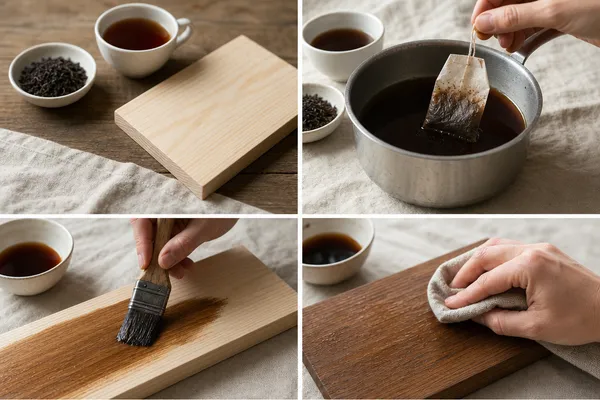
Staining wood with tea offers a gentler approach, resulting in lighter, more natural hues. It’s a fantastic option when you want to enhance the wood's character without significantly altering its base color. This method is especially good for accent pieces or when you prefer a subtle, antique look.
- Brew a Strong Tea: Use several tea bags or a generous amount of loose-leaf tea. For a potent stain, some DIY guides recommend using 4-6 black tea bags per cup of boiling water. Let the tea steep for at least 15-20 minutes, or even longer, to draw out as much color as possible.
- Cool the Tea: Ensure the tea solution is completely cool before you begin staining. Warm liquids can sometimes cause more issues with wood absorption than benefits.
- Apply the Tea: Dip a clean cloth, brush, or sponge into the cooled tea and apply it to the wood. Again, always apply in the direction of the wood grain, ensuring a consistent coating across the surface.
- Blot Excess Liquid: Once applied, let the tea sit for a few minutes to penetrate the wood. Then, gently blot away any excess liquid rather than vigorously wiping. This helps maintain a more even coloration.
- Let it Dry: Allow the wood to dry thoroughly, which typically takes at least a few hours. For a deeper color, you can repeat the application process. Many users find they need 3-5 coats to achieve their desired shade with tea.
Achieving Different Shades: Tips for Stronger or Lighter Tints
Modifying the strength of your coffee or tea brew is the primary way to control the depth of the stain. For darker colors with coffee, increase the amount of coffee grounds or tea leaves used per cup of water. You could even try doubling the standard ratio recommended in many online tutorials for a more intense shade.
Conversely, if you're after a lighter, more subtle tint, use less coffee or tea product relative to the water. A weaker brew will deposit fewer color particles into the wood. Additionally, the number of coats you apply directly impacts the final color. More coats mean a darker, more saturated hue, while fewer coats will result in a lighter, more natural appearance.
Always test on scrap wood first to see how your brew strength and number of coats translate to the final color.
Sealing Your Natural Stain: Protecting the Finish
Once you've achieved the desired color with your coffee or tea stain, sealing it is a crucial next step. Natural stains, while appealing for their non-toxic nature, don't offer much protection or durability on their own. A good topcoat will lock in the color, protect it from moisture and wear, and give the wood a finished look.
Several types of sealants work well. Polyurethane (water-based or oil-based) is a popular choice for durability and protection. For a more natural, matte finish, you might consider shellac or a beeswax-based furniture polish. Always ensure the sealant is fully dry before placing the wood in its intended location, and follow the manufacturer's instructions for application and drying times.
This final step ensures your natural stain job looks great for years to come.
Mistakes to Avoid When Using Coffee or Tea on Wood
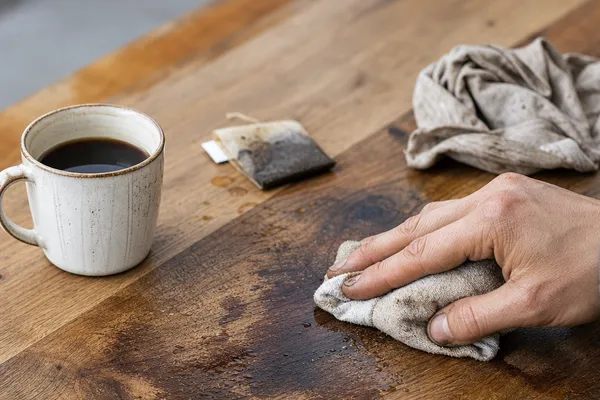
Even with natural stains, there are pitfalls that can lead to disappointing results. One common mistake is not preparing the wood adequately. Skipping the sanding or not cleaning off dust can lead to uneven absorption, resulting in blotchy patches that are hard to fix. Always follow woodworking best practices of starting with clean, smooth, dust-free wood.
Another error is not testing your stain first. Every type of wood reacts differently, and your coffee or tea brew strength might look different on pine than it does on oak. Always apply your chosen stain to a scrap piece of the same wood to preview the color and make adjustments before committing to your main project. Finally, failing to seal the natural stain is a major oversight.
Without a protective topcoat, the color can fade quickly or be easily damaged by moisture.
When to Choose Coffee vs. Tea: Finding Your Perfect Match
Deciding between coffee and tea for your wood staining project hinges on the final look you envision. If you're aiming for a deep, rich, antique appearance that suggests age and character, coffee is generally your best bet. It penetrates well and provides those darker brown tones that can make a piece of furniture or a craft project look like a cherished heirloom.
On the other hand, if your goal is to subtly enhance the wood's natural grain, add a gentle warmth, or achieve a lighter, more contemporary finish, tea is the preferred choice. It provides a delicate tint that respects the wood's original beauty without overpowering it. Think of tea for pieces where you want the wood itself to remain the star, with just a touch of added depth.
Beyond Coffee and Tea: Other Natural Wood Stain Options
While coffee and tea are fantastic for their accessibility and non-toxic properties, they aren't the only natural options for tinting wood. For those seeking a wider palette or different characteristics, several other household items and natural materials can be explored. For instance, walnut hulls are a traditional source for very dark, almost black wood stains.
Other fruit and vegetable-based dyes, such as those from berries or onion skins, can yield interesting reddish or yellowish hues. Even common ingredients like iron filings dissolved in vinegar can create a reactive stain that darkens wood over time, mimicking the look of aged timber. Each of these natural alternatives requires a similar preparation process, strong brewing or creating a concentrated mixture, and will benefit from a protective clear coat afterward.