
Wisteria is a showstopper, but when it gets out of control, you might seek quick fixes like killing wisteria with salt. It's a method that's been around, but our research shows it comes with significant risks you need to understand. While salt can kill plants by dehydrating them and making the soil inhospitable, modern landscaping and horticultural practices strongly advise against it due to its long-term environmental impact.
Using salt isn't a straightforward solution; it can harm surrounding plants, disrupt soil health for years, and even damage structures. For instance, according to aggregate agricultural research, soil salinity levels above 1,500 parts per million (ppm) can prevent most sensitive plants from growing, and salt buildup can take years to resolve, impacting your garden’s future. Understanding these broader implications is key before you consider this drastic measure.
Quick Answer
Killing wisteria with salt is generally not recommended due to severe risks. Salt dehydrates plants but also sterilizes soil for years. This can kill nearby vegetation and damage structures.
Safer, more effective methods exist.
Is Salt Your Best Bet for Killing Wisteria?
Let's be upfront: salt is a powerful desiccant, meaning it draws water out of living things. Applied directly to a wisteria stump or its roots, it can indeed kill the plant. However, this method is akin to using the "nuclear option" in your garden.
It doesn't discriminate.
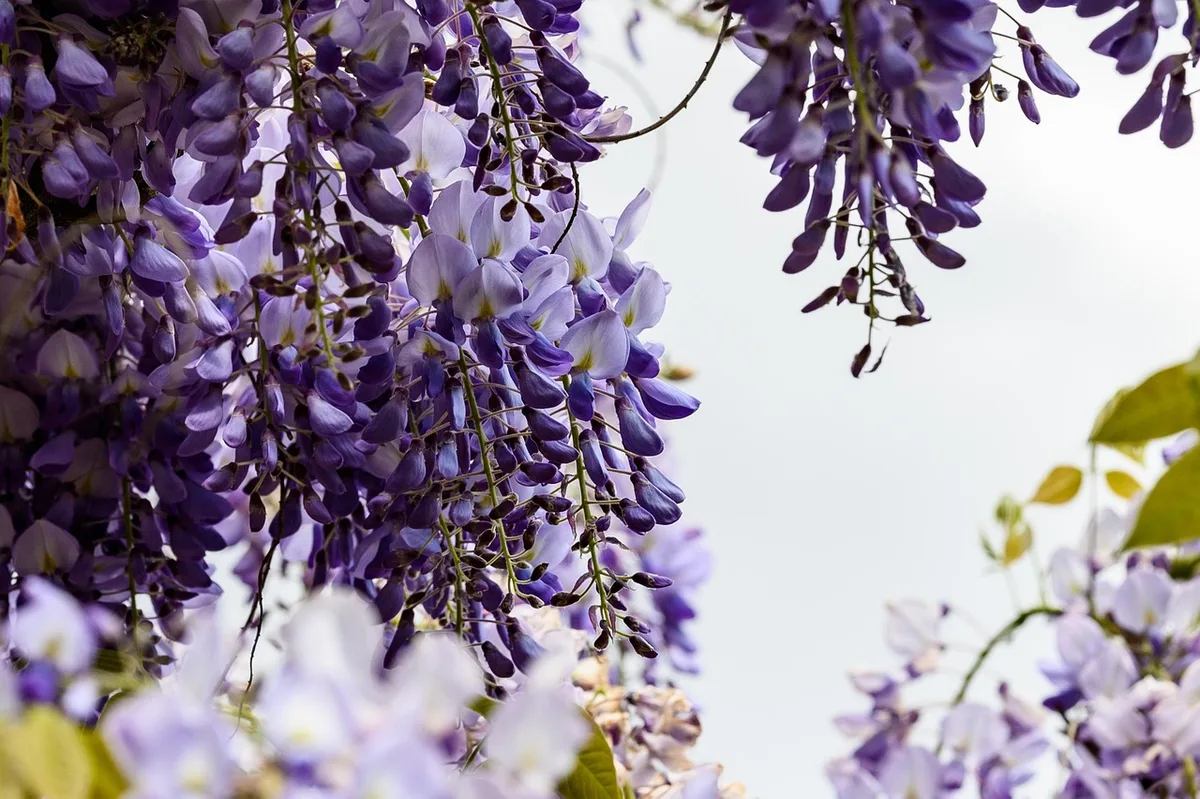
The problem isn't just killing the wisteria itself. Salt doesn't stay put. Rain or irrigation can wash it into the surrounding soil, damaging or killing any desirable plants nearby.
It can also leach into waterways, affecting aquatic life, or be absorbed by permeable materials like concrete or wood, leading to long-term structural degradation.
Understanding How Salt Affects Wisteria (and Your Garden)
When salt enters the environment, it changes the physical and chemical properties of the soil. Plants absorb water and nutrients through their roots. Salt interferes with this process by increasing the osmotic pressure outside the plant’s roots, making it harder for the plant to draw in water.
In high concentrations, it essentially dehydrates the plant from the inside out.

But the effect goes deeper than just the immediate plant. Soil contaminated with excessive salt can remain infertile for a long time. Aggregates of soil particles can break down, leading to poor soil structure, reduced aeration, and increased erosion.
This makes it difficult for new plants to establish, effectively creating a plant-free zone that can persist for years.
Why Salt Isn't a Simple Fix for Wisteria
The appeal of salt is its perceived simplicity and accessibility. It's a common household item, and the idea of "just pouring it on" sounds easy. However, in our research, we found this approach rarely accounts for the widespread damage it can cause.
The primary drawback is its lack of specificity. Wisteria has an extensive root system that can spread far beyond what's visible. Applying salt indiscriminately can affect neighboring shrubs, flower beds, or even tree roots that are decades old.
It’s a crude tool for a nuanced job.
The Real Risks of Using Salt on Wisteria
Think about any time you've seen salt damage on the roadside during winter, cars rusting, concrete spalling. That’s the same principle at play in your garden.
- Soil Sterilization: Salt makes the soil uninhabitable for most plant life. This isn't something that washes away quickly; it can take months or even years for soil to recover its fertility.
- Collateral Damage to Desired Plants: Nearby flowers, shrubs, vegetables, or even the lawn can be severely harmed or killed if salt runoff reaches their root zones. This could undo any landscaping efforts you've made.
- Structural Degradation: Salt is corrosive. It can damage concrete foundations, brickwork, patios, and wooden decks over time, leading to costly repairs.
- Waterway Contamination: If the salt washes into storm drains or surface water, it can harm aquatic ecosystems.
Weighing the Salt Option: When is it Ever Considered?
Given the significant downsides, using salt to kill wisteria is a practice we typically see people only consider as a last resort, often out of desperation or a lack of information about safer alternatives. In very rare circumstances, some might contemplate it for a completely isolated, contained area where no other plants or structures are in danger, and even then, cautiously.
However, horticultural experts generally agree that better options are available. The idea of a quick kill with salt often masks the long-term problems it creates. If you’re facing a wisteria infestation so severe that you’re contemplating salt, it's almost always more advisable to explore proven, targeted methods that won't endanger your entire landscape.
We'll cover those safer options next.
Safer Wisteria Removal: My Top Recommendations
Since salt is generally not the best solution, let's talk about what works, and more importantly, what works safely. The goal is to eliminate the wisteria without creating a barren wasteland or damaging your property. The most effective methods focus on targeting the root system or systematically starving the plant.
Step-by-Step: Cutting and Painting for Stubborn Wisteria
This method is incredibly effective for mature wisteria plants that have established deep root systems. It combines physical removal with targeted chemical treatment.
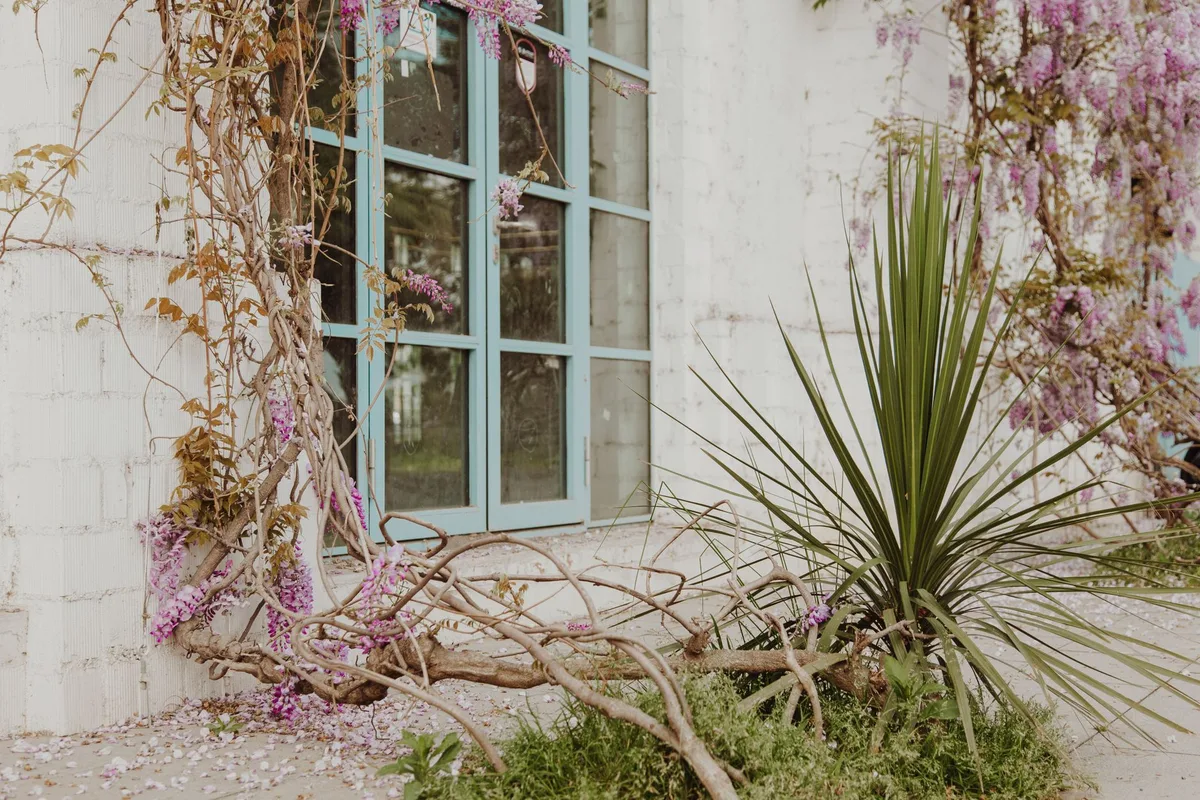
- Cut the Main Vines: Using a sturdy saw or loppers, cut the main wisteria stems as close to the ground as possible. Aim for a clean, flat cut.
- Apply Herbicide Immediately: This is crucial. Within minutes of cutting, apply a concentrated, broad-spectrum herbicide (like glyphosate or triclopyr) directly to the surface of the freshly cut stump. You can use a small paintbrush or a dauber for precise application. The plant's vascular system is open and will immediately start drawing the herbicide down into the root system.
- Protect Surrounding Plants: Ensure you don't get the herbicide on any desirable plants. A small brush helps with this precision. If you’re concerned about runoff or drift, consider using a product specifically designed for stump treatment, or temporarily shield adjacent plants.
- Monitor and Repeat: You'll likely see new shoots emerge from the base of the plant or from the roots over the next few weeks or months. Cut these back as soon as they appear and reapply herbicide as needed. This process may need to be repeated for several seasons to fully exhaust the root system. For related advice on managing unwanted growth, consulting resources on hoes to get rid of garden weeds can offer broader strategies for plant control.
This method is significantly less damaging to the surrounding soil than broad-spectrum salt application and is often a much more reliable way to ensure the wisteria doesn't come back.
Digging Out Wisteria Roots: The Hands-On Approach
For smaller wisteria infestations, or if you prefer to avoid herbicides altogether, manual removal is a viable option. It's hard work, but it's thorough and environmentally neutral.
- Cut Back the Tops: Start by cutting the aerial parts of the wisteria down to ground level, making the root system more accessible.
- Excavate the Root Ball: Using a sharp spade, shovel, or mattock, start digging around the base of the plant. You're trying to expose and remove as much of the primary root as possible. Wisteria has a deep taproot and thick, spreading lateral roots.
- Be Persistent: Follow the roots outward and downward. Any sizable root fragment left behind has the potential to resprout. It's important to be as thorough as you possibly can, digging out every substantial piece of root you can find.
- Dispose of Roots Properly: Once excavated, bag the roots and dispose of them in your landfill waste, not in your compost bin, to prevent unintended propagation.
This method requires significant physical effort, especially for older, larger plants. However, it completely bypasses the soil contamination issues associated with salt. For large areas, tools like a lawn roller might help with soil compaction after removal, but they don't help with the actual digging itself.
Smothering Wisteria: A Slower, Greener Method
If you have a large area where wisteria has taken over and you’re okay with a slower, more organic approach, smothering can be very effective. This method involves blocking sunlight and air from reaching the plant, essentially starving its roots over time. It's a passive technique that requires planning but yields good results without chemicals or intensive labor.
This process can take anywhere from six months to two years, depending on the size of the infestation and the materials used. It’s an excellent choice if you’re not in an immediate rush to replant the area. When considering large-scale weed removal, resources on what kind of fertilizer for grass to use can be helpful for later soil restoration, but first, we tackle the existing problem.
- Cut Wisteria Down: Similar to other methods, start by cutting the wisteria plant down to ground level. Remove as much of the top growth as possible to reduce the plant's energy reserves.
- Cover the Area: Lay down a thick layer of cardboard or several layers of newspaper directly over the cleared area. Ensure there are no gaps where light can penetrate. Overlap the edges generously.
- Add Mulch: Top the cardboard or newspaper with a thick layer of organic mulch, such as wood chips, shredded bark, or compost. Aim for at least 4-6 inches of mulch.
- Wait: Keep the area covered. The mulch will help retain moisture and decompose over time, further suppressing the wisteria and eventually improving the soil. Regular watering of the mulch layer can help in the decomposition process, but avoid excessive watering that might spread any residual salt if the area was previously treated.
Mistakes to Avoid When Trying to Kill Wisteria
Even with the best intentions, certain mistakes can derail your efforts or cause unintended harm. Understanding these common pitfalls can save you time, money, and frustration.
- Using Salt Near Desired Plants: This is the most critical mistake. Salt’s indiscriminate nature means it will likely harm or kill anything it comes into contact with. Always consider the proximity of your valuable plants before applying any harsh treatment.
- Not Treating the Roots Thoroughly: Wisteria has a robust root system. Simply cutting off the top growth without addressing the roots means the plant will almost certainly regrow. This is why methods like cutting and painting or diligent digging are preferred over surface treatments.
- Inconsistent Application: For methods like cutting and painting, failing to reapply herbicide or remove new shoots promptly allows the plant to regain strength and prolong the removal process or even lead to re-establishment.
- Ignoring Runoff: Whether using salt or even some herbicides, consider where water will flow. Improper application can lead to contamination of groundwater or nearby water bodies, which is a serious environmental concern.
- Composting Treated Roots: If you’ve used chemical herbicides, never add the treated roots or plant material to your compost bin. This can contaminate your compost and spread herbicide residues to other gardens when the compost is used.
When to Call in the Pros
There are certain situations where taking on wisteria removal yourself might be more trouble than it's worth, or even pose risks that are best handled by professionals. If you're facing any of these scenarios, it's time to consider bringing in pest control or professional landscaping services.
- Extremely Large Infestations: If the wisteria has completely engulfed a large structure, a mature tree, or covers an area of several hundred square feet, the sheer scale might be beyond typical DIY capabilities. Professionals have the equipment and expertise to tackle these large jobs safely and efficiently.
- Wisteria Growing on Structures: When wisteria is entwined with a house, a fragile fence, or a valuable tree, removal requires a delicate touch. Professionals can ensure the plant is removed without causing structural damage to your property or harming the host plant if it's a tree you wish to save.
- Safety Concerns: If the wisteria is in a difficult-to-access location, like along a steep slope, near power lines, or in an area requiring specialized climbing equipment, safety becomes a primary concern.
- Lack of Time or Energy: While some methods are passive, most effective DIY wisteria removal requires a time commitment over multiple seasons. If you simply don't have the bandwidth, hiring an expert is a wise investment.
- Hesitation with Chemicals: If you're uncomfortable using herbicides, even targeted ones, professional services can often provide alternative eradication methods or use products with minimal environmental impact.
Final Verdict: My Decision Guide for Wisteria Removal
So, to circle back to the initial question: should you use salt to kill wisteria? Based on extensive horticultural research and expert consensus, the answer is a resounding no. The risks of soil sterilization, damage to surrounding plants, and potential structural harm far outweigh any perceived convenience or quick kill.
Instead, prioritize methods that are targeted and consider the long-term health of your garden and property.
- For most mature infestations: Cutting the vines and immediately painting the stumps with a herbicide is highly effective and relatively safe when done precisely.
- For smaller patches or herbicide-averse individuals: Thoroughly digging out the roots is a labor-intensive but clean solution.
- For large, less urgent situations: Smothering the area with cardboard and mulch offers an organic, albeit slower, path to eradication.
If your situation is particularly complex or poses safety risks, don't hesitate to consult with local landscaping professionals. They can offer tailored solutions that are both effective and responsible. Your garden’s future health is worth the careful consideration and choice of method.