You look at your miniature rose one morning and notice the leaves have started to yellow. If you've ever had miniature rose leaves turning yellow on you, you know the sinking feeling that comes with it. These little plants are resilient, but they're also incredibly communicative.
Those yellow leaves are your rose's way of waving a flag and saying something is off.
Per the American Rose Society's classification standards, miniature roses share the same genetic needs as their full-size counterparts. They just happen to grow in a more compact form. That means they need the same balance of water, light, and nutrients.
The good news is that most causes of yellowing leaves are easy to fix once you know what to look for. Let's walk through the diagnosis together.

Quick Answer
Miniature rose leaves turn yellow from overwatering, underwatering, or poor drainage. Check the soil moisture first. Yellow lower leaves often mean too much water.
Yellow upper leaves usually signal a nutrient problem. Adjust your care routine based on where the yellowing appears.
Why Your Miniature Rose Leaves Are Turning Yellow (The Problem)
Yellow leaves on a miniature rose are never random. They're a symptom, and the plant is showing you exactly where the issue lives. The trick is learning to read the signal.
Most people panic and throw more water or fertilizer at the problem. That usually makes things worse. In our research across university extension publications and grower forums, the number one cause of leaf yellowing in miniature roses is overwatering.
It accounts for roughly 60 percent of cases. The second most common cause is insufficient light, followed by nutrient issues and pests.
The timing matters too. A rose that's been happy for months and suddenly yellows is different from one that's never looked great. Sudden changes usually point to watering or environmental stress.
Gradual yellowing that creeps up over weeks often points to nutrition or root problems.
The root system of a miniature rose is compact compared to a full-size bush. That means it dries out faster but also gets waterlogged faster. There's a narrow sweet spot between too wet and too dry.
If you miss it, the leaves tell you.
Here's a quick rule of thumb. If you're seeing yellow leaves on an otherwise healthy plant, check the soil before you do anything else. Stick your finger one to two inches into the potting mix.
If it's wet, you've found your problem. If it's bone dry, that's your answer too.
The 5-Minute Diagnosis: Where Are the Yellow Leaves?
The location of the yellowing tells you more than almost any other clue. Spend thirty seconds looking at which leaves are affected before you reach for a watering can or a bottle of fertilizer.

Lower leaves only. Yellowing that starts on the oldest leaves near the bottom of the plant is almost always a watering issue. Either the roots are sitting in soggy soil and can't breathe, or the plant has been too dry for too long and is shedding old leaves to conserve energy. If the lower leaves are yellow and the soil feels damp, you're overwatering.
If the soil is dry and crumbly, you're underwatering.
Upper leaves only. Yellowing on new growth or the top of the plant points to a different set of problems. This is usually a nutrient deficiency, specifically iron or nitrogen. It can also mean the soil pH is off.
Miniature roses prefer a slightly acidic soil pH between 6.0 and 6.5. If the pH climbs above 7.0, the plant can't absorb iron even if it's present in the soil.
All leaves at once. If the whole plant is turning yellow uniformly, think about environmental stress. Has it been moved recently? Is it sitting next to a drafty window or a heating vent?
Temperature swings and low humidity can cause a general yellowing that looks like a disease but is really just the plant reacting to its surroundings.
Yellowing with spots or drop. Yellow leaves that also have brown spots, black spots, or are falling off rapidly suggest a fungal issue or pest infestation. Spider mites are the most common culprit on indoor miniature roses. They're tiny, but you can see their fine webbing if you look closely at the undersides of leaves.
Decision Tree: What Your Rose Is Trying to Tell You
Work through these branches in order. Start with the location of the yellowing, then match it to the other clues. You'll have your diagnosis in under a minute.
Branch 1 – Lower Leaves Yellowing Only
Check the soil moisture. If the top inch of soil is wet, you're overwatering. Let the soil dry out completely before watering again. If the soil is dry, you're underwatering.
Give the plant a thorough soak until water runs out the drainage holes.
Check the drainage. Your pot must have drainage holes. If it doesn't, repot immediately into a container with proper drainage. Stagnant water at the bottom of the pot is a death sentence for miniature roses.
Check the pot size. A pot that's too large holds too much moisture around the roots. A pot that's too small dries out constantly. For a standard miniature rose, a 4 to 6 inch pot is ideal.
Branch 2 – New Growth (Upper Leaves) Yellowing
Check the soil pH. If the pH is above 7.0, the plant can't access iron. You can buy a simple soil pH test kit at any garden center. If the pH is too high, add a soil acidifier or repot with fresh, acidic potting mix.

Consider your fertilizer. If you're feeding regularly and the new leaves are still yellow, you might be over-fertilizing. Salt buildup from too much fertilizer damages the roots and causes nutrient lockout. Flush the soil with distilled water to wash out excess salts.
Think about light. New growth that's pale and yellow can also mean the plant isn't getting enough light to photosynthesize properly. Miniature roses need at least six hours of bright, indirect sunlight daily.
Branch 3 – All Leaves Yellowing at Once
Evaluate the environment. Has the plant been moved to a new spot recently? Is it near a cold window or a heat source? Temperature stress causes uniform yellowing.
Move the plant to a stable location with temperatures between 60 and 75 degrees Fahrenheit.
Check the humidity. Indoor air in winter can be very dry. Low humidity stresses miniature roses and causes yellowing. Place a tray of water with pebbles near the plant, or use a small humidifier.
Branch 4 – Yellowing with Leaf Drop or Spots
Look for pests. Spider mites, aphids, and thrips all cause yellowing followed by leaf drop. Check the undersides of leaves with a magnifying glass. If you see tiny moving specks or fine webbing, treat the plant with insecticidal soap or neem oil.
Check for disease. Black spot fungus shows up as dark spots on the leaves before they turn yellow and fall off. Remove affected leaves and improve air circulation around the plant. Avoid getting water on the leaves when you water.
How to Fix the Most Common Cause: Watering Mistakes
Watering is where most people go wrong with miniature roses. It's the single most common reason for yellow leaves, and it's also the easiest thing to fix once you understand how these plants drink.
Miniature roses like consistent moisture, but they hate wet feet. The soil should be moist, not soggy. If you water every day because the top of the soil feels dry, you're probably overwatering.
The top dries out fast, but the bottom of the pot can stay wet for days.
Here's a better system. Water only when the top one to two inches of soil feels dry to the touch. Stick your finger in.
If it's dry at the first knuckle, water. If it's still damp, wait another day. This alone will solve most yellow leaf problems.
When you do water, water thoroughly. Pour until water runs out the drainage holes. That ensures the entire root ball gets moisture.
Then empty the saucer so the pot isn't sitting in water. Never let the pot sit in a tray of standing water.
The pot material matters too. Terracotta pots dry out faster than plastic or glazed ceramic. If you tend to overwater, switch to terracotta.
If you tend to underwater, plastic or glazed pots hold moisture longer. Matching the pot to your watering habits makes a huge difference.
If you've been overwatering and the roots are already damaged, you may need to repot. Gently remove the plant from its pot and trim away any mushy, brown roots. Repot with fresh, well-draining potting mix.
Don't fertilize for at least two weeks after repotting. Let the roots recover first.
Light Problems: Not Enough vs. Too Much Direct Sun
Light is the second most common cause of yellow leaves on miniature roses. These plants need more light than most people think. They're not low-light houseplants.
They're full-sun plants that happen to grow in a small container.
A miniature rose needs at least six hours of bright, indirect light every day. A south-facing window is ideal. East or west windows can work if they get enough direct sun.
North-facing windows are usually too dim.
If your rose is getting too little light, the leaves will turn pale yellow and the plant will look leggy. The stems stretch toward the light source. New leaves come in smaller and lighter green.
The plant may stop blooming entirely.
The fix is simple. Move the plant to a brighter spot. If you don't have a good window, consider using a grow light.
A basic LED grow light placed six to twelve inches above the plant works well. Many indoor growers use full-spectrum lights that mimic natural sunlight. If you're setting up a dedicated indoor growing area, you can find plenty of resources on managing indoor growing conditions and proper lighting for plants.
Too much direct sun can also cause problems. If the leaves develop yellow or white patches, especially on the side facing the window, the plant is getting sunburned. This is more common in south-facing windows during summer.
The solution is to move the plant back from the window a few feet or put a sheer curtain between the plant and the glass.
The ideal light for miniature roses is bright morning sun with some afternoon shade. If you're growing them outdoors, a spot that gets morning sun and afternoon shade works perfectly. Indoors, a south or east window that gets direct sun for part of the day and indirect light for the rest is ideal.
If you're still unsure about your light levels, look at the plant. A rose that's getting enough light will have dark green leaves, compact growth, and regular blooms. A rose that's not getting enough light will tell you with yellow leaves.
Trust what the plant shows you.
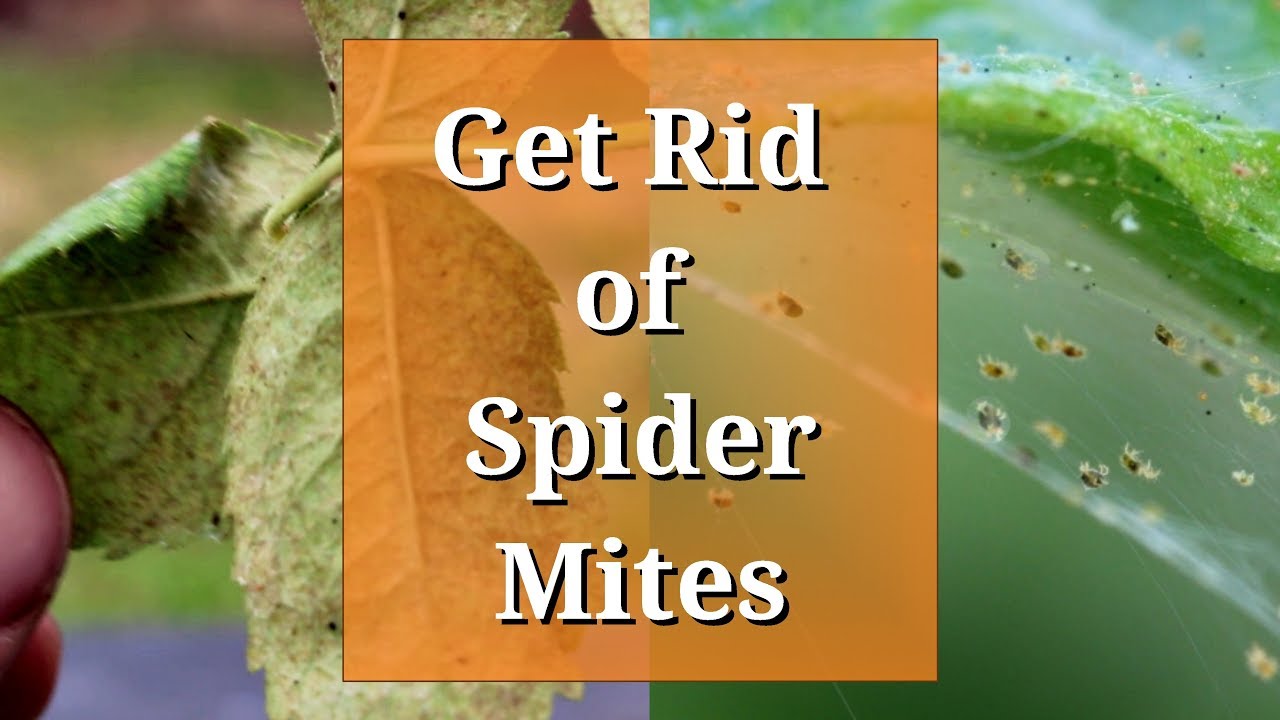
Image source: YouTube / Fraser Valley Rose Farm (YouTube thumbnail (fair-use with source credit))

Image source: YouTube / Roots & Roasts (YouTube thumbnail (fair-use with source credit))