
When you notice your bunny ear cactus looking sad, watery, or developed troubling dark spots, it’s a clear sign you might be overwatering. This isn't just about a little too much water; consistently wet soil can quickly lead to root rot and other serious issues for these desert dwellers.
Our research indicates that overwatering is the most common cause of cactus mortality, with over 80% of issues stemming from it. If your cactus shows mushy pads or blackish decay, prompt action is necessary. Let's figure out what's happening and how to fix it.
Quick Answer
Overwatered bunny ear cacti develop mushy pads and root rot. Stop watering immediately. Repot the cactus in dry, gritty soil.
Remove any rotted parts and let cuts callous before replanting. Adjust your watering habits to allow soil to dry fully between waterings.
Is My Bunny Ear Cactus Drowning? Spotting the Signs
Figuring out if your bunny ear cactus is overwatered is usually pretty straightforward once you know what to look for. These plants are built for dry conditions, so any sign of prolonged wetness or rot is a red flag that requires your attention.
Yellowing or Pale Pads
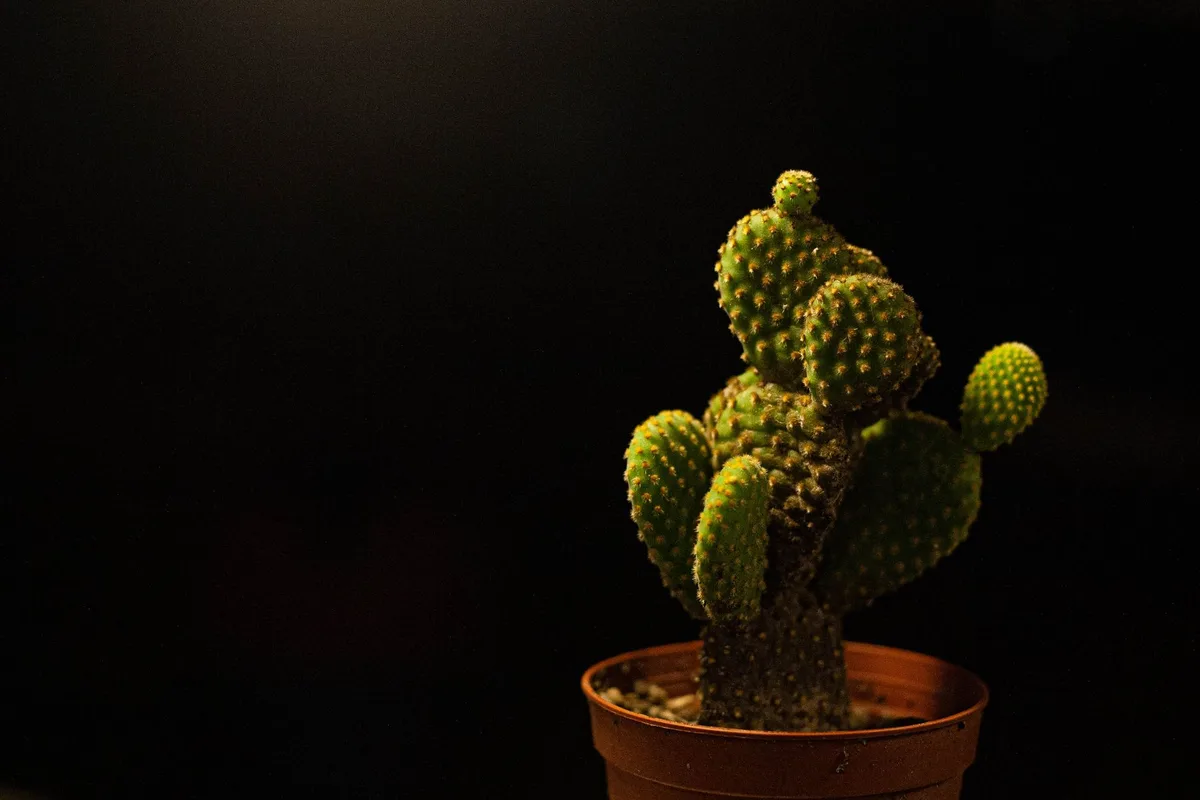
A healthy bunny ear cactus (Opuntia) has a vibrant, firm green color. If you start seeing the pads turn yellow or become a pale, washed-out green, it's a strong indicator that the roots are waterlogged. This happens because the saturated soil prevents the roots from functioning properly, hindering nutrient uptake and causing the plant to look anemic.
Mushy, Soft, or Drooping Pads
The firm, paddle-like shape of a bunny ear cactus is its signature. When these pads start to feel soft, squishy, or even downright mushy to the touch, you've likely got a serious overwatering problem. This loss of firmness is often due to cells breaking down from excess moisture.
Drooping or sagging pads are another related symptom, as waterlogged tissues lose their structural integrity.
Black Spots or Rotting Areas
This is the most alarming sign. If you spot dark, slimy, or blackish patches on the pads or stem, especially near the base, rot has begun. Fungus and bacteria thrive in persistently damp environments and attack the cactus's tissues.
This rot can spread quickly and is often irreversible if not caught extremely early.
Soil That Stays Wet Too Long
The simplest diagnostic tool is your soil. Bunny ear cacti require their potting mix to dry out completely between waterings. If you water, and the soil feels damp to the touch even a week or longer afterward, it’s a clear issue.
Compacted or overly organic soil mixes, or pots without drainage, are common culprits for this persistent moisture problem.
Quick Help: If You See Signs of Overwatering
If any of the symptoms above sound like your cactus, the first and most crucial step is to halt watering entirely. Delaying this will only worsen the situation for your plant.
Stop Watering Immediately
Until you've assessed the situation and made necessary changes, put the watering can away. Your cactus needs an extended dry period to begin recovering. This isn't a time for "just a little more"; it's a time for complete rest from water.
We’ve seen houseplants suffer simply because their owners kept watering based on habit rather than the plant's actual needs.
Understanding Why Bunnies Get Waterlogged
It might seem counterintuitive, but giving a cactus too much love by overwatering can be fatal. These plants have evolved to survive arid conditions, and their survival mechanisms are easily overwhelmed by constant moisture.
Why Too Much Water Kills Cacti
Cacti have shallow, fibrous root systems designed to absorb water quickly but also to prevent rot. In consistently wet soil, these roots are deprived of oxygen. This leads to root suffocation and encourages the growth of harmful fungi and bacteria that cause root rot.
As the roots decay, the plant can no longer absorb water or nutrients, leading to the symptoms you see above.
Cactus Soil Needs to Breathe (and Dry)
A well-draining potting mix is non-negotiable for cactus health. The ideal mix is gritty, airy, and allows water to flow through quickly. Regular potting soil is too dense and retains too much moisture for a cactus’s needs.
The goal is to mimic their natural arid environment, where water is scarce but drains away rapidly when it does arrive. Manufacturer specifications for cactus soil often emphasize a fast-draining composition, typically a blend of potting soil, perlite, and coarse sand. As of 2026, this recommendation remains a standard in horticulture.
Your Action Plan: Saving Your Bunny Ear Cactus
If you’ve identified signs of overwatering, don't despair. With a few steps, you can often rescue your bunny ear cactus and help it recover. The key is acting decisively.
Step 1: Assess the Soil and Pot
Begin by gently examining the soil and the pot. Is the soil dark, heavy, and saturated? Does it smell musty or sour?
This indicates it's retaining too much water. Next, check the pot. Does it have drainage holes at the bottom?
If it doesn't, this is the primary problem, and the cactus will need to be repotted. A pot without adequate drainage is a death sentence for most cacti.
Step 2: Improve Drainage: The First Priority
- Check for Drainage Holes: This is the most critical feature. If your pot lacks them, you must either drill holes (if the pot material allows) or repot your cactus into a container that has them. Ceramic or terracotta pots with drainage are excellent choices as they also allow some moisture to evaporate through the sides.
- Use the Right Soil Mix: If your cactus is in regular potting soil, it needs to be repotted. You need a specialized cactus or succulent mix. These are formulated to be gritty and drain exceptionally fast.
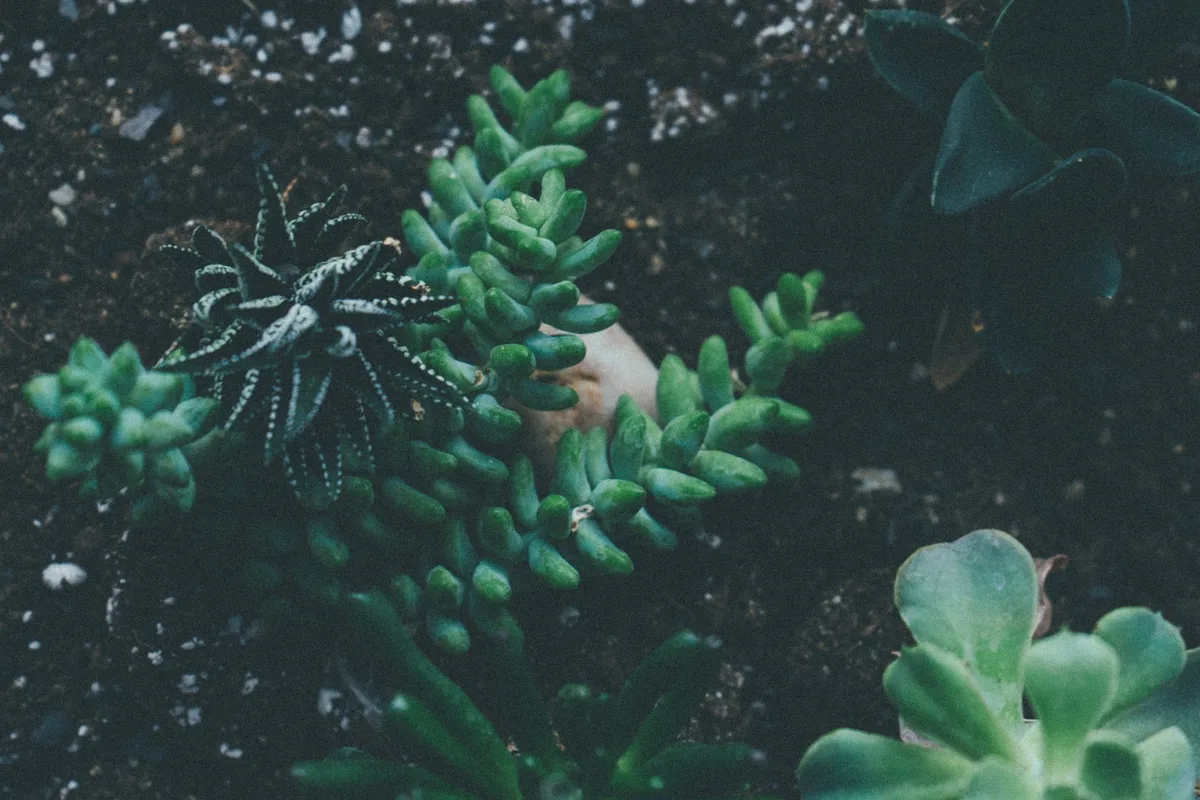
- DIY Mix: A good DIY mix can be made with equal parts potting soil, perlite, and coarse builder's sand. Sand in gardening should be coarse, not fine play sand, to ensure it aids drainage rather than clumping. This gritty, airy composition is key to preventing waterlogged roots. For example, aggregate reviews report that using such a mix significantly reduces the incidence of rot compared to standard potting soil.
Step 3: Letting the Soil Dry Out (If Not Too Far Gone)
If your cactus is showing early signs of overwatering, like slight softening or pallor, but no true rot, your first instinct should be to let it dry out thoroughly. Remove it from any standing water. Place it in a well-lit, airy location.
This might take several days to a couple of weeks, depending on your environment. Resist the urge to water it until the soil is bone dry all the way through. Patience is vital here.
Step 4: Tackling Rot: What to Do If It’s Serious
When you see black, mushy spots, it means rot has started, and immediate intervention is required. You'll need to act like a plant surgeon.
Removing Rotted Parts
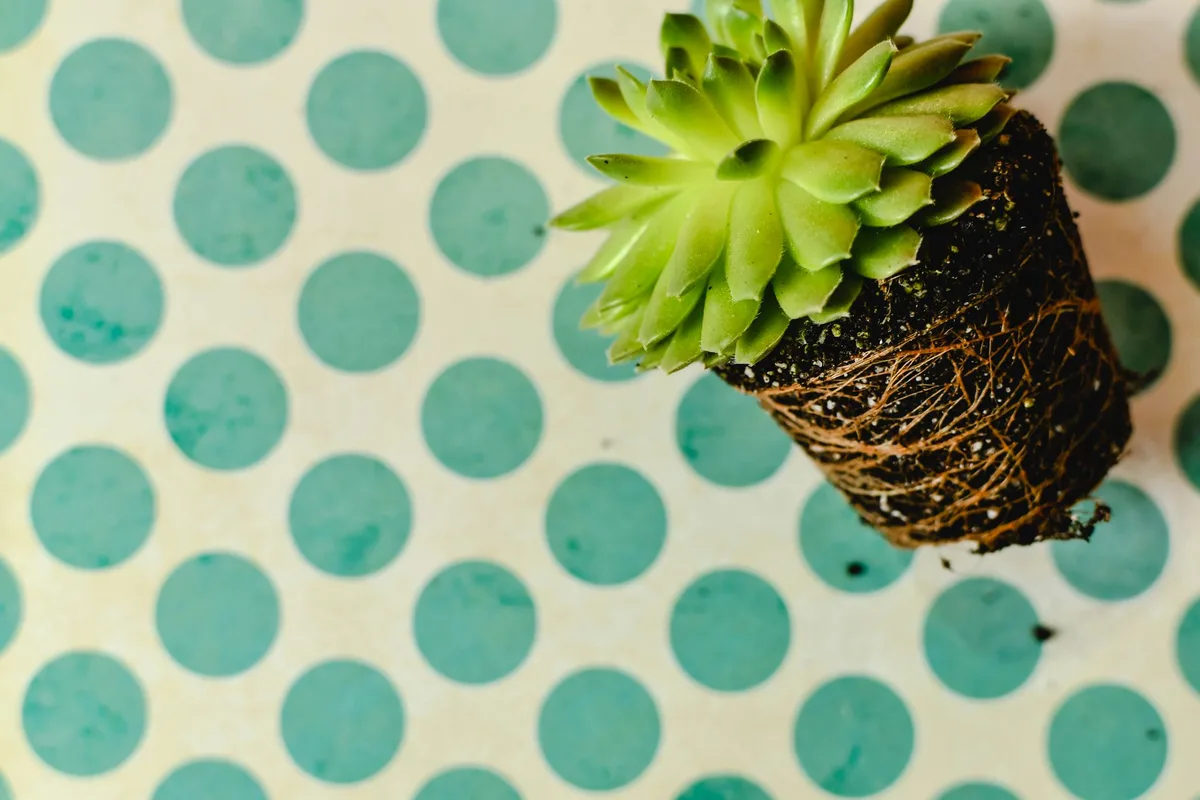
Gently remove the cactus from its pot. Inspect the roots and stem for any signs of decay. With a clean, sharp knife or sterile shears, carefully cut away all the affected tissue.
You must cut back until you reach healthy, firm, green or white flesh. It's better to remove too much than to leave any rot behind, as it will continue to spread.
Letting Cuts Heal (Callousing)
After you’ve cut away all the rot, don't immediately repot or water the cactus. Instead, let the cut surfaces dry and form a protective scab, known as a callous. This process can take anywhere from a few days to a week or even longer.
Place the cactus in a dry, well-ventilated spot away from direct, harsh sunlight. This callousing step is crucial to prevent immediate re-infection of the wounds.
Repotting in Fresh, Dry Mix
Once the cuts have calloused over, you can repot your cactus. Choose a pot with drainage holes and fill it with completely dry, fresh cactus mix. If you had to remove a significant amount of roots, choose a pot that isn't drastically larger than the root ball.
The most important part here: do not water it immediately after repotting. Wait at least one to two weeks to allow any remaining subtle root damage to heal and to ensure the new soil is fully dry around the plant. This is a critical step in preventing rot from returning.
Step 5: Improve Drainage: The First Priority
This step is so vital it deserves its own clear focus. For a bunny ear cactus, drainage isn't just helpful; it's essential for survival. If your cactus is currently in a pot without drain holes, or in soil that stays waterlogged, this is your immediate focus.
- Choosing the Right Pot: Always opt for pots with multiple drainage holes at the bottom. Terracotta pots are a great option because they are porous, allowing excess moisture to evaporate through the pot walls as well as through the holes. For example, manufacturer specifications on many terracotta pots note their breathability factor, which is beneficial for drought-tolerant plants.
- The Ideal Soil Mix: As mentioned, standard potting soil is unsuitable. A good cactus and succulent mix should be gritty and provide excellent aeration. You can often find pre-made mixes at garden centers, or you can easily create your own. A common, effective DIY ratio is one part peat-based potting mix, one part perlite, and one part coarse horticultural sand. The goal is to create a mix that doesn't hold water but allows it to pass through freely.
- When to Repot: If your cactus is showing signs of overwatering and is in a non-draining pot or dense soil, repotting is necessary even if it looks healthy otherwise. If rot has set in, repotting with fresh soil after cleaning the roots and callousing any wounds is practically mandatory. This process ensures the plant is no longer sitting in moisture-retentive media.
When Did Cactus Care Standards Change?
While specific dates vary by research institution, horticultural practices have long emphasized well-draining soil for cacti. University extension research, such as from land-grant universities, has consistently highlighted the importance of specific soil compositions for arid-climate plants for decades. These guidelines form the basis for best practices now widely adopted by growers and nurseries.
Avoiding Future Soggy Cactus Disasters
Once your bunny ear cactus has recovered from overwatering, the focus shifts to prevention. Understanding your cactus's actual needs will save you a lot of worry and potential heartbreak down the road. It’s about creating a consistent care routine that respects its desert origins.
How Often to Actually Water Your Cactus
The golden rule is to water only when the soil is completely dry. Don't water on a schedule, like "once a week." Instead, check the soil moisture by sticking your finger about two inches deep. If you feel any dampness, wait longer.
During the active growing season (spring and summer), you might water every 2-4 weeks. In fall and winter, the cactus goes dormant, and watering needs drop dramatically. Many cacti can go through the entire winter with no water at all.
The Importance of Gritty Cactus Soil
We've touched on this, but it bears repeating: the soil is your first line of defense. A good cactus mix drains fast and doesn't hold onto moisture. This is crucial.
Even if you accidentally water a bit too much, if the soil is gritty and well-aerated, the excess water will drain away quickly, preventing the roots from sitting in soggy conditions. Think of it as giving your plant a breathable environment.
Adjusting Care for Seasons and Light
Your cactus's watering needs will change throughout the year. During the hotter, brighter months, it might use water more actively. As days shorten and light intensity decreases in fall and winter, its growth slows down, and so does its need for water.
Overwatering in winter is particularly dangerous because the plant’s metabolism is slow, and moisture lingers far longer. Ensure your cactus receives bright light; inadequate light can also make the soil stay wet longer, compounding the problem. For those using grow lights, understanding grow tent size guide and setting appropriate light cycles is also key to plant health.
Common Mistakes That Lead to Overwatering
Many beginners, and even experienced plant parents, fall into common traps that lead to overwatering their cacti. Recognizing these mistakes is half the battle in preventing future issues.
Watering on a Schedule, Not a Need
This is probably the most frequent error. Many people water their plants every Sunday, or on the first of the month, without checking the plant or soil. Cacti don't follow a calendar; they follow environmental cues like light, temperature, and humidity.
Relying on a fixed schedule ignores these vital factors and almost guarantees you'll overwater, especially during cooler or less sunny periods.
Using the Wrong Pot or Soil Mix
As we've discussed, non-draining pots and dense potting soil are enemies of the cactus. Even with the best intentions, if your pot doesn't have drainage holes or the soil acts like a sponge, water will accumulate. This creates anaerobic conditions that quickly lead to root rot.
If you're unsure about the right soil, consult resources on special consideration while building own grow room which often cover soil needs for arid plants too.
"Loving" Your Plant to Death
It sounds odd, but it’s true. We often want to give our plants the best conditions, and for many plants, that means consistent moisture. With cacti, the opposite is true.
They thrive on neglect more than doting. Learning to be a little less attentive with the watering can is actually a sign of good cactus care. It’s about providing the right kind of care, not necessarily more care.
When to Call in the Experts (For Extreme Cases)
While most overwatering issues can be resolved with the steps outlined, some situations can become severe enough that professional advice or intervention might be needed. Knowing when to seek outside help can save a beloved plant.
Signs You Might Need Professional Help
If you've tried repotting, cutting away rot, and waiting for the soil to dry, but your cactus continues to decline rapidly, it might be time to consult a local horticulturalist or a specialized nursery. Persistent, untreatable wilting, widespread black rot that you can’t seem to contain, or extreme mushiness that doesn’t improve despite your best efforts are all indicators that the problem might be beyond DIY fixes. Sometimes, the plant might be too far gone, and an expert can confirm that, saving you further effort.