Why Are My Pepper Plants Looking Droopy All of a Sudden?
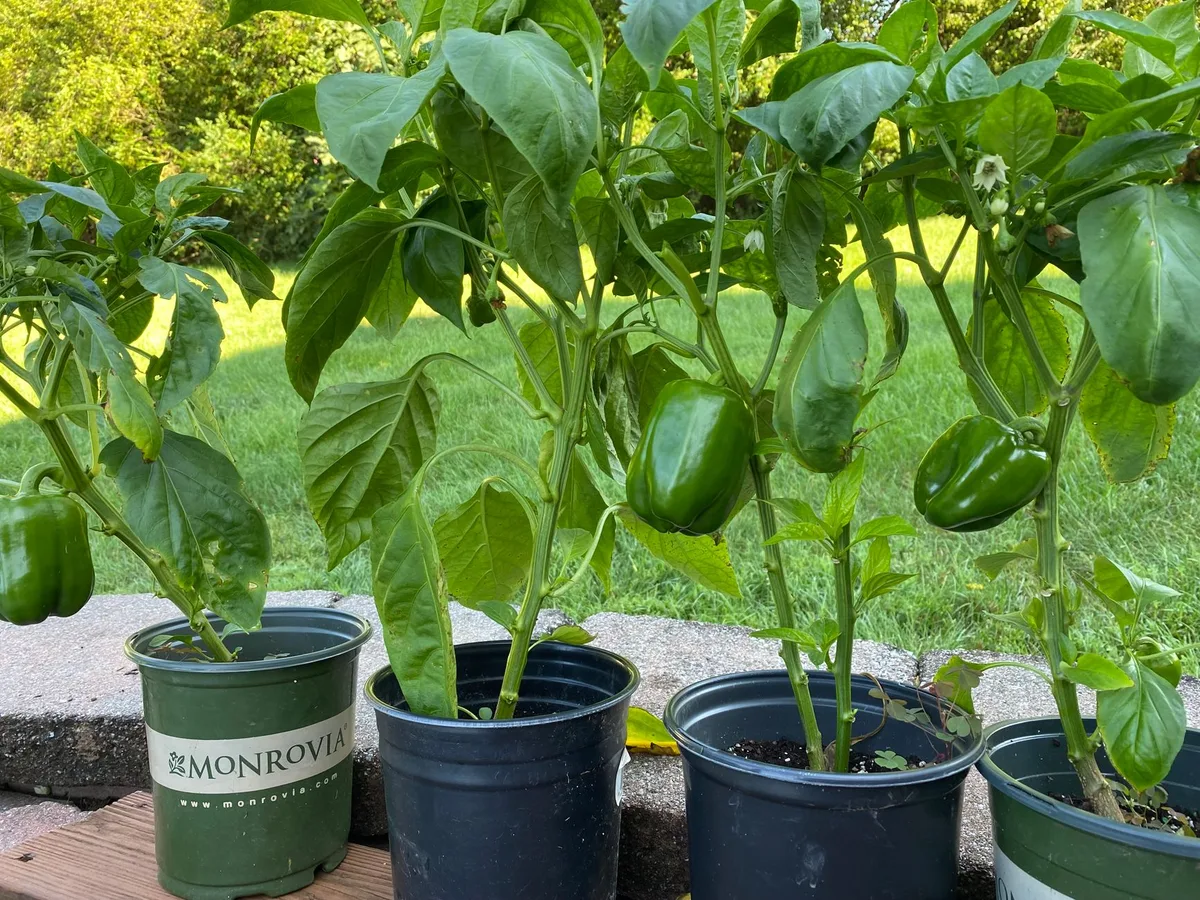
Seeing your pepper plants start to droop can be a real worry, especially after you've put in the effort to get them growing. That sudden wilt, where leaves lose their perkiness and hang down, often means something is off, and it’s usually something quite fixable if you know where to look.
Our research indicates that while it can look alarming, drooping pepper plants typically point to one of a few common issues: problems with water, the presence of pests or diseases, or environmental stress. Understanding the subtle cues your plant gives is key to getting it back on its feet. For instance, most pepper varieties thrive when their soil remains consistently moist but not waterlogged, with soil moisture ideally staying between 50% and 70%, according to horticultural standards.
Let’s break down how to diagnose and fix that droop.
Quick Answer
Drooping pepper plants usually result from under-watering, over-watering, or poor soil drainage. Check your soil moisture first, as dehydration causes leaves to wilt. If the soil is saturated, root rot might be the cause.
Also, inspect for common garden pests like aphids or signs of fungal diseases. Environmental factors like sudden heat waves or transplant shock can also lead to wilting.
The First Step: Is Your Pepper Plant Thirsty or Drowning?
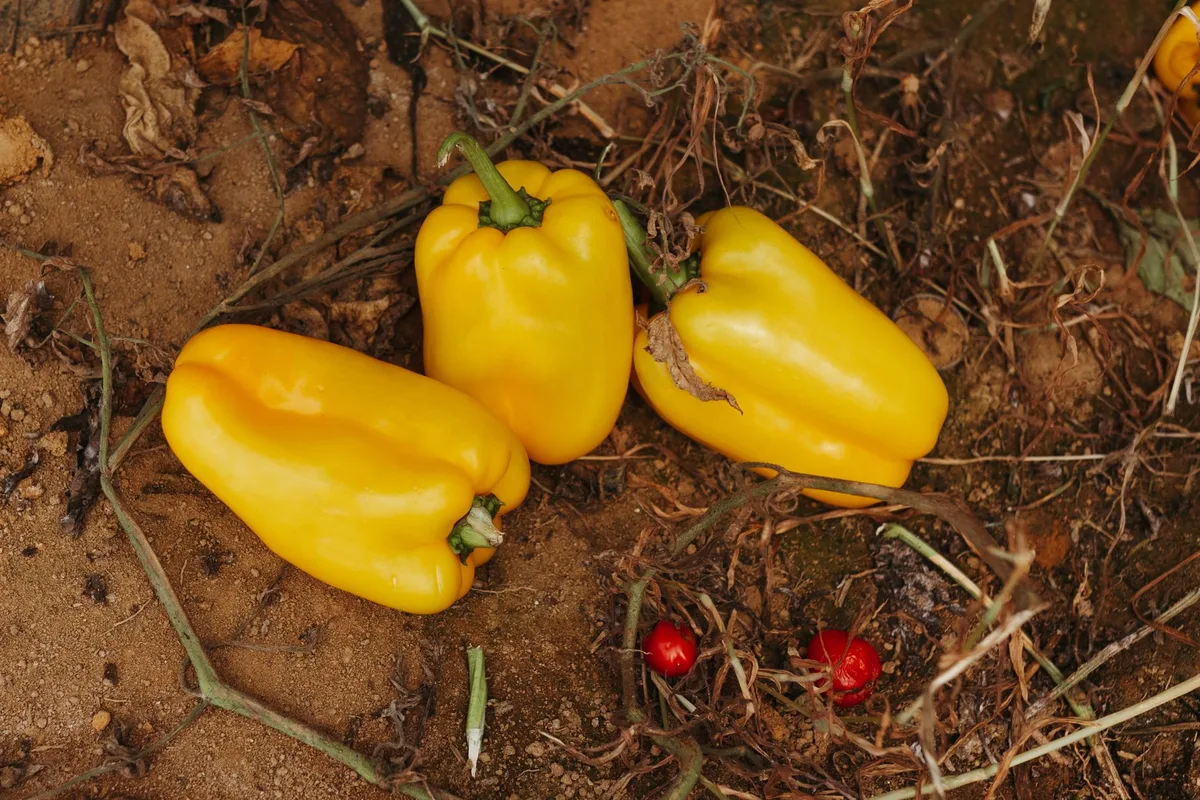
The most common culprit behind a wilting pepper plant is frankly, a water issue. It’s a delicate balance, and both too little and too much water can make those leaves hang low. Your first move should always be to check the soil moisture, not just the surface, but a little deeper where the roots are.
Here’s how to get it right:
- The Finger Test: Stick your finger about two inches into the soil near the base of the plant. If it feels dry, your plant is likely thirsty. If it feels wet or soggy, you might be overwatering, or the soil might not be draining well.
- Moisture Meter: For a more precise reading, a simple soil moisture meter can tell you exactly how hydrated the root zone is. Aim for the "moist" range, which generally corresponds to 50-70% moisture content for most pepper varieties.
- Look at the Leaves: Very dry soil typically leads to leaves that look and feel a bit brittle or papery, and they'll often perk up relatively quickly after watering. Leaves that wilt from overwatering might feel softer, and the wilting can be more persistent.
If you’ve determined your plant is thirsty, give it a good, deep watering at the base of the plant until you see water draining from the bottom of the container or the soil feels evenly moist. If the soil is waterlogged and doesn't seem to be drying out, the problem might be drainage, which we'll cover shortly.
When Wilting Signals a Bigger Problem: Pests and Diseases
Beyond watering woes, a droopy pepper plant can be a distress signal for something more sinister lurking. Pests and diseases can attack the plant’s vascular system or suck the life right out of its leaves, leading to that tell-tale wilt. Catching these early is crucial for saving your plant.
Here’s what to inspect closely for:
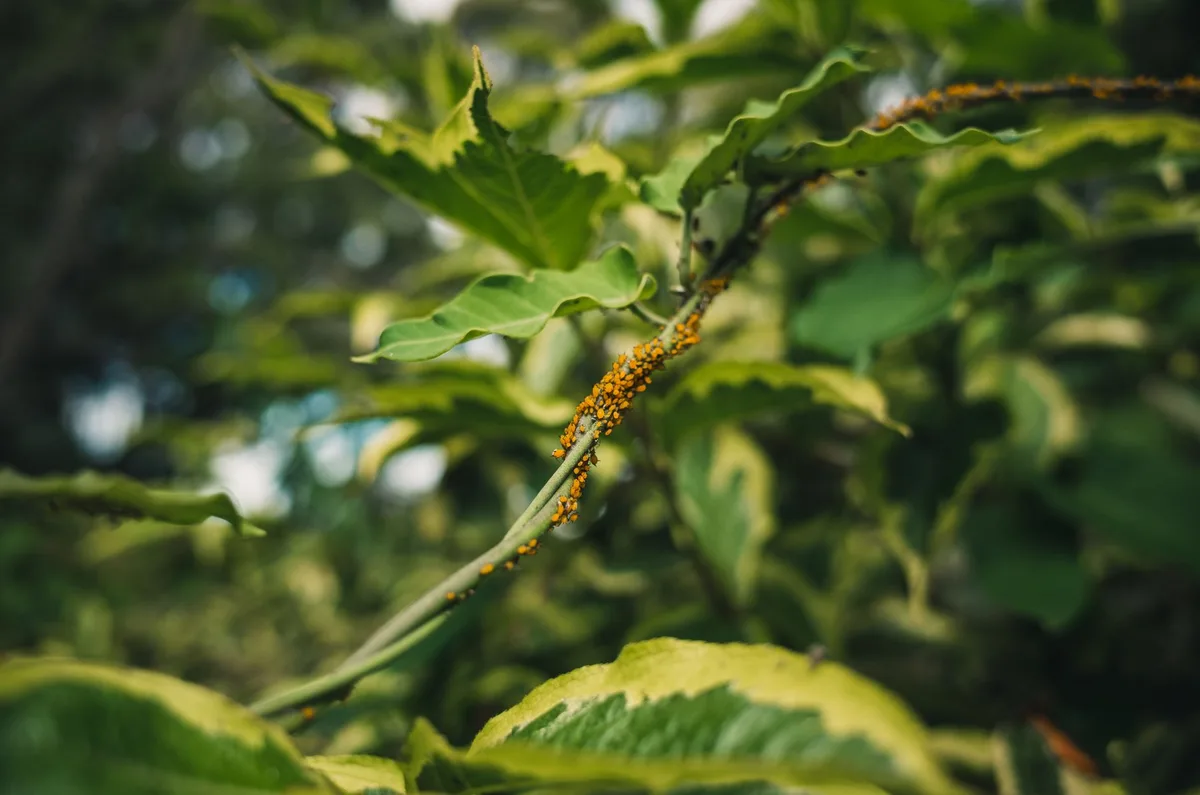
- Under the Leaves: Many pests, like aphids, spider mites, and thrips, hide on the undersides of leaves. Look for tiny insects, sticky residue (honeydew), or fine webbing. A magnifying glass can be super helpful here.
- On the Stems and Leaves: Check for any discolored spots, unusual growths, or fuzzy mold. Fungal diseases, such as Fusarium wilt or damping off in seedlings, can block the plant's water and nutrient transport, causing rapid wilting.
- Signs of Damage: Are the leaves being munched on? Are there tiny holes or chew marks? This points toward larger chewing insects.
If you spot pests, you’ll need to act fast. For aphids, a strong spray of water can sometimes dislodge them, or you can try insecticidal soap. For more serious infestations or diseases, identification is key.
Applying the wrong treatment can harm your plant further. If you’re unsure about identifying a specific issue, consulting resources from university extension services can provide detailed guides on diagnosing and treating common pepper plant afflictions.
The Heat is On: How Temperature and Sun Affect Droopiness
Pepper plants, for the most part, love warmth and sun. However, extreme heat can overwhelm them, much like it can overwhelm us! Sudden temperature spikes or prolonged periods of intense sun, especially during the hottest part of the day, can cause pepper plants to droop.
This isn't always about a lack of water, but rather the plant trying to conserve moisture and protect itself from scorching. When the air is very hot and dry, plants lose water through their leaves faster than their roots can absorb it. Drooping is a way for them to reduce the surface area exposed to the sun.
This is common during heat waves or if plants are in containers that heat up quickly.
- Container Plants: Pots, especially dark-colored ones, can get incredibly hot. This heats the soil and can stress the roots.
- New Transplants: Young plants with less established root systems are more vulnerable to heat stress.
If you suspect heat is the issue, try to provide some temporary shade during the peak afternoon hours, especially for young or struggling plants. Moving potted plants to a location with morning sun and afternoon shade can make a big difference. For in-ground plants, a temporary shade cloth can be very effective.
Ensure they have adequate water, but don’t assume wilting in heat always means they need more water, sometimes it’s about reducing the heat stress itself.
Soil Issues That Cause Pepper Plants to Wilt
We touched on drainage when talking about watering, but it deserves its own spotlight because bad soil can be a persistent cause of droopy pepper plants. Healthy soil is the foundation for strong plants, and if yours isn't providing that, you'll see the symptoms.
Poorly draining soil is a major offender. When water can’t escape the root zone, it saturates the soil, cutting off oxygen to the roots. This leads to root rot, which damages the roots' ability to absorb water and nutrients, causing wilting even if the soil is wet.
This is why good aeration is as important as moisture.
Consider these soil-related issues:
- Lack of Drainage: Heavy clay soils, or soils compacted by heavy foot traffic or improper tilling, don't allow excess water to drain away. Potted plants will suffer if their containers lack drainage holes or if the potting mix is too dense.
- Soil Compaction: Hard, compacted soil makes it difficult for roots to grow and access water and nutrients. It also hinders drainage.
- Nutrient Deficiencies: While less common as a direct cause of sudden droopiness, long-term nutrient imbalances can weaken plants, making them more susceptible to other stresses that lead to wilting. For instance, a lack of nitrogen can lead to yellowing and wilting.
Improving your soil's drainage usually involves amending it. For garden beds, incorporating organic matter like compost or well-rotted manure can greatly improve soil structure and drainage. For container plants, always use a quality potting mix designed for containers, which will offer better aeration and drainage than garden soil.
If you're noticing consistent waterlogging, you might need to re-evaluate your container choice or the composition of your garden soil, much like you would when considering compost vs fertilizer.
Transplant Shock: A Common Cause of Droopy Seedlings and New Plants
If your pepper plants have recently been moved from one pot to another, or from a nursery container to your garden bed, and then started drooping, you're likely dealing with transplant shock. This is a perfectly normal, albeit frustrating, reaction as the plant adjusts to its new environment.
When you transplant a pepper, its root system inevitably gets disturbed. Some roots are likely to be broken or damaged during the process. This reduction in the root’s ability to absorb water and nutrients, coupled with the potential stress of new light conditions, soil type, or temperature, can cause the plant to wilt, even if you've watered it.
It's the plant's way of saying, "Whoa, what just happened?!"
Helping Plants Recover from Moving
The good news is most pepper plants recover from transplant shock within a week or two with proper care. Here’s how to help them through it:
- Water Wisely: Keep the soil consistently moist, but not waterlogged. The goal is to support the damaged roots without drowning them.
- Provide Shade: Protect the newly transplanted peppers from direct, intense sun for the first few days. A temporary shade cloth or placing them in a spot with dappled light can significantly reduce stress.
- Avoid Fertilizing Immediately: Hold off on fertilizing for at least 2, 4 weeks after transplanting. The plant’s root system is too damaged to effectively take up and process nutrients, and fertilizer can actually burn weakened roots. You can think about what fertilizer to use in spring at your garden once the plant is established and showing new growth.
- Minimize Leaf Disturbance: Try not to prune or handle the leaves more than necessary while the plant is recovering.
By giving your pepper plants a little extra care and patience after transplanting, you’ll help them overcome this temporary setback and get back to healthy growth.
My Pepper Plants Are Still Droopy: What Am I Missing?
Even after checking watering, pests, diseases, and temperature, your pepper plants might still be looking a bit sad. Sometimes, the cause isn't as obvious and can be a combination of factors or something subtler affecting the plant’s environment or health. It’s time to look at some less common but still significant reasons for persistent wilting.
Unpacking Less Common Causes of Droopiness
- Nutrient Imbalance or Toxicity: While we touched on deficiencies, an excess of certain nutrients can also harm your pepper plants. Too much fertilizer, especially nitrogen, can lead to rapid vegetative growth that the root system can't support, causing wilting. Similarly, if your soil pH is way off, nutrients won't be available to the plant, even if they're present, mimicking deficiency symptoms. Soil pH for most peppers should ideally be between 6.0 and 6.8.
- Root Damage (Beyond Transplant Shock): Sometimes, damage to the roots can happen for reasons other than transplanting. This could include physical damage from digging too close, root-knot nematodes (microscopic worms that infest roots), or even damage from burrowing animals. If the roots are compromised, they can't do their job of water uptake.
- Windburn or Physical Damage: Strong, persistent winds can dry out plants and cause physical stress to leaves and stems. While not as common a cause for widespread drooping as water issues, it can contribute, especially to older leaves or weaker stems.
- Underlying Plant Health Issues: In very rare cases, a plant might have a systemic issue or be nearing the end of its life cycle. But for healthy, young plants, focus on the environmental and pest-related causes first.
If you've ruled out the primary suspects, dig a little deeper. Examine the soil structure around the roots, consider testing your soil pH if you haven't recently, and look for any signs of unusual activity that might have been missed.
Fixing a Droopy Pepper Plant: Your Action Plan
Now that we've explored the common reasons why your pepper plants might be drooping, let’s get straight to fixing them. Addressing the root cause is key, and often, a few adjustments can bring your plants back to life. Here’s a structured approach to getting your peppers perky again.
Water Adjustments
If your diagnosis pointed to a watering issue:
- If Thirsty: Water deeply at the base of the plant. Ensure the water penetrates the root zone. For potted plants, water until it flows from the drainage holes. Aim to water in the morning so leaves can dry before nightfall, reducing disease risk.
- If Overwatered: Stop watering immediately. Improve drainage by adding perlite or compost to the soil if possible, or by repotting into a well-draining mix. Ensure pots have adequate drainage holes. For very waterlogged soil, you might need to gently aerate it or even repot into dry, fresh soil.
Addressing Pests and Diseases
- For Pests: Mild infestations of aphids or spider mites can often be managed with a strong spray of water, insecticidal soap, or neem oil. For more severe cases, research organic or synthetic pesticides specific to your identified pest. Always follow product instructions carefully.
- For Diseases: Fungal diseases often require removing affected parts of the plant to prevent spread. Ensure good air circulation around plants. If the disease is severe, like Fusarium wilt, it might be best to remove and destroy the affected plant to prevent contaminating the soil for future plantings.
Improving Soil and Environment
- Drainage: If compacted or heavy soil is suspected, work in organic matter like compost or aeration materials like perlite. For containers, ensure you're using a good quality potting mix and that pots aren't blocked.
- Heat Stress: Provide temporary shade during the hottest parts of the day using shade cloth or by moving potted plants. Ensure adequate watering, but don't overdo it if the soil is already moist.
By systematically addressing these points, you can often revive a wilting pepper plant and get it back to producing healthy foliage and fruit.
When to Call in the Experts (Or Just Wait it Out)
Sometimes, despite your best efforts, a pepper plant might be beyond saving, or you might be unsure about the best course of action. Knowing when to seek more information or when to simply give your plant a bit more time is part of becoming a confident gardener.
- Persistent Wilting: If your plant continues to wilt severely for more than a week or two after you’ve made adjustments to watering, light, and pest control, it might be time to consult local resources.
- Unidentified Pests or Diseases: If you can't identify the issue or the recommended treatments aren't working, an expert can be invaluable. Your local county extension office is an excellent resource for plant diagnostics and advice tailored to your region.
- Widespread Issues: If multiple plants in your garden are showing severe wilting, it could indicate a larger problem with your soil, water source, or a widespread pest or disease outbreak in your area. Getting professional advice can save your entire planting.
Conversely, if your plant shows slight drooping that recovers overnight with a bit more water, or if it's recovering from transplant shock and showing new growth, patience is often the best approach. Monitor it closely, but don’t panic unnecessarily.
Preventing Future Droopiness: Keeping Pepper Plants Healthy
The best way to deal with droopy pepper plants is to prevent them from wilting in the first place. Establishing good horticultural practices from the start will set your plants up for success, making them more resilient to common stresses. It’s about creating the optimal conditions for growth and being proactive.
Here are key practices to keep your pepper plants thriving:
- Choose the Right Location: Select a spot that gets at least 6, 8 hours of direct sunlight daily. Ensure good air circulation to help prevent fungal diseases.
- Use Quality Soil: Whether in the ground or in containers, use well-draining soil. Amend garden beds with compost to improve structure and fertility. For pots, use a high-quality potting mix, not garden soil, which compacts too easily.
- Water Consistently: Establish a watering routine based on the plant's needs and soil moisture, rather than a strict schedule. Water deeply when the top 1-2 inches of soil feel dry.
- Mulch: Apply a layer of organic mulch (like straw, shredded bark, or compost) around the base of your plants. Mulch helps retain soil moisture, regulate soil temperature, and suppress weeds, all of which contribute to plant health.
- Fertilize Appropriately: Use a balanced fertilizer during the growing season, following package directions. Avoid over-fertilizing, which can cause more harm than good. Understand when to fertilize lawn and garden differently, as per recommendations on when to fertilize lawn versus garden beds.
- Monitor Regularly: Make it a habit to inspect your plants for early signs of pests, diseases, or environmental stress. Early detection makes problems much easier to manage. You might find yourself needing to know hoes to get rid of garden weeds while tending to your peppers, for example.
By integrating these practices into your gardening routine, you’ll build a robust defense against common wilting causes and enjoy healthier, more productive pepper plants.