
Ever driven past a building with frosted glass windows and noticed how the greenery inside takes on a dreamy, softened look? That's the magic of viewing plants behind frosted glass, turning ordinary foliage into something almost artistic. It's a subtle transformation that can elevate your indoor space, making plants feel both present and artfully integrated.
This ethereal quality comes from how the frosted surface diffuses light, blurring sharp edges and creating a beautiful, painterly effect. It's less about seeing every individual leaf vein and more about appreciating the overall form and gentle color. For example, many frosted glass manufacturers adhere to standards like ASTM D1044, which measures scratch resistance, but the aesthetic diffusion is often a result of the glass etching process itself.
If you're looking to create a specific mood with your indoor plants, understanding which varieties stand out and why is key.
Quick Answer
Plants behind frosted glass appear softened and silhouetted due to light diffusion. Intricate leaves like ferns create feathery patterns. Solid, architectural leaves like snake plants form bold, dark shapes.
This look enhances privacy and softens harsh light, ideal for many common houseplants.
The Visual Magic of Frosted Glass and Plants
The appeal of plants behind frosted glass lies in that unique visual softening. It’s not like looking at a plant through clear glass, where you see every crisp detail and the full intensity of its color. Instead, the frosted surface acts like a natural filter, transforming the plant's appearance.
It’s a bit like looking at an Impressionist painting; you get the feeling, the form, and the color palette, but the sharp lines are deliberately blurred for artistic effect. This technique can make even common houseplants look like they belong in a gallery.
What Makes Plants Look Different Through Frosted Glass?
Frosted glass, often created through etching or sandblasting, has a textured surface that scatters light. This scattering effect is what creates the diffusion. When light passes through this textured surface and then illuminates a plant, it doesn’t travel in straight lines.
Instead, it bounces and bends, hitting the plant from multiple angles. This results in a softened outline and a less intense, more muted color saturation. For instance, some architectural glass specifications aim for specific light transmittance percentages, but the quality of that light is what changes things visually for plants, think of it as turning a spotlight into a gentle mood lamp.
Key Visual Elements: Shape, Texture, and Color
When evaluating how a plant will appear behind frosted glass, three main characteristics stand out. First, leaf shape: highly dissected or lacy leaves, like those of many ferns, will create a complex, feathery pattern. Conversely, plants with solid, bold leaves will produce more defined, architectural silhouettes.
Second, leaf texture plays a role. Velvety or fuzzy leaves can add an extra layer of visual softness, almost like they're further blurring the edges, while glossy leaves might catch the diffused light and create subtle glowing highlights. Finally, color is impacted.
Greens often take on a jade-like or muted emerald tone, while reds or variegated patterns might appear as soft blushes or gentle streaks of contrast.
Here’s a quick look at how some common plant features transform:
- Intricate leaves: Become softer, more diffused patterns (think filigree).
- Bold, solid leaves: Create strong, graphic shapes against the background.
- Fuzzy/Velvety texture: Enhances the diffusion, adding a plush look.
- Glossy leaves: Reflect diffused light, creating soft sheen or glow.
- Green colors: Often deepen into rich, muted emerald or jade tones.
- Variegation: Streaks and patterns become softer, blended highlights.
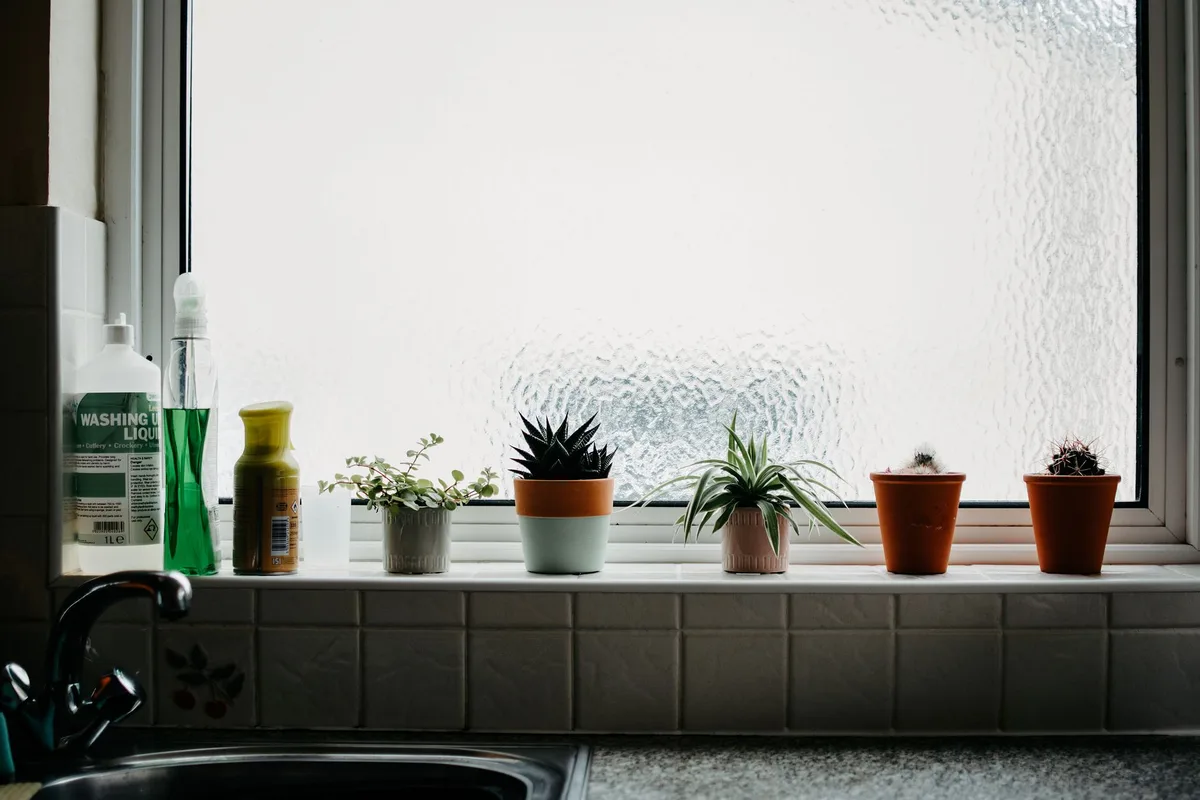
Plants That Create Striking Silhouettes
The architectural quality of a plant's form is amplified when viewed through frosted glass. It's not just about the green color; it's about the shapes the leaves and stems create against the diffused light. This is where plants with distinct growth habits really shine, turning into living sculptures.
Ferns: Delicate Dreams Through Diffusion
Ferns are perhaps one of the most iconic choices for this kind of display. Their natural complexity, with fronds that are often divided into numerous delicate leaflets, offers an incredible amount of visual interest when softened by frosted glass. Species like the Maidenhair Fern, with its incredibly fine, lacy fronds, transform into an almost ethereal cloud of green.
Even larger ferns, like the Boston Fern, will have their characteristic arching fronds become a softer, more flowing shape, with the divisions between leaflets creating a beautiful, intricate pattern of light and shadow.
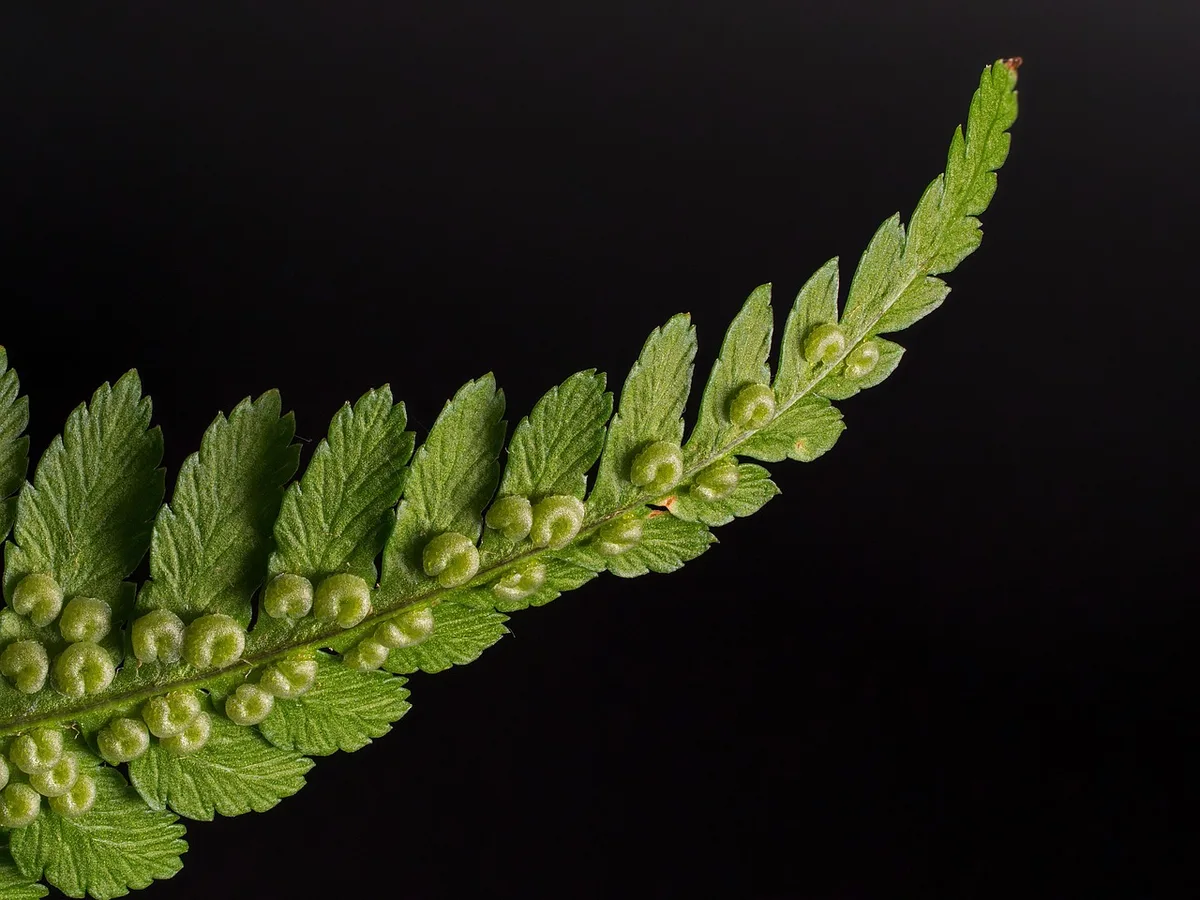
The appeal of ferns here is their inherent delicacy. Unlike a solid leaf, the structure of a fern means light can filter through its many parts, creating a layered, almost three-dimensional effect even when viewed through diffusion. This makes them perfect for spaces where you want a touch of delicate, organic beauty without overwhelming the senses.
If you’re looking to add a touch of natural, artistic softness, a fern is a fantastic starting point.
Statement Silhouettes: Snake Plants and ZZ Plants
If you're aiming for a more modern, graphic look, plants with strong, architectural silhouettes are the way to go. The Snake Plant ( Sansevieria trifasciata, now commonly Dracaena trifasciata) is a prime example. Its stiff, upright, sword-like leaves create bold, clean lines.
Behind frosted glass, these lines become even more pronounced, appearing as dark, striking bars of green. They offer a strong visual anchor without being distracting.
Manufacturer specifications for durable architectural glass often focus on impact resistance and light transmittance, but the aesthetic outcome for plants relies on the glass's diffusion properties. A well-placed Snake Plant, for instance, will stand out as a powerful silhouette, its shape simplified and emphasized by the frosted layer.
The ZZ Plant (Zamioculcas zamiifolia) also offers superb silhouettes. Its glossy, dark green leaves are arranged on upright stems, creating a full, yet structured form. Behind frosted glass, the typical sheen of the ZZ plant is softened into a gentle, diffused glow, and the individual leaflets blur into a mass of deep, rich green.
This creates a sophisticated, almost sculptural presence that feels intentional and impactful. These plants are excellent if you want to make a design statement with minimal fuss.
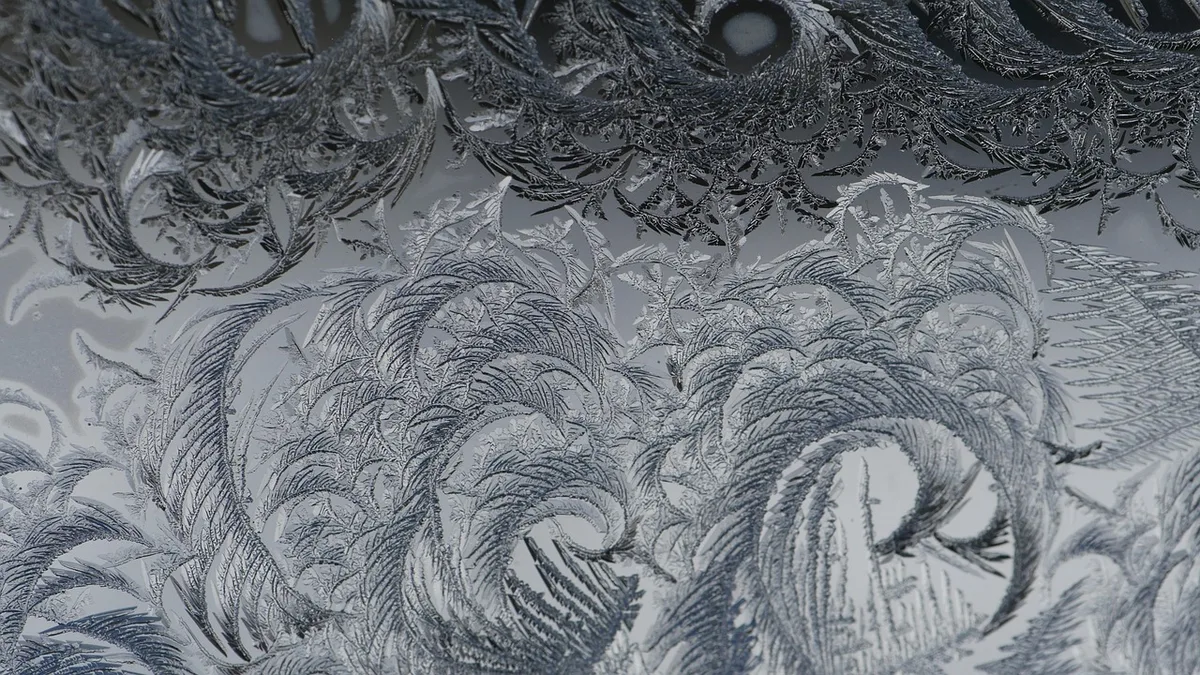
Interesting Textures: Peperomia and Pothos Varieties
Beyond just shape, the texture of leaves adds another dimension to how plants appear behind frosted glass. Many Peperomia varieties boast unique leaf textures and shapes that become even more intriguing when diffused. Think of Peperomia 'Ripple' with its deeply ribbed leaves, or Peperomia obtusifolia, which has thick, succulent-like leaves.
Behind frosted glass, these distinct textures are smoothed out, transforming into beautiful, soft forms and subtle color variations.
Similarly, Pothos (Epipremnum aureum) is a classic for a reason. Its heart-shaped leaves, when diffused, become lovely, muted green ovals. Trailing vines create elegant, flowing lines that are wonderfully softened, giving a touch of organic grace to the space.
Variegated Pothos varieties, like Marble Queen or Golden Pothos, will also show their patterns as softer streaks of cream or yellow against the muted green, creating a subtly mottled effect. These plants prove that interesting leaf textures can translate into beautiful visual effects through diffusion.
Other Great Choices: Dracaena and More
Many other plants can offer wonderful visual results behind frosted glass. Dracaena species, especially those with strap-like or sword-shaped leaves like the Dracaena massangeana (Corn Plant), create pleasing upright, softened stripes of green. If you have variegated Dracaenas, you might see softer streaks of yellow or white that add a gentle tonal variation.
Consider also plants with slightly fuzzy or textured leaves, such as certain Begonias or African Violets. Their natural surface qualities often enhance the diffusion effect, making them appear even softer and more plush. The key is to look for plants with interesting form or texture, understanding that the frosted glass will simplify and enhance these qualities, turning them into visually appealing elements within your room’s decor.
If you're planning to incorporate plants into a larger design scheme, these thoughtful selections can make a significant difference. For example, when considering overall garden design, understanding how different textures and forms interact is crucial. This principle also applies to indoor spaces.
Benefits Beyond Aesthetics: Privacy and Light Control
Using frosted glass for your plant displays offers more than just a pretty visual. It’s a practical solution for adding greenery to areas where direct light might be too intense, or where you need a touch more privacy. Many plants, particularly succulents or those prone to leaf scorch, benefit greatly from the diffused light that frosted glass provides.
This diffusion effectively turns harsh, direct sunlight into a softer, brighter indirect light source, mimicking ideal growing conditions for a wide range of common houseplants.
This type of controlled lighting is crucial for plant health, preventing the damage that direct sun can cause. For instance, while many flowering plants thrive in bright light, direct midday sun can scorch their petals and leaves, leading to brown spots or wilting. Frosted glass acts as a natural shade, offering ample illumination without the risk.
This also means you can place plants in windows that might otherwise be too intense, opening up new design possibilities for your indoor garden. It's a subtle upgrade that can significantly impact how well your plants thrive and how integrated they feel into your home's design.
When Frosted Glass is Ideal for Plant Placement
Frosted glass is particularly well-suited for plant placement in specific scenarios. Bathrooms, for example, often feature frosted windows to allow natural light in while maintaining privacy. Placing plants here enhances the spa-like atmosphere and adds a touch of life to a room that might otherwise feel sterile.
Similarly, entryways or hallways with windows can benefit. You can create a welcoming display that hints at the greenery within, without compromising the privacy of your home.
Consider also rooms where direct sunlight is unavoidable for much of the day, such as a west-facing living room. Instead of fighting the intense rays or constantly moving plants, frosted glass offers a straightforward solution. It’s especially useful if you’re dealing with limited space and can’t easily reposition plants throughout the day.
This approach can be seen in many modern home designs where natural light is maximized but controlled for comfort and plant health. For those looking to create controlled environments, similar principles apply to building out custom grow spaces, as detailed in considerations for building your own grow room.
Understanding Light and Plant Needs Behind Frosted Glass
The real advantage of frosted glass for plant displays is its ability to modify light. Direct sunlight, especially during peak hours, can be damaging for many common houseplants. Frosted glass effectively filters out the harshest UV rays and reduces the intensity of light, transforming it into a bright, diffused glow.
This is crucial for plants that prefer indirect light, as it provides the necessary brightness for photosynthesis without the risk of scorching their leaves.
Turning Harsh Light into Gentle Glow
Imagine a strong noon sun hitting a delicate fern. Without protection, its fronds could quickly develop brown, crispy patches. However, when placed behind frosted glass, that same sun's energy is scattered.
Instead of a direct blast, the plant receives a gentle, pervasive light that penetrates deeper into its foliage. This diffused light is often comparable to what plants receive near an east-facing window or several feet back from a south-facing one. It's this softening effect that makes a significant difference in plant health and appearance.
For many common houseplants, this consistent, gentle light is far more beneficial than erratic, harsh direct sun. This principle is similar to how experienced gardeners manage light exposure, sometimes using shade cloth, which functions on a similar diffusion principle. For instance, for certain plants that are sensitive to too much sun, managing their exposure is key to healthy growth and vibrant foliage.
Ensuring Your Plants Still Get Enough Light
While diffusion is beneficial, it's important not to mistake frosted glass for a solution for low-light environments. Frosted glass still allows a significant amount of light to pass through, but it's the quality of light that changes. Plants that genuinely require very low light conditions might still struggle behind frosted glass if the overall light level in the room is insufficient.
Conversely, plants that demand direct, strong sunlight might need to be placed very close to the frosted glass or supplemented with grow lights.
Research indicates that most common houseplants perform best with 6-8 hours of bright, indirect light per day. Frosted glass can help achieve this in many standard window placements. However, always consider the specific needs of your chosen plant.
If a plant is known to thrive in a sunny windowsill, placing it behind a heavily frosted pane might not provide enough intensity. You can often tell by observing your plant; pale, leggy growth might indicate it's not getting enough light. For further guidance on light requirements, consulting horticultural charts or plant-specific guides is always recommended.
If you're considering building a dedicated space for plants, understanding grow tent size guides and ventilation setups can be crucial for optimizing light and air conditions.
Common Visual Pitfalls to Avoid
While the softened look behind frosted glass is generally appealing, there are a few instances where the effect might not be as striking or could even be a bit disappointing. These usually come down to pairing the wrong plant with the glass, or the glass itself having an unexpected quality. It’s about managing expectations and understanding how the diffusion interacts with different plant types.
When the Effect Doesn't Quite Work
One common issue arises when plants have very uniform, large, solid leaves with little natural texture or intricate division. Think of a Fiddle Leaf Fig (Ficus lyrata) with its big, smooth leaves. While it will still be visible, the frosted glass might simplify its form too much, potentially leading to a less interesting silhouette than expected.
The effect can sometimes look like a generic green blob rather than a distinct shape.
Another scenario is when the frosting on the glass is excessively opaque or the light source is very dim. In such cases, the plant’s form can become too indistinct. It’s less of a beautiful silhouette and more of a vague shadow, losing the visual appeal entirely.
Sometimes, even plants with interesting leaf shapes can appear somewhat muddy if the light is too low, making it hard for the diffused light to create a clear contrast. This is why ensuring adequate, bright indirect light is so important, as discussed earlier.
Plants That Might Appear Too Blurry or Undistinct
Certain plant types are just less suited to creating a strong visual statement behind frosted glass. Plants with very small, densely packed leaves, like some Fittonia varieties or certain miniature succulents, can become a visual blur. The sheer number of tiny elements can merge into a single, indistinct mass, losing the charm of their individual features.
Similarly, plants with very pale or nearly translucent leaves might not create enough contrast to stand out effectively. While they might still be visible, their delicate nature could be further washed out by the diffusion, making them appear faded or lost. If you’re aiming for a clear, impactful silhouette, it’s often best to choose plants with bolder leaf shapes, deeper colors, or more pronounced textures.
For example, when choosing paint for a fence, understanding which colors and finishes provide better visibility is key; the same principle applies to plant silhouettes against frosted glass.