Plum Tree Flowers, But Where's the Fruit? Let's Pinpoint the Problem
It’s frustrating, isn't it? You've nurtured your plum tree, watched it burst into a breathtaking show of spring blossoms, only to end up with bare branches when harvest time should be approaching. Seeing gorgeous flowers that never lead to fruit feels like a gardening April Fool's joke.
This common issue often boils down to a few key factors in pollination and tree health. Luckily, understanding these elements can help you diagnose the problem and, more importantly, find the right solutions for a fruitful harvest.
Quick Answer
Plum tree flowers don't produce fruit mainly due to pollination failure or tree stress. Self-pollinating varieties may need better pollinator activity, while cross-pollinating types require a compatible partner tree nearby. Young trees, frost damage, nutrient imbalances, or severe pests also prevent fruit set.
As of 2026, checking variety compatibility and pollinator presence are critical first steps.
Why Your Plum Blossoms Aren't Turning into Fruit
The transition from delicate plum blossoms to plump, ripe fruit is a complex process. When this transition fails, it’s usually because the fundamental requirements for fruit development haven't been met. Think of it like a relay race; if just one runner drops the baton, the whole race is lost.
For most plum varieties, the primary goal of those beautiful flowers is reproduction, specifically, creating seeds that will grow into new plum trees. This requires successful pollination, which then leads to fruit set. If pollination falters, the tree often sheds its flowers and redirects its energy elsewhere.
This is why understanding the nuances of pollination is key to solving the riddle of plum tree flowers but no fruit.
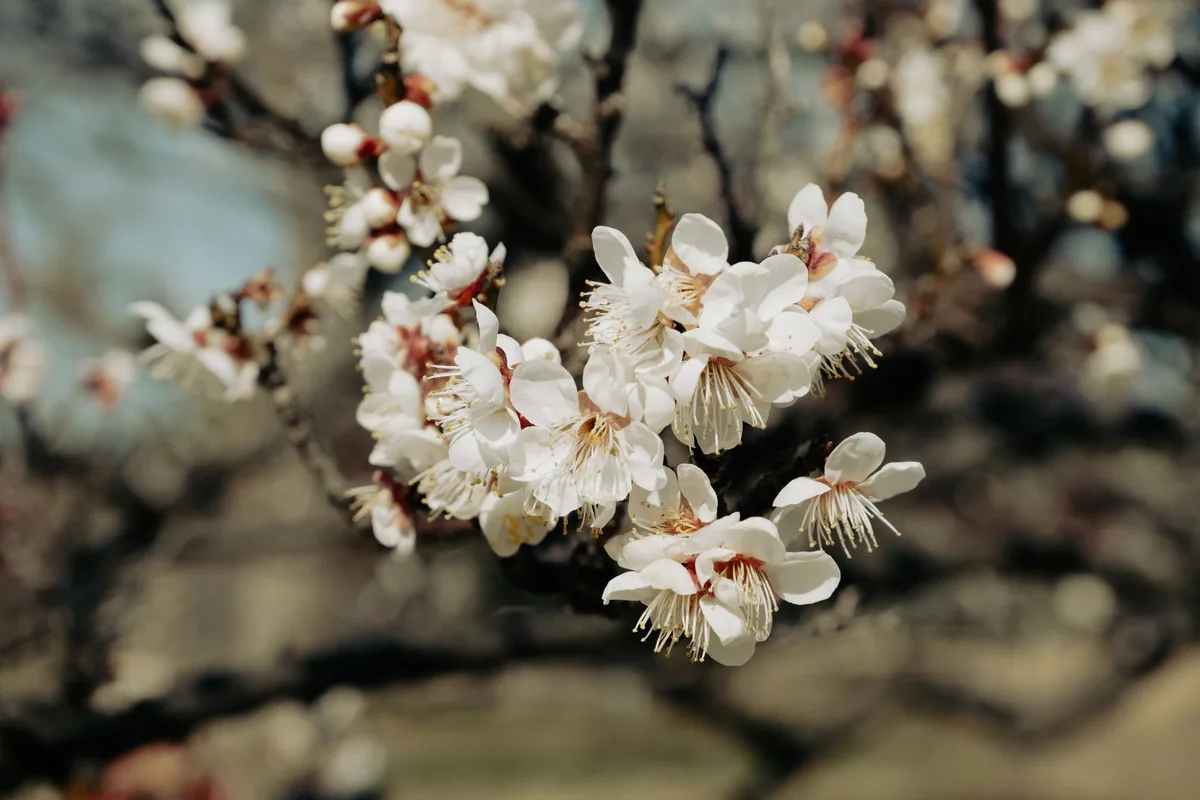
The Pollination Puzzle: Self-Pollinating vs. Cross-Pollinating
This is often the biggest hurdle for getting fruit from your plum tree. Not all plum trees are created equal when it comes to pollination. You've got two main categories: self-pollinating and cross-pollinating.
- Self-pollinating plum varieties are, as the name suggests, quite independent. Pollen from their own flowers is usually sufficient to fertilize the egg within the same flower or another flower on the same tree. Think of them as being able to handle their own matchmaking. However, even these self-sufficient trees can produce more fruit if they have a neighbor tree around to provide a boost of pollen, especially if local pollinator activity is low.
- Cross-pollinating plum varieties are the social butterflies. They absolutely require pollen from a different, compatible plum tree to produce fruit. If you have only one of these trees, or if the neighboring plum trees are incompatible (e.g., different species or varieties that don't cross-pollinate well), then your flowers will likely fall without ever developing into fruit. This is a critical distinction; if you have a cross-pollinating variety, a single tree simply won't do.
Manufacturer specifications often list a plum tree variety's pollination needs, so identifying your tree's specific type is your first diagnostic step.
Does Your Tree Need a Neighbor? Identifying Plum Varieties
Figuring out whether your plum tree is self-pollinating or needs a partner is crucial. If you don't know the variety, there are a few ways to investigate.
- Check Original Records: If you bought the tree, revisit your purchase records, tags, or receipts. Nurseries usually label their fruit trees with the specific variety name.
- Consult the Seller: If you remember where you bought it, a call to the nursery might help. They often keep records of what they sell.
- Observe Neighbors: Are there other plum trees in your immediate vicinity? If nearby plum trees are fruiting, and yours isn't, it might point to a compatibility issue with your specific variety or a lack of pollination support. If there are no other plum trees nearby, and yours consistently fails to fruit, it strongly suggests a cross-pollination requirement.
Understanding the variety’s pollination needs is a foundational step because, as verified research from horticultural extension services indicates, planting a single cross-pollinating plum tree leaves you with beautiful blossoms but no harvest. For example, 'Shiro' plums are known to be partially self-fertile but produce much better when cross-pollinated with other varieties.
When Bees Go Missing: The Crucial Role of Pollinators
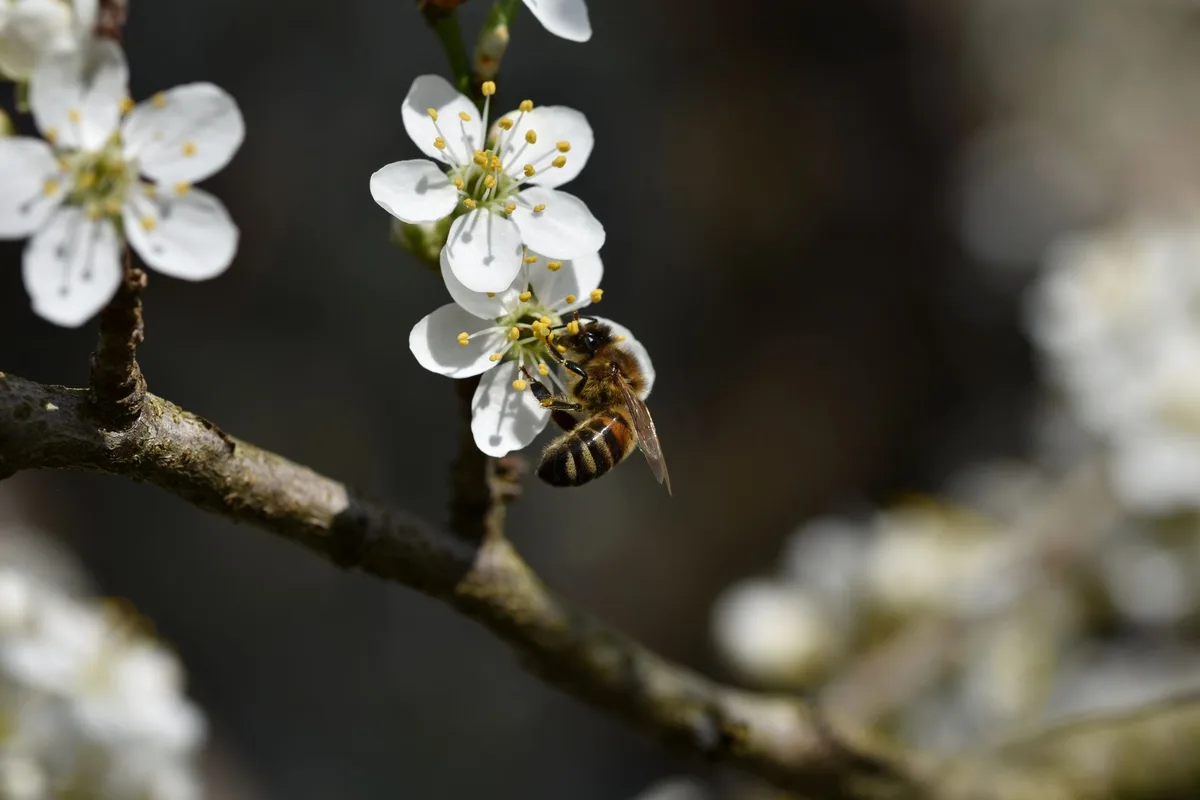
Even if your plum tree is self-pollinating or has a compatible neighbor nearby, it still needs a delivery service for its pollen. This service is typically provided by those busy little bees, but butterflies, moths, and other flying insects can also play a role. Pollen grains are microscopic and sticky; they need to be physically moved from one flower to another.
If your area has experienced a decline in bee populations, or if your garden isn't attracting pollinators during the blooming period, this can be a major reason why your plum flowers aren't setting fruit. Weather plays a significant part here, too. Heavy rain, strong winds, or cold temperatures during bloom can keep pollinators grounded, directly interfering with the pollination process.
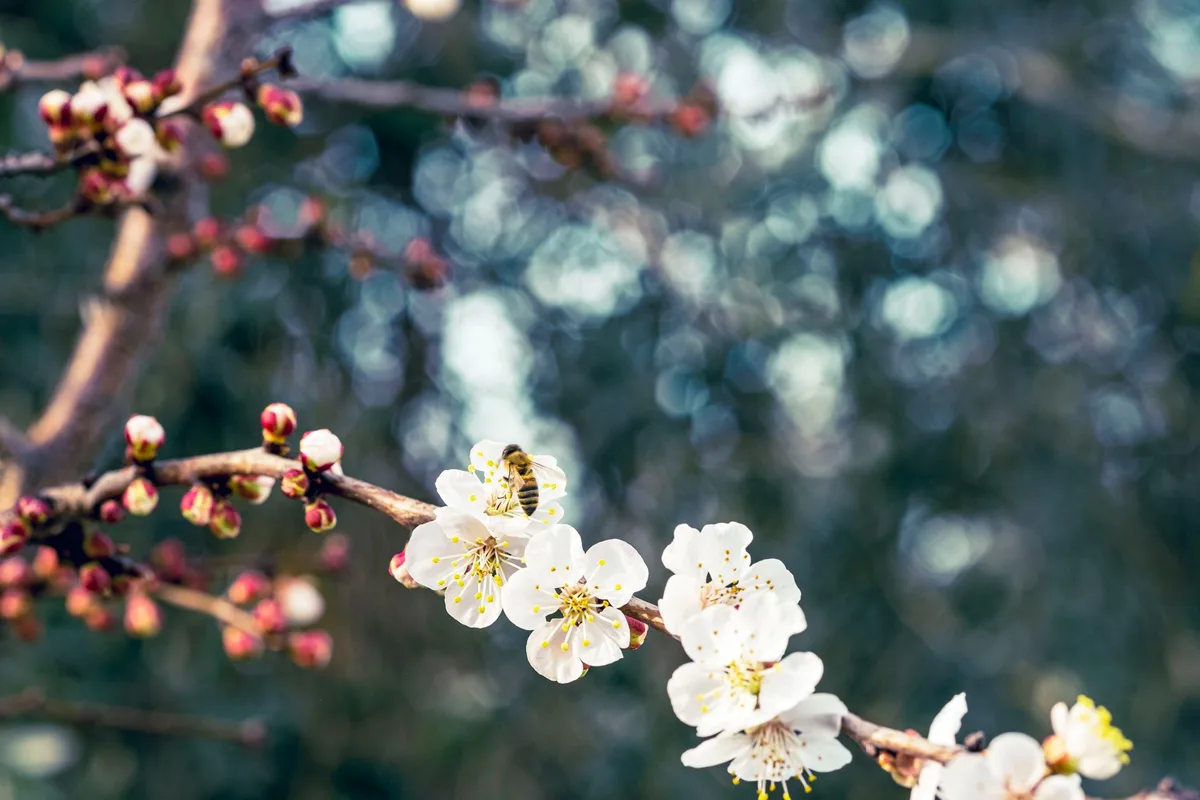
When conditions aren't ideal for insects, or if chemical applications have reduced local insect populations, your blossoms might go unvisited. Aggregate reviews from horticultural forums frequently highlight how even a slight reduction in pollinator activity can lead to a significant decrease in fruit yield.
Is Your Tree Too Young or Too Stressed to Fruit?
While pollination is the most common culprit, other factors can prevent a plum tree from producing fruit, even if its flowers are perfectly pollinated. Your tree might simply be too young, or it could be under significant stress, causing it to prioritize survival over fruit production.
Trees, much like other living organisms, have life stages and responses to their environment. A young tree is still establishing itself, and older trees might face age-related challenges. Stressors can come from many sources, from soil conditions to environmental challenges.
Age is Just a Number? Young Trees and Fruiting Expectations
It's very common for younger fruit trees to focus all their energy on growt and root development rather than on producing fruit. They need time to mature and build a robust structure. Plum trees, depending on the variety and how they were propagated, typically start bearing fruit between their third and sixth year after planting.
For instance, trees grown from seed may take longer to fruit than those grafted onto dwarfing or semi-dwarfing rootstock. If your plum tree is only one or two years old, and it’s covered in flowers, that's a good sign of its health and potential. You might just need to exercise a bit of patience.
According to horticultural guides, directing too much attention to encouraging early fruiting in very young trees can sometimes be detrimental, as it may stunt their overall growth and long-term health. Focusing on proper watering, soil enrichment (like using compost), and ensuring the best conditions for growth is key during these early years. You can learn more about seasonal garden enrichment on our blog: what fertilizer to use in spring at your garden.
Signs of Stress: Pests, Diseases, and Nutrient Issues
A stressed plum tree will often signal its distress by not producing fruit. This is a survival mechanism; when resources are scarce or threats are high, reproduction takes a backseat. Common stressors include:
- Nutrient Imbalances: Too much nitrogen, for example, can encourage lush leafy growth at the expense of flowers and fruit. Forgetting to replenish vital nutrients can also hinder fruit development. A soil test can reveal if your soil is deficient in key elements like potassium or phosphorus, which are important for flowering and fruiting. For more on soil, check out our guide on compost vs fertilizer.
- Pests and Diseases: Significant infestations of pests like aphids, spider mites, or plum curculio can weaken the tree. Similarly, diseases like brown rot or black knot can sap the tree's energy and damage its reproductive parts. A healthy canopy is essential for the photosynthesis that fuels fruit production. If you notice wilting leaves, unusual spots, or visible insects, it's time to investigate pest and disease management. Learning about hoes to get rid of garden weeds might be helpful in reducing competition for resources.
- Water Stress: Both drought and overwatering can stress the tree. Consistent, appropriate watering is crucial, especially during the budding, flowering, and fruit set stages.
If your tree exhibits any of these stress signs, addressing the root cause is paramount. A healthy tree is a fruiting tree. Addressing these issues proactively can lead to better yields in subsequent years.
Taking Action: Solutions for No Fruit Set
Now that we've explored the common reasons behind a lack of fruit, let's talk about concrete steps you can take. Fixing the problem often starts with addressing the specific cause we identified. Whether it's a pollination issue, tree age, or stress, there are actionable solutions.
It’s not about a single magic fix, but rather targeted improvements based on your tree's situation. Fortunately, many of these actions can be implemented with standard gardening practices and readily available materials.
Planting for Pollination: Getting the Right Partners
If your diagnosis points to a cross-pollinating plum variety requiring a partner tree, planting a second, compatible plum is your most effective long-term solution. The key here is compatibility; not just any plum tree will do. You need a variety that blooms around the same time and is known to cross-pollinate well with yours.
For example, if you have a 'Burbank' plum, which typically needs a pollinator, varieties like 'Santa Rosa' or 'Methley' are often recommended as good partners. Researching plum pollination charts, which are often available from university extension offices or reputable horticultural sites, is essential. These charts usually list compatible pollinators for popular plum varieties.
Planting another tree can take time, but it's the most natural and effective way to ensure future fruit harvests.
Attracting More Bees: Creating a Pollinator Haven
Even if your plum tree is self-pollinating, encouraging more bee activity can significantly boost fruit set. Bees are the most efficient pollinators, and a garden that supports them is a benefit to your entire landscape. Avoid using pesticides, especially during the plum tree's blooming period, as these can harm or kill essential pollinators.
Consider planting a variety of nectar-rich flowers that bloom at different times throughout the year, providing a continuous food source for bees. Native wildflowers are particularly beneficial. Offering a shallow water source, perhaps with pebbles or small rocks for bees to land on, can also help keep your pollinator population happy and hydrated.
If you’re planning significant garden work, remember to consider how it impacts local wildlife. More on garden enrichment can be found on our compost vs fertilizer page.
Nourishing Your Tree: Soil Health and Fertilization Basics
A well-nourished plum tree is a healthy, productive tree. Soil health is the foundation for this. If your tree is stressed due to nutrient deficiencies, its energy will be diverted from fruit production to simply staying alive.
A soil test is the best way to understand what your soil is lacking.
You can often get soil testing kits from local garden centers or through your county extension office, usually for a small fee. Based on the results, you can amend your soil. For instance, if a test reveals low potassium, adding a balanced fruit tree fertilizer or organic amendments rich in potassium can help.
Conversely, excessive nitrogen can lead to too much leafy growth and scant fruit; ensure your fertilizer has a lower first number (N) compared to the others. Learning when to fertilize lawn can also inform your tree fertilization practices.
Tackling Pests and Diseases for Better Fruit Yield
Dealing with pests and diseases is a common part of fruit tree care, and their impact extends to fruit set. When a tree is battling these issues, it often won't have the energy to support flower development and fruit. Early detection and appropriate management are key.
For instance, the plum curculio, a notorious pest, lays its eggs in developing fruit, causing it to drop prematurely. Bacterial or fungal diseases like brown rot can affect the blossoms themselves, preventing pollination or causing them to wither and fall. Identifying the specific pest or disease is the first step, followed by choosing an effective, and ideally organic, treatment.
For instance, removing diseased branches promptly can help prevent spread. Remember to keep your growing area healthy year-round; consider proper how to start a lawn mower after winter for off-season maintenance.
Dealing with Frost: Protecting Your Blossoms
Late spring frosts can be devastating for plum trees that have already burst into bloom. The delicate tissues of the flowers are highly susceptible to freezing temperatures, and even a light frost can kill them, halting fruit development. If you live in an area prone to late frosts, timing is everything.
Observing historical frost data for your region can help you anticipate potential risks. While you can't control the weather, there are some protective measures. Covering young or especially vulnerable trees with frost cloths or blankets overnight can offer a few degrees of protection.
For larger trees, overhead irrigation can sometimes help by creating a layer of ice that insulates the blossoms, releasing latent heat that protects them. However, this method carries its own risks if not managed correctly, so it’s best for experienced growers.