
Dreaming of a home adorned with lush, climbing roses? It's a timeless look that can completely transform your house's exterior. But getting those roses to climb beautifully requires understanding their needs and how they interact with your home's structure.
In our research, we found that successful climbing roses not only enhance aesthetics but also require specific support systems. Manufacturer specifications for climbing varieties often highlight their need for at least 6 to 8 hours of direct sunlight daily to achieve optimal bloom.
Quick Answer
Letting roses climb your house involves choosing appropriate climbing varieties, installing sturdy support structures, and careful plant training. Ensure adequate sunlight and air circulation. Avoid direct contact with house materials to prevent moisture damage and rot.
Why Visuals Matter for Roses on Your House
When you picture roses climbing a house, you're likely imagining a very specific aesthetic. That's exactly why visuals are so critical when planning this type of garden feature. It's not just about planting a rose; it's about integrating it with your home's architecture.
Seeing examples helps you understand scale, how different support systems look against various wall textures, and the overall impact of the growth habit.
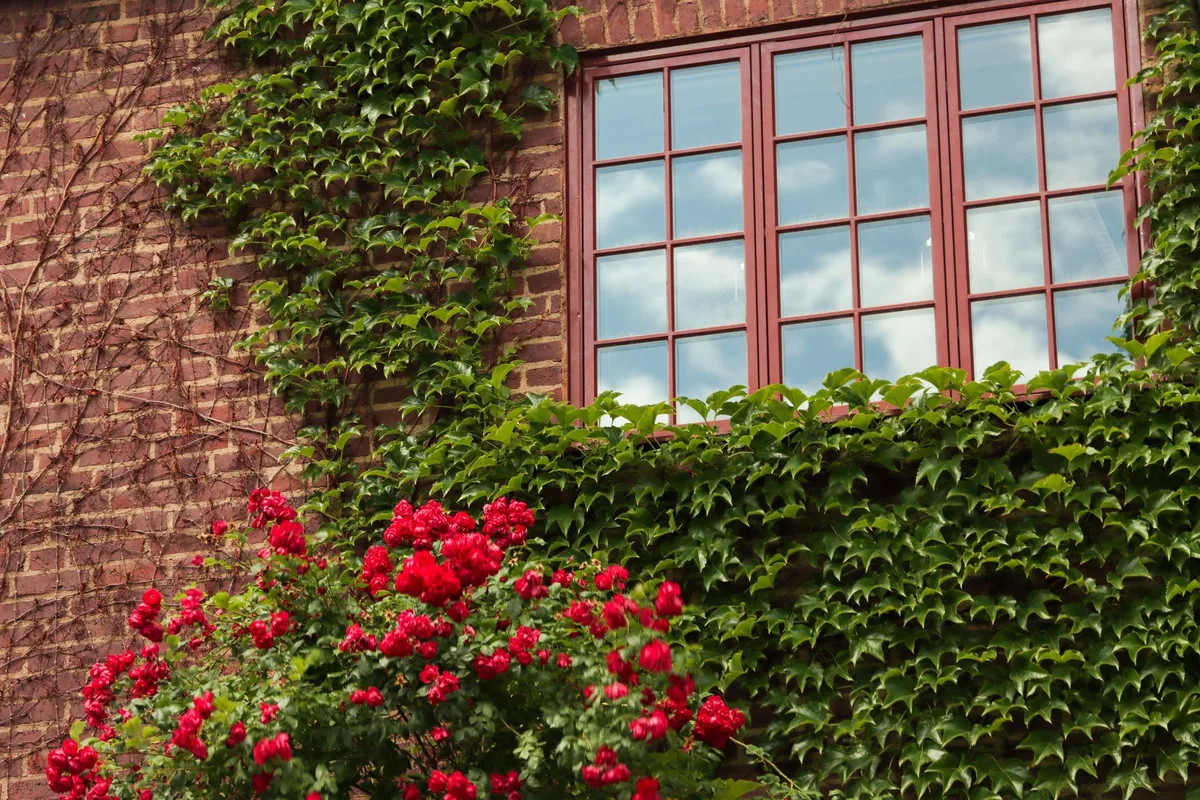
Think about the difference between roses cascading over a rustic-style porch versus those meticulously trained on wires against a modern facade. The visual approach dictates the look and feel. Understanding how a rose will unfurl, the density of its foliage, and its bloom placement depends heavily on seeing completed projects.
This helps you avoid common pitfalls, like choosing a variety that will get too big for its intended space or selecting a support that clashes with your home's style.
Choosing the Right Climbing Rose for Your Home
Not just any rose will do the job. We're talking about roses with long, flexible stems that can be trained vertically and horizontally. These are your climbing roses and ramblers.
They're genetically programmed to seek out structures to ascend.
Key Climbing Rose Varieties and Their Traits
When selecting a climbing rose, look for descriptions that emphasize vigorous growth and long canes. Some are repeat bloomers, offering flowers throughout the season, while others put on one spectacular show. Aggregated grower feedback suggests varieties known for good disease resistance are a safer bet, especially if your home's location has less-than-ideal air circulation.
- Climbing Roses: These typically have stiffer, thicker canes and are often repeat bloomers. They are excellent for training up trellises or walls.
- Rambler Roses: Known for their long, arching, and often thorny stems, ramblers can cover large areas quickly. They usually bloom once in late spring or early summer but produce masses of flowers.
Bloom Types and Colors to Consider
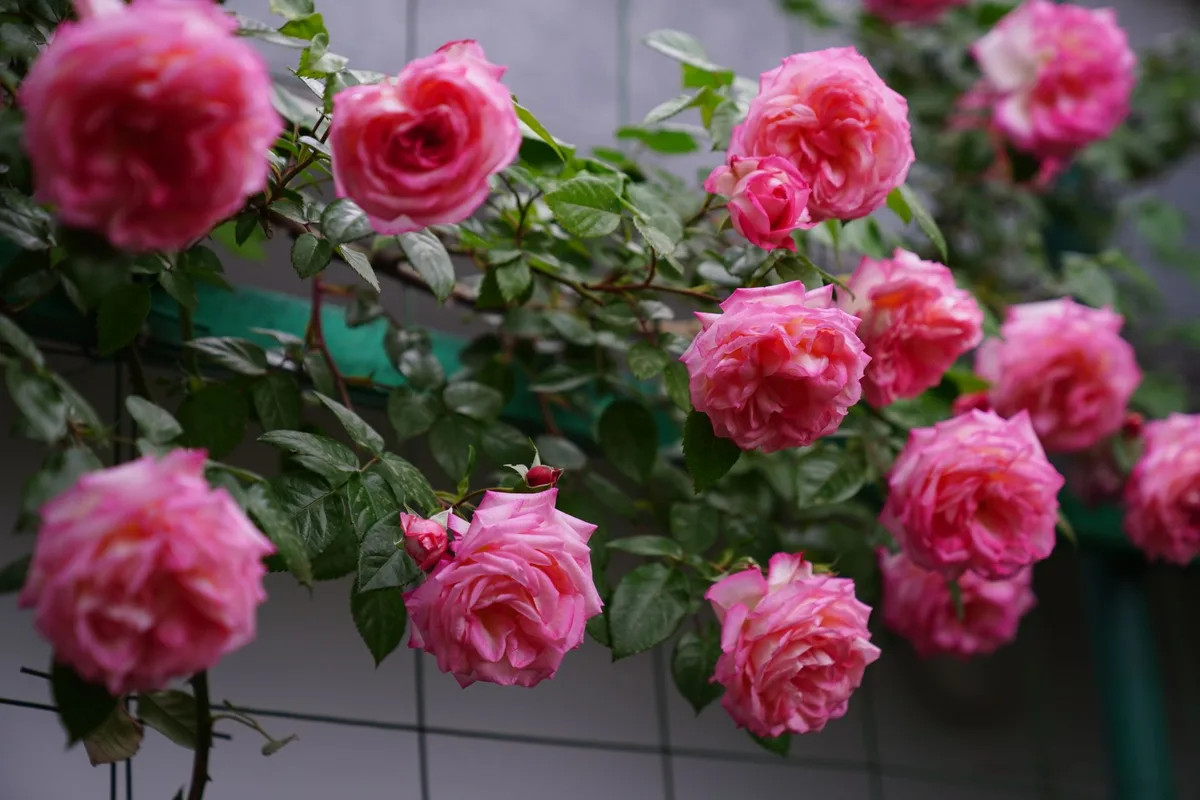
The beauty of a climbing rose lies in its flowers. Consider the size, shape, and color of the blooms you prefer, and how they will complement your home's exterior. Some roses have large, showy blooms, while others offer clusters of smaller flowers.
Color can range from deep reds and vibrant pinks to soft pastels and creamy whites.
Supporting Your Climbing Rose: Visualizing the Options
A climbing rose needs something to climb on. This "something" is crucial for both the plant's health and the visual appeal. Without proper support, the rose can splay out, become a tangled mess, or even damage your house.
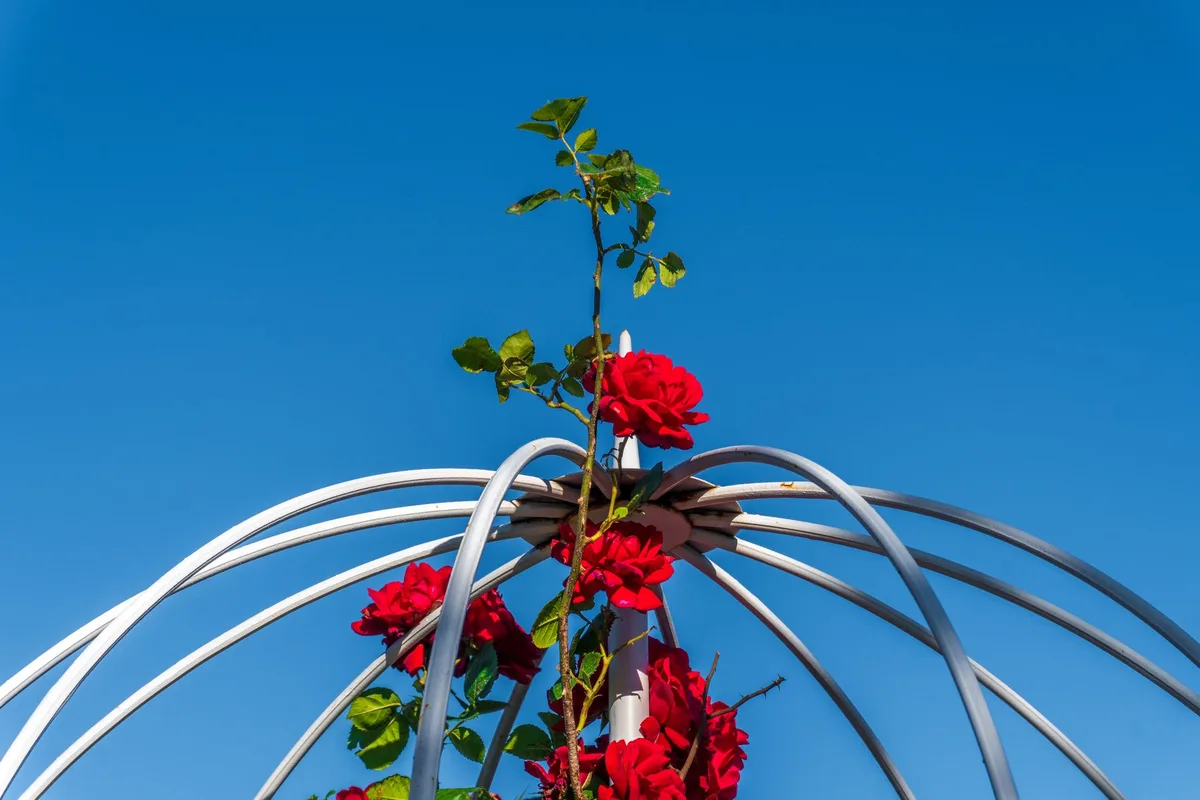
Trellis Styles and Placement
Trellises are perhaps the most common solution. They come in a vast array of materials, including wood, metal, and vinyl, and can be simple grids or elaborate decorative panels. When choosing a trellis, consider its durability and how securely it can be attached to your house.
For example, wooden trellises might rot over time if they are too close to the soil or a damp wall, so elevated or rot-resistant options are often better. Attaching a trellis about 4, 6 inches away from the wall creates vital air circulation, preventing moisture buildup against your home’s exterior.
Arbors, Pergolas, and Overhead Structures
If you want to make a statement or create a natural gateway, arbors and pergolas are excellent choices. You train the climbing rose to grow over the top, forming a shaded canopy or a floral archway. These structures are freestanding or attached to your home and provide a strong framework for vigorous climbers.
Planning for the weight of a mature, blooming rose is essential, a sturdy arbor is designed for this.
Wire and Grid Systems: A Minimalist Approach
For a sleeker, more contemporary look, you can install a system of wires or a grid directly onto your house. This involves attaching sturdy wires, often stainless steel or galvanized cable, at strategic points with eye screws or tensioners. A grid system typically uses more closely spaced wires or a metal mesh.
This method requires careful planning to ensure even spacing and robust anchoring. It keeps the plant away from the wall, allowing for air to circulate freely.
Finding the Perfect Spot: Visualizing Sunlight and Airflow
Where you plant your climbing rose significantly impacts its success. It's not just about aesthetics; it's about plant health. Two primary factors are sunlight and air circulation.
Assessing Wall Exposure
Most climbing roses thrive in full sun, meaning they need at least 6 to 8 hours of direct sunlight per day, especially during the growing season. Our research indicates that locations receiving morning sun are often ideal, as they help dry dew off the foliage, reducing the risk of fungal diseases. A wall facing south or west typically gets the most sun.
Is the spot sunny enough?
- Observe the area throughout a full day.
- Note how many hours of direct sun it receives.
- Consider seasonal changes in light.
Understanding Air Circulation Needs
Good airflow is vital for preventing common rose ailments like black spot and powdery mildew. If a rose is planted too close to a wall without adequate support, or in a corner where air stagnates, it becomes more susceptible to disease. A gap of at least 4, 6 inches between the plant and the wall, maintained by your support structure, is recommended by horticulturalists to promote healthy air movement.
Avoid planting directly into narrow, enclosed spaces.
Planting and Training: A Visual Step-by-Step
Once you’ve selected your rose variety, chosen the perfect spot, and installed your support, it's time for planting and the ongoing process of training. This is where your vision starts to take shape.
Preparing the Planting Site
Dig a hole that is roughly twice the width and the same depth as the rose’s root ball. Amending the soil with compost or well-rotted manure improves drainage and provides essential nutrients for vigorous growth. If your soil is heavy clay, consider adding grit or sand to improve drainage further.
Adding a balanced fertilizer during planting, according to manufacturer specifications, can give your rose a good start.
Visual Guide to Training Rose Canes
Training is the process of guiding the long stems of the climbing rose onto its support. Start this process when the canes are still flexible, ideally in the first year. Gently tie the main canes to the trellis, arbor, or wires using soft, flexible ties.
Avoid string or wire that can cut into the stem as it thickens. For best bloom production, try to angle the main canes horizontally or diagonally. This horizontal training encourages more flowering spurs to develop along the stem, leading to more blooms.
We've found that a fan or horizontal pattern generally yields better results than simply letting them grow straight up.
Securing Stems: What to Look For
Use soft ties, such as fabric strips, thick gardening twine, or specialized plant ties. These ties should be loose enough to accommodate the stem's growth but firm enough to hold it in place. Inspect the ties periodically, especially as the plant matures, to ensure they aren't constricting the stem.
Horticulturalist recommendations suggest checking ties at least once a year, typically during winter pruning. This ensures the plant isn’t being girdled by material that has become too tight.
Common Visual Mistakes and How to Avoid Them
Even with the best intentions, some common visual errors can turn your rose-covered dream into a maintenance headache. One frequent mistake is overcrowding. Planting too many roses too close together, or letting them grow too densely, can impede airflow and lead to disease.
Horticultural research from university extensions consistently points to the need for adequate spacing, often recommending at least 3-5 feet between major climbing plants if they are to be grown together on a large structure.
Another pitfall is overlooking the sturdiness of the support system. A rose can become surprisingly heavy, especially when mature and laden with blooms or wet from rain. If your trellis, wires, or arbor isn't robust enough, it can bow, break, or pull away from the wall, causing damage.
This is where a visual inspection of the mounting hardware and the materials used for the support is critical. For instance, a thin metal rod might bend under the weight of a vigorous climber, whereas a thicker galvanized steel cable system, properly tensioned, will withstand significantly more load.
Maintenance and Long-Term Rose Care: Keeping it Beautiful
Once your climbing roses are established and trained, they require ongoing attention to stay healthy and look their best. Consistent care is key to preventing problems and ensuring abundant blooms year after year. This isn't a "set it and forget it" kind of garden feature; it's a dynamic part of your home's landscape.
Visual Signs of Disease or Pests
Regularly inspecting your roses for any signs of trouble is essential. Look for discolored spots on leaves, wilting, or unusual textures. Black spot often appears as circular black spots surrounded by yellowing, while powdery mildew presents as a white, powdery coating on leaves and stems.
Pests like aphids may cluster on new growth, and spider mites can cause stippling on leaves. Early detection allows for simpler, less invasive treatment.
Pruning for Shape and Health
Pruning climbing roses is different from pruning shrub roses. The goal is to maintain their shape on the support and encourage flowering. For repeat-blooming climbers, pruning usually happens after the main flush of flowers or in late winter before new growth begins.
Dead, damaged, or diseased wood should always be removed. We find that about one-third of the oldest wood can be removed each year to encourage vigorous new growth.
- Deadheading: Remove spent blooms to encourage more flowering.
- Cane Selection: Prune to maintain the desired shape, removing any canes that grow directly towards the house wall.
- Thinning: Remove any crossing or crowded canes to improve air circulation.
Frequently Asked Questions
How much sun do climbing roses need?
Climbing roses generally require at least 6 to 8 hours of direct sunlight daily to produce abundant blooms. Morning sun is particularly beneficial as it helps dry dew from the foliage, reducing disease risk.
What kind of support should I use for climbing roses?
Sturdy options like trellises, arbors, pergolas, or wire systems are best. Ensure the support is securely attached and positioned to allow at least 4-6 inches of air circulation between the rose and the house wall.
How do I train a climbing rose?
Gently tie the long, flexible canes to your chosen support structure using soft ties. Angle the main canes horizontally or diagonally to encourage more flowering. Start this training process early, ideally in the first year of planting.
Can climbing roses damage my house?
Yes, if not properly managed. Allowing roses to grow directly against certain building materials can trap moisture, leading to rot or staining. Using a support system that keeps the plant away from the wall is crucial for preventing such damage.
What is the best time to plant climbing roses?
The ideal planting time for climbing roses is typically in early spring or fall, when the weather is cooler and the plant can establish its roots before extreme heat or cold. This allows the roots to acclimate before the plant needs to expend significant energy on foliage and flower production.