
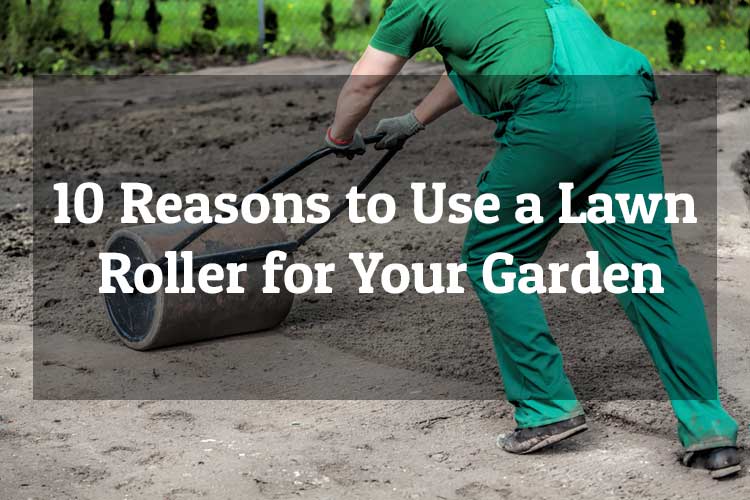
A bumpy, uneven lawn doesn't just look untidy—it creates real problems for mowing, drainage, and plant health. If you've struggled with lumpy ground after winter frost, patchy new seed that won't take hold, or sod that refuses to root properly, a lawn roller might be the simplest solution you haven't tried yet.
A lawn roller is a heavy drum—typically filled with water or sand—that you push across your grass to flatten the surface. It's not the most glamorous garden tool, but it solves several persistent problems that other equipment can't address. Whether you're establishing a new lawn, repairing winter damage, or just chasing that professionally striped look, understanding when and how to use a roller makes a real difference.
Below are ten practical reasons to use a lawn roller in your garden, drawn from hands-on experience with both manual and tow-behind models.
Smooths Out Bumps and Uneven Ground After Winter
Freeze-thaw cycles during winter push soil upward, creating small mounds and depressions. Frost heave is especially noticeable in clay-heavy soils. Rolling your lawn in early spring presses those lifted areas back down before the growing season starts.
For best results, roll when the soil is slightly moist but not waterlogged. If the ground is too wet, rolling compacts the soil too aggressively. Too dry, and the roller won't sink enough to level the bumps. A good rule: walk across the lawn and notice if your footprint holds its shape without water pooling in it. That's the sweet spot.
Creates That Professional Striped Lawn Look
Those alternating light and dark stripes you see on sports fields and golf courses aren't painted on. They come from bending grass blades in opposite directions. A lawn roller does this efficiently.
After mowing, roll the lawn in straight lines, lifting the roller at each end before turning. The weight bends the grass one direction on the forward pass, then the opposite direction on the return. Light reflects differently off the bent blades, creating the striped illusion. This has no effect on grass health—it's purely visual—but it does make an ordinary lawn look exceptionally well cared for.
Prepares an Even Surface for Seeding or Sod
New grass seed needs consistent soil contact to germinate. If the ground is full of clods and hollows, some seeds land too deep, others too shallow, and germination becomes patchy. Rolling before seeding breaks down those clods and gives you a uniform seedbed.
Run the roller over the area first to flatten and firm the soil. Scatter your seed, then roll again lightly to press the seeds into contact with the soil. This second pass is critical—it prevents birds from picking off loose seeds and keeps moisture close to the germination zone. For anyone setting up a new lawn, this double-rolling technique is one of the most reliable methods available.
Encourages Deeper Root Growth in New Sod
New sod needs firm contact with the soil beneath it to root quickly. Air pockets between the sod and ground cause edges to dry out and roots to die. A roller eliminates those gaps.
After laying sod, fill the roller about half full with water and pass it over the entire area. The weight presses the sod roots into the soil, promoting faster establishment. You only need to roll once immediately after laying. Rolling again after the sod has started rooting can compress the developing root system, so resist the temptation to repeat the process later.
Improves Soil-to-Seed Contact for Better Germination
This connects directly to seeding, but it deserves its own mention because so many gardeners get it wrong. Simply scattering seed and hoping for rain doesn't produce consistent results.
After broadcasting seed, a light rolling presses each seed into firm contact with the soil. Without this step, seeds on top of loose soil dry out quickly and germinate unevenly. The weight of the roller doesn't bury the seed—it just settles it into the surface. Combined with proper watering, this single action can improve germination rates noticeably compared to unrolled areas.
Reduces Moisture Loss from Soil Surface
Loose, cloddy soil has large air spaces that allow moisture to evaporate quickly. Rolling compresses the top layer slightly, reducing those air gaps and slowing water loss from the soil surface.
This is particularly helpful in sandy soils that drain fast and in hot weather when evaporation is highest. The effect isn't dramatic enough to replace proper irrigation, but it does mean your soil stays moist a bit longer between waterings. In practice, this gives germinating seeds and shallow-rooted grass a better chance during dry spells.
Provides Light Exercise While Gardening
Manual lawn rollers require pushing, and pushing a 150–200 pound drum across a lawn is genuine physical work. For people who spend most of their day seated, this is a pleasant side benefit.
A typical 50×100 foot lawn takes about 20–30 minutes to roll at a steady walking pace. That's a moderate cardiovascular effort without being exhausting. The handle height on most models forces a natural walking posture, so you aren't hunched over like you might be with a rake or hoe. It's not a gym replacement, but it contributes to daily activity in a way that feels purposeful rather than forced.
Simple to Operate with No Fuel or Electricity
Unlike aerators, dethatchers, or mowers, a manual lawn roller has no engine, no spark plugs, no fuel to mix. There's nothing to start, nothing to maintain seasonally. You fill the drum with water, push it, and empty it when you're done.
Tow-behind models attach to a garden tractor or ATV, but the same principle applies—no separate power source needed. For gardeners who prefer low-tech, reliable tools, this simplicity is a genuine advantage. No troubleshooting when something won't start. No winterizing the fuel system. Just use it and store it.
Low Maintenance Requirements Over the Long Term
A roller's main vulnerability is rust. If water sits inside a steel drum for months, the interior will corrode and eventually leak. The solution is easy: after each use, drain the water completely and store the roller upright or on its side so air can circulate inside.
The only other wear point is the axle bearings. A squirt of WD-40 once a year keeps them turning freely. That's it. Compared to the blade sharpening, oil changes, and air filter cleaning that powered equipment demands, a roller's upkeep is almost nothing. For anyone who has dealt with routine upkeep on other gear, this is a welcome relief.
Firmly Presses Down Lifted Edges of Existing Turf
Over time, lawn edges along driveways, pathways, and flower beds lift slightly. Foot traffic, frost, and mower wheels all contribute. These lifted edges become tripping hazards and catch mower blades, causing scalping.
Running a roller along the perimeter presses those edges back flush with the hard surface. You don't need to roll the entire lawn for this—just a single pass along the problem areas. It's a quick fix that tidies the lawn's appearance and prevents mower damage simultaneously.
Frequently Asked Questions
When is the best time of year to use a lawn roller?
Early spring, after the ground has thawed and dried enough to walk on without sinking, is ideal for flattening frost heave. Fall rolling, before the ground freezes, helps settle seedbed preparations for next year. Avoid rolling during summer drought or when soil is waterlogged.
Can a lawn roller damage my grass?
Yes, if used incorrectly. Rolling heavy clay soil when wet compacts it to the point that roots struggle to breathe. Never roll saturated ground. Also avoid rolling established lawns more than once or twice per year—excessive compaction does more harm than good.
How heavy should the roller be?
For general lawn work, a roller filled halfway with water (roughly 150–200 pounds total weight) is sufficient. For new sod or seedbed prep, you may want the full drum. For light leveling of an established lawn, start with less weight and add more only if needed.
Should I roll before or after mowing?
Roll after mowing. If you roll first, the mower wheels leave new ruts in the flattened surface. Mowing first, then rolling, gives you clean stripes and an even finish. For seedbed prep, roll before mowing because there isn't grass to cut yet.
How do I prevent soil compaction when using a roller?
Roll only when soil moisture is moderate—not wet enough to stick to your boots. Alternate rolling patterns across the lawn instead of going the same direction every time. Consider core aerating once per year if you roll regularly to relieve any compaction that does occur.
Can I use a lawn roller on a sloped garden?
Light rolling on gentle slopes is fine, but on steep slopes the roller becomes difficult to control and can accelerate downhill unexpectedly. For sloped gardens, manual rolling uphill is hard work, and rolling downhill risks damaging turf as the drum slides rather than rolls.
Make the Most of Your Lawn Roller
A lawn roller won't solve every lawn problem, but for smoothing bumps, improving seed germination, and creating that polished look, it's hard to beat. The key is using it at the right time and with the right technique—moderate soil moisture, appropriate weight, and sensible frequency.
Pair your rolling routine with proper fertiliser timing—knowing when to fertilise lawn areas makes the flattening effort pay off with healthier growth. And if you're working with particularly clumpy soil, a good garden hoe for breaking up larger clods before rolling gives you a smoother start.
Start with a single spring rolling and see if the results are worth the effort. For most gardeners, they are.