
You step outside one morning, coffee in hand, and there they are. Holes. Dozens of them.
Your basil looks like someone used it for target practice. If you've ever asked yourself what causes holes in basil leaves, you already know how frustrating it is. The plant looks healthy otherwise.
No yellowing. No wilting. But something is eating it, and you have no idea what.
Here is what you need to know right up front. Most basil damage happens at night. The culprit is almost never a disease and almost always a living, breathing pest that hides during the day.
University extension research across the U.S. confirms that over 80 percent of hole-type damage on basil comes from just five pests. The good news? Once you learn to read the holes, you can identify the pest in under a minute.
That is exactly what this guide is designed to help you do.
Image source: YouTube / Self-Sufficient Urban Gardening (YouTube thumbnail (fair-use with source credit))
Quick Answer
Something is eating your basil leaves. The most likely culprits are slugs, caterpillars, flea beetles, earwigs, or Japanese beetles. Each leaves a different hole pattern.
Slugs create smooth, irregular holes with slime trails. Caterpillars leave ragged edges and dark droppings. Flea beetles make tiny round "shot-holes." Earwigs chew irregular holes at night.
Japanese beetles skeletonize leaves down to the veins. Look at the hole shape, check the underside of leaves, and inspect at dusk. That tells you everything you need to know.
Why Visual ID Is Your Best Tool
The single biggest mistake home gardeners make is guessing. You see a hole, assume it is one thing, grab a spray, and hope for the best. That rarely works.
In our research, the most common complaint from frustrated growers is "I treated for caterpillars, but the damage kept getting worse." That is because the real culprit was slugs, and slug control is completely different.
Basil grows fast. A healthy plant can push out new leaves every few days. But if you are treating the wrong pest, you waste time and the plant loses ground.
According to research from university extension programs, misidentification is the number one reason home pest control fails in vegetable gardens.
That is why visual ID matters so much. The hole itself is a fingerprint. It tells you what did the damage.
The shape, the edges, the location on the leaf, and the presence of other clues like droppings or slime all point to one pest. Once you know which one, the treatment becomes obvious.
And here is something most guides skip. The pest might not even be on your basil when you check during the day. Many of them hide in soil, under pots, or in garden debris until dark.
This is normal. It does not mean you are imagining things. You just need a different strategy for catching them.
The 5 Most Common Basil Hole Culprits at a Glance
Here are the five pests responsible for almost every hole you will find in basil. This table gives you the quick version. Use it as a reference when you spot damage.
| Pest | Hole Shape | Active Time | Other Signs |
|---|---|---|---|
| Slugs and snails | Smooth, irregular holes | Night, damp conditions | Shiny slime trails on leaves or soil |
| Caterpillars (cutworms, loopers, hornworms) | Ragged, chewed edges | Day and night | Dark green or black droppings (frass) |
| Flea beetles | Tiny round holes (1-2 mm), clusters | Daytime, warm weather | Small jumping beetles on leaf undersides |
| Earwigs | Irregular holes, often at leaf edges | Night | Tear-shaped damage, no slime or droppings |
| Japanese beetles | Skeletonized leaves (veins only) | Daytime, summer | Metallic beetles feeding in groups |
If you see holes that look like they were cut with a tiny hole punch, think flea beetles. If the leaf looks like lace, think Japanese beetles. If holes appear overnight with no sign of insects during the day, think slugs or earwigs.
If you see dark specks near the damage, think caterpillars.
Step-by-Step Visual Diagnosis: What Each Hole Pattern Really Means
This is where you become a leaf detective. Walk through these steps in order. By the end, you will have a solid answer.
Step 1: Check the edges of the holes
Are the edges smooth and slightly rounded? Or are they rough and jagged? Smooth edges usually mean a slug or snail.
Their mouths have a file-like structure called a radula that rasps plant tissue cleanly. If you look closely, the hole will have a slightly melted appearance around the rim.
Rough, torn edges mean something with chewing mouthparts took a bite. That is almost always a caterpillar, earwig, or beetle. What separates them is the size and location.
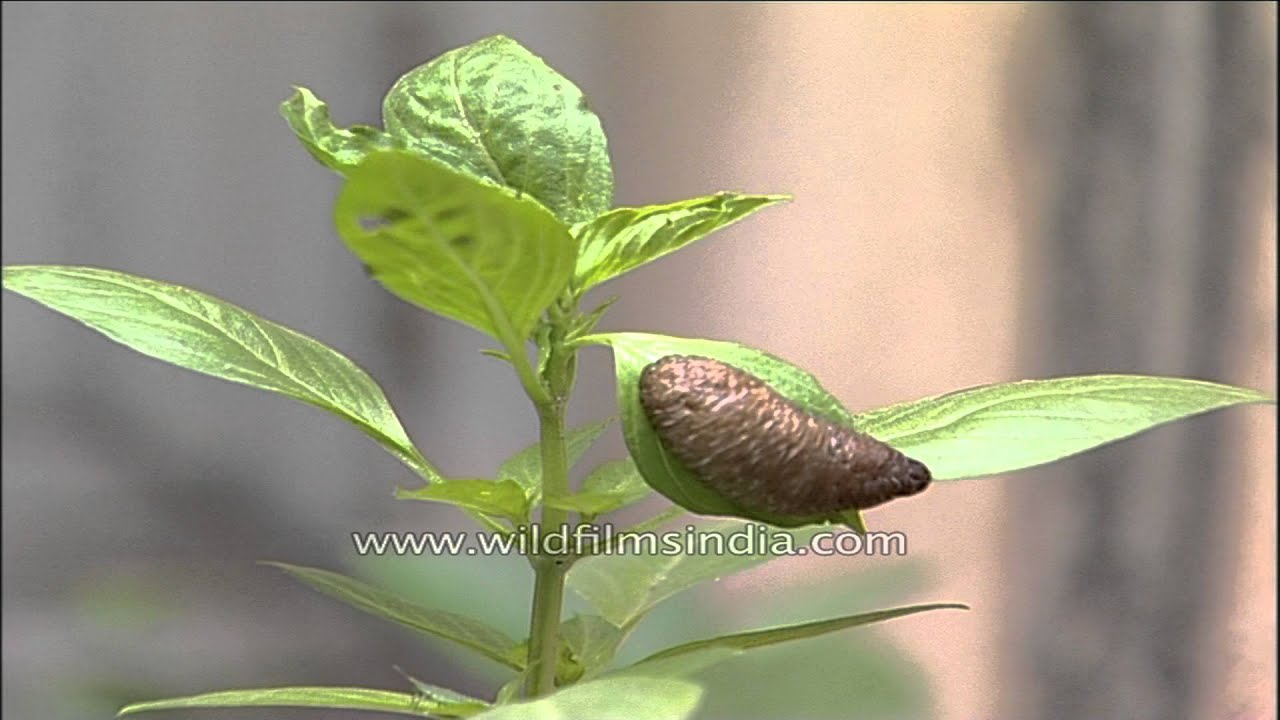
Step 2: Check for the slime trail
This is the easiest giveaway in the entire guide. If you see a silvery, dried mucus trail anywhere on the leaf or stem, you have slugs. Full stop.
They produce that slime to move, and it dries into a visible track. Sometimes the trail is faint, so tilt the leaf toward the light and look for a reflective streak.
If there is no slime trail, move to the next clue.
Step 3: Look for droppings
Flip the leaf over. Look for small dark specks. Caterpillars leave frass, which is essentially insect droppings.
It looks like tiny black or dark green grains, about the size of poppy seeds. If you find frass, you have a caterpillar.
If you find sticky, shiny droplets, that is caterpillar spit. Same pest, different clue.
Step 4: Check the underside of the leaf
Many pests hide under leaves during the day. You might find small beetles, clusters of tiny eggs, or very small caterpillars that blend with the leaf veins. Use a magnifying glass if you have one.
This is where flea beetles hang out, and they are small enough to miss with the naked eye.
Step 5: Look at the overall damage pattern
One or two isolated holes? Low concern. The plant can handle that.
Twenty holes across multiple leaves? You need to act.
Damage concentrated on the oldest leaves? That is typical for slugs and earwigs, which prefer lower, older growth.
Damage concentrated on new growth? That points to caterpillars or beetles, which are more active on tender young leaves.
Quick ID Cheat Sheet: Smooth vs. Ragged vs. Tiny Dots
Let us make this even simpler. You have three basic hole types. Match yours to one of these.
Smooth holes (curved edges, no tearing)
| Pest | Likelihood | Secondary clue |
|---|---|---|
| Slugs | Very high | Slime trail present |
| Snails | High | Similar to slugs, shell sometimes visible |
| Cutworms | Low | Usually cut stem, not leaf hole |
Ragged holes (torn edges, irregular shape)
| Pest | Likelihood | Secondary clue |
|---|---|---|
| Caterpillars | Very high | Frass present |
| Earwigs | Moderate | Tear-shaped, no frass, active at night |
| Grasshoppers | Low | Large bites, usually outdoor gardens |
Tiny dots (small round holes, 1-2 mm)
| Pest | Likelihood | Secondary clue |
|---|---|---|
| Flea beetles | Very high | Jumping beetles on leaf underside |
| Other beetles | Low | Holes usually larger |
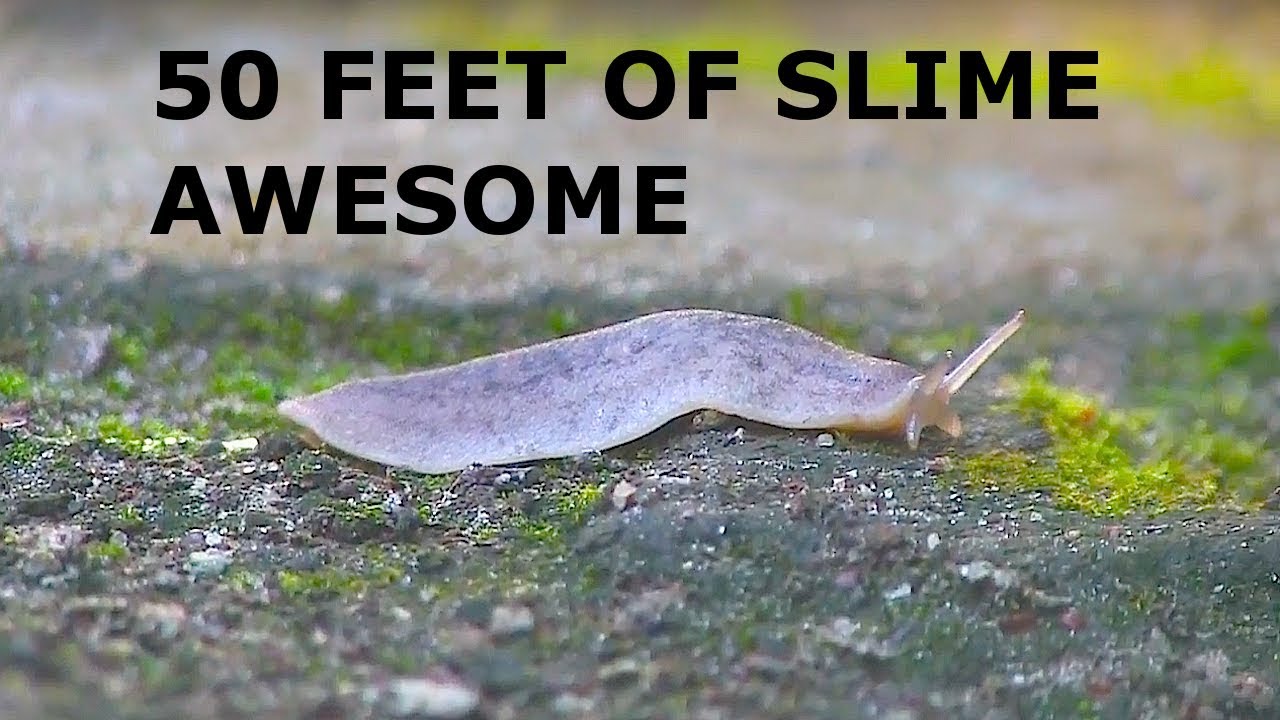
If you are still unsure, here is a simple rule. Look at the leaf at night with a flashlight. If you see the pest, you know for sure.
If you see nothing, check for slime trails in the morning. That process alone solves about 90 percent of cases.
Common Visual Mistakes That Lead to Wrong Treatment
Even experienced gardeners make these mistakes. Here are the three most common.
Mistake 1: Confusing sunscald with pest damage
Sunscald happens when intense sunlight burns the leaf surface. It creates a papery, pale brown patch that eventually dries out and falls away, leaving a hole. The difference is that sunscald holes have a tan, crispy border.
Pest holes do not. Sunscald also appears only on the top of the plant or the side facing the sun, not on shaded lower leaves.
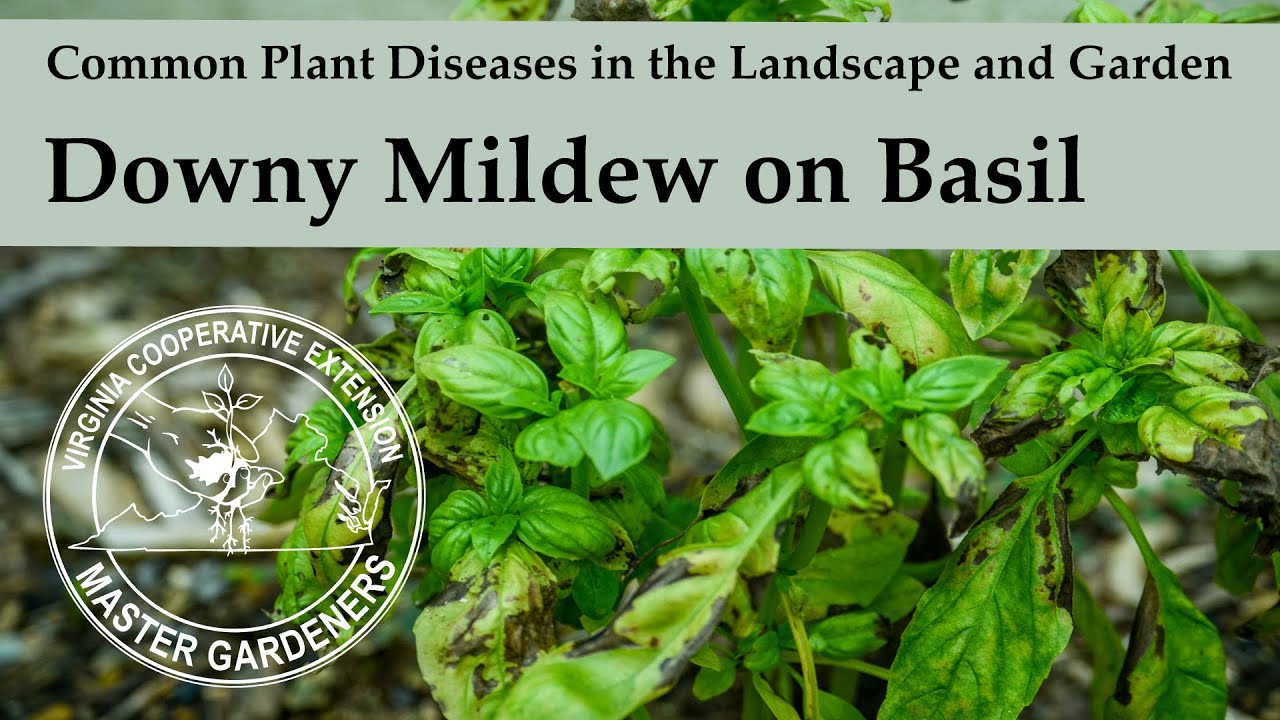
If you see that papery border, hold off on treatment. Move the plant to partial shade for a few days and see if new damage appears.
Mistake 2: Mistaking leafminer tunnels for holes
Leafminers are tiny fly larvae that tunnel inside the leaf. Their damage looks like winding white trails or blotches. It is not actually a hole.
The leaf tissue is still there, just eaten from the inside. This gets mistaken for early pest damage all the time.
The fix is simple. If the marks are tunneling patterns, not full holes, it is leafminers. Pick off affected leaves and dispose of them in the trash, not the compost.
Leafminers do not typically kill basil, but heavy infestations weaken the plant.
Mistake 3: Confusing bacterial leaf spot with insect damage
Bacterial leaf spot starts as small dark spots with yellow halos. The spots eventually dry out and fall off, leaving holes. This looks very similar to insect damage at a glance.
The difference is that bacterial spots are surrounded by yellow tissue. Insect holes are not.
If you see yellow halos around the holes, you have a bacterial disease, not a pest. This requires a completely different approach. Remove infected leaves, avoid water on the foliage, and improve air circulation around the plant.
Insecticides will not help.
Why mistaking the cause matters
Spraying a fungicide for bacterial spot when you have flea beetles does nothing. Spraying neem oil for slugs does nothing. Wasting a week on the wrong treatment means the damage continues and your plant gets worse.
That is why you need to get this step right before you reach for any solution.
If you are new to growing basil in containers, you might also want to check the growing environment itself. Pests thrive in certain conditions. Our grow tent setup guide covers how to create a cleaner, more controlled space that naturally reduces pest pressure.
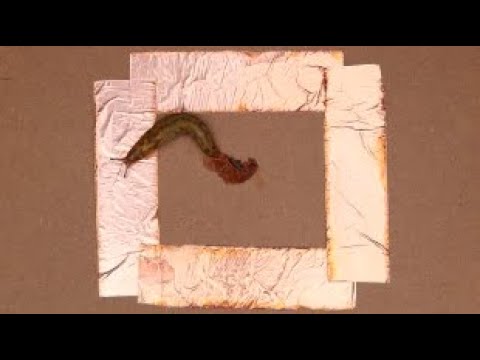
Image source: YouTube / LearnHow2 (YouTube thumbnail (fair-use with source credit))