
What does oregano seedlings look like? It’s a common question for any gardener starting their plants from seed, and a visual identifier can save you a lot of confusion. Getting it right means you’re nurturing actual oregano, not mistaking a weed for your future culinary herb.
Our research confirms that young oregano plants are quite delicate and can easily be confused, especially in the early stages. Knowing their specific visual cues ensures you’re on the right track from day one, leading to a thriving herb garden.
Quick Answer
Oregano seedlings have small, often fuzzy, oval or rounded leaves that grow in opposite pairs. Their stems are thin, delicate, and can be green or purplish. Identifying them involves looking for these specific leaf and stem characteristics, distinguishing them from weeds and similar herbs.
Small, Fuzzy Leaves and Thin Stems: The First Signs of Oregano
Oregano seedlings are distinguished by their initial appearance, which is often subtle and easily overlooked. The very first leaves, called cotyledons, tend to be small and somewhat rounded. As the true leaves begin to emerge, they reveal the characteristic oregano look.
These true leaves are typically oval or slightly pointed and often feature a bit of fuzziness or hairiness, especially on their undersides. The stems supporting these leaves are just as delicate, often appearing thin and sometimes showing a slight purplish hue, particularly near the base of the plant.
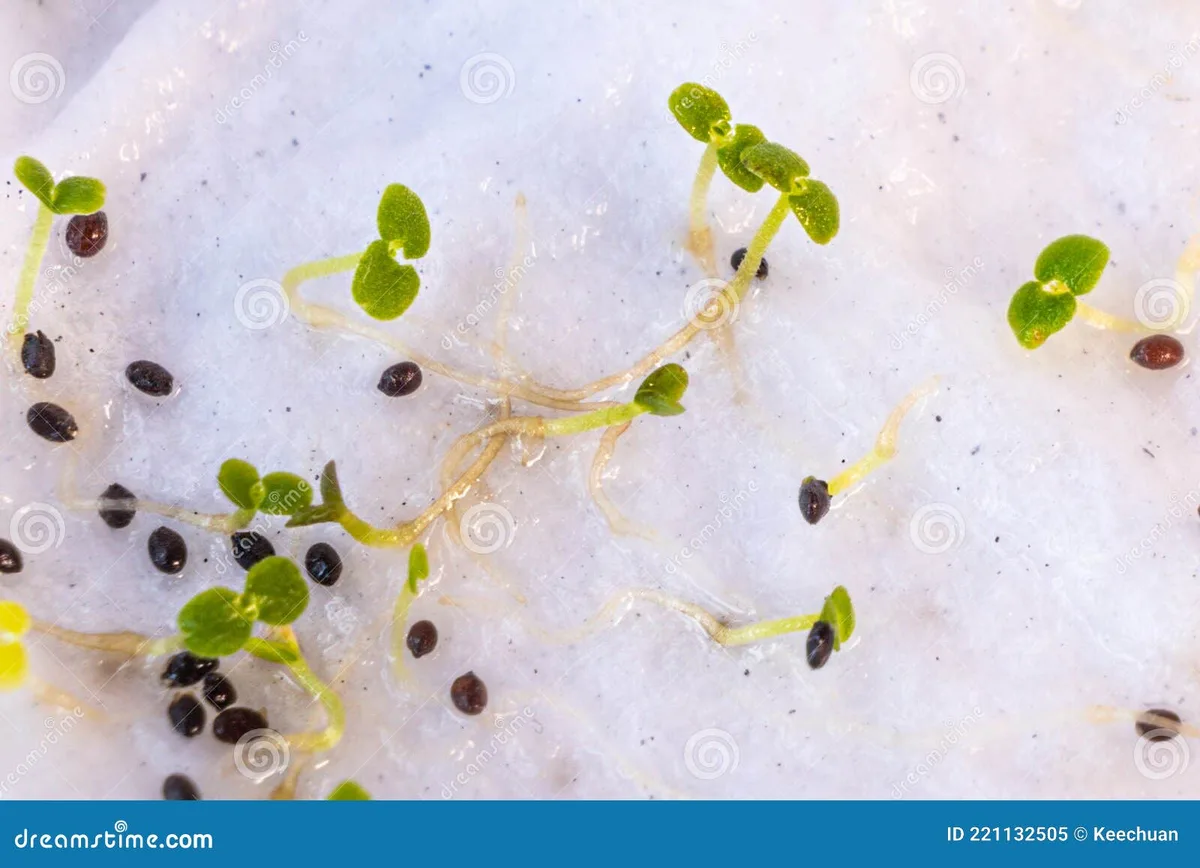
Image source: Bing (Web (fair-use with source credit))
Getting to Know Your Oregano Seedling's Leaves: Shape, Size, and Color
The most vital part of identifying oregano seedlings lies in their leaves. When they’re very young, the leaves are tiny, sometimes no more than a few millimeters long. They usually grow in opposite pairs along the stem, a common arrangement for many herbs.
Their shape is generally oval to rounded, though some varieties might show a slightly pointed tip. The color is typically a shade of green, which can range from a pale, almost vibrant green to a deeper, sometimes grayish-green, depending on the specific oregano variety and how much light it's receiving. Feel for a slight texture; many oregano seedlings are a bit fuzzy to the touch.
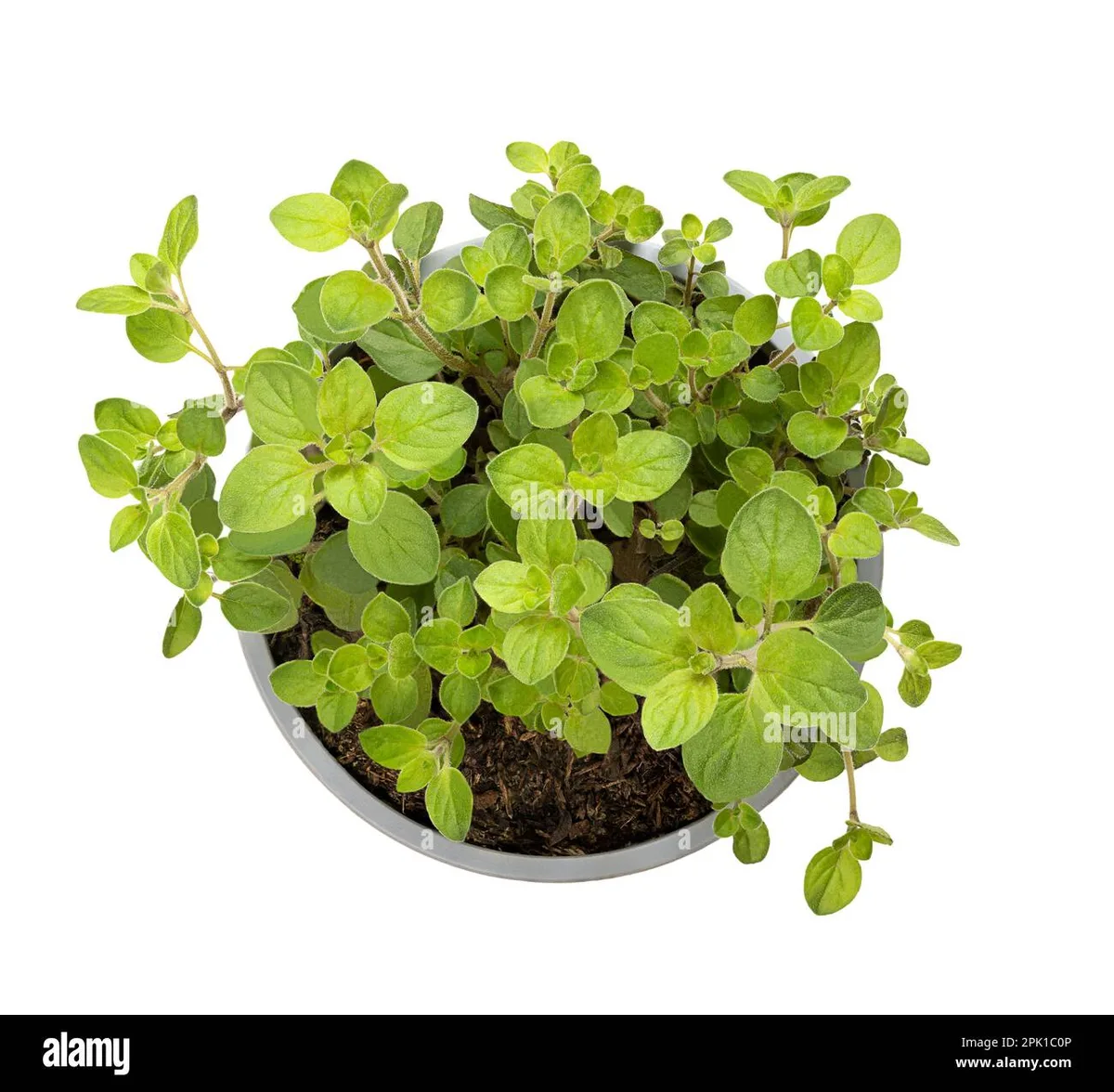
Image source: Bing (Web (fair-use with source credit))
Is That Green Stem Oregano or Something Else? What to Look For
The stem of an oregano seedling is as telling as its leaves. It’s thin and surprisingly delicate, often growing upright but sometimes leaning or sprawling slightly. You might notice that the stem has a fuzzy or hairy surface, similar to the leaves.
Coloration can vary; while many stems are green, it’s not uncommon to see a reddish or purplish tint. This is especially true at the base of the seedling, where it emerges from the soil. This subtle coloration, combined with the fine, fibrous root system a healthy seedling develops, helps distinguish it from more robust or woody-stemmed plants.
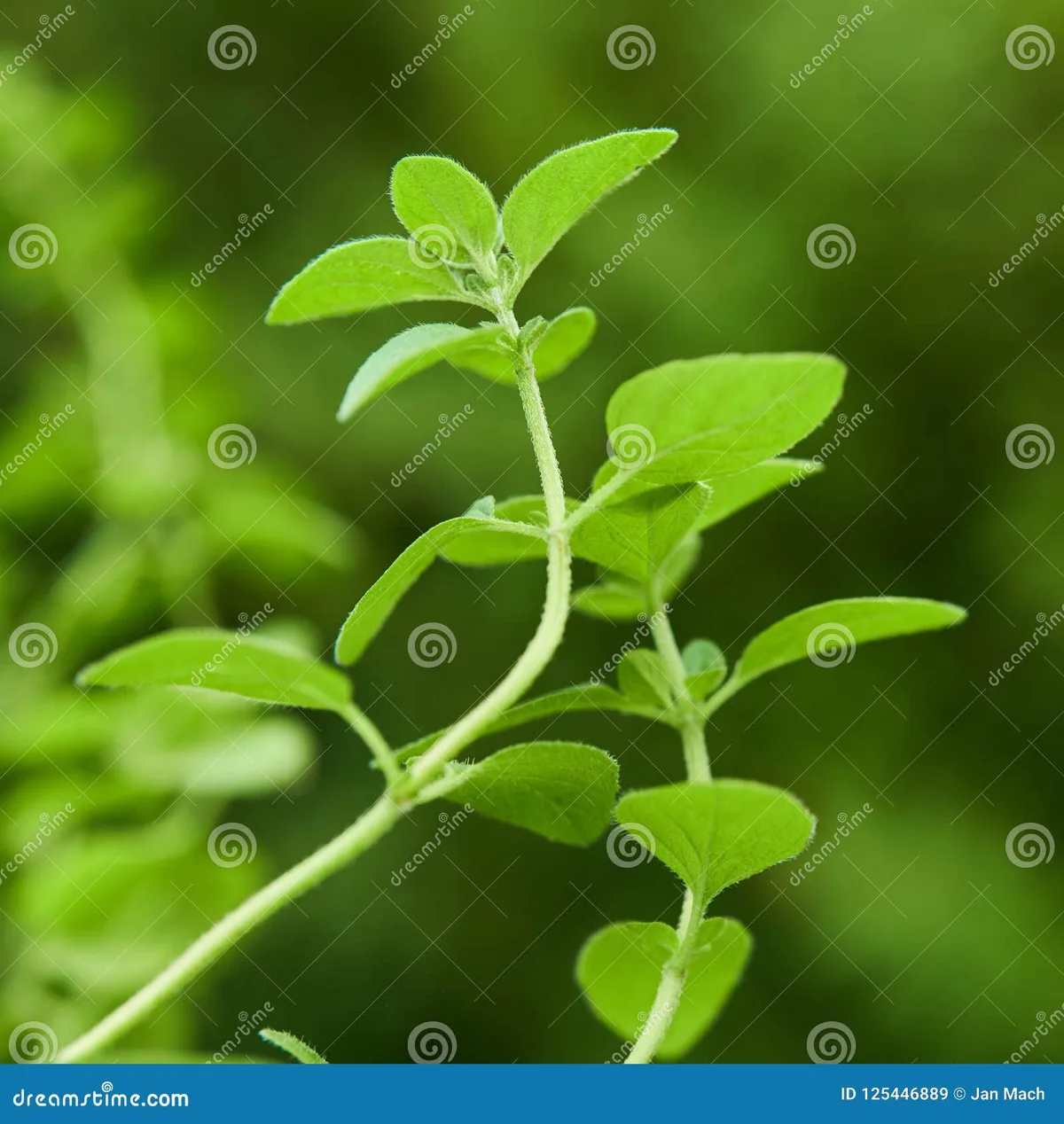
Image source: Bing (Web (fair-use with source credit))
Greek, Common, Italian: Do Oregano Varieties Look Different as Seedlings?
While the basic appearance of oregano seedlings is similar across common varieties, there can be subtle differences that keen gardeners might notice. Greek oregano (Origanum vulgare hirtum) and common oregano (Origanum vulgare) often share that characteristic fuzzy leaf and stem.
Italian oregano (Origanum x majoricum) might sometimes appear a bit smoother or have slightly larger leaves at a similar stage of growth. It’s important to remember that seed quality and growing conditions significantly impact seedling appearance. If you're using a specific seed packet, compare your seedlings against the expected traits for that particular type.
For native varieties, checking with local horticultural societies can provide region-specific visual cues.
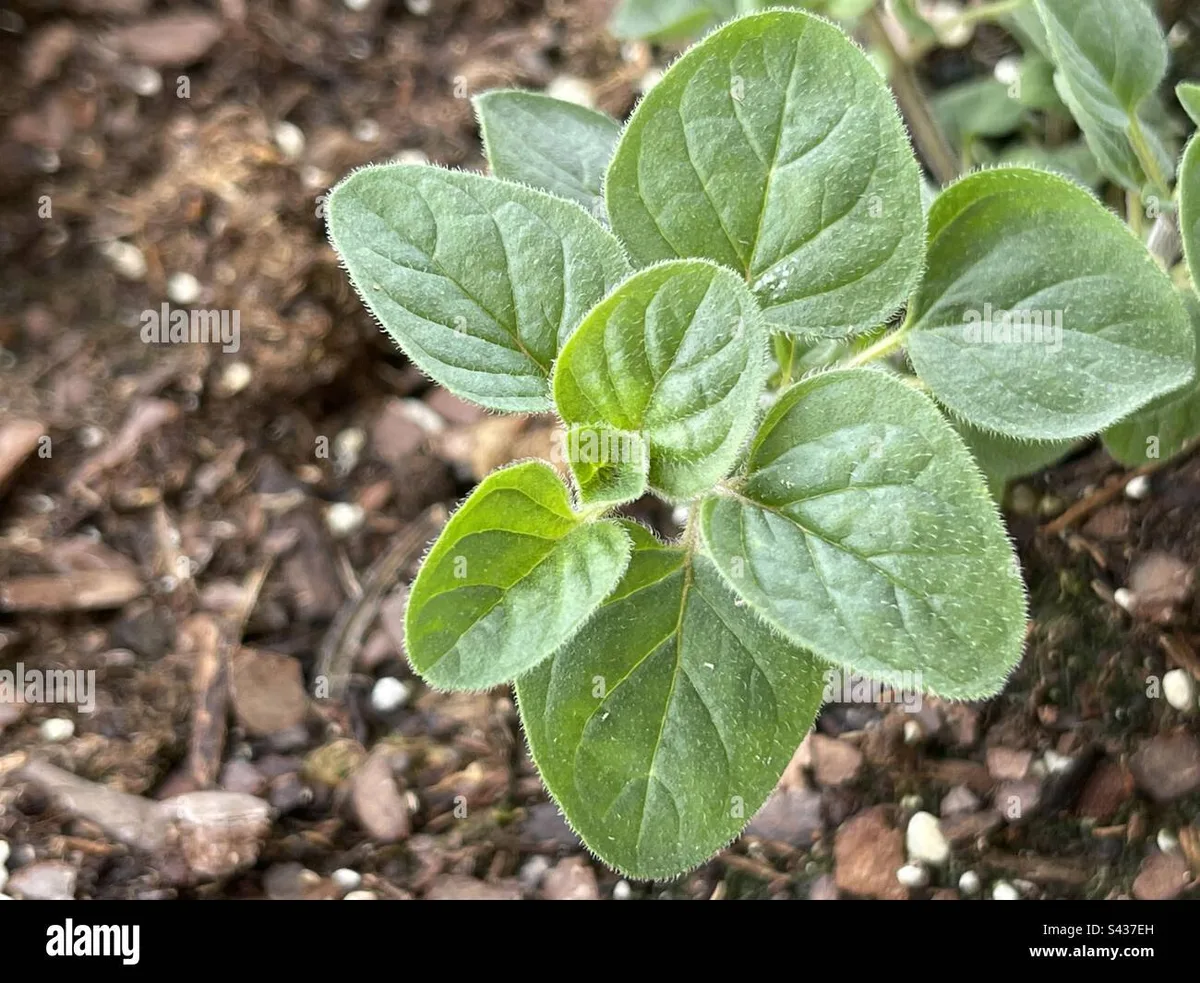
Image source: Bing (Web (fair-use with source credit))
Spotting the Difference: Oregano Seedlings vs. Marjoram and Thyme
It’s easy to confuse oregano seedlings with other Mediterranean herbs like marjoram and thyme, especially when they’re very young. Marjoram seedlings often look quite similar to oregano, sometimes having slightly softer, more rounded leaves, and they also tend to be fuzzy. They belong to the same genus, Origanum, so their early stages are naturally alike.
Thyme seedlings, however, tend to be much finer. Their leaves are typically smaller and can appear almost needle-like or much more distinctly oval than oregano's. The stems of thyme are also often much more woody even at a young age.
Learning to differentiate these helps you avoid planting the wrong herb, which is crucial for your garden's success and for finding the right tools, like appropriate hoes to get rid of garden weeds.
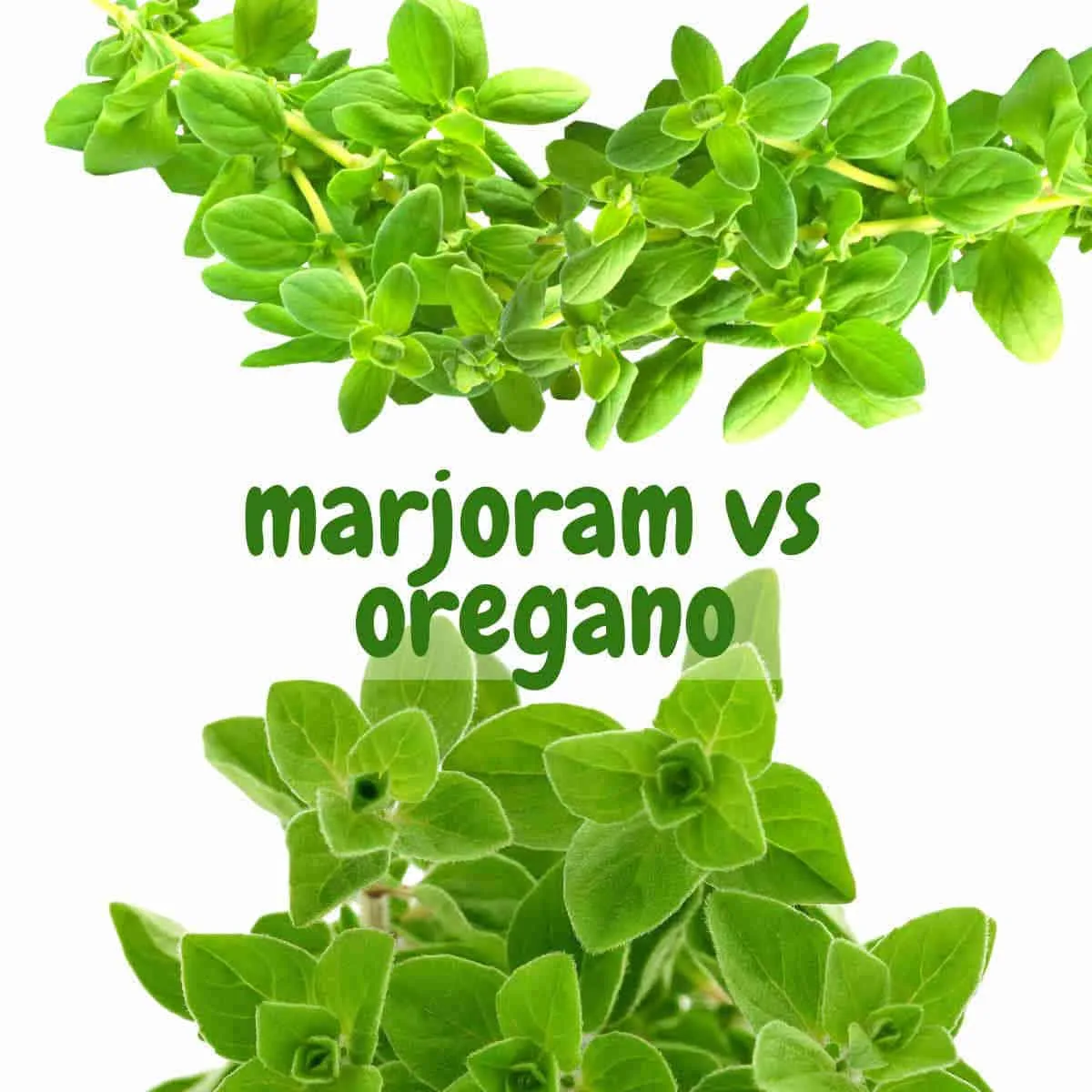
Image source: Bing (Web (fair-use with source credit))
When Oregano Seedlings Look Like Weeds: Common Identification Mix-ups
One of the biggest challenges when starting herbs from seed is distinguishing them from common garden weeds. Many young weeds, like purslane or chickweed, can have small, green leaves that appear deceptively similar to oregano seedlings. These weeds often grow rapidly and can quickly outcompete your delicate herb starts.
The key is to look for those characteristic fuzzy leaves and the specific, often oppositionally paired, leaf arrangement seen in oregano. If a seedling has very smooth, rounded leaves or a different leaf shape altogether, it’s worth investigating further. Resources on what fertilizer to use in spring at your garden might offer context on common garden plants, but visual identification remains paramount for herbs.
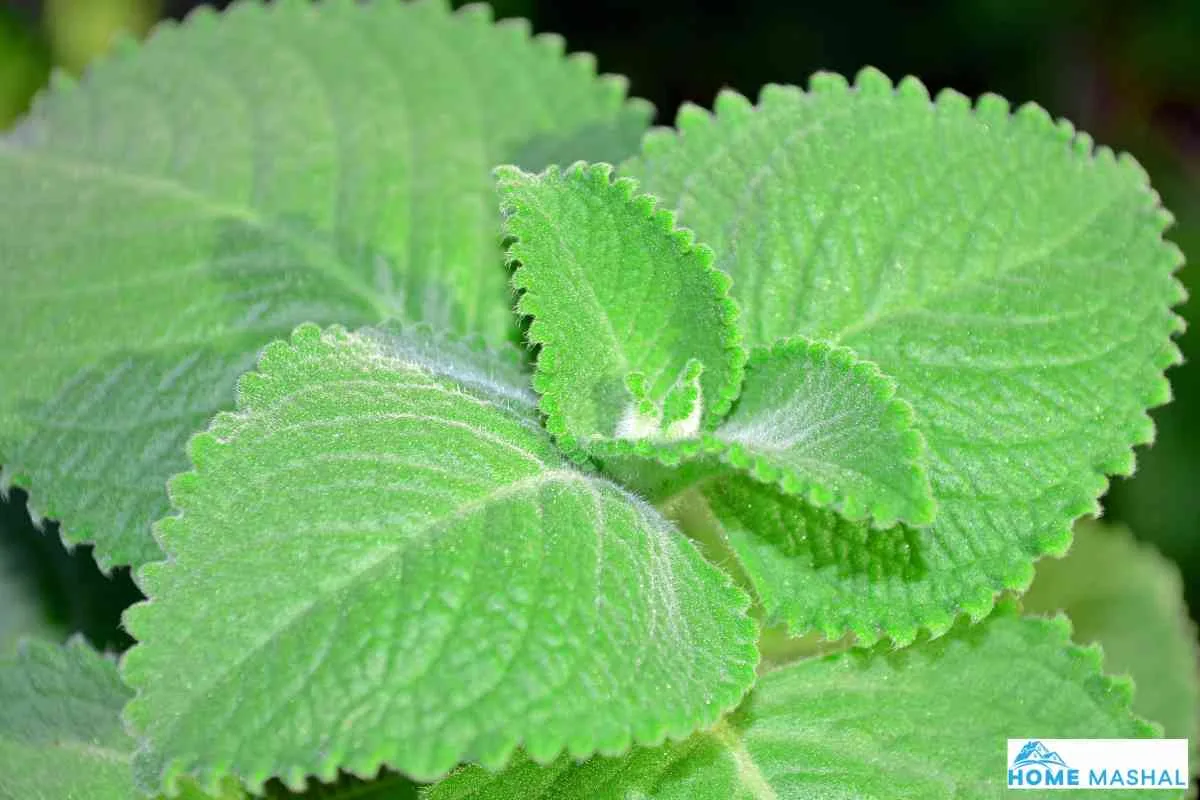
Image source: Bing (Web (fair-use with source credit))
Beyond the Look: Growing Strong Oregano Starts Now
While visual identification is your first step, the health of your oregano seedlings tells a story. Healthy starts will have a compact, bushy growth habit, with sturdy stems and vibrant green leaves. They won’t appear leggy, which is a sign of insufficient light, nor will they show signs of rot at the soil line, a common issue called damping off.
Ensuring your seedlings look healthy means providing adequate light, proper watering (damp, not soggy soil), and good air circulation. By nurturing these young plants correctly, you’re setting the foundation for a robust oregano harvest. For more general lawn care tips that translate to garden health, check out when to fertilize lawn.
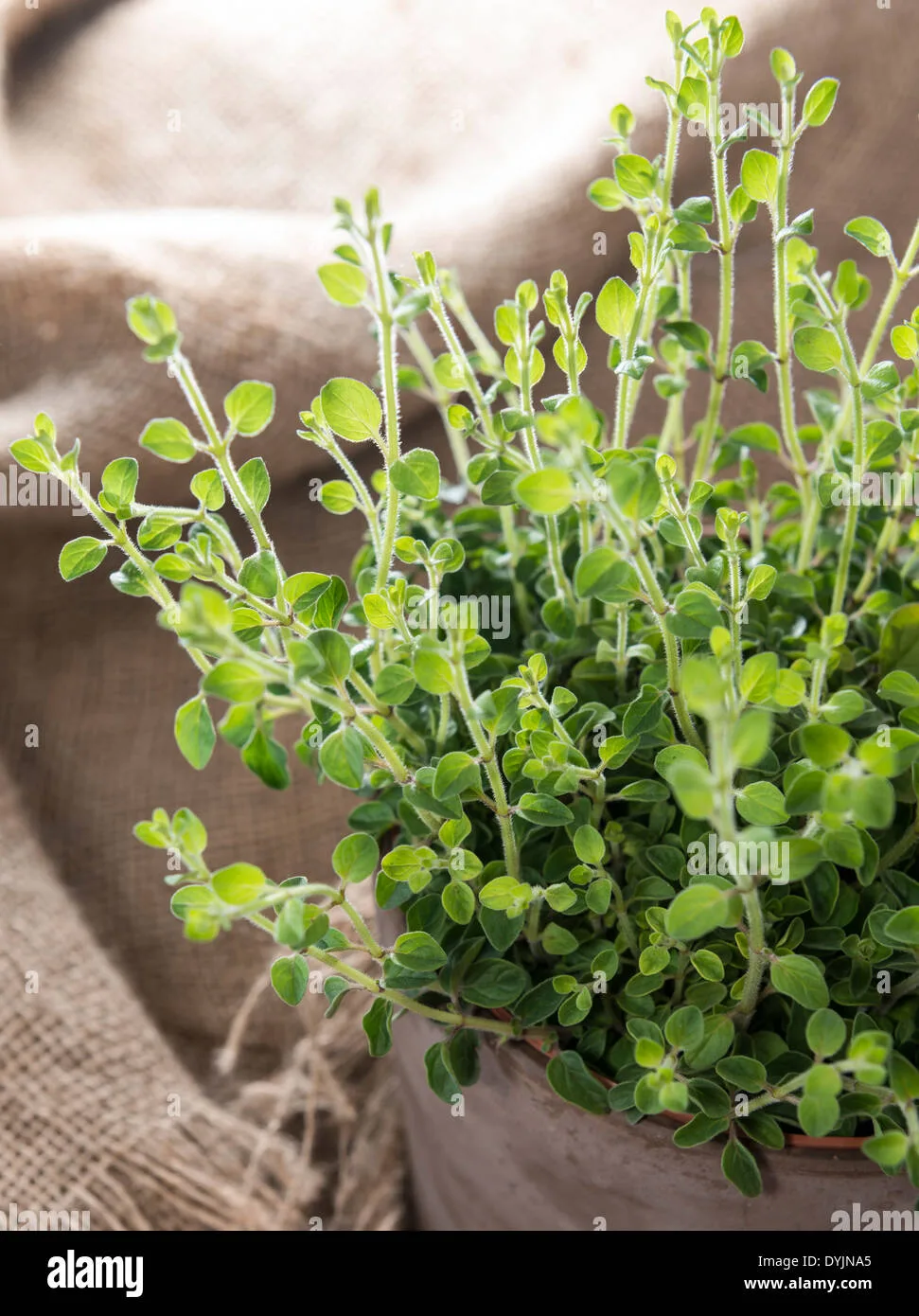
Image source: Bing (Web (fair-use with source credit))