
When you've got stubborn weeds taking over your lawn, deciding the right moment to act is key. Knowing precisely when to spray Tenacity can make the difference between a healthy, weed-free yard and continued frustration. Tenacity, a selective herbicide, targets specific weed types without harming most desirable turfgrasses when used correctly.
Manufacturer specifications indicate that successful application hinges on several factors, including weed growth stage, turfgrass health, and current environmental conditions. Getting these elements right is more important than simply spotting a weed. This guide breaks down precisely when you should reach for your sprayer.
Quick Answer
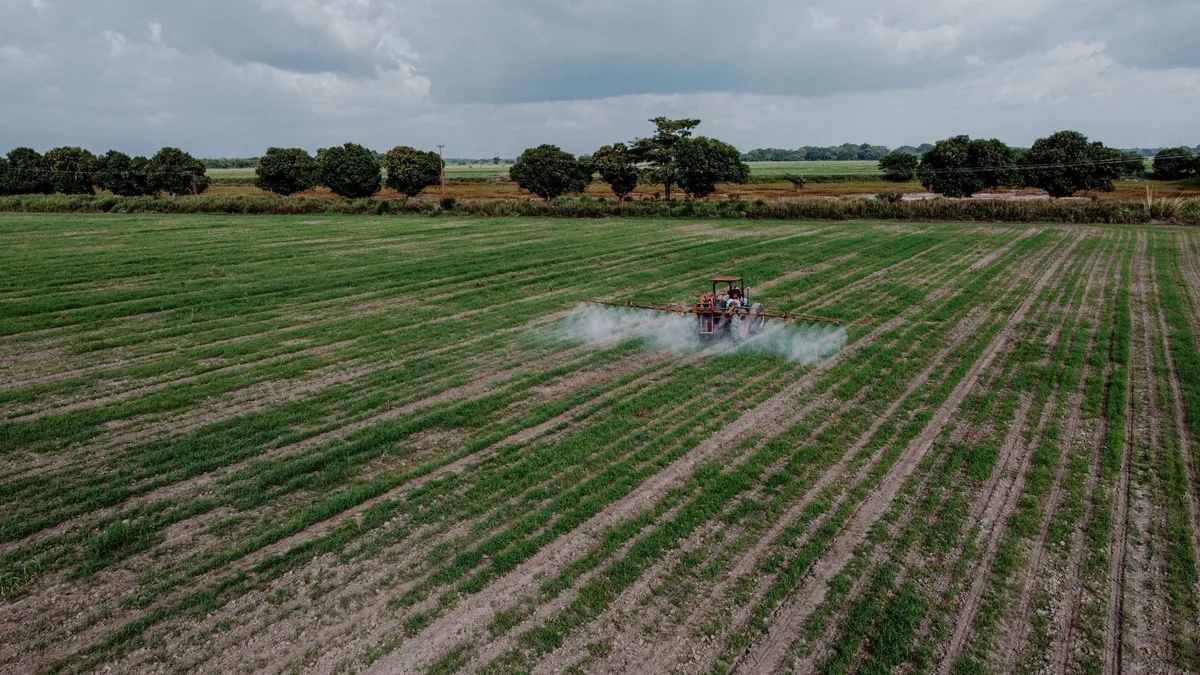
You should spray Tenacity when weeds are young and actively growing. Ensure turfgrass is established and mowed. Apply during moderate temperatures with no rain expected for 24 hours.
Always follow label instructions for specific timing.
Understand Those Weeds: What Are You Battling?
The weeds you're facing are a primary driver for when you should apply Tenacity. This herbicide is particularly effective against certain challenging species that often resist other treatments. Identifying the specific weed, or weeds, that are causing trouble will help you determine the ideal application window.

Key Weed Targets for Tenacity
Tenacity is known for its efficacy on a select group of tough-to-control weeds found in turf. These often include:
- Nimblewill: A warm-season grass that can invade cool-season lawns, turning brown in winter.
- Creeping Bentgrass: Another grassy weed that can spread aggressively in desirable turf.
- Annual Bluegrass (Poa annua): Can be tricky due to its life cycle.
- Certain Sedges: Like yellow nutsedge and fescues.
- Broadleaf Weeds: Including clover, chickweed, and dandelion, though its primary strength is grassy weed control.
Understanding whether you're dealing with a grassy weed or a broadleaf weed, and its specific life cycle, dictates the best time for treatment. For instance, applying Tenacity to control nimblewill is often most effective when the nimblewill is actively growing and the surrounding cool-season turfgrass has been recently mowed.
Identifying Your Weeds: The First Step in Timing
Before you even think about mixing a herbicide, take time to accurately identify the weeds you want to eliminate. Misidentification can lead to incorrect timing, reduced efficacy, or even damage to your lawn. University Extension services often provide excellent resources for weed identification specific to your region.
Getting this step right is crucial for effective control, much like knowing you need specific tools for specific garden tasks, such as using various hoes to get rid of garden weeds.
Your Lawn's Health: Is It Ready for Treatment?
The health and maturity of your turfgrass are paramount when deciding to spray Tenacity. Applying herbicides to stressed or immature turf can lead to severe damage, effectively trading one problem for another. Manufacturer specifications, like those provided by Syngenta, emphasize this point.

Established Turf vs. New Growth: A Crucial Difference
Tenacity is designed for use on established turfgrasses. This means lawns that have been in place for a significant period, have a well-developed root system, and have recovered from previous stress. For most cool-season grasses like fescue, bluegrass, and ryegrass, "established" generally means it has been mowed at least 2-3 times after the initial seeding or sodding.
For warm-season grasses, establishment usually refers to when the sod has knit together firmly.
You'll typically want to wait at least 4 weeks after seeding new grass or laying sod before applying Tenacity. This allows the young grass the time it needs to establish a strong root system and the resilience to withstand herbicide application. Applying too early can cause stunting, discoloration, or even death to your new lawn.
When to Hold Off on Applying Tenacity
There are specific conditions where it's best to hold off on spraying, even if weeds are present:
- Drought Stress: If your lawn is showing signs of drought stress (e.g., wilting, bluish-grey color), it's too vulnerable.
- Extreme Heat: Applying herbicides in temperatures consistently above 85-90°F (29-32°C) can increase the risk of turf injury.
- Recent Aeration or Dethatching: If you've recently aerated or dethatched, wait for your turf to recover and show new growth. Equipment like lawn rollers, while useful for other purposes, indicate a firm soil that doesn't need this stress if you're planning herbicide applications. Consider how to use a lawn roller for soil compaction, but avoid applying herbicides on freshly rolled ground.
- Overlapping Applications: If you've recently applied another herbicide, ensure adequate safe re-treatment intervals have passed as specified on both product labels.
Weather Watching: Your Forecast for Success
The weather isn't just a backdrop; it's an active participant in your herbicide application's success. Making the right call about timing based on the forecast can mean the difference between excellent weed control and a wasted effort.
Rain Rules: Don't Let It Wash Away Your Work
One of the most critical weather factors is rainfall. You absolutely do not want to spray Tenacity if significant rain is expected within 24 hours of application. Most herbicide labels, including those for Tenacity, specify a minimum interval after application before irrigation or rainfall is permissible.
This waiting period allows the herbicide to be absorbed by the weed's foliage and translocated into its system. If rain washes it away too soon, you won't get the desired kill.
Some sources suggest that even light dew can aid in absorption, but heavy rain promptly after application will negate its effectiveness. Always check the product label for the specific rainfall interval.
Temperature and Wind: Gentle Conditions Mean Better Results
Temperature plays a significant role in both herbicide efficacy and the potential for turf damage.
- Temperature: Application is generally most effective when temperatures are between 60°F and 85°F (15°C to 29°C). When temperatures are too low, the weeds' metabolic processes slow down, reducing their ability to absorb and translocate the herbicide. Conversely, excessively high temperatures can stress the turf, making it more susceptible to herbicide injury, and can also cause some herbicides to volatilize, reducing their effectiveness.
- Wind: Wind is a major concern for herbicide drift. Applying Tenacity on a windy day can cause the spray to drift onto desirable plants, gardens, or even sensitive areas like vegetable patches, leading to unintended damage. Manufacturers typically advise against spraying when wind speeds exceed 10 miles per hour. Always use the lowest effective spray pressure and appropriate nozzle types to minimize drift.
The Practical Checklist: Deciding When to Spray
Now that we've covered the key players, weeds, turf health, and weather, let's bring it all together into a practical workflow. This checklist will help you make an informed decision about precisely when to apply Tenacity.
Your Tenacity Application Timing Workflow
Think of this as a step-by-step decision process. If any of these conditions aren't met, it's usually best to wait.
- Step 1: Identify Weeds: Confirm you are treating target weeds that Tenacity is effective against.
- Step 2: Assess Turf Health: Ensure your turfgrass is established and not actively stressed by heat, drought, or recent mechanical disturbance. If you've had recent lawn work, consider the recovery time needed. If soil compaction is a concern, a lawn roller might be useful at a different time, rather than complicating herbicide application.
- Step 3: Check the Forecast: Look for at least a 24-hour window with no heavy rain and moderate temperatures (ideally 60-85°F). Ensure wind speeds are below 10 mph.
- Step 4: Review the Label: Always refer to the specific product label for Tenacity. It will provide precise application rates and any mandatory waiting periods after application for rain or mowing. As of 2026, label directions remain the definitive guide for safe and effective use.
- Step 5: Prepare and Apply: If all conditions are met, prepare your spray solution according to label directions and apply evenly. Follow safety precautions, including wearing appropriate personal protective equipment (PPE).
Common Mistakes That Sabotage Your Efforts
Even with the best intentions, a few common missteps can undermine your Tenacity application:
- Applying to Young Turf: Spraying too soon on newly seeded or sodded areas is a primary cause of damage.
- Ignoring Weather: Applying before a rainstorm or during high winds defeats the purpose.
- Treating Stressed Turf: Hitting a drought-stressed lawn with herbicide is a recipe for discoloration or thinning.
- Incorrect Rate: Using too much herbicide can damage turf; using too little can lead to ineffective weed control. Always measure accurately based on the square footage being treated.
- Not Identifying Weeds: Applying Tenacity for weeds it doesn't effectively control is a waste of time and resources. For instance, trying to use it on every type of garden weed might not be the most efficient approach; sometimes, manual removal or specific tools are better suited.
Pro Tips for a Perfect Application
Leveraging experience can help you get the most out of Tenacity. Beyond the direct instructions, a few seasoned approaches can enhance results and protect your lawn. Always remember that understanding proper nutrient uptake is also vital, and knowing what kind of fertilizer for grass to use or when to fertilize lawn can contribute to overall turf health, making it more resilient.
- Sequential Applications: For stubborn weeds, the Tenacity label often recommends repeat applications. These are typically spaced 2-4 weeks apart. Plan your schedule accordingly to hit weeds at different stages of their growth cycle.
- Tank Mixing Considerations: If you plan to tank-mix Tenacity with other products, always perform a jar test first to ensure compatibility. Check both product labels for any explicit restrictions on mixing.
- Nozzle Choice: Select nozzles that produce coarser droplets to minimize drift. Cone nozzles are generally preferred over flat-fan nozzles for many turf applications.
- Mowing Strategy: It's often advised not to mow for 24-48 hours before or after application. This allows the herbicide maximum contact time with the weed foliage.
Reading the Label: Your Ultimate Guide
The herbicide product label is a legal document and your most important resource for safe and effective use of Tenacity. It contains detailed information tailored to the specific formulation of the product you've purchased. Skipping this step is one of the biggest mistakes homeowners and professionals alike can make.
The label provides critical information, including:
- Target Weeds: A comprehensive list of weeds the product is proven to control.
- Crop Tolerance: Which turfgrass species and varieties the herbicide is safe to use on, and at what rates. This includes specific restrictions for certain types of turf (e.g., avoid on centipedegrass unless specified).
- Application Rates: Precise measurements per acre or per 1,000 square feet. Often, a common rate might be around 0.5 to 1.0 fluid ounce per gallon of water for 1,000 square feet, but always confirm.
- Timing: Recommended growth stages of weeds and turf, as well as optimal weather conditions.
- Reservoir Time: Restrictions on when you can water or plant after application.
- Re-treatment Intervals: How long to wait between subsequent applications.
- Safety Precautions: Required Personal Protective Equipment (PPE), first aid information, and environmental hazard statements.
- Resistance Management: Strategies to prevent weeds from developing resistance to the herbicide.
Always ensure you are reading the label for the specific product you have in hand, as formulations and concentrations can vary slightly, impacting application rates and timings.
When to Get Expert Advice
While this guide provides comprehensive information, there are times when consulting a professional is the best course of action. If you're dealing with a highly unusual weed problem, have a mixed stand of turfgrass where sensitivities are unclear, or if you're in doubt about the safety of applying Tenacity, it's wise to seek expert guidance.
- Local Extension Office: University Extension agents are invaluable resources. They have localized knowledge about the weeds common in your area and the best approaches for turf management specific to your climate.
- Certified Turf Professionals: Licensed lawn care operators or golf course superintendents have hands-on experience and in-depth knowledge of herbicide use and turfgrass physiology. They can often diagnose problems that might not be obvious to the untrained eye.
- Manufacturer Support: The company that produces Tenacity, such as Syngenta, often has technical support lines or resources available to answer specific questions about product use.
Don't hesitate to reach out if the situation feels complex or if you're worried about making a mistake. Proper application of herbicides is a science, and sometimes an expert opinion can prevent costly errors, much like understanding complex grow room setups requires specialized knowledge, as found in guides on grow tent ventilation setup or special consideration while building own grow room.
Common Mistakes That Sabotage Your Efforts
Even with the best intentions, a few common missteps can undermine your Tenacity application. These errors often stem from misunderstandings about the product's requirements or a rush to see results.
- Applying to Young Turf: Spraying too soon on newly seeded or sodded areas is a primary cause of damage. Young grass is far more susceptible to herbicide injury than mature turf.
- Ignoring Weather: Applying before a rainstorm or during high winds defeats the purpose. Rain can wash off the herbicide before it's absorbed, and wind can cause drift to unintended areas.
- Treating Stressed Turf: Hitting a drought-stressed lawn with herbicide is a recipe for discoloration or thinning. Stressed plants prioritize survival and may not process the chemical effectively.
- Incorrect Rate: Using too much herbicide can damage turf; using too little can lead to ineffective weed control, fostering resistance. Always measure accurately based on the square footage being treated.
- Not Identifying Weeds: Applying Tenacity for weeds it doesn't effectively control is a waste of time. For instance, trying to use it on every type of garden weed might not be the most efficient approach; sometimes, manual removal or specific tools are better suited.
Pro Tips for a Perfect Application
Leveraging experience can help you get the most out of Tenacity. Beyond the direct instructions, a few seasoned approaches can enhance results and protect your lawn. Always remember that understanding proper nutrient uptake is also vital, and knowing what kind of fertilizer for grass to use or when to fertilize lawn can contribute to overall turf health, making it more resilient.
- Sequential Applications: For stubborn weeds, the Tenacity label often recommends repeat applications. These are typically spaced 2-4 weeks apart. Planning your schedule to hit weeds at different stages of their growth cycle is key.
- Tank Mixing Considerations: If you plan to tank-mix Tenacity with other products, always perform a jar test first to ensure compatibility. Check both product labels for any explicit restrictions on mixing.
- Nozzle Choice: Select nozzles that produce coarser droplets to minimize drift. Cone nozzles are generally preferred over flat-fan nozzles for many turf applications.
- Mowing Strategy: It's often advised not to mow for 24-48 hours before or after application. This allows the herbicide maximum contact time with the weed foliage rather than removing it prematurely.
Reading the Label: Your Ultimate Guide
The herbicide product label is a legal document and your most important resource for safe and effective use of Tenacity. It contains detailed information tailored to the specific formulation of the product you've purchased. Skipping this step is one of the biggest mistakes homeowners and professionals alike can make.
The label provides critical information, including:
- Target Weeds: A comprehensive list of weeds the product is proven to control.
- Crop Tolerance: Which turfgrass species and varieties the herbicide is safe to use on, and at what rates. This includes specific restrictions for certain types of turf (e.g., avoid on centipedegrass unless specified).
- Application Rates: Precise measurements per acre or per 1,000 square feet. Often, a common rate might be around 0.5 to 1.0 fluid ounce per gallon of water for 1,000 square feet, but always confirm.
- Timing: Recommended growth stages of weeds and turf, as well as optimal weather conditions.
- Reservoir Time: Restrictions on when you can water or plant after application.
- Re-treatment Intervals: How long to wait between subsequent applications.
- Safety Precautions: Required Personal Protective Equipment (PPE), first aid information, and environmental hazard statements.
- Resistance Management: Strategies to prevent weeds from developing resistance to the herbicide.
Always ensure you are reading the label for the specific product you have in hand, as formulations and concentrations can vary slightly, impacting application rates and timings.
When to Get Expert Advice
While this guide provides comprehensive information, there are times when consulting a professional is the best course of action. If you're dealing with a highly unusual weed problem, have a mixed stand of turfgrass where sensitivities are unclear, or if you're in doubt about the safety of applying Tenacity, it's wise to seek expert guidance.
- Local Extension Office: University Extension agents are invaluable resources. They have localized knowledge about the weeds common in your area and the best approaches for turf management specific to your climate.
- Certified Turf Professionals: Licensed lawn care operators or golf course superintendents have hands-on experience and in-depth knowledge of herbicide use and turfgrass physiology. They can often diagnose problems that might not be obvious to the untrained eye.
- Manufacturer Support: The company that produces Tenacity, such as Syngenta, often has technical support lines or resources available to answer specific questions about product use.
Don't hesitate to reach out if the situation feels complex or if you're worried about making a mistake. Proper application of herbicides is a science, and sometimes an expert opinion can prevent costly errors, much like understanding complex grow room setups requires specialized knowledge, as found in guides on grow tent ventilation setup or special consideration while building own grow room.
Making the Call: Your Application Decision Guide
Deciding exactly when to spray Tenacity boils down to a smart evaluation of your specific conditions against general best practices. It’s not a one-size-fits-all answer, but rather a calculated decision based on multiple factors.
Here’s a final summary to help you lock in your application date:
- Weed Vulnerability: Are the target weeds young and actively growing? This is your prime window.
- Turf Resilience: Is your lawn strong and established? If it’s new, stressed, or has undergone recent intense work, wait.
- Weather Window: Is the forecast clear of immediate heavy rain and extreme temperatures? Is wind negligible?
- Label Compliance: Have you thoroughly read and understood the product label for rates, intervals, and safety?
If you can tick "yes" for most, if not all, of these points, then it's likely the prime time to apply Tenacity. If any are a "no" or a "maybe," it's generally safer and more effective to wait for a better opportunity. This careful approach ensures you maximize the herbicide's effectiveness while minimizing risks to your turf or the environment.