
Knowing where to buy a wheelbarrow can make all the difference in getting the right tool for your job without overspending or ending up with something that won't last. Whether you're hauling compost for your garden or building materials for a serious project, the place you shop impacts selection, price, and support. We've researched where you can find reliable wheelbarrows to fit every need and budget, as of 2026.
Aggregate user reviews across major platforms consistently show that shoppers prioritize durability and ease of maneuverability when choosing a wheelbarrow. Understanding the nuances between store types and online options will help you zero in on the perfect fit for your tasks.
Where to Buy a Wheelbarrow: Your Best Options for Every Need
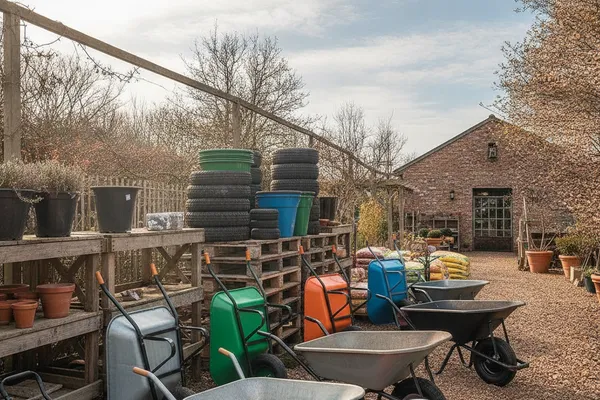
The Wheelbarrow Shopping Breakdown: What Matters Most?
When you're on the hunt for a wheelbarrow, it’s easy to get lost in a sea of options. But focusing on a few key aspects first can cut through the confusion. You'll want to consider the purpose of the wheelbarrow, light garden tasks versus heavy construction, as this heavily influences the type you'll need.
Material, tire type, and capacity are critical features. Steel tubs are tougher but heavier, while poly tubs are lighter and rust-resistant. Pneumatic tires offer a smoother ride over rough terrain, but flat-free tires mean less maintenance. Ultimately, the "best" place to buy depends on whether you prioritize expert advice, sheer selection, or the lowest price.
Home Improvement Stores: The Go-To for Many
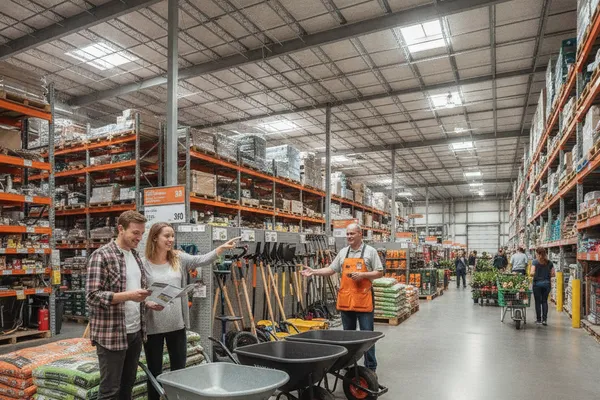
Big box home improvement stores are often the first stop for many shoppers because they offer a wide variety of garden and landscaping tools, including wheelbarrows, all under one roof. They typically carry multiple brands and several models, from basic single-wheel garden barrows to sturdier contractor-grade options. You can usually see many models in person, allowing you to get a feel for their size, weight, and handle comfort.
What to Expect at Big Box Retailers
These stores typically stock well-known brands like Ames True Temper and some house brands. You'll find a range of capacities, usually from 4 cubic feet up to 8 cubic feet for general users. Tire options often include pneumatic and sometimes flat-free alternatives. While you can compare models side-by-side, the staff might not always have deep product expertise beyond what’s printed on the label.
Pros and Cons of Shopping at Home Improvement Stores
- Pros: Wide selection of popular brands, ability to see and feel models before buying, frequent sales and promotions, easy returns.
- Cons: Limited availability of specialty or heavy-duty contractor models, staff product knowledge can vary greatly, assembly might be required on-site.
Hardware Stores: Local Charm and Expert Advice
Your local hardware store offers a different shopping experience. While their selection might be smaller than a big box retailer, they often focus on quality tools and can provide more personalized customer service. The staff at independent hardware stores are frequently knowledgeable about the products they carry and can offer practical advice tailored to your specific needs.
When to Head to Your Local Hardware Store
If you’re seeking a durable, mid-range wheelbarrow for regular gardening or lawn care and value personalized recommendations, a hardware store is a great choice. They might carry brands that are known for their longevity, even if they aren't the most common names you see everywhere. You're also more likely to find accessories or related gardening tools here.
Pros and Cons of Hardware Store Purchases
- Pros: Expert advice and personalized service, often higher quality and durable brands, easier returns and local support, supportive of local economy.
- Cons: Smaller selection compared to big box stores, potentially higher price points on some items, may not carry the absolute cheapest options.
Online Retailers: Convenience and Vast Selection
For sheer variety and the convenience of shopping from your couch, online retailers are tough to beat. Websites like Amazon, Walmart.com, or even direct-to-manufacturer sites offer an enormous range of wheelbarrows. You can find everything from ultra-lightweight poly models perfect for occasional use to heavy-duty, extra-large capacity contractor-grade wheelbarrows and even motorized options.
Navigating the World of Online Wheelbarrow Shopping
When shopping online, reading reviews from verified purchasers is crucial. Look for consistent mentions of durability, ease of assembly, and performance for specific tasks. Pay close attention to the detailed product specifications including tub capacity (often listed in cubic feet), tire type, and material. Shipping costs and delivery times also become important factors in your decision.
Pros and Cons of Buying Online
- Pros: Unmatched selection (brands, models, types), competitive pricing and deals, customer reviews provide insights, convenient home delivery.
- Cons: Cannot physically inspect the item before purchase, assembly is almost always required, returns can be more cumbersome, potential for shipping damage.
Farm & Feed Stores: Built for Tougher Jobs

If your tasks involve more demanding work, like hauling livestock feed, large amounts of dirt, rocks, or managing a larger property, farm and feed stores are excellent places to find robust wheelbarrows. These stores cater to agricultural needs, meaning their inventory often includes heavy-duty models designed for durability and significant load capacity. You’ll likely find more steel-framed barrows and larger volume options here.
Why Farm Stores Are a Great Option for Durability
Wheelbarrows found at farm supply stores are typically built to withstand rigorous use. This means they often feature thicker gauge steel for tubs, reinforced frames, and heavy-duty wheels and tires capable of handling uneven terrain and heavy loads without issue. Brands often favored in these settings include those known for rugged construction and longevity.
Pros and Cons of Farm Store Selections
- Pros: Excellent selection of heavy-duty and contractor-grade models, focus on durability and load capacity, staff often understand practical applications.
- Cons: Selection may be limited for lighter, more aesthetic garden-specific models, store locations can be less convenient for urban dwellers, prices might be higher for basic models.
Garden Centers & Nurseries: Quality for Your Garden
For those primarily focused on gardening, whether it's a small backyard plot or a larger horticultural project, specialized garden centers and nurseries can be a surprising source for quality wheelbarrows. These establishments often curate tools that are not only functional but also well-suited for delicate garden tasks. They might stock innovative designs or lighter-weight options that are easier to maneuver with soil, mulch, or compost.
Specialty Options for Gardeners
You’ll often find ergonomic steering options, corrosion-resistant poly tubs, and tires designed for stability on soft ground at these locations. Some might even carry unique hybrid garden carts that offer more stability than a traditional single-wheelbarrow, which can be ideal for hauling delicate plants or bags of soil. Brands here might focus more on ease of use and rust prevention than raw heavy-duty capacity.
Pros and Cons of Garden Center Purchases
- Pros: Good selection of lighter, ergonomic, and specialized gardening models, knowledgeable staff about garden-specific needs, often higher quality materials and design.
- Cons: Generally higher prices compared to big box or online retailers, limited selection for heavy construction or contractor use, less emphasis on raw power and capacity.
Beyond the Retailer: Considering Direct-to-Manufacturer
Sometimes, the best deal or the most specialized model isn't found at a typical store. Many wheelbarrow manufacturers, like Ames True Temper or Gorilla Carts, sell directly to consumers through their own websites. This approach can offer access to their full product line, including models not distributed to every retailer. You might also find manufacturer-exclusive deals or bundles.
On their official sites, you'll get the most accurate specifications and warranty details straight from the source. This is an excellent option if you've already researched a specific brand and model and are looking for the most direct purchase path. Just like with general online shopping, pay attention to shipping costs and estimated delivery times.
Key Wheelbarrow Features to Compare Before You Buy
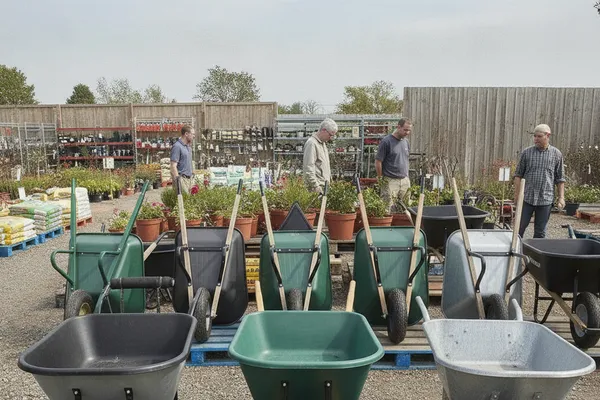
Making an informed choice means looking past the price tag and understanding what makes one wheelbarrow better suited for your job than another. Features like material, tire type, and capacity aren't just technical jargon; they directly impact the tool's performance, longevity, and how much strain it puts on you. Thinking about these details now saves headaches later.
Understanding these components helps you narrow down options, whether you're browsing in a store or scrolling through a website. It’s about matching the tool’s capabilities to the demands you’ll place on it, ensuring it serves you well for years to come.
Tub Material and Capacity
The tub is where all your materials go, so its material and size are critical. Steel tubs are known for their strength and durability, ideal for heavy loads like rocks, bricks, or concrete. However, steel can rust over time and is heavier. Poly or plastic tubs are lighter, won't rust, and are generally more affordable, making them popular for gardening and lighter yard work.
Capacity, measured in cubic feet, tells you how much volume the tub can hold. A common garden wheelbarrow might be around 4 to 6 cubic feet. For larger landscaping jobs or construction, you might look for 8 cubic feet or more. Always factor in that you won't (and shouldn't) fill a wheelbarrow completely to the brim, especially with loose materials.
Tires: Pneumatic vs. Flat-Free
The tires on your wheelbarrow are your connection to the ground, and they significantly affect maneuverability and ride comfort. Pneumatic tires, filled with air like a bicycle tire, offer excellent shock absorption, providing a smoother ride over uneven terrain, roots, or bumps. However, they are susceptible to punctures, which can lead to frustrating flats.
Flat-free or solid tires are maintenance-free and won't go flat. They are often made of dense foam or a solid rubber compound. While they eliminate the risk of punctures, they can provide a harsher ride and may be less shock-absorbent on rough ground. If you frequently work on very uneven or debris-strewn areas, a two-wheel model with flat-free tires can be a reliable workhorse.
Frame and Handle Design
The frame provides the structural support for the tub, and its material and design matter for overall stability and weight. Steel frames are common for their strength, especially in contractor models. The handle design affects how you grip and control the wheelbarrow. Loop handles are common on single-wheel models, allowing for a balanced grip, while D-handles offer a more secure hold, especially when maneuvering heavier loads.
Ergonomic handle grips can reduce strain on your hands and wrists, a significant benefit during extended use. Some models offer wider stances or reinforced frames for added stability, which is particularly helpful when loading or unloading bulky materials. Always try to get a feel for the handles if possible, as comfort makes a big difference.
Matching a Wheelbarrow to Your Yard Work and Projects
The ideal wheelbarrow isn't a one-size-fits-all tool. Thinking about the primary tasks you’ll use it for will guide you toward the most suitable type, size, and features. A wheelbarrow that’s perfect for hauling mulch might be inadequate for moving concrete, and vice-versa. Using the wrong type can lead to frustration, increased effort, or even damage to the tool.
Consider how often you'll use it, what materials you'll be carrying, and the terrain you'll be traversing. This upfront assessment will save you time and effort in the long run by ensuring you invest in a tool that truly meets your needs.
For the Avid Gardener
If your main focus is tending to your garden, you'll likely want a wheelbarrow that’s easy to maneuver and not overly heavy. A 4 to 6 cubic foot poly tub wheelbarrow is often a sweet spot. Look for one with a lightweight frame, perhaps aluminum or a lighter steel, and pneumatic tires for a smoother ride over garden beds and uneven soil.
Ergonomic handles can also be a big plus for extended weeding or mulching sessions. Features like a wider wheel stance can add stability when carrying bags of soil or compost. A rust-resistant poly tub is also ideal, as it will hold up well to moisture and soil.
For the Weekend DIYer
For homeowners tackling various DIY projects, from minor landscaping to moving DIY materials like gravel or mulch for a small project, a versatile wheelbarrow is key. A 6 to 8 cubic foot capacity is usually sufficient. A steel tub offers more durability for heavier loads, and a single, wider pneumatic tire is good for general maneuverability on lawns and driveways.
Consider a model with a sturdy steel frame and comfortable, reinforced handles. If you’re occasionally moving heavier items like pavers or small amounts of concrete mix, ensure the load capacity is sufficient. Some two-wheel models might offer better stability for these mixed tasks.
For the Landscaper or Contractor
Professionals and serious DIYers who use wheelbarrows daily for demanding tasks like moving construction debris, large volumes of soil, or concrete need something heavy-duty. These users should look for 8 cubic foot or larger steel tubs with reinforced bottoms and strong steel frames. A thicker gauge steel tub is essential for preventing dents and tears.
A two-wheel design provides superior stability when carrying very heavy loads, reducing the risk of tipping. Look for robust, larger pneumatic tires designed to handle rough job sites and heavy weight. High load capacities, often 300 lbs or more, are critical for these applications. For instance, a contractor-grade wheelbarrow from a reputable brand like True Temper or Gorilla Carts is built for this kind of work.
Avoiding Common Wheelbarrow Buying Mistakes
It’s easy to make a quick decision when you're eager to get a task done, but a few common pitfalls can lead to buying the wrong tool. One of the biggest mistakes is not considering the load capacity and then overloading a lighter-duty wheelbarrow. This not only strains the tool but can also lead to tipping and accidents, especially on uneven ground.
Another common error is opting for a single-wheel design when constant heavy hauling across varied terrain is the norm. While single-wheel models offer tight turning, two-wheel versions provide much greater stability for bulky or heavy loads. Also, rushing the assembly process without reading instructions can lead to a wobbly, unsafe tool.
What's a Wheelbarrow Typically Cost?
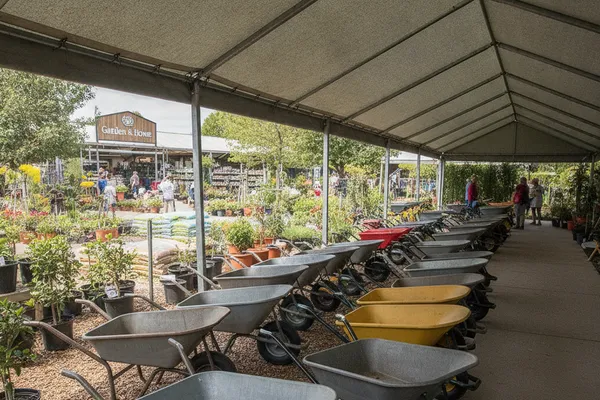
When you're setting a budget, it helps to know the general price range for wheelbarrows. Basic, lightweight poly tub models suitable for occasional gardening can sometimes be found for under $70. These are functional but won't stand up to heavy or frequent use.
Mid-range garden wheelbarrows with decent capacity (around 5-6 cubic feet) and a more durable build, often with pneumatic tires, typically fall between $100 and $200. For heavy-duty, contractor-grade wheelbarrows with larger capacities (8+ cubic feet), steel tubs, and robust frames, expect to invest between $200 and $400 or even more for specialized or motorized units. Prices can fluctuate with sales and retailer markups.
Getting Your Wheelbarrow Home: Pickup vs. Delivery
Once you've decided on the perfect wheelbarrow, you need to consider how you'll get it home. Many home improvement stores and hardware stores offer a "buy in-store, pick up in-store" option for assembled or partially assembled units. This is often the quickest way to get your new tool if it's in stock locally.
If you're buying online, you'll usually have a choice between standard shipping, which can take several days to a week or more, or potentially expedited shipping for an extra fee. Some online retailers might also offer in-store pickup at their physical locations, bridging the gap between online convenience and immediate access. Always check the shipping dimensions and weight to ensure it's manageable for your vehicle if you plan to pick it up yourself.
Assembling Your New Wheelbarrow
Most wheelbarrows, especially those purchased online or from big box retailers, will require some assembly. This usually involves attaching the handles to the frame and then securing the tub to the frame and handles. Tire installation is often the most involved part, especially if it's a pneumatic tire that needs to be inflated.
Before you start, lay out all the parts and hardware and compare them against the instruction manual. Ensure you have the necessary tools handy; most assemblies require a wrench and possibly a screwdriver. Take your time; a correctly assembled wheelbarrow is safer and more durable. Reputable manufacturers like Gorilla Carts provide detailed instruction manuals and often include all necessary hardware.
For reference, checking a manufacturer's website for assembly videos can also be extremely helpful.