
Wood chips can be a great addition to many planters, helping with moisture retention, temperature moderation, and a polished look. However, using them incorrectly in containers can cause more harm than good. It’s not as simple as just tossing them on top of your potting mix.
To use wood chips effectively in planters, you need to understand their properties and how they interact with potting soil and plant roots. Aggregate reviews indicate that issues like nitrogen depletion and potential drainage problems are common concerns for container gardeners. As of 2026, understanding these nuances remains key for successful container gardening.
Quick Answer
Wood chips can be used in planters as a top dressing, but avoid mixing them into fresh potting soil. They help retain moisture and regulate soil temperature. However, they can deplete nitrogen and potentially hinder drainage if not applied correctly.
Choose untreated, medium to large chips for best results.
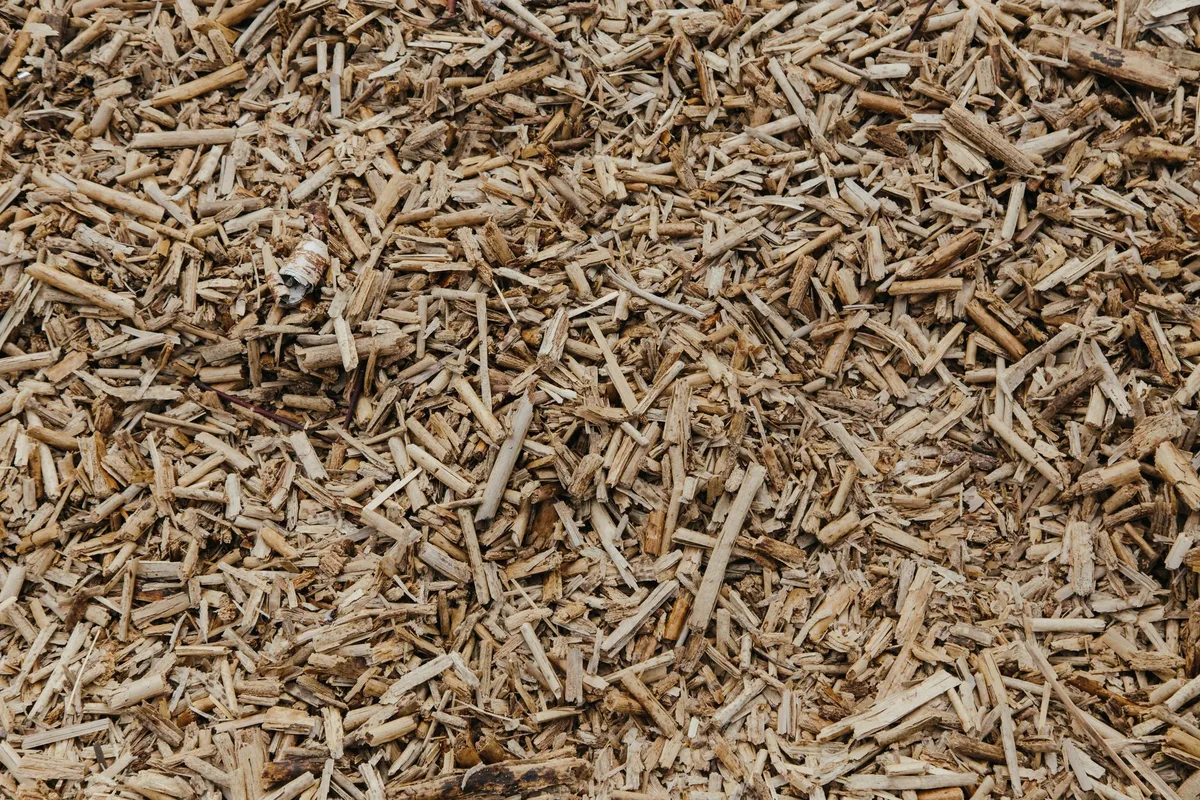
Is Wood Chip Mulch Right for Your Planters?
The question of whether wood chips are suitable for your planters really depends on a few factors. Think about what you’re growing and how you normally manage your containers. For many common garden plants, and even some veggies, a top layer of wood chips can offer real benefits.
It’s a simple way to improve the growing environment for certain plants.
However, it's not a one-size-fits-all solution. If you’re growing plants that absolutely demand perfect drainage, like many succulents or orchids, wood chips might cause more problems than they solve. Similarly, if you’re working with a very fine potting mix that already tends to get waterlogged, adding chips could exacerbate drainage issues.
The key is careful consideration and observation.
Types of Wood Chips: What to Look For
When you’re looking at wood chips for your planters, the type and how they’re processed make a big difference. Not all wood chips are created equal in the gardening world. You’ll typically see a few categories available from landscaping suppliers or arborists.
Features and Attributes of Different Wood Chips
Our research shows that the source and processing of wood chips impact their suitability for containers.
- Arborist Wood Chips: These are often a mix of different tree species, including bark, and are usually fresh from tree removal services. They tend to be bulkier and may take longer to break down. For planters, it's best to let these cure for a few weeks before use to allow some initial decomposition.
- Shredded Bark Mulch: This is typically a more processed product, often from specific types of trees like pine, fir, or cedar. It's usually more uniform in size and texture than arborist chips.
- Commercial Bagged Mulches: Be careful with these; some are dyed for aesthetic purposes, and others might contain additives. Always check the label to ensure they are natural and untreated if you plan to use them around edible plants or more sensitive ornamentals.
For planters, it's crucial to opt for untreated, natural wood chips. Chemical treatments or dyes can leach into the soil and potentially harm your plants. Medium to large-sized chips are generally preferred over fine particles, as they offer better airflow and drainage.
The Upsides: Why Use Wood Chips in Planters?
There are some solid upsides to using wood chips as a mulch layer in your planters. They don't just make the pots look nice; they can actively improve the growing conditions.
Benefits for Moisture, Temperature, and More
The primary advantages of using wood chips in planters are centered around managing the microclimate within the pot.
- Moisture Retention: A 1, 2 inch layer of wood chips on top of the soil acts as a barrier, significantly reducing water evaporation from the surface. This means you might water less frequently, which is a big plus for busy people or during hot weather.
- Temperature Regulation: Planter soil can heat up quickly in direct sun, potentially stressing plant roots. Wood chips help insulate the soil, keeping it cooler on hot days and warmer on cool nights. This consistent temperature can lead to healthier root systems.
- Weed Suppression: Just like in garden beds, a layer of mulch helps block sunlight from reaching weed seeds that might have landed on the soil surface. This reduces the number of weeds that sprout, meaning less competition for your plants’ water and nutrients. You can find various hoes to get rid of garden weeds, but prevention with mulch is often easier.
- Aesthetic Appeal: A uniform layer of wood chips gives planters a finished, professional look. It hides the plain potting mix and creates a tidy appearance that complements your plants.
The Downsides: Potential Problems with Planter Wood Chips
Now, while wood chips offer benefits, we've got to talk about the potential downsides. These are the common pitfalls that can turn a good gardening idea into a problem.
Risks of Nitrogen Depletion and Drainage Issues
The most frequently cited issue with wood chips in planters is their impact on soil nitrogen. As wood chips decompose, they are a carbon-rich material. Microbes in the soil need nitrogen to break down this carbon, and they will pull nitrogen from the surrounding soil to do so.
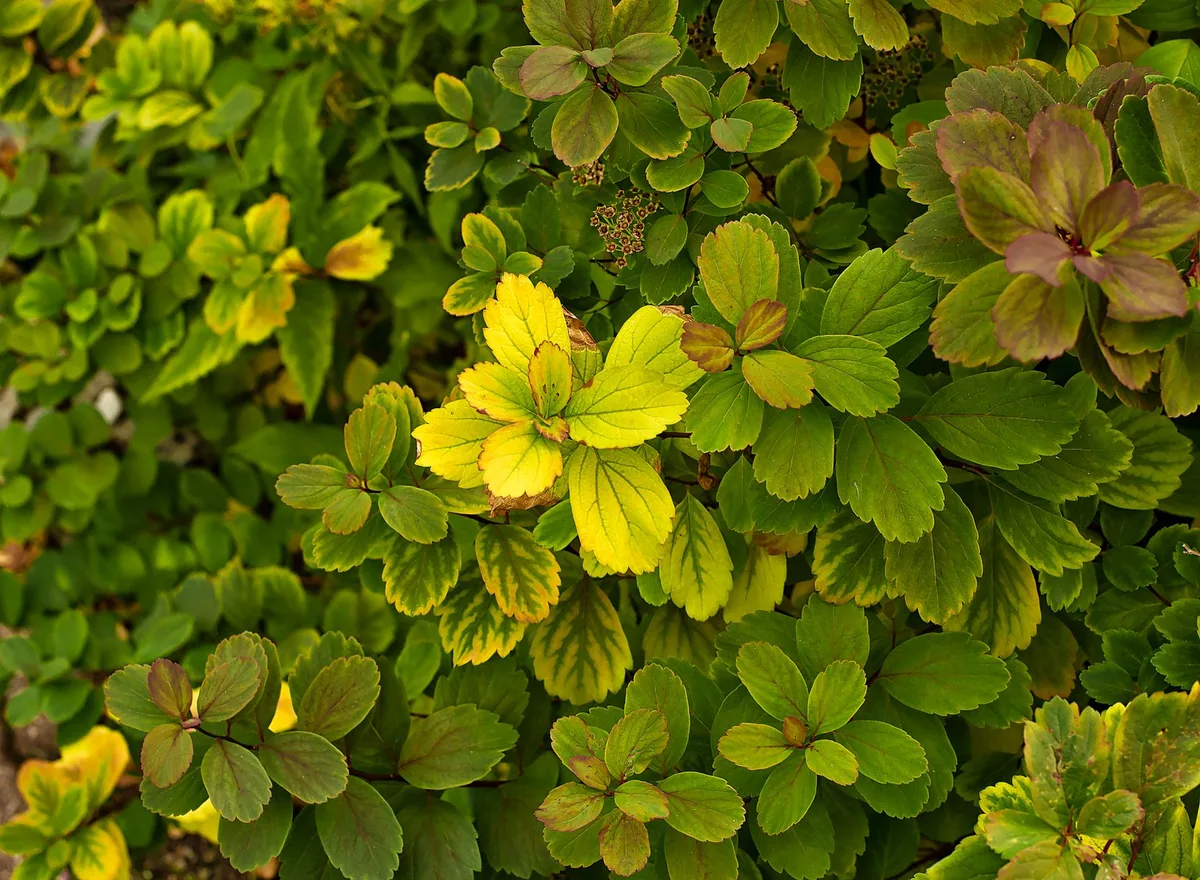
- Nitrogen Depletion: If wood chips are mixed directly into the potting soil, especially if they aren't fully composted, they can tie up available nitrogen. Our research indicates that this can lead to plants showing signs of nitrogen deficiency, such as yellowing leaves and stunted growth, with aggregated user reviews reporting this issue frequently. This is why, for example, it's important to use the right kind of fertilizer for grass, and a similar principle applies here for potted plants.
- Drainage Issues: Particularly with finer wood chips or if they become compacted, they can form a surface layer that impedes water drainage. In containers, where excess water has no way to escape except through the drainage holes, this can lead to waterlogging. Waterlogged soil suffocates roots and can lead to root rot.
- Potential for Compaction: Over time, wood chips will break down. If they aren't refreshed, they can become a somewhat compacted layer that reduces air circulation to the roots.
How to Use Wood Chips Wisely in Planters
If you've weighed the pros and cons and decided wood chips are still a good option for your planters, the key is applying them correctly. This means focusing on how you layer them and what type you choose.
Top Dressing Techniques for Container Success
The most effective way to use wood chips in planters is as a top dressing, meaning they sit on top of your potting mix rather than being mixed in. This approach significantly mitigates the risks associated with nitrogen depletion and drainage issues.
Here’s how to do it right:
- Apply a 1, 2 inch layer: Spread the wood chips evenly over the surface of your potting soil. Don't go too thick; you want to allow water and air to penetrate.
- Keep away from the stem: Ensure the mulch layer doesn't touch the base of your plant's stem. Leaving a small gap (about 1/2 inch) around the stem promotes airflow and helps prevent moisture-related diseases or rot at the crown.
- Use appropriate chip size: Opt for medium to large-sized chips. Fine particles are more likely to clump together and create a barrier. Arborist chips or larger shredded bark mulches are often suitable. Aggregated user reviews suggest larger chips offer better airflow.
Choosing the Right Wood Chips for Your Plants
The type of wood chip you select can influence its impact on your plants and soil.
- For General Use: Untreated hardwood or softwood chips (like pine or fir) are generally safe bets. They provide the benefits of mulch without drastically altering soil chemistry for most common plants.
- For Acid-Loving Plants: If you're growing plants that prefer slightly acidic soil, such as blueberries, azaleas, or rhododendrons, pine or cedar chips can be a good choice. These woods naturally tend to lower soil pH as they decompose.
- What to Avoid: Steer clear of dyed mulches or chips treated with chemicals, especially for edible plants or if you're sensitive to artificial additives. Also, avoid very fine, dusty materials that compact easily.
Common Mistakes to Avoid with Planter Mulch
Making common mistakes with mulch in planters can undo all the benefits and create new problems. Being aware of what not to do is just as important as knowing what to do.
What NOT to Do with Wood Chips in Pots
Many novice gardeners fall into predictable traps when using wood chips in containers. Avoiding these common errors will save your plants a lot of stress.
- Mixing Fresh Chips Directly into Soil: This is the biggest no-no. Fresh wood chips, especially from arborist sources, are carbon-heavy and will compete with your plants for nitrogen as they break down. This can stunt growth or even kill sensitive plants. Always top-dress, or ensure chips are fully composted before mixing.
- Applying Mulch Too Deeply: A layer that’s too thick (more than 2 inches) can suffocate the soil, dramatically reducing air circulation. This can lead to anaerobic conditions, which are harmful to roots. It also makes it difficult for water to reach the soil below.
- Allowing Mulch to Touch Stems: This can trap moisture against the plant stem, creating ideal conditions for fungal diseases and rot. Always pull mulch back an inch or so from the base of the plant.
- Using Treated or Dyed Wood: As mentioned, chemical treatments and dyes can leach into the soil. This is particularly risky for plants you intend to eat.
- Ignoring Plant Needs: Not considering whether your specific plant species benefits from or is harmed by potential pH changes from certain wood types (like cedar or pine) can lead to issues. If you're unsure, err on the side of a neutral mulch.
Alternatives to Wood Chips for Planters
Sometimes, even with the best intentions, wood chips might not be the perfect fit for your specific planter setup or plant choices. Fortunately, there are several other excellent options for mulching containers that offer similar benefits without some of the drawbacks.
Other Mulch Options for Container Gardening
When considering what to put on top of your planter soil, think about the plant's needs and your aesthetic preferences.
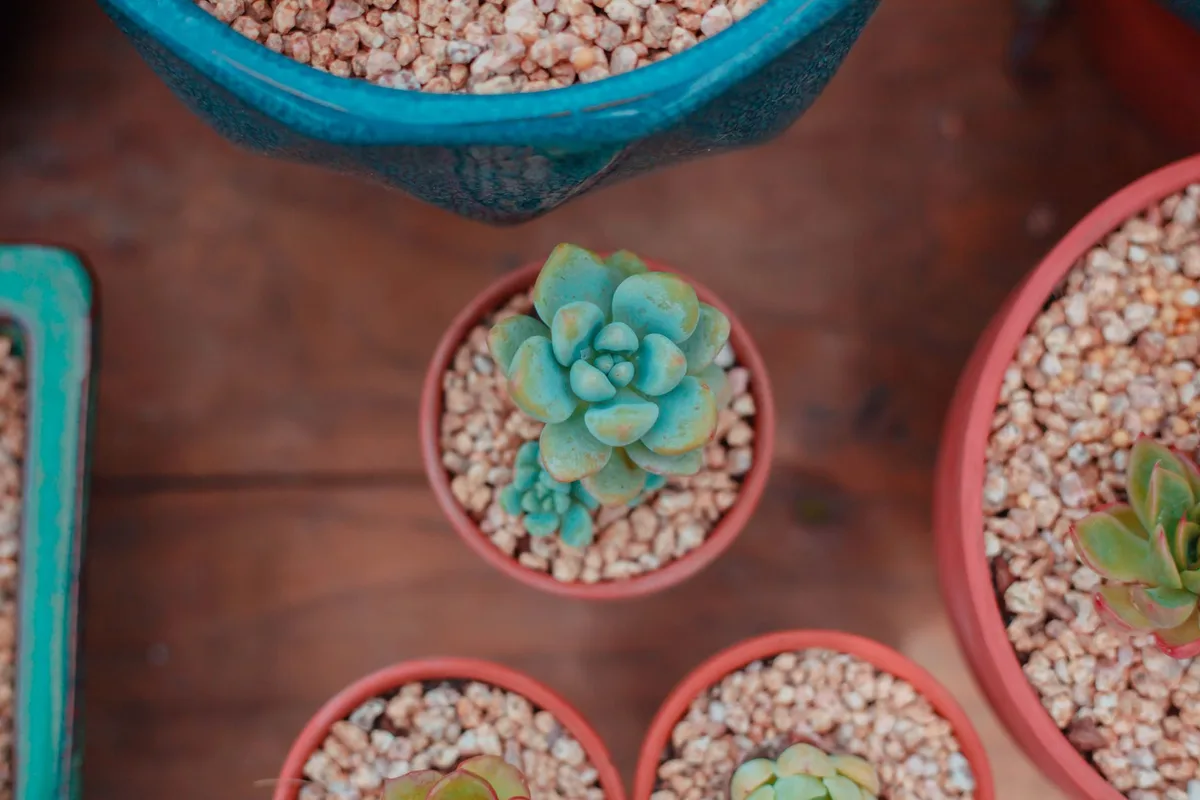
- Gravel or Pebbles: These make excellent top dressings for plants that require superb drainage, such as succulents, cacti, or Mediterranean herbs. They don't decompose, won't impact soil pH, and help retain some moisture while allowing good airflow. They also offer a clean, decorative finish.
- Coco Coir: Made from coconut husks, coco coir is a sustainable alternative to peat moss. A thin layer can help with moisture retention and provides a neat appearance. It's relatively pH neutral.
- Pine Bark Fines: These are smaller, shredded pieces of pine bark. They are often used as an ingredient in potting mixes for good aeration, but they also make a very effective mulch. They break down slowly and are generally pH-neutral to slightly acidic.
- Leaf Mold: If you have access to thoroughly composted leaves, leaf mold is a fantastic, nutrient-rich mulch. It breaks down well, improves soil structure, and is excellent for moisture retention.
Each of these alternatives offers a different set of characteristics. For instance, if you're managing a grow tent and need precise control over your medium, understanding the properties of coco coir is vital; you can learn more about special consideration while building own grow room. Similarly, for general lawn care, knowing what kind of fertilizer for grass to use is crucial, and applying similar diligence to container mulch pays off.
Expert Tips for Planter Wood Chip Success
Getting wood chips to work best in your planters often comes down to a few smart practices. It’s about enhancing their natural benefits while minimizing any potential downsides you might encounter. Think of it as fine-tuning your approach.
- Consider the Size: Medium-sized chips tend to offer the best balance of moisture retention and airflow. They’re less likely to compact than fine particles and easier for water to permeate than very large chunks.
- Watch for Decomposition: As wood chips break down, they become finer and can start to contribute to soil structure. However, this also means their nitrogen uptake might increase. Regularly check the layer and top it up as it thins or decomposes past a useful point.
- Use Organic Fertilizers: If you notice signs of nutrient deficiency after adding wood chips, an organic fertilizer like compost tea or fish emulsion can be a great way to replenish nitrogen without drastically altering soil pH. This is a good practice generally when using organic matter in container gardens, similar to using compost vs fertilizer effectively.
Final Verdict: Should You Use Wood Chips in Your Planters?
Ultimately, the decision to use wood chips in your planters comes down to your specific needs and the plants you're growing. They aren’t a universal answer but can be a valuable tool when used correctly.
If your primary goal is moisture retention and a tidy appearance, and you're growing plants that aren't overly sensitive to soil pH or nitrogen fluctuations, then a top dressing of wood chips can be a great choice. Proper application, focusing on the top layer and avoiding direct contact with the stem, is crucial for success.
- Choose Wisely: Opt for natural, untreated chips.
- Apply Smartly: Top dress, don't mix into fresh soil.
- Observe Closely: Monitor your plants for any signs of stress or deficiency.
If you encounter persistent issues or are growing very particular plants, don't hesitate to explore alternatives like gravel or pine bark fines. What works best often depends on your local climate, watering habits, and the exact species you're cultivating.
Frequently Asked Questions
How much wood chips should I use in a planter?
A layer of 1 to 2 inches of wood chips is generally recommended for planters. This depth helps retain moisture and suppress weeds without overwhelming the soil's ability to drain or breathe. Applying too much can lead to compaction and hinder airflow.
Can I mix wood chips directly into my potting soil?
It’s generally not advised to mix fresh wood chips directly into potting soil for containers. As they decompose, they consume nitrogen from the soil, which can starve your plants. If you want to incorporate wood material, use fully composted wood products or apply them as a top dressing, keeping them away from plant stems.
How often do I need to replace wood chips in planters?
This depends on the type of wood chip and your climate. Hardwood chips tend to decompose faster than softwood chips like pine or cedar. You should plan to refresh or replace the wood chip layer every 6 to 12 months, or when it starts to look thin, compacted, or significantly broken down.
Will wood chips raise the pH of my planter soil?
Some types of wood chips, particularly those from cedar or pine, can slightly lower the soil pH over time, making it more acidic. This can be beneficial for acid-loving plants like blueberries or azaleas, but may be detrimental to plants that prefer neutral or alkaline soil. It’s always best to test your soil pH if you’re concerned.
Are wood chips safe for edible plants in planters?
Yes, untreated, natural wood chips are safe for edible plants in planters when used as a top dressing. They help conserve water and keep soil temperatures stable, which benefits most vegetable crops. Ensure the chips are free from chemical treatments or dyes to avoid contaminating your edibles.