
Noticed you found your ZZ plant with curled leaves. That waxy, dark green foliage suddenly looking stressed can be worrying. But here is the good news: curled leaves on a ZZ plant almost always come from one of just a few causes, and each one is simple to fix once you know what you are dealing with.
ZZ plants (Zamioculcas zamiifolia) are famously tough survivors. They store water in thick underground rhizomes and can go weeks without a drink. As of 2026, they remain one of the most popular low-light houseplants for good reason.
But that same toughness can make them a little tricky to read. A curling leaf is the plant's way of saying something is off. Let's walk through exactly how to figure out what.
Quick Answer
ZZ plant curled leaves are usually caused by overwatering, underwatering, or low humidity. Check the soil first. If it feels wet and the leaves are soft, stop watering and let the soil dry.
If the soil is bone dry and leaves feel crispy, give it a thorough soak. If soil moisture seems fine, look for spider mites or dry air. Correct the issue, and new growth will come in flat within two to three weeks.
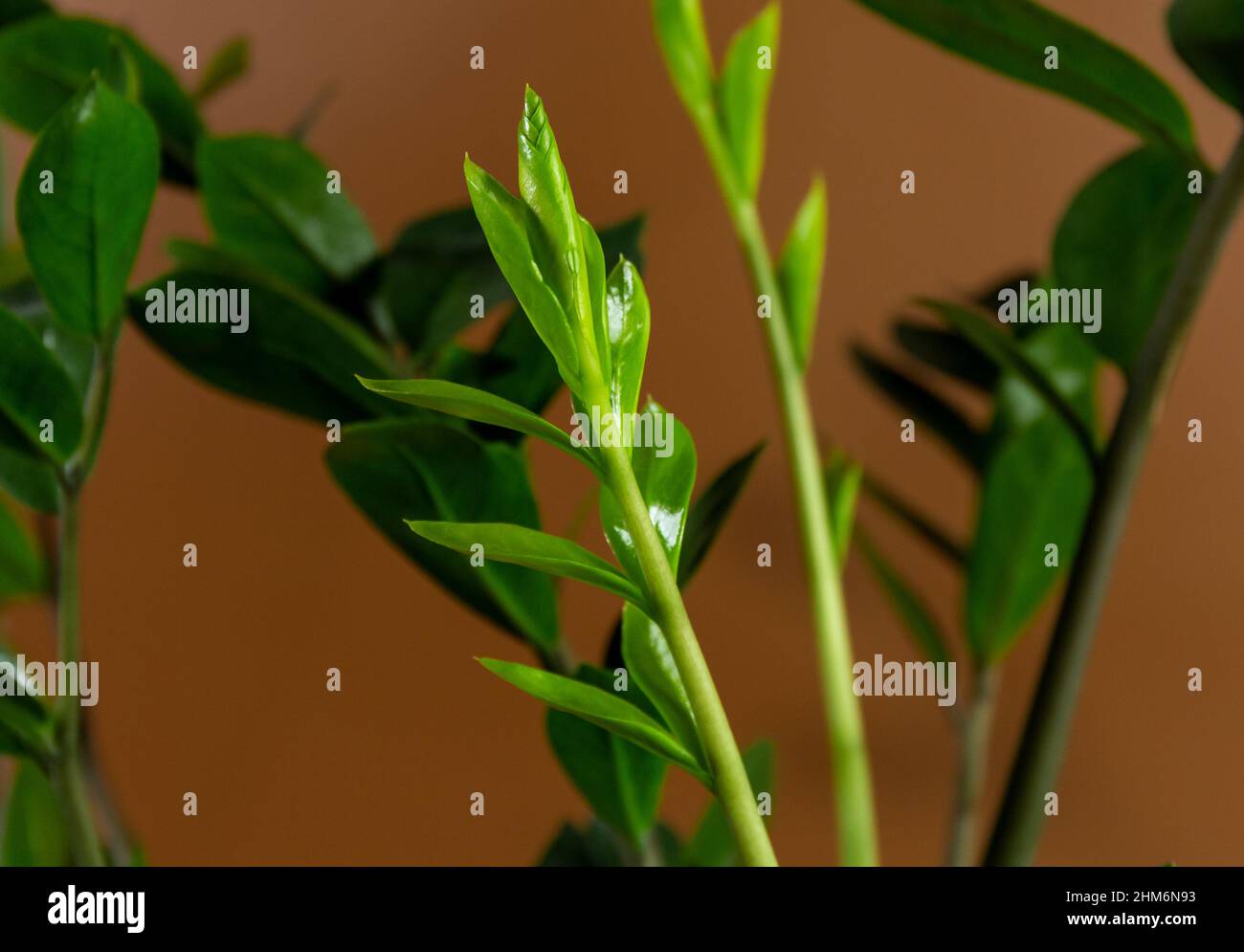
Image source: Alamy (fair-use with source credit)
Why Are My ZZ Plant Leaves Curling?
Leaf curl in a ZZ plant is not a disease. It is a symptom. The leaflet folds inward, sometimes lengthwise, sometimes at the edges, as the plant tries to reduce its surface area.
That is a protective response.
Think of it this way: a flat leaf loses water through its pores. Curling that leaf up cuts water loss in half. So the plant is telling you it is either getting too much water (roots can't breathe), too little water (it is conserving moisture), or the air around it is too dry.
Less commonly, it can be too much direct sunlight burning the leaf surface or spider mites sucking the sap out.
The trick is matching the symptom to the real cause. You cannot just water more or less blindly. You need to look at the whole picture.
The Most Common Cause (and How to Rule It Out First)
Overwatering is the number one reason ZZ plants curl. It is also the easiest to misdiagnose because the curled leaf looks similar to underwatering. But the feel is completely different.
Here is how to tell right now. Stick your finger about two inches into the soil. If it feels damp or wet, you have found your culprit.
A ZZ plant's rhizomes rot quickly in soggy soil. When the roots start dying, the leaves cannot get enough water, so they curl up like they are thirsty. But watering more would only kill the plant faster.
If the soil is wet, stop watering immediately. Let the pot dry out completely for at least two weeks before you even think about watering again. If the pot has no drainage holes, you need to repot into one that does.
That is not optional. Standing water at the bottom is a death sentence for a ZZ.
If the soil feels dry, then underwatering is more likely. But do not jump to water yet. You still need to check the rhizome health.
Our guide on special considerations for building your own grow room covers how to monitor root moisture in container plants more generally.
How ZZ Plants Store Water – and What Curling Actually Tells You
A ZZ plant is a succulent, even though it does not look like one. It stores water in thick, potato-like rhizomes just under the soil surface. Those rhizomes can hold enough water to keep the plant going for three to four weeks without a drink.
When the rhizomes are full, the plant pushes out thick, flat, glossy leaves. When the rhizomes begin to dry out, the plant draws water from the leaves to keep the roots alive. The leaf cells lose turgor pressure, and the leaflet curls inward.
That is normal to a degree. But if the soil has been dry too long, the curl becomes pronounced and the leaf tips may turn brown and crispy.
On the flip side, if the soil stays wet too long, the rhizomes rot. Rotting rhizomes cannot deliver water to the leaves, so the leaves curl just like they would from underwatering. The soil feels wet, but the leaves look thirsty.
That is the classic ZZ plant trap.

Image source: Wikimedia Commons / Krzysztof Ziarnek, Kenraiz (CC BY-SA)
The rhizome in the photo above shows what healthy water storage looks like. If yours is mushy or smells foul, you have rot and need to remove the damaged parts immediately.
Step-by-Step Diagnosis: Overwatering, Underwatering, or Something Else?
Let's run a simple decision tree. Grab your plant and follow each branch until you hit the right answer.
Branch 1: Soil Feels Wet, Leaves Are Soft
If the soil is damp and the curled leaves feel soft or limp, you have overwatered. The roots are likely damaged. Here is your action plan:
- Take the plant out of the pot and inspect the rhizomes. Cut away any mushy, brown, or smelly parts with clean scissors.
- Let the healthy rhizomes air dry for 24 hours.
- Repot into fresh, well-draining soil (a cactus mix works perfectly).
- Do not water for at least two weeks.
Do not be tempted to fertilize. A stressed plant cannot use fertilizer, and it will only burn the roots further.
Branch 2: Soil Is Bone Dry, Leaves Feel Crispy
If the soil feels dry and the curled leaves are crisp or papery, you have underwatered. The rhizomes are depleted but likely still healthy. Here is what to do:
- Give the plant a thorough soak. Put it in a sink or basin and water until it runs out the drainage holes. Let it sit in the water for 15 minutes so the soil absorbs fully.
- Then let it drain completely before putting it back in its spot.
- Adjust your watering schedule. ZZ plants in bright indirect light need water every two to three weeks. In low light, every three to four weeks.
A good way to track: lift the pot after watering and remember how heavy it feels. When it feels light again, it is time to water.
Branch 3: Soil Moisture Seems Fine – Check Light, Humidity, and Pests
If the soil is neither wet nor bone dry, the issue is environmental. Three things to check in order.
Light. ZZ plants tolerate low light but do not love it. Too little light can slow growth and cause leaves to curl inward. Move the plant to a spot with bright, indirect light.
Avoid direct sun, which can scorch the leaves and cause them to curl and brown at the edges.
Humidity. ZZ plants prefer average indoor humidity, around 40 to 60 percent. Forced air heating in winter can drop humidity to 20 percent or lower, which makes the leaves curl to conserve moisture. Try grouping plants together or placing a small humidifier nearby.
Misting does very little for ZZ plants because of their waxy coating.
Pests. Spider mites are the main pest that causes leaf curl on ZZ plants. They are tiny and barely visible to the naked eye. Look for fine webbing between leaflets or tiny yellow speckling on the leaf surface.
If you see those, wipe the leaves with a damp cloth and treat with insecticidal soap. The University of Florida IFAS Extension has a thorough resource on spider mite identification and control.
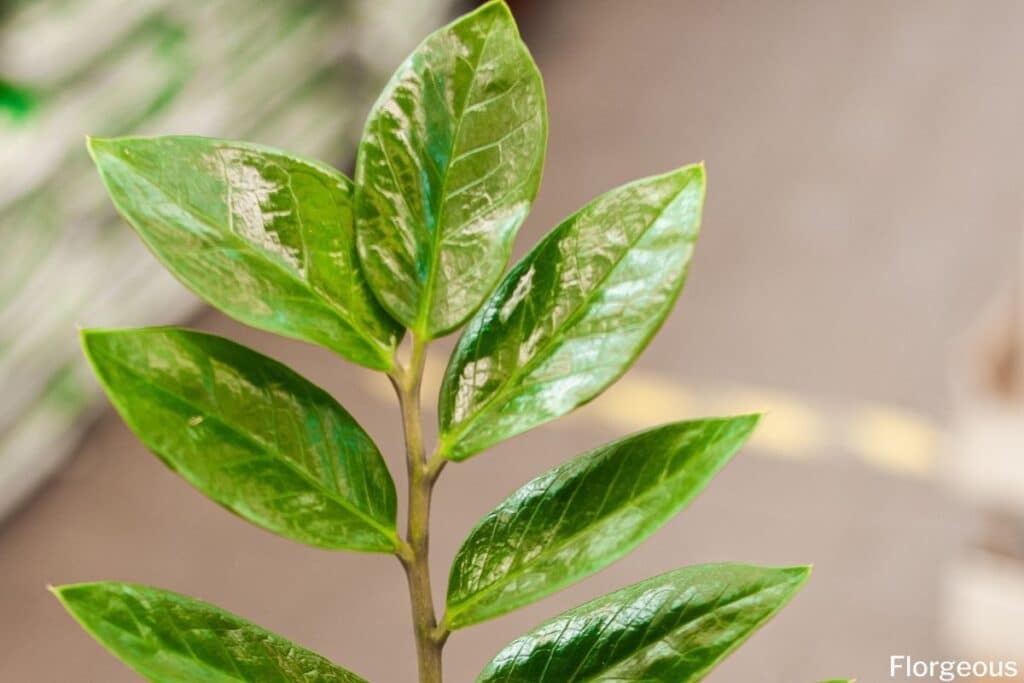
Image source: Bing (Web (fair-use with source credit))
How to Check Each Cause (Finger Test, Pot Weight, Leaf Feel, Pest Inspection)
You do not need fancy tools to diagnose your ZZ plant. Four simple checks will tell you everything.
The finger test. Insert your index finger two inches into the soil. If it comes out with dirt sticking to it, the soil is moist. If it comes out clean, the soil is dry.
Easy.
The pot weight test. Lift the pot. A pot with dry soil is noticeably lighter than one with wet soil. After a few watering cycles, you will get a feel for the difference.
This is especially useful for large pots where the top may be dry but the bottom is still wet.
The leaf feel test. Gently pinch a curled leaf. Overwatered leaves feel soft and pliable. Underwatered leaves feel thin and crispy.
Healthy leaves are firm and snap back when you bend them slightly.
The pest inspection. Look at the underside of the leaves with a magnifying glass or just your reading glasses. Spider mites look like tiny red, brown, or white specks. You may also see fine silk strands.
If you see either, act fast. Spider mites can kill a ZZ plant in weeks if left untreated.
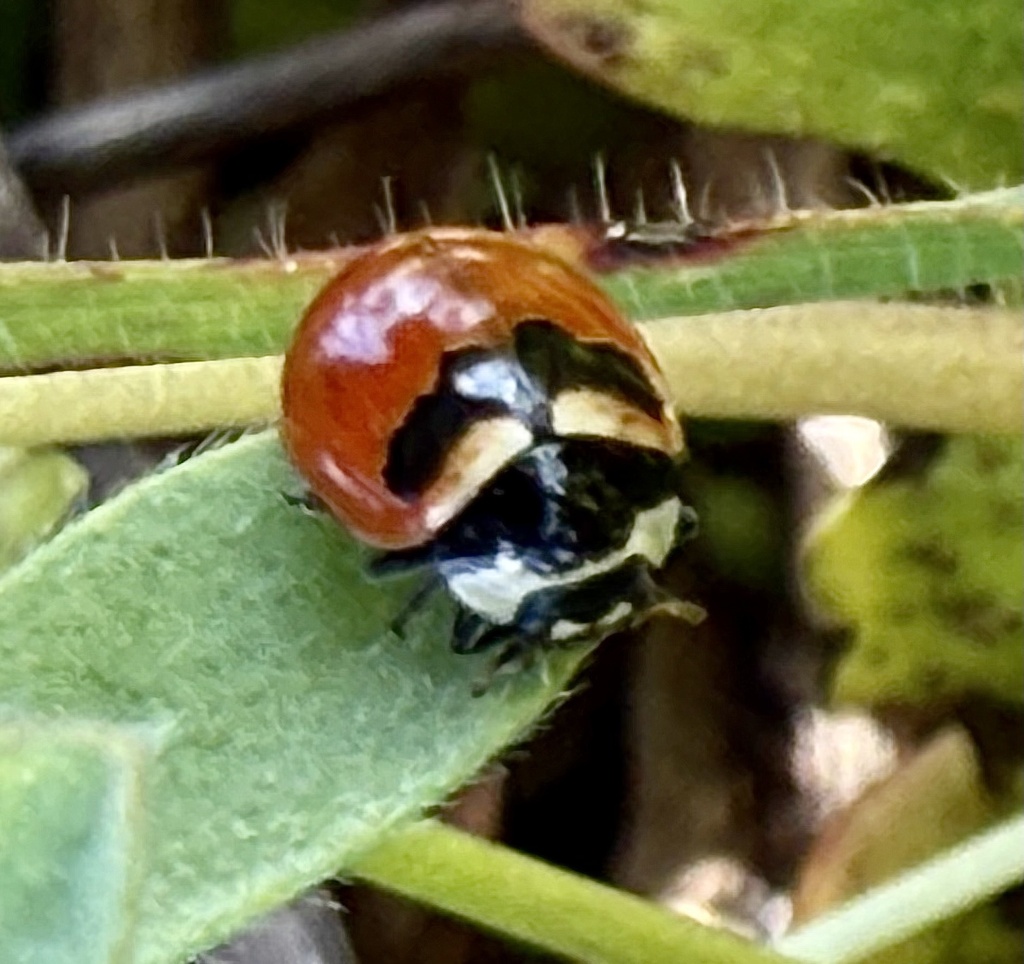
Image source: iNaturalist / Irene
Regular checks during your routine garden upkeep can catch problems early. A quick once-over when you water every few weeks is all it takes to keep your ZZ plant looking its best.
Common Mistakes That Make Curling Worse (Watering Schedules, No Drainage, Repotting Too Soon)
Most ZZ plant problems come from well-intentioned but wrong care. Here are the three biggest traps people fall into.
Watering on a fixed calendar. Watering every Wednesday or every two weeks is a recipe for curled leaves. Your plant's water needs change with the seasons, the room temperature, and the light it gets. In winter, a ZZ might need water once a month.
In summer, every two weeks. Check the soil, not the calendar.
Using a pot without drainage holes. This is the number one killer of ZZ plants. Water collects at the bottom, the rhizomes sit in it, and rot sets in. Within weeks, leaves curl and yellow.
If your decorative pot has no holes, keep the ZZ in a plastic nursery pot inside it. Take the inner pot out to water, let it drain, then put it back. This is a key consideration when setting up any container plant environment, similar to what you'd think about with proper grow tent ventilation setup for airflow and drainage.
Repotting too soon or too often. ZZ plants like being root-bound. Moving them to a bigger pot stresses the roots, and the plant responds by curling its leaves. Only repot when you see roots pushing out the drainage holes, and then go up just one pot size.
After repotting, expect some temporary curl for a week or two. Do not water extra to fix it. That only adds stress.
Other common missteps include fertilizing in winter, placing the plant in direct afternoon sun, and misting the leaves (the waxy coating just traps dust). Keep care simple and consistent.
Image source: Openverse / Plant pests and diseases
Should You Cut Off the Curled Leaves? (When to Prune and When to Wait)
The short answer: leave them alone unless they are brown or mushy.
Curled green leaves can still photosynthesize. Cutting them off removes energy the plant needs to recover. Let the plant reabsorb those nutrients naturally.
Once a leaf turns completely yellow or brown, it is dead and can be trimmed at the base.
If a leaf is soft and mushy from overwatering, cut it off right away. Rotting tissue can spread fungal spores to healthy parts of the plant. Use clean, sharp scissors and cut the stem as close to the soil as possible.
Do not remove more than one-third of the leaves at once. The plant needs some foliage to regrow. After pruning, hold off on watering for at least a week to let the wounds callus over.
How Long Until Your ZZ Plant Recovers? (Timeline and What to Watch For)
Recovery time depends on the cause and how quickly you corrected it.
| Cause | Recovery timeline | Signs of improvement |
|---|---|---|
| Overwatering | 3 to 6 weeks | New leaves grow flat; old curled leaves may stay curled but do not worsen |
| Underwatering | 1 to 3 weeks | Leaves plump up and uncurl within days; new growth appears flat |
| Low humidity | 1 to 2 weeks after raising humidity | Existing leaves may stay slightly curled but new leaves come in flat |
| Spider mites | 2 to 4 weeks after treatment | No new webbing; new leaves uncurled; old damaged leaves may stay curled |
A few things to watch for during recovery. New growth is the best sign. If the center of the plant pushes out a new stem with flat leaflets, you are on the right track.
Existing curled leaves may never fully flatten out. That is fine. The plant has moved on.
If you see no improvement after four weeks, recheck the roots. Dig down carefully and feel the rhizomes. Rot can sometimes take weeks to show above ground.
The Missouri Botanical Garden has detailed guidance on rhizome health assessment for houseplants in their online plant care database.
A Quick Safety Note: ZZ Plants Are Toxic to Pets and People
Every part of the ZZ plant contains calcium oxalate crystals. These needle-like crystals can cause intense burning, swelling, and irritation if chewed or swallowed. Cats and dogs that nibble on the leaves may drool, vomit, or paw at their mouths.
In humans, the sap can cause skin irritation in sensitive individuals.
Keep the plant out of reach of pets and small children. If you suspect a pet has eaten part of a ZZ, contact your veterinarian or a pet poison control hotline right away. The ASPCA Animal Poison Control Center lists the ZZ plant as toxic to cats and dogs.
Wear gloves when pruning or repotting if you have sensitive skin. Wash your hands thoroughly afterward. This is not a plant that needs to be feared, but it does deserve respect.
Your Decision Guide – A Simple Flowchart to Follow Right Now
Here is the entire decision process condensed into a quick reference.
- Feel the soil two inches deep.
, Wet or damp → Overwatering. Stop water. Let dry.
Check for rot.
, Dry → Underwatering. Soak thoroughly. Adjust schedule.
, Slightly moist → Move to step 2.
- Check the leaf texture.
, Soft and limp → Overwatering confirmed.
, Crispy and thin → Underwatering confirmed.
- If soil feels fine, check the environment.
, Low light → Move to bright indirect light.
, Dry air (below 40% humidity) → Use a humidifier or group plants.
, Direct sun (leaf edges brown) → Move back from window.
Inspect for spider mites.
, Webbing or tiny specks → Wipe leaves, treat with insecticidal soap.Wait two weeks and reassess.
, New growth flat → You fixed it.
, No change or worse → Repeat from step 1, checking roots.
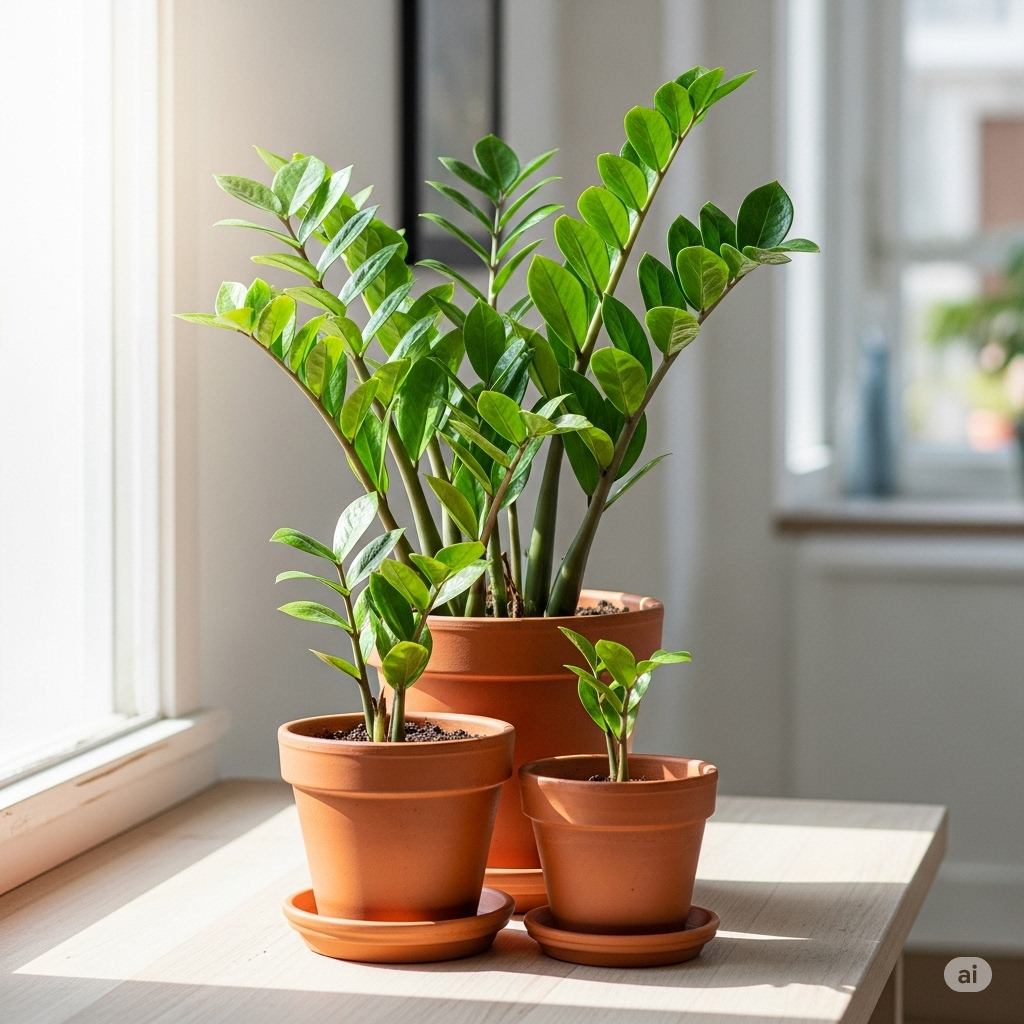
Image source: Bing (Web (fair-use with source credit))
This plant is built to survive. A few curled leaves are not the end. Give it the right conditions, and it will bounce back with that same glossy, upright confidence that made you bring it home in the first place.
Frequently Asked Questions
Can curled ZZ leaves uncurl on their own?
Yes, if the cause is underwatering. Leaves will plump back within a few days of a good soak. Leaves curled from overwatering may stay curled, but new growth will come in flat.
Should I mist my ZZ plant to fix curled leaves?
Misting does not raise humidity enough to help. The waxy coating on ZZ leaves causes water to bead up and run off. Use a humidifier or pebble tray instead.
How often should I water a ZZ plant with curled leaves?
Only when the soil is completely dry two inches down. For most homes, that is every two to three weeks in summer and every three to four weeks in winter. Do not water on a schedule.
Can a ZZ plant recover from root rot?
If caught early, yes. Remove mushy rhizomes, repot in fresh dry soil, and wait at least two weeks before watering. Severe rot may kill the plant, but it is worth trying.
Why are my ZZ plant leaves curling after repotting?
Transplant shock is normal. The roots need time to adjust. Keep the soil barely moist and give it bright indirect light.
New growth will appear within a few weeks.
Is curling leaves a sign of too much light?
Yes, direct sun can scorch the leaves and cause them to curl inward. Move the plant to bright indirect light and the curling should stop. Brown edges may remain but will not spread if the light is corrected.